The Hyksos: Rethinking the "Invaders" Who Forged Egypt’s Empire
A historical reevaluation challenges centuries of vilification, revealing how a West Semitic-speaking people, once branded as barbaric invaders, profoundly transformed ancient Egypt, inadvertently laying the groundwork for its most glorious imperial age.
Main Facts
For centuries, the Hyksos have been cast as antagonists in the grand narrative of ancient Egypt – foreign rulers who violently usurped power, plunged the land into chaos, and desecrated its sacred traditions. Yet, a closer examination of archaeological evidence and a critical reinterpretation of biased historical accounts reveal a far more nuanced story. The Hyksos, whose name Heqau-khasut translates as "Rulers of Foreign Lands," were a West Semitic-speaking people who established a foothold in Lower Egypt around 1782 BCE at the burgeoning port city of Avaris. Their arrival marked the beginning of the Second Intermediate Period (circa 1782 to 1570 BCE), a time often depicted as one of profound instability but which, in reality, saw significant cultural exchange and the introduction of transformative innovations that were crucial for the later rise of the Egyptian Empire.
Despite their demonization by later New Kingdom scribes, who sought to legitimize a new era of aggressive expansion, the Hyksos did not conquer Egypt in a sudden, destructive invasion. Instead, their ascent to power was a gradual process, likely rooted in generations of trade, migration, and commercial prosperity within the Nile Delta. They assimilated deeply into Egyptian culture, adopting local customs, religious beliefs, and even artistic styles, albeit with some modifications. Furthermore, the persistent identification of the Hyksos with the biblical Hurrians or Hebrew slaves from the Book of Exodus is entirely unfounded, lacking any supporting historical or archaeological evidence. The true legacy of the Hyksos lies not in conquest, but in their pivotal role as cultural conduits, introducing military, technological, and agricultural advancements that irrevocably shaped the future trajectory of one of history’s greatest civilizations.
Chronology: From Trade Hub to Foreign Rule
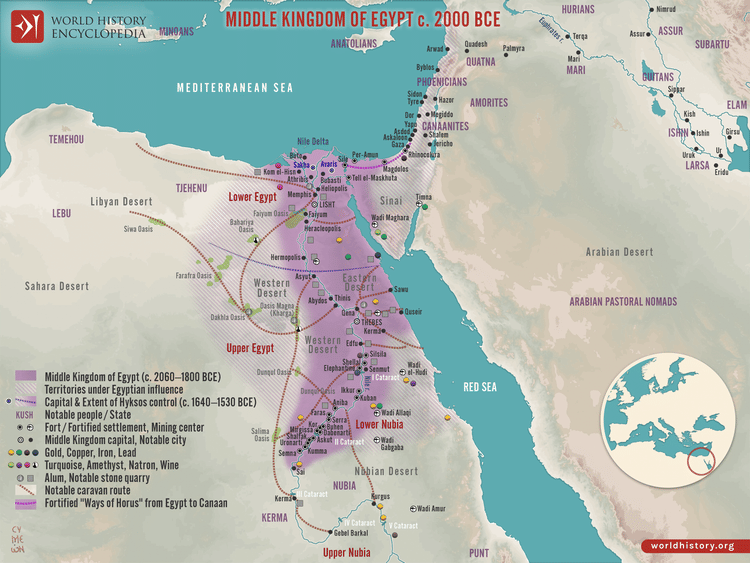
The story of the Hyksos cannot be understood without first appreciating the state of Egypt in the centuries leading up to their rise. The Middle Kingdom (2040-1782 BCE), particularly the 12th Dynasty, is often celebrated as a golden age of Egyptian culture, marked by strong, centralized rule and artistic brilliance. King Amenemhat I (1991-1962 BCE), the founder of the 12th Dynasty, strategically moved the capital from Thebes to Iti-tawi, a central location designed to unify Upper and Lower Egypt. Crucially, he also established Hutwaret (later known by its Greek name, Avaris) in the eastern Nile Delta as a vital port for international trade. This location offered unparalleled access to the Mediterranean Sea and overland routes connecting Egypt with Canaan and the broader Near East.
Avaris quickly flourished, attracting a diverse population of traders, merchants, and artisans from across the Levant. These "Asiatics," as the Egyptians referred to them, were initially welcomed, their mercantile activities enriching the Egyptian economy. However, the strength of the Middle Kingdom began to wane with the advent of the 13th Dynasty. A series of less effective rulers made critical strategic errors, most notably relocating the capital back to Thebes in Upper Egypt. This decision effectively left Lower Egypt, and particularly the bustling Delta region, increasingly autonomous and susceptible to external influence.
As the central authority weakened, the population of West Semitic-speaking peoples in Avaris continued to grow, their commercial success translating into increasing political leverage. They did not arrive as an invading army but rather established a strong power base through economic dominance, forging treaties and contracts with local nomarchs (governors) in Lower Egypt. This gradual, peaceful expansion allowed them to exert political and, eventually, military control over a significant portion of the Delta. By circa 1782 BCE, this foreign community had effectively established its own ruling dynasty, the 15th Dynasty of Egypt, headquartered in Avaris, thus initiating the Second Intermediate Period. Their influence, however, was primarily confined to Lower Egypt, extending only as far south as Abydos, with many cities like Xois maintaining their autonomy and even establishing their own 14th Dynasty, trading with both the Hyksos and the Theban rulers to the south.
Supporting Data: Unmasking the Truth Behind the Propaganda
The prevailing narrative of the Hyksos as brutal invaders stems largely from the writings of New Kingdom scribes, filtered through the 3rd-century BCE Egyptian historian Manetho, whose work is known primarily through later writers like Flavius Josephus (37-100 CE). Manetho’s flawed interpretation of Heqau-khasut as "captive shepherds," further distorted by Josephus, became the foundation for the enduring misconception that the Hyksos were an enslaved Hebrew community whose expulsion mirrored the Exodus narrative. Modern scholarship, supported by archaeological findings, unequivocally refutes these claims. There is no evidence from Egyptian or other contemporary cultures to suggest the Hyksos were slaves or of Hebrew origin; they were West Semitic-speaking peoples, their precise ethnic origins remaining largely unknown.
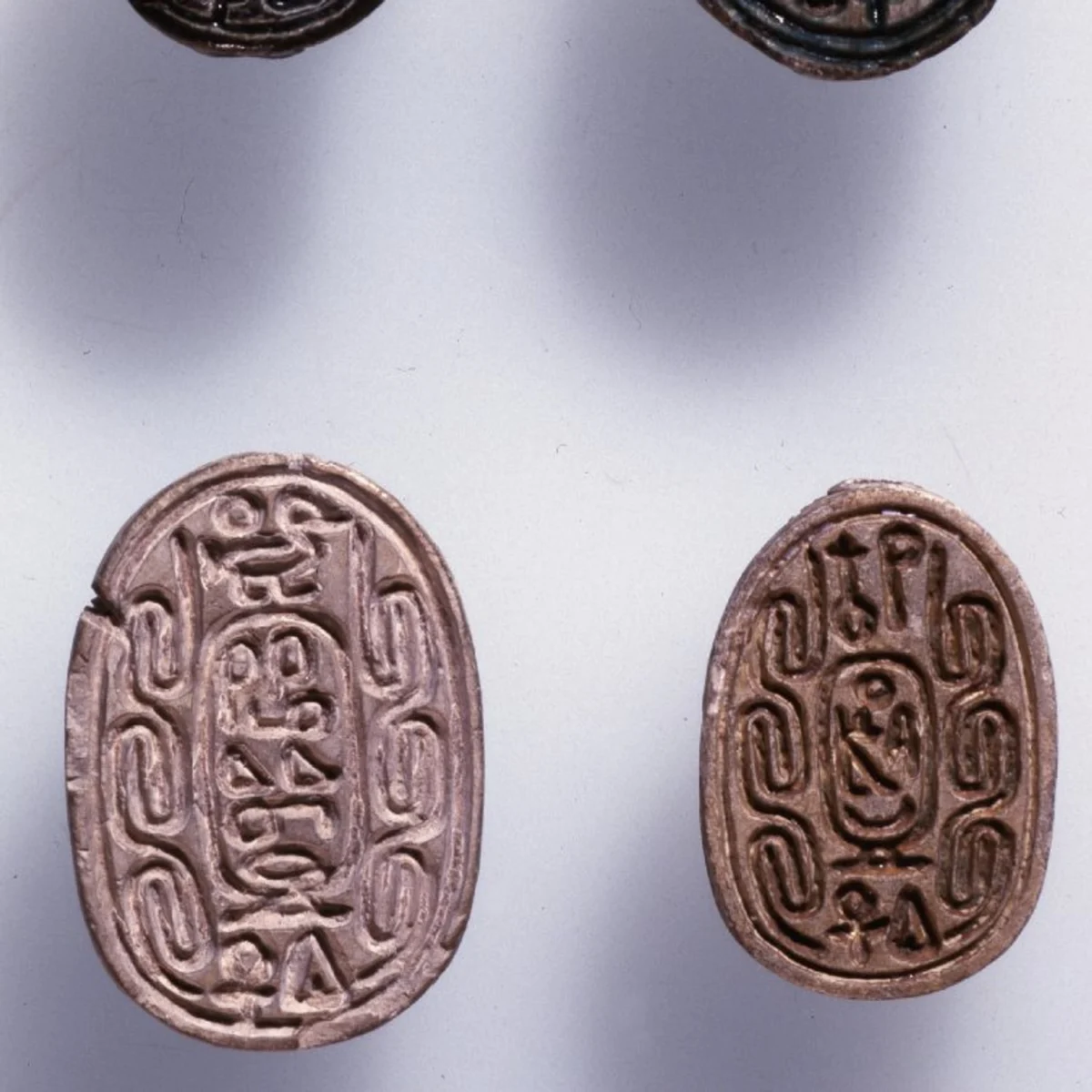
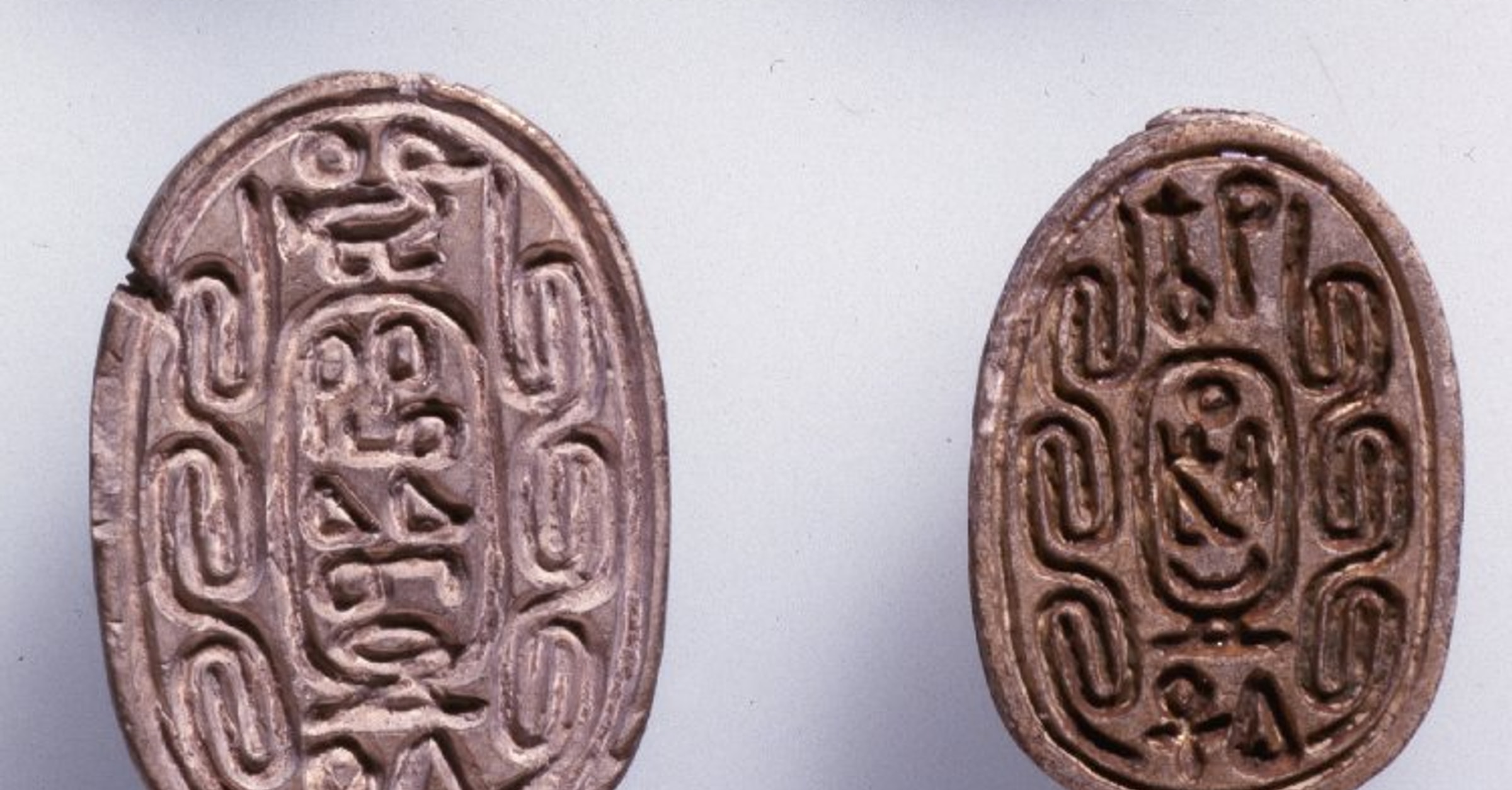
Archaeological excavations at Avaris (modern Tell el-Dab’a) have been instrumental in correcting the historical record. Far from depicting a city ravaged by war, the findings illustrate a thriving urban center that underwent a gradual transition of power. Homes, temples, and burials show a fascinating blend of Egyptian and Near Eastern styles, indicating a deep level of cultural assimilation rather than destruction. The Hyksos rulers adopted Egyptian pharaonic titles, hieroglyphic script, and much of the administrative structure. They dressed in Egyptian fashion and incorporated Egyptian deities into their religious practices, identifying their chief gods Baal and Anat with the Egyptian god Set. This syncretism demonstrates a deliberate effort to integrate into the existing cultural fabric, not to eradicate it.
Perhaps the most significant "supporting data" for understanding the Hyksos’ true impact lies in the innovations they introduced to Egypt. Prior to their arrival, Egyptian military technology had remained largely unchanged for centuries. The Hyksos, however, brought with them a suite of advancements that would revolutionize Egyptian warfare and, consequently, its geopolitical ambitions:
- The Horse-Drawn Chariot: A game-changer on the battlefield, the chariot provided speed, mobility, and a stable platform for archers. The Egyptians quickly adopted and mastered this technology, which became a hallmark of their New Kingdom armies and iconography.
- The Composite Bow: Superior to the traditional Egyptian longbow, the composite bow offered greater range, accuracy, and penetrating power, significantly enhancing the effectiveness of archers.
- Bronze Metallurgy: The Hyksos introduced advanced techniques for working with bronze, leading to the production of stronger weapons (bronze daggers, short swords) and tools.
- Vertical Loom: This innovation improved the quality and efficiency of textile production, leading to better linen.
- Agricultural Techniques: New methods of crop irrigation and the cultivation of new fruits and vegetables were also introduced, boosting agricultural productivity.
- Potter’s Wheel: An improved potter’s wheel led to higher-quality, more durable ceramics.
Beyond these tangible innovations, the Hyksos also played a crucial role in preserving knowledge. Under kings like Apepi, ancient Egyptian papyrus scrolls were meticulously copied and stored, ensuring the survival of texts that might otherwise have been lost. This act of cultural stewardship further undermines the narrative of a destructive, barbaric foreign rule.
Official Responses: The Theban Reawakening and Expulsion
For much of the Second Intermediate Period, a precarious balance of power existed. The Hyksos ruled Lower Egypt from Avaris, the Nubians controlled the south, and the native Egyptian 17th Dynasty maintained a reduced kingdom centered in Thebes. Despite later propaganda, trade between Kush, Thebes, and Avaris flourished, indicating a period of pragmatic coexistence, even if Thebes paid tribute to Avaris.
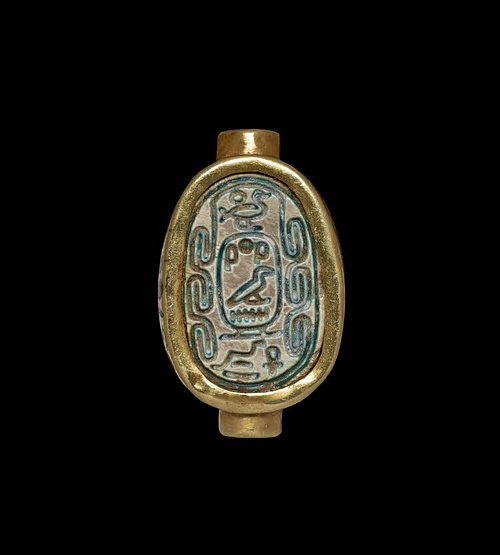
This delicate equilibrium began to unravel with a seemingly trivial incident involving the Hyksos king Apepi and the Theban king Seqenenra Taa (also known as Ta’O), around 1580 BCE. According to Manetho, Apepi sent a message to Ta’O demanding the removal of a hippopotamus pool in Thebes, claiming its noise disturbed his sleep. While the literal interpretation is unlikely, the message likely held deeper symbolic meaning, perhaps related to the Hyksos’ veneration of Set, a deity associated with the hippopotamus, and a challenge to Theban autonomy. Ta’O, interpreting this as a direct affront, launched a military campaign against Avaris. His mummy reveals severe head wounds, strongly suggesting he was killed in battle, indicating an initial Theban defeat.
The mantle of resistance fell to Ta’O’s son, Kamose. His inscriptions vividly express his frustration at being "sandwiched" between foreign rulers and forced to pay taxes to "the Asiatics." Kamose initiated a more aggressive campaign against the Hyksos, claiming to have devastated Avaris and inflicted a crushing defeat. However, his boasts appear to be exaggerated. Archaeological evidence and subsequent events suggest that while Kamose inflicted significant damage, he did not destroy Avaris or fully expel the Hyksos. His campaign was a vital step, but the final expulsion would fall to his successor.
That successor was Ahmose I, Kamose’s brother, who ascended the throne around 1570 BCE. Ahmose embarked on a relentless campaign that culminated in the definitive defeat of the Hyksos. His tomb inscriptions, corroborated by the accounts of a soldier named Ahmose son of Ibana, detail the destruction of Avaris and the flight of the surviving Hyksos to Sharuhen, a stronghold in Canaan. Ahmose pursued them, laying siege to Sharuhen for six years before the Hyksos fled further into Syria. What became of them after this final expulsion remains unrecorded, their traces largely erased from Egyptian historical memory by the triumphant New Kingdom pharaohs. Ahmose I’s victory not only ended the Second Intermediate Period but also ushered in the glorious era of the New Kingdom and the 18th Dynasty, fundamentally altering Egypt’s perception of itself and its place in the world.
Implications: The Birth of an Empire
The expulsion of the Hyksos by Ahmose I had profound and lasting implications for Egypt, fundamentally reshaping its political, military, and cultural landscape. It was not merely the end of a period of foreign rule, but the catalyst for the creation of the Egyptian Empire.
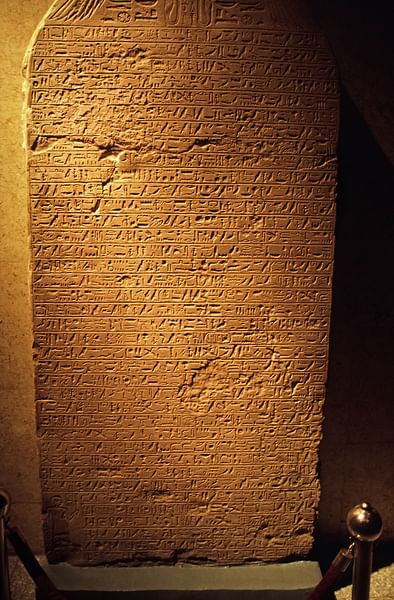
Driven by the traumatic experience of foreign dominance, the New Kingdom pharaohs adopted an entirely new foreign policy. Their primary objective became to prevent any recurrence of such an event. This led to the establishment of vast "buffer zones" around Egypt’s borders, pushing Egyptian influence deep into Nubia to the south and the Levant to the north. This defensive strategy quickly evolved into an aggressive imperialistic agenda, with pharaohs like Thutmose III and Ramesses II leading extensive military campaigns to conquer and control vast territories, creating an empire that stretched from modern-day Sudan to Syria.
To justify these wars of conquest and consolidate national identity, New Kingdom scribes actively constructed a revised history of the Hyksos. They were transformed from assimilated rulers and traders into bloodthirsty, temple-destroying barbarians who had brutally invaded the "land of the gods." This propaganda served a dual purpose: it demonized the foreign "other" and legitimized the pharaohs’ expansionist policies as a necessary measure to protect Egypt from future "tragedies." Egyptian nationalism reached an unprecedented peak during this period, fueled by a collective memory, however distorted, of foreign occupation.
Crucially, the very instruments of this new imperial power were direct legacies of the Hyksos. Without the composite bow and, most significantly, the horse-drawn chariot, the Egyptian army would have lacked the tactical advantages necessary for widespread conquest. The pharaohs, once content with an insular existence, now commanded a professional army equipped with superior weaponry and tactics, capable of projecting power far beyond the Nile Valley. This technological transfer was not limited to warfare; the agricultural and industrial innovations introduced by the Hyksos contributed to Egypt’s overall prosperity and capacity to sustain a large empire.
In conclusion, the Hyksos, often remembered as a disruptive force, were in fact accidental architects of Egypt’s imperial destiny. Their peaceful integration, gradual rise to power, and eventual expulsion forced Egypt to confront its vulnerabilities and adapt. The innovations they brought—from military hardware to agricultural techniques—empowered the Egyptians to defend their borders with unprecedented strength and, ultimately, to forge an empire that would define its most celebrated era. The story of the Hyksos is a powerful testament to the complex, often contradictory, nature of historical narratives and the profound, unforeseen consequences of cultural exchange.