
HBO Unveils Ambitious Dungeons & Dragons Series: Craig Mazin to Helm Post-Baldur’s Gate 3 Narrative
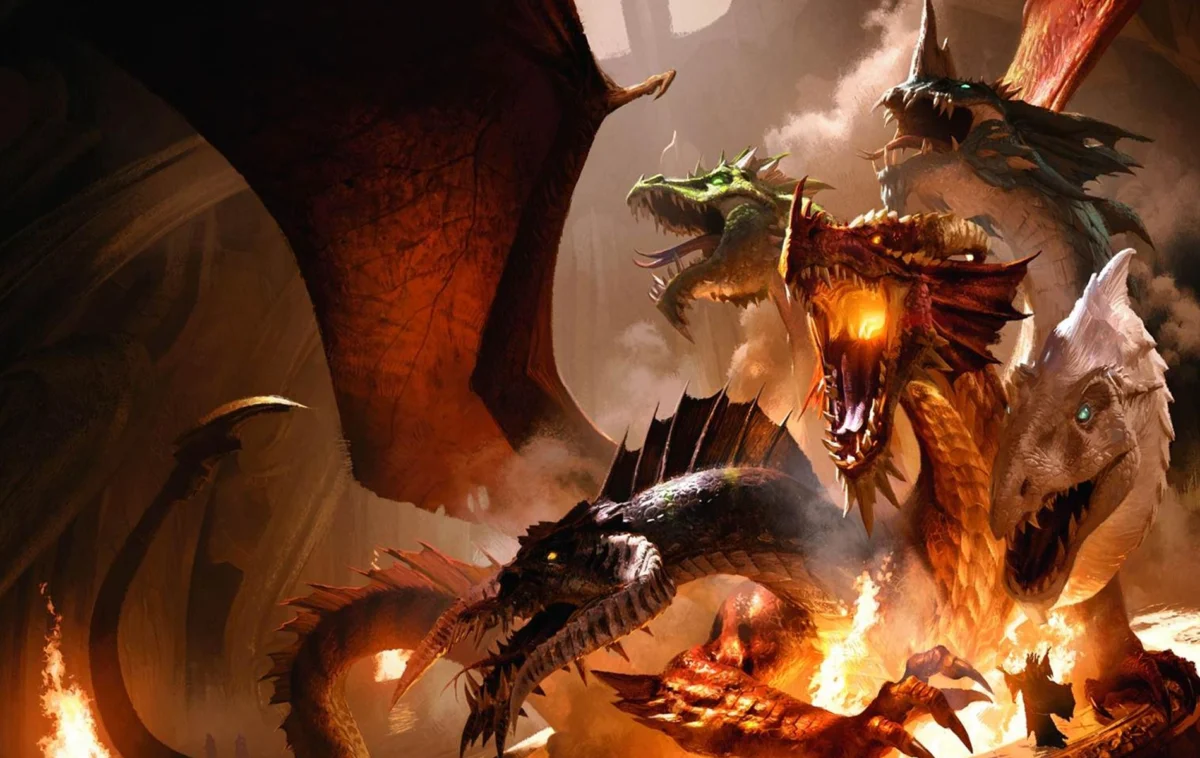
Los Angeles, CA – [Date] – In a development poised to electrify both the sprawling legions of Dungeons & Dragons enthusiasts and the broader landscape of premium fantasy television, Emmy-winning showrunner Craig Mazin has been tapped to lead the creation of a new Dungeons & Dragons television series for HBO. Known for his critically acclaimed work on HBO’s The Last of Us and Chernobyl, Mazin will guide an ambitious project that aims to adapt and significantly expand upon the beloved Baldur’s Gate video game universe, picking up the narrative thread immediately following the climactic events of the wildly successful Baldur’s Gate 3.
This announcement marks a significant commitment from HBO and Hasbro Entertainment, promising a high-budget, sophisticated entry into the fantasy genre. Unlike some of Mazin’s previous adaptations, which closely mirrored their source material, this Dungeons & Dragons series is designed to grant the showrunner considerable creative latitude. Set within the iconic and infinitely rich Forgotten Realms, the series will be deeply rooted in the lore, characters, and narrative established by Baldur’s Gate 3. However, it is expected to weave a tapestry of familiar elements with entirely original storylines, delving deeper into the intricate political machinations, character backstories, and the enduring mysteries that define one of fantasy’s most enduring settings.
The series is not merely a retelling but a bold continuation, a fresh chapter designed to enthrall both the millions who have journeyed through the Sword Coast in Baldur’s Gate 3 and those new to the epic sagas of Faerûn. With Mazin’s proven track record for crafting compelling, character-driven narratives within expansive worlds, expectations are soaring for a series that could redefine what a video game adaptation can achieve on the small screen.
A New Era for Fantasy: Main Facts of the Announcement
The core of this groundbreaking announcement revolves around several key elements that underscore its potential impact:
- Showrunner Pedigree: Craig Mazin, a name synonymous with prestige television, takes the helm. His work on Chernobyl showcased his ability to craft tense, historically resonant drama, while The Last of Us proved his prowess in adapting complex, emotional video game narratives to critical and commercial acclaim. His involvement alone signals a commitment to quality that has set the entertainment industry abuzz.
- Iconic Franchise Adaptation: The series draws from Dungeons & Dragons, the foundational tabletop role-playing game that has inspired generations of fantasy stories. Specifically, it leverages the incredibly successful Baldur’s Gate video game series, with a direct narrative link to the recent phenomenon, Baldur’s Gate 3.
- Strategic Narrative Continuation: Rather than a direct, beat-for-beat adaptation of Baldur’s Gate 3, the show will explore events after the game’s conclusion. This innovative approach allows for respect of player choices within the game’s branching narratives while simultaneously opening up vast new storytelling possibilities. It’s a creative solution to the inherent challenges of adapting a game where player agency is paramount.
- Setting in the Forgotten Realms: The series will be firmly situated in the Forgotten Realms, one of the most popular and detailed campaign settings in Dungeons & Dragons lore. This provides a deep well of existing mythology, geographical locations, and established factions for the show to draw upon, ensuring a rich, immersive backdrop for its unfolding drama.
- Partnership with Hasbro Entertainment: The collaboration with Hasbro Entertainment, which owns the Dungeons & Dragons brand through its subsidiary Wizards of the Coast, ensures authentic engagement with the source material and a unified vision for the franchise’s expansion across different media. This strategic alignment is crucial for maintaining fidelity to the brand while exploring new creative avenues.
- Creative Freedom for Mazin: Despite its roots in an established narrative, Mazin has been granted significant creative freedom to build and explore new storylines. This indicates a trust in his vision to not merely replicate but to enrich and expand the Baldur’s Gate universe for a television audience, blending familiar events with original arcs.
Chronology: The Path to Faerûn on HBO
The decision to bring Dungeons & Dragons, and specifically Baldur’s Gate, to HBO under Craig Mazin’s guidance is not an isolated event but rather the culmination of several converging trends and historical milestones in media.
D&D’s Journey Through Media
- Early Forays and Missteps (Early 2000s): Dungeons & Dragons has had a somewhat tumultuous history in live-action. The 2000 feature film, while an earnest attempt, failed to capture the imagination of critics or audiences, becoming a cautionary tale for adapting beloved IP without a clear creative vision. Similarly, earlier animated series, while fondly remembered by a niche audience, didn’t achieve mainstream breakout success.
- The Tabletop Resurgence (2010s-Present): The last decade has seen an unprecedented resurgence in the popularity of tabletop RPGs, particularly Dungeons & Dragons. Driven by popular actual-play podcasts and web series (like Critical Role), celebrity engagement, and a growing appreciation for collaborative storytelling, D&D shed its niche reputation and entered the mainstream consciousness. This paved the way for more serious, high-quality adaptations.
- "Honor Among Thieves" and Renewed Hope (2023): The recent theatrical release of Dungeons & Dragons: Honor Among Thieves in 2023 proved that a well-executed D&D adaptation could indeed succeed. The film garnered critical acclaim for its witty script, engaging characters, and respectful yet humorous take on the D&D universe, demonstrating the franchise’s cinematic potential.
- The Video Game Adaptation Boom (2020s): Simultaneously, the entertainment industry has entered a "golden age" of video game adaptations. Netflix’s Arcane (based on League of Legends), CD Projekt Red’s Cyberpunk: Edgerunners, and Amazon’s Fallout have all demonstrated that with the right creative team and budget, video game narratives can translate into incredibly compelling television. Crucially, Craig Mazin’s own The Last of Us on HBO shattered previous perceptions, proving that a faithful, emotionally resonant adaptation could achieve both critical adoration and massive viewership. Its success undoubtedly emboldened HBO to pursue another high-profile game adaptation.
- The Phenomenon of Baldur’s Gate 3 (2023): The release of Baldur’s Gate 3 in August 2023 was a watershed moment. Developed by Larian Studios, the game was an immediate, unqualified critical and commercial triumph. It swept "Game of the Year" awards, garnered millions of players, and captivated audiences with its unparalleled narrative depth, intricate character relationships, and remarkable player agency. Its success unequivocally demonstrated the immense storytelling potential inherent in the Baldur’s Gate universe and, by extension, the broader D&D canon.
- Mazin’s Personal Connection: Mazin himself is a long-time, avid player of Dungeons & Dragons and reportedly completed Baldur’s Gate 3 on its most challenging setting. This personal passion and deep understanding of the source material position him uniquely to helm such a project, reassuring fans that the series will be guided by someone who genuinely cherishes the world and its mechanics.
The confluence of these factors – a thriving D&D brand, proven success in game adaptations, and the monumental impact of Baldur’s Gate 3 – created the perfect storm for HBO to greenlight this ambitious series with a respected, passionate showrunner at the helm.
Supporting Data: Deconstructing the Pillars of the Project
To fully appreciate the scope and ambition of this Dungeons & Dragons series, it’s essential to examine the key elements that underpin its development: the success of Baldur’s Gate 3, the vastness of the Forgotten Realms, Craig Mazin’s unique approach, and the strategic involvement of Hasbro Entertainment.
The Unprecedented Success of Baldur’s Gate 3
Baldur’s Gate 3 was not just a successful game; it was a cultural phenomenon that redefined expectations for the RPG genre. Its impact provides the rich narrative bedrock for HBO’s series:
- Critical Acclaim and Awards: The game received near-universal perfect scores from critics, lauded for its intricate plot, compelling characters, tactical combat, and unparalleled player choice. It dominated the 2023 awards season, winning numerous "Game of the Year" accolades, including the prestigious Game Awards’ top prize.
- Commercial Triumph: Beyond critical praise, Baldur’s Gate 3 sold millions of copies within weeks of its launch, far exceeding industry expectations for a CRPG. Its robust sales figures proved a massive, eager audience exists for deep, narrative-driven fantasy experiences.
- Narrative Depth and Character Complexity: The game’s story is a sprawling epic, featuring a diverse cast of companions, each with rich backstories, moral ambiguities, and personal quests. The overarching plot involves ancient evils, powerful deities, political conspiracies, and deeply personal struggles, offering a wealth of material for television adaptation. The relationships between characters, often driven by player choices, are a highlight, providing fertile ground for character-driven drama.
- Player Agency and Consequences: A hallmark of Baldur’s Gate 3 is the sheer breadth of player choices and their far-reaching consequences, leading to multiple endings and countless permutations in the narrative. This is precisely why a "post-game" approach for the TV series is so ingenious, allowing the show to build upon a known world without negating players’ individual experiences.
The Boundless Canvas of the Forgotten Realms
The Forgotten Realms is arguably the most popular and extensively documented campaign setting in Dungeons & Dragons. Its choice as the series’ backdrop is strategically sound:
- Vast Lore and History: From the Sword Coast to the Underdark, the Realms boast millennia of detailed history, thousands of named locations, hundreds of factions, and countless iconic characters and creatures. This deep well of lore provides an inexhaustible resource for world-building, ensuring authenticity and depth for the series.
- Familiarity and Accessibility: Many D&D players and fantasy readers are already familiar with the Forgotten Realms through novels, previous games, and tabletop campaigns. This built-in recognition can help onboard viewers and immediately immerse them in a known, beloved world.
- Political Intrigue and Diverse Cultures: The Realms are a tapestry of diverse kingdoms, city-states, and wildernesses, each with its own cultures, laws, and political ambitions. This allows for complex geopolitical narratives, moral dilemmas, and opportunities for diverse character representation. Baldur’s Gate itself is a massive, corrupt, and vibrant city, a perfect hub for dramatic storytelling.
Craig Mazin’s Vision and Approach
Mazin’s leadership is perhaps the most critical component of this project. His past work and stated philosophy offer insights into his likely approach:
- Respect for Source Material, with Creative Liberty: While The Last of Us was remarkably faithful to its game, Mazin has indicated a different strategy for Dungeons & Dragons. His willingness to diverge and create new narratives post-Baldur’s Gate 3 demonstrates confidence in his storytelling ability while still honoring the spirit and established lore of the original. This allows for the strengths of television – serialized storytelling, character development over multiple seasons – to shine without being constrained by existing game mechanics or specific player choices.
- Character-Driven Storytelling: Mazin excels at crafting deeply human stories within extraordinary circumstances. His work on Chernobyl highlighted the personal toll of a global catastrophe, and The Last of Us was praised for its intimate portrayal of Joel and Ellie’s relationship amidst an apocalypse. This focus on character bodes well for a Baldur’s Gate adaptation, a universe brimming with complex, morally ambiguous figures.
- Balancing Accessibility and Depth: A key challenge for any adaptation of a niche (albeit increasingly popular) IP is making it accessible to newcomers without alienating long-time fans. Mazin’s track record suggests he can strike this balance, crafting narratives that reward deep engagement with lore while remaining understandable and emotionally resonant for a broader audience.
- Personal Passion as a Driving Force: His confession of completing Baldur’s Gate 3 on its hardest setting is more than just a fun fact; it’s a testament to his genuine passion. This authentic connection to the material is invaluable, ensuring that decisions are made not just for commercial viability but also out of a deep respect for the source and its fans.
Hasbro Entertainment’s Strategic Alignment
The partnership with Hasbro Entertainment is crucial for the series’ authenticity and long-term success:
- Brand Stewardship: As the owners of the Dungeons & Dragons brand, Hasbro (through Wizards of the Coast) plays a vital role in guiding the franchise’s transmedia strategy. Their direct involvement ensures that the HBO series aligns with the broader vision for D&D, from tabletop releases to video games and other media.
- Unified Universe: This collaboration suggests a deliberate effort to build a cohesive D&D cinematic and television universe, similar to what Marvel or Star Wars have achieved. By positioning the series as a continuation, it reinforces the idea of a living, breathing world that extends beyond the player’s screen.
- Investment in Premium Content: Hasbro’s decision to partner with HBO, known for its high production values and creative freedom, indicates a significant investment in elevating the D&D brand to a premium storytelling platform. This commitment bodes well for the series’ budget, talent, and overall quality.
Official Responses: Mazin’s Dream and HBO’s Vision
While extensive official statements beyond the initial announcement are typically reserved for later stages of production, the initial framing of the project and Craig Mazin’s personal sentiments offer a clear insight into the underlying enthusiasm and creative philosophy.
Mazin, a self-proclaimed lifelong fan of Dungeons & Dragons and an ardent admirer of Baldur’s Gate 3, has openly described this opportunity as a "dream come true." This isn’t mere public relations platitude; it reflects a genuine, deeply personal connection to the material. His enthusiasm is a powerful indicator of the passion that will fuel the series’ development. He has emphasized his desire to "honor the original source material" – a crucial assurance for a fanbase that often approaches adaptations with a mixture of excitement and trepidation – while simultaneously crafting "something that works for television." This dual mandate is key: a reverence for the lore combined with the understanding that the medium dictates certain narrative and structural choices.
From HBO’s perspective, while specific executive quotes are not detailed in the provided information, the very nature of this greenlight speaks volumes. HBO has consistently positioned itself as a purveyor of prestige television, unafraid to invest heavily in complex, adult-oriented narratives, particularly within the fantasy and genre spaces (e.g., Game of Thrones, House of the Dragon, The Last of Us). The decision to entrust a property as significant as Dungeons & Dragons to a showrunner of Mazin’s caliber, and to embrace a "continuation" model for a highly successful video game, signals a deep confidence in the project’s potential. It underscores HBO’s strategy to continue dominating the premium fantasy landscape by offering sophisticated, high-quality adaptations of beloved intellectual properties. The unspoken message from HBO is clear: this is not just another fantasy show; it’s a tentpole project designed to capture a global audience and further cement their reputation for delivering groundbreaking television.
The partnership with Hasbro Entertainment further solidifies this shared vision. While no direct quotes from Hasbro or Wizards of the Coast are available in the initial briefing, their involvement positions the series as a strategic expansion of the D&D universe. It represents a commitment to transmedia storytelling, ensuring that the brand’s presence across different platforms is cohesive, high-quality, and mutually reinforcing. The collective "official response," therefore, is one of immense excitement, strategic alignment, and a shared belief in the power of the Dungeons & Dragons and Baldur’s Gate narratives to captivate a new generation of viewers.
Implications: A New Dawn for D&D and Fantasy Television
The announcement of Craig Mazin leading an HBO Dungeons & Dragons series, picking up after Baldur’s Gate 3, carries profound implications for multiple facets of the entertainment industry and for fans worldwide.
For Dungeons & Dragons Fans and the Gaming Community:
- Validation and Excitement: For decades, D&D was often relegated to niche status. This high-profile adaptation, particularly after the success of Honor Among Thieves and Baldur’s Gate 3, solidifies its position in mainstream entertainment. It’s a validation for millions of players that their beloved hobby is being taken seriously by top-tier creators.
- Expanded Universe: The "continuation" model is a stroke of genius, alleviating concerns about directly adapting a game with branching paths. It allows for new stories with familiar characters or new heroes navigating a post-BG3 Faerûn, enriching the lore without invalidating player experiences. This approach could set a precedent for future video game adaptations.
- New Player Influx: A successful HBO series has the potential to introduce Dungeons & Dragons to an entirely new, massive audience. Just as Game of Thrones spurred interest in fantasy novels, this series could drive millions to try the tabletop game or explore the Baldur’s Gate video games, further expanding the franchise’s reach.
- High Expectations: With Mazin’s reputation and HBO’s budget, expectations will be astronomically high. Fans will be scrutinizing every detail, from casting to visual effects, demanding a show that lives up to the intricate world and beloved characters of Baldur’s Gate 3.
For the Video Game Adaptation Landscape:
- Further Legitimation: The Last of Us proved that video game adaptations could be prestige television. This D&D series, especially with its post-game narrative, pushes the boundaries further. It demonstrates that the industry is moving beyond direct retellings, embracing more creative and expansive approaches to adaptation.
- Focus on RPGs: The success of Baldur’s Gate 3 and this subsequent adaptation highlights the rich narrative potential within role-playing games. This could lead to a wave of interest in adapting other beloved CRPGs or tabletop RPGs, recognizing their inherent storytelling strengths.
- Creative Freedom as a Model: Mazin’s mandate for creative freedom within the established universe might become a new gold standard for game adaptations, allowing showrunners to honor the spirit of the source material while crafting narratives optimized for television.
For the Fantasy Television Genre:
- HBO’s Continued Dominance: With House of the Dragon and now this D&D series, HBO is clearly doubling down on its investment in high-quality, epic fantasy. This reinforces its position as a leading platform for the genre, potentially setting new benchmarks for production value and narrative complexity.
- Evolving Storytelling: The series’ promise to blend familiar events with original arcs suggests a nuanced approach to world-building and character development, moving beyond simplistic good-versus-evil narratives to explore deeper political intrigue and moral ambiguities characteristic of modern fantasy.
- Competition and Innovation: The success of such a high-profile series will inevitably spur other networks and streamers to invest further in fantasy, fostering a competitive environment that could lead to even more innovative and ambitious projects within the genre.
For Cross-Media Storytelling:
- Synergy and Franchise Building: This project is a prime example of effective cross-media synergy. The success of the video game fuels interest in the TV show, which in turn could reignite interest in the tabletop game, novels, and future video game installments. It’s a powerful feedback loop for franchise building.
- Blurring Lines: The project further blurs the lines between different forms of media, demonstrating that compelling narratives can originate anywhere and translate effectively across platforms, enriching the overall cultural landscape.
In conclusion, the announcement of Craig Mazin’s Dungeons & Dragons series for HBO, building upon the foundations of Baldur’s Gate 3, is far more than just another show. It represents a pivotal moment for the Dungeons & Dragons franchise, a testament to the power of video game storytelling, and a bold new chapter in the ongoing evolution of fantasy television. With a seasoned visionary at the helm and a universe overflowing with potential, the stage is set for an epic adventure that could captivate audiences for years to come.



Leave a Comment