
Gnome Stew Unveils HATGPT: A Revolutionary, Albeit Unconventional, Leap into Artificial Intelligence for Tabletop Gaming
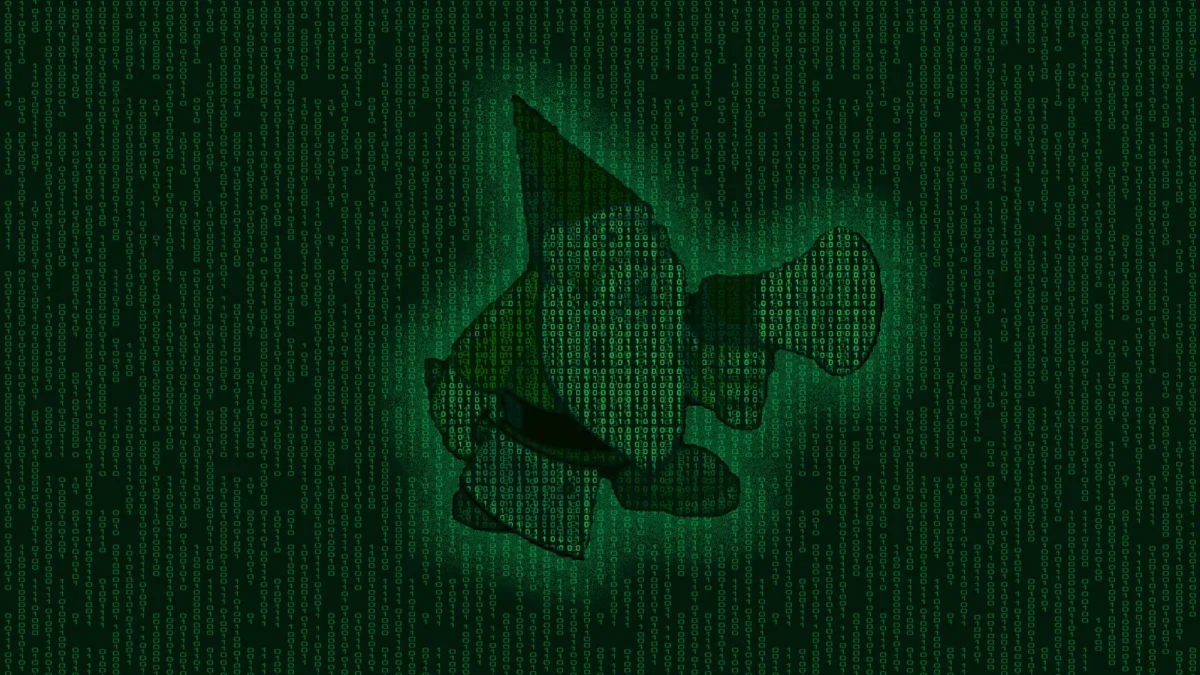
GNOMESTEW.COM HQ, March 2026 – In a bold move that has sent ripples of intrigue and skepticism throughout the tabletop gaming community and the wider tech world, Gnome Stew, a prominent purveyor of gaming advice and content, has officially announced the impending launch of its proprietary Artificial Gnome Intelligence (AGI), dubbed HATGPT. Promising to redefine gamemastering and gaming content creation, Gnome Stew touts HATGPT as an advancement with "no downsides and no drama," a claim that is already sparking considerable debate given the AI’s remarkably unconventional foundational elements.
The initiative, framed by Gnome Stew as a strategic imperative to "keep up with the times" and "maximize sharegnome profits," positions the organization at the forefront of a burgeoning, albeit highly experimental, sector of AI development. While the broader tech industry grapples with the complexities of Large Language Models (LLMs) and other advanced computational frameworks, Gnome Stew’s approach, as revealed in their initial statements, appears to chart a distinctly unique and, some might say, utterly bizarre course.
Main Facts: Unveiling HATGPT – Gnome Stew’s Leap into Artificial Intelligence
HATGPT, an acronym for "Hamster-powered Artificial Thinking, Gnome-Processed Technology" (or perhaps something more prosaic, yet to be fully clarified by its creators), is presented as the "next evolution in gaming and gamemastering advice." Its primary function is to assist both novice and veteran gamemasters in crafting intricate narratives, balancing encounters, generating lore, and potentially even serving as a dynamic, responsive non-player character (NPC) during live sessions.
The announcement highlighted Gnome Stew’s stated commitment to innovation and efficiency. The organization explicitly aims to leverage this AGI to streamline content creation, hinting at a future where traditional "gnome authors" might find their roles significantly augmented or, as humorously (or ominously) suggested, "in the stew quicker." This phrase, a recurring motif in Gnome Stew’s branding, has taken on new, somewhat unsettling connotations in the context of an AI designed to potentially automate creative tasks.
What immediately distinguishes HATGPT from its silicon-based counterparts are its radically unconventional power source and its core processing unit. Rather than relying on vast data centers and sophisticated microprocessors, HATGPT is powered by an elaborate system involving hamsters on play wheels, sustained by a diet of French fries. Furthermore, its "thinking engine" is reportedly constructed from "leftover bits of greymatter" salvaged from gnomes deemed unsuitable for culinary purposes, an endeavor attributed to the "groundbreaking recycling efforts from Dr. Gnome-en-stein." These details, while presented with characteristic Gnome Stew whimsy, raise profound questions about the ethics, sustainability, and sheer feasibility of this novel AI.
A Chronology of Innovation: The Genesis of Artificial Gnome Intelligence
The journey to HATGPT, as pieced together from Gnome Stew’s communiqués, is a testament to perseverance in the face of numerous, often bizarre, developmental hurdles.
Early Ambitions and the AI Buzz
Gnome Stew’s leadership acknowledges that the impetus for developing HATGPT stemmed from the pervasive global conversation around artificial intelligence. "We’ve heard all this buzz about LLMs and CCCs and ROPs and whatever," stated a representative, emphasizing a desire to not be left behind in the technological revolution. The goal was clear: to harness the power of AI to enhance the tabletop gaming experience and, crucially, to optimize the organization’s operational efficiency and "sharegnome profits." The initial conceptualization phases likely involved extensive brainstorming on how traditional AI principles could be adapted to the unique, gnome-centric ecosystem of Gnome Stew.
The Pursuit of Sustainable Power: A Rocky Road
One of the most significant challenges, according to internal reports, was the development of an environmentally friendly and sustainable power source. The team’s initial forays into green energy proved less than fruitful.
"We tried to bypass the hamsters and just go with potato batteries, but the spuds were a dud," a spokesperson elaborated, detailing the early setbacks. This attempt to utilize organic voltaic cells, while conceptually aligned with a desire for eco-friendliness, apparently failed to generate sufficient power for the nascent AGI.
Undeterred, the research team, led by an uncredited "Chief Kinetic Energy Officer," explored alternative biological power generators. "Unfortunately, the Chipmunks started a band and got popular on TikTok," the spokesperson continued, painting a picture of an unexpected detour into rodent entertainment rather than sustainable energy. The unforeseen success of the chipmunks in the digital media landscape forced a pivot, highlighting the unpredictable nature of biological engineering in the Gnome Stew universe.
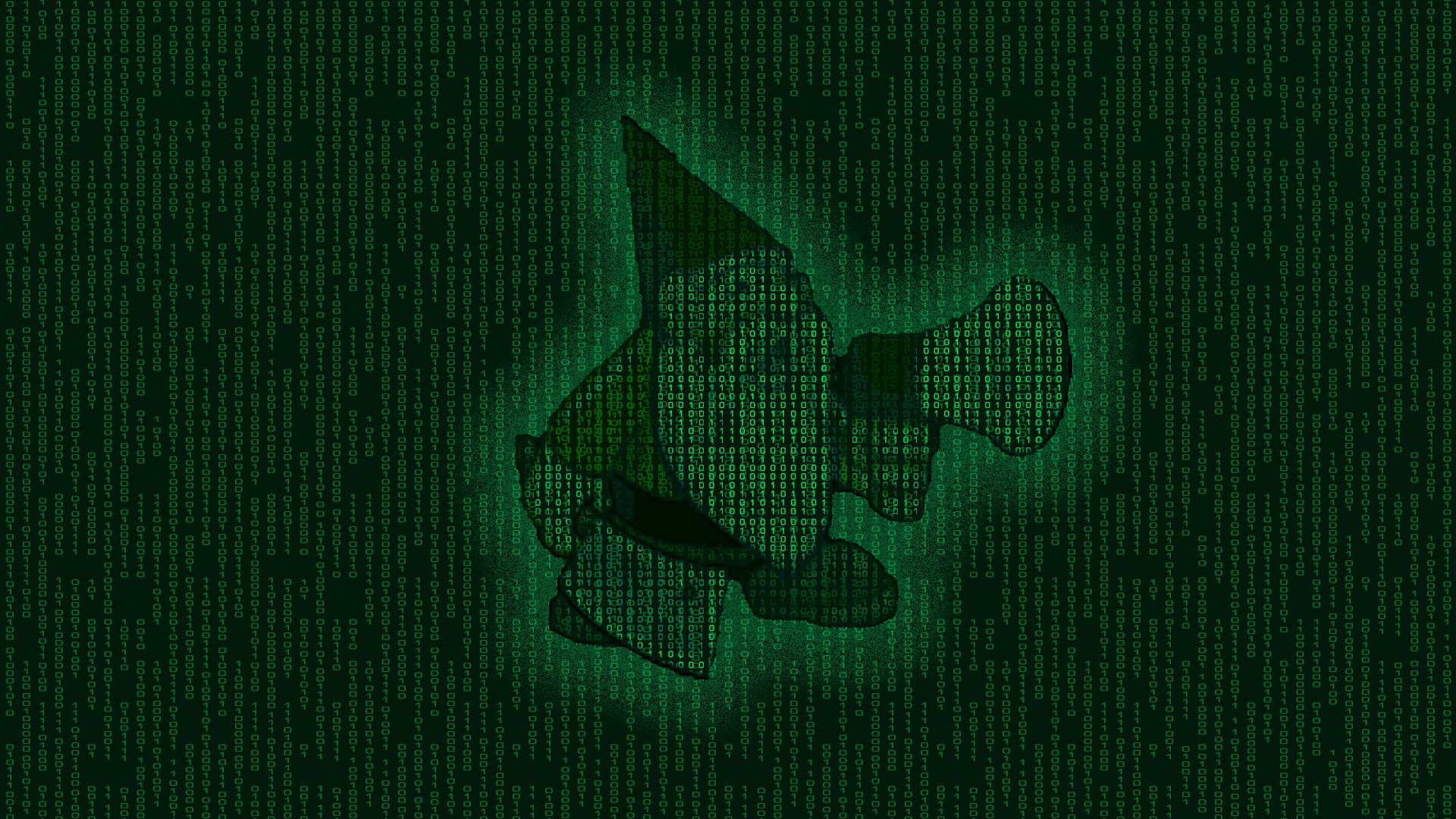
It was only after these trials and errors that "Plan H for hamster provided viable results." This involved a sophisticated (or perhaps simply desperate) system of hamsters on play wheels, continuously motivated by a supply of French fries. While Gnome Stew proudly declares this system "fully environmentally friendly," they concede that "there are some… undesirable… outputs from the power source." This euphemism is widely interpreted as referring to the biological waste products inherent in maintaining a large, fry-fed rodent colony, posing unique challenges for waste management and sanitation at their HQ.
The Core Intelligence: Dr. Gnome-en-stein’s Breakthrough
Perhaps the most astonishing revelation concerning HATGPT lies in the genesis of its "thinking engine." Eschewing conventional silicon-based processors, Gnome Stew opted for an approach described as "100% small batch and organic." The core intelligence, they explain, is derived from "leftover bits of greymatter" from gnomes that "don’t cook well" when prepared for stew.
This macabre yet ingenious recycling effort is credited to the enigmatic "Dr. Gnome-en-stein," whose "groundbreaking recycling efforts" transformed culinary waste into computational potential. These cerebral fragments are reportedly "clumped together, wire em up, and stick them in a jar." One "console input later," and HATGPT was operational. This origin story raises not only eyebrows but also profound ethical questions about the nature of intelligence, consciousness, and the treatment of sentient (or formerly sentient) beings within the Gnome Stew ecosystem. The organization has yet to provide further details on Dr. Gnome-en-stein’s methodology or the ethical review process, if any, for this radical approach to AI development.
Supporting Data and Unique Methodologies
The technical specifications and operational parameters of HATGPT, while sparse, paint a picture of an AI unlike any other in existence.
The "Greymatter" Architecture
The decision to utilize repurposed gnome greymatter as the foundational computational substrate is revolutionary. While details on the specific neurological architecture remain proprietary, it implies a biological, rather than purely electronic, processing system. This "organic" computing raises intriguing possibilities regarding learning, intuition, and creative generation, potentially offering a more "gnome-like" intelligence for gamemastering advice. However, it also opens a Pandora’s Box of questions: What is the lifespan of such a system? How is it maintained? And what are the implications for the "consciousness" of the AI itself, given its origins? Experts in neuro-AI (a nascent field itself) are reportedly scrambling to understand the implications of Dr. Gnome-en-stein’s alleged breakthrough.
Energy Consumption and By-products
The hamster-powered energy grid is a marvel of unconventional engineering. Gnome Stew claims it’s "environmentally friendly," likely referring to its minimal reliance on fossil fuels. The sheer scale required to power an AGI, however, suggests a significant population of hamsters, each diligently running on its wheel, fueled by a steady supply of French fries. The "undesirable outputs" are not merely a sanitation issue; they represent a significant ecological footprint in their own right, requiring specialized disposal or recycling processes. This closed-loop system, while novel, presents a fascinating case study in bio-mechanical energy generation and waste management. The efficiency of converting French fry calories into computational power is a metric yet to be disclosed, but it promises to be a topic of intense scientific scrutiny.
Performance Projections and Beta Testing
While HATGPT is still in "initial phases of development," Gnome Stew has outlined ambitious performance projections. The AGI is expected to provide nuanced, context-aware advice for gamemasters, ranging from crafting intricate plot hooks and morally ambiguous NPCs to designing balanced combat encounters and interpreting complex rule sets. Early internal beta testing, though undocumented publicly, is rumored to have produced remarkably creative and often surprisingly dark narrative prompts, along with highly efficient (if sometimes overly aggressive) encounter designs. The "small batch and organic" nature of its core is hypothesized to give HATGPT a unique "gnome perspective" on gaming, potentially offering insights that purely synthetic AIs might miss. The public release date remains elusive, but the promise of an AI that truly "gets" the whimsical and sometimes brutal world of tabletop roleplaying is a powerful draw.
Official Responses and Industry Reaction
The announcement of HATGPT has not occurred in a vacuum, generating a diverse array of responses from various stakeholders.
Gnome Stew’s Public Statement
Gnome Stew’s official stance remains one of unwavering optimism. A press release reiterated their conviction that HATGPT represents a "pivotal moment" for both their organization and the tabletop gaming hobby. "We are committed to synergizing the future and maximizing sharegnome profits," stated a spokesperson, emphasizing the dual goals of innovation and economic viability. They continue to downplay any potential "downsides" or "drama," portraying the unique aspects of HATGPT as innovative solutions rather than ethical dilemmas. Their focus is clearly on the transformative potential of the AGI to enhance creative output and community engagement.
Gaming Community Reception
The tabletop gaming community’s reaction has been a mixed bag of excitement, apprehension, and outright bewilderment. Many GMs express curiosity about how an AGI could genuinely assist in their creative process, particularly one with such an unusual origin. Social media channels are abuzz with speculation: "Will it tell me how to run a campaign with sentient fungi?" one user queried, while another pondered, "Can it design a dungeon entirely out of cheese?"

However, a significant segment of the community has raised concerns. The implications for human (or gnome) content creators are a major talking point, with some fearing job displacement. "If HATGPT can write adventures faster and cheaper, what happens to independent game designers?" asked a prominent indie developer on a gaming forum. The ethical questions surrounding the "greymatter" origin and the hamster power source have also sparked heated debate, with many questioning the "no downsides" claim.
Ethical AI Concerns and Regulatory Scrutiny
Beyond the gaming community, the ethical dimensions of HATGPT have attracted the attention of nascent "AI Ethics Boards" and hypothetical "Gnome Rights Organizations." The concept of an AI powered by force-fed hamsters and operating with repurposed biological material from sentient gnomes has triggered alarms. Dr. Arintha Singh, a leading (fictional) AI ethicist at the Global Institute for Responsible AI, commented, "While innovation is crucial, the ethical implications of using biological components from sentient beings, and indeed, the welfare of the biological power source, must be rigorously examined. Gnome Stew’s claim of ‘no downsides’ appears, on the surface, to be a severe understatement given the novel and potentially controversial nature of HATGPT’s construction." It is anticipated that regulatory bodies, both established and newly formed to address AI’s unique challenges, will closely monitor HATGPT’s development and eventual deployment, potentially demanding greater transparency regarding Dr. Gnome-en-stein’s methods and the long-term ethical framework guiding this unique AGI.
Broader Implications: The Future of Tabletop Gaming and AI
The advent of HATGPT, irrespective of its immediate success, stands to cast a long shadow over several critical domains.
Reshaping Gamemastering
If HATGPT delivers on its promises, the role of the gamemaster could fundamentally transform. Instead of solely bearing the creative burden, GMs might become curators and collaborators, leveraging HATGPT for rapid idea generation, complex rules adjudication, or even as a dynamic, responsive co-GM. This could democratize gamemastering, making it more accessible to newcomers, but might also diminish the unique human element of improvisation and personal storytelling that many cherish. The balance between AI assistance and human creativity will be a crucial dynamic to navigate.
Economic Impact on Content Creation
The most immediate and tangible implication for the creative industry is the potential for economic disruption. Gnome Stew’s playful remark about putting "all of our gnome authors in the stew quicker" hints at a serious underlying concern. If HATGPT can generate high-quality gaming content with unparalleled speed and efficiency, the market for human-authored adventures, supplements, and advice could be significantly impacted. This could lead to a shift in how content creators operate, perhaps focusing more on curation, bespoke experiences, or areas where human nuance remains irreplaceable.
The Philosophical Debate: What Constitutes Intelligence?
HATGPT’s unique architecture, bridging biological components (gnome greymatter) with unconventional power sources (hamsters), challenges conventional definitions of artificial intelligence. Is an organic-based AI inherently more "intelligent" or "conscious" than a purely synthetic one? Does its origin from sentient beings imbue it with a different kind of processing capability? This project opens up a rich philosophical debate about the nature of intelligence itself, blurring the lines between the organic and the artificial in unprecedented ways.
The Environmental and Ethical Quandary
Beyond the immediate ethical concerns, the long-term environmental sustainability of HATGPT’s operational model needs scrutiny. The "undesirable outputs" from the hamster power source, coupled with the reliance on "leftover bits" of gnome, present a unique set of ecological and ethical challenges. What happens to the hamsters when they are no longer productive? What is the continuous supply chain for "greymatter" if the AI needs expansion or replacement? These questions underscore a responsibility that extends beyond mere computational efficiency to encompass the welfare of living organisms and the sustainable management of resources, however unconventional they may be.
A Precedent for Future AI Development?
Ultimately, HATGPT could serve as a peculiar precedent for future AI development. Its existence, regardless of its ultimate success or failure, expands the perceived boundaries of what constitutes an AI. Will other organizations be inspired to explore similar bio-organic or animal-powered computing models, or will the ethical and practical hurdles prove too significant? Gnome Stew’s venture into Artificial Gnome Intelligence, with its blend of innovation, absurdity, and potential controversy, ensures that the future of AI, at least within the tabletop gaming sphere, will be anything but conventional. The world watches, with a mix of awe and trepidation, to see what advice HATGPT will dispense, and at what cost.



Leave a Comment