
Dungeons & Dragons Unveils "Questers": A New Gateway to Adventure for Young Explorers
FOR IMMEDIATE RELEASE
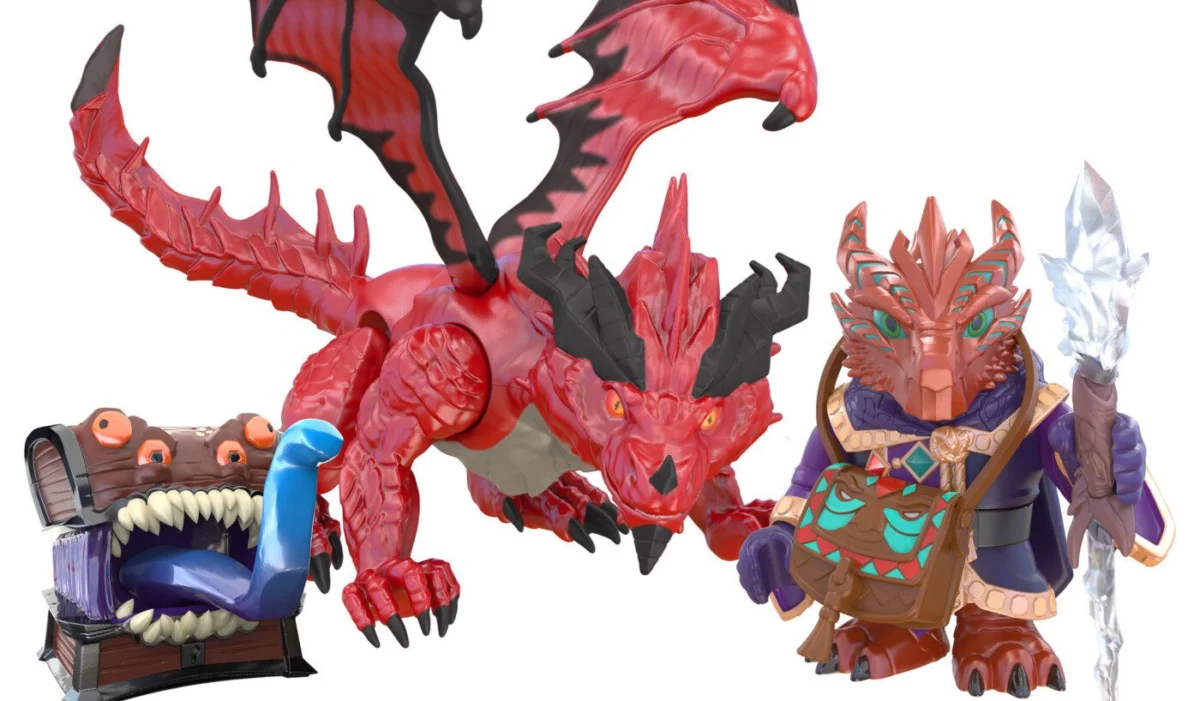
SAN FRANCISCO, CA – [Current Date] – In a significant strategic move aimed at nurturing the next generation of fantasy enthusiasts, Hasbro and its renowned tabletop division, Wizards of the Coast, have announced a landmark collaboration with leading toy manufacturer Basic Fun!. Together, they are set to introduce Dungeons & Dragons Questers – an innovative collectible action figure line meticulously designed to captivate the imaginations of young fans and aspiring adventurers aged 5 to 8. This ambitious initiative, with its first wave of figures slated to storm major toy retailers worldwide in July 2026, represents a pivotal expansion of the iconic D&D brand, opening its fantastical realms to a demographic previously less directly targeted by its core offerings.
This bold foray into the pre-tween toy market underscores a deliberate effort to cultivate early engagement with the rich storytelling and imaginative play central to the Dungeons & Dragons experience. By translating the complex mechanics and vast lore of the venerable role-playing game into an accessible, tactile, and highly interactive toy line, Questers aims to establish D&D as a foundational element in childhood play, much like other enduring fantasy franchises. The partnership with Basic Fun!, known for its expertise in crafting engaging and collectible toys, signals a serious commitment to quality and playability, ensuring that D&D Questers will not only introduce children to a beloved universe but also foster a lifelong appreciation for imaginative exploration and collaborative storytelling.
The Grand Unveiling: D&D Questers Take Center Stage
The announcement of D&D Questers marks a pivotal moment for the Dungeons & Dragons franchise, signaling a concerted effort to broaden its appeal beyond its traditional core audience of teenagers and adults. The product line is positioned as a foundational entry point, crafted specifically for children aged 5 to 8 years old, a demographic ripe for imaginative play and burgeoning interest in fantasy narratives. The essence of the D&D experience – exploration, character building, and epic encounters – has been distilled into a format that is intuitive and deeply engaging for this younger age group.
At its core, D&D Questers is a collectible action figure line that promises to ignite creativity from the moment children unbox their first figure. The initial wave, set to launch globally in July 2026, will introduce a vibrant cast of characters, creatures, and monsters, all designed with an unmistakable aesthetic that blends the classic iconography of D&D with a kid-friendly, playful sensibility. This global rollout signifies Hasbro and Wizards of the Coast’s intent to make D&D a truly international phenomenon across all age brackets, leveraging Basic Fun!’s extensive distribution networks to reach toy aisles from North America to Asia, Europe, and beyond. The strategic timing of the launch, well in advance of major holiday shopping seasons, allows for sustained marketing efforts and builds anticipation for what promises to be a significant new player in the children’s toy market. This initiative is not merely about selling toys; it’s about investing in the future of the D&D brand by fostering a new generation of fans who will grow up with the magic of its worlds.
A New Generation of Adventurers: Diving into Questers’ Design Philosophy
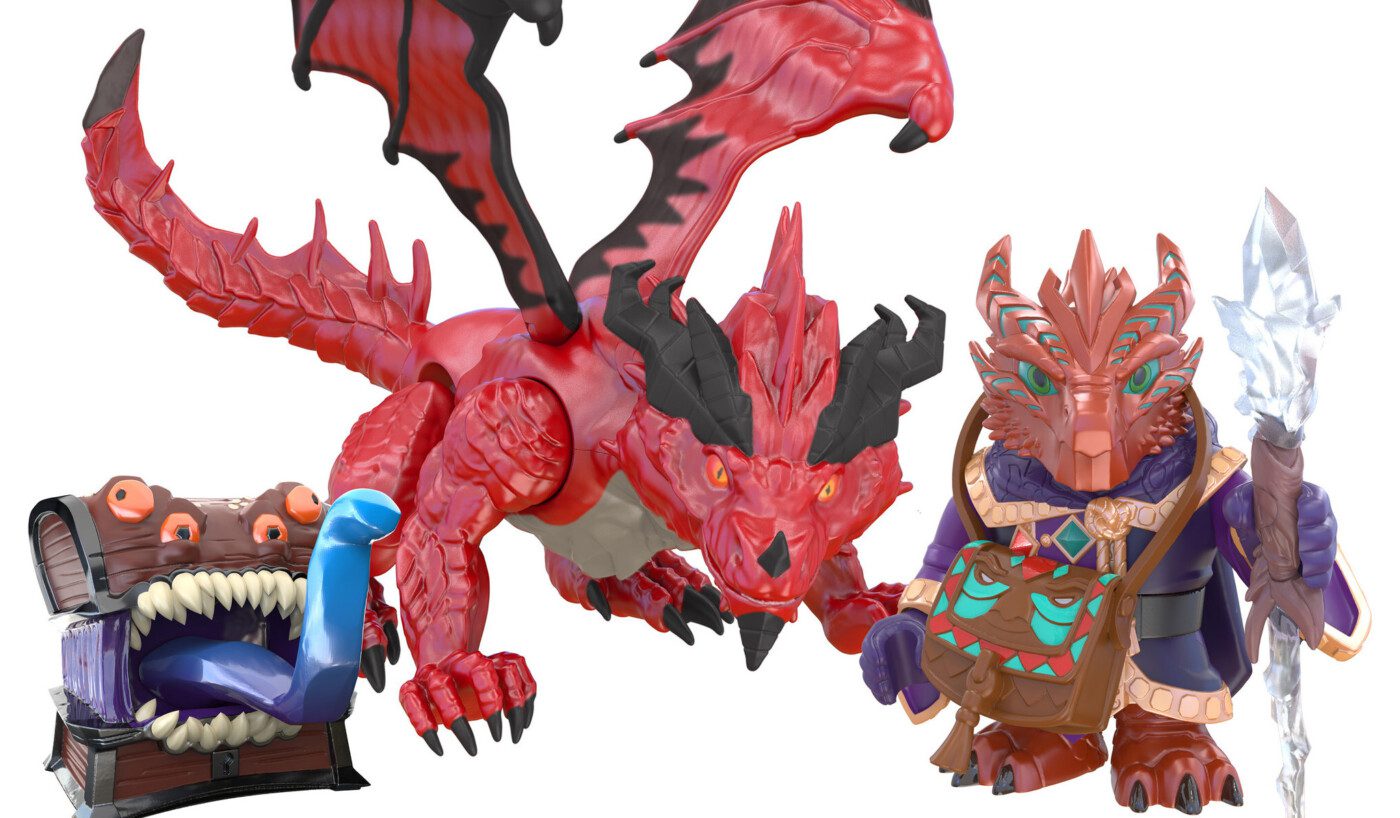
The design philosophy behind D&D Questers is a masterful blend of accessibility and the core tenets of tabletop role-playing. Recognizing the unique developmental stage of children aged 5 to 8, the line translates complex fantasy concepts into tangible, interactive play patterns. The collection is segmented into three distinct scales, each designed to offer varied play experiences and encourage comprehensive collecting: Creatures, Adventurers, and Monsters. This structured approach allows children to build a diverse roster of characters and adversaries, mirroring the varied encounters found in a traditional D&D campaign.
A central element of the Questers experience is its commitment to the blind-pack mystery format, a hugely popular trend in the children’s collectible market. Both the Adventurers and Creatures will primarily be distributed in these mystery packs, creating an exciting unboxing experience and fostering the thrill of discovery with each purchase. This method not only encourages repeat engagement and collection completion but also introduces an element of delightful surprise, much like rolling a die to determine a random encounter in D&D. Each blind-pack Adventurer and Creature will also notably include a D20 die and a story starter, miniature catalysts for imagination that directly connect the physical toy to the narrative heart of D&D. The D20, an iconic symbol of the game, serves as a tangible link to the concept of chance and decision-making, while the story starter provides a simple prompt – perhaps a quest hook or a character dilemma – designed to spark immediate imaginative play.
Beyond the thrill of discovery, Questers places a strong emphasis on buildability and customization. Every figure is engineered with interchangeable parts, allowing young players to effortlessly mix and match heads, torsos, limbs, weapons, and accessories across their collection. This modular design empowers children to create their own unique fantasy combinations, fostering a sense of ownership and personalization that resonates deeply with the character creation aspect of D&D. Want to give a heroic knight the wings of a dragon, or equip a mischievous goblin with a wizard’s staff? Questers makes it possible, encouraging endless experimentation and imaginative world-building.
The line further expands with larger-scale Monsters, some of which also feature interchangeable parts and formidable weapons, allowing children to customize their epic encounters. These larger figures provide imposing adversaries for their Adventurers, enriching the play scenarios. To truly round out the adventuring experience, Questers will also offer a range of Playsets. These environmental backdrops, such as a dragon’s lair, a mysterious dungeon chamber, or a fortified castle wall, provide immersive settings for imaginative narratives, allowing children to stage their battles and quests. These playsets are designed to be expandable, encouraging collectors to build out their fantasy worlds piece by piece. Furthermore, Basic Fun! and Wizards of the Coast have confirmed that multiple waves of figures are expected to roll out after the initial launch, ensuring a continuous stream of new characters, creatures, and adventures to keep the Questers universe fresh and exciting for years to come. This ongoing release schedule is crucial for maintaining collector interest and sustaining the narrative potential of the line, much like new campaign settings or monster manuals do for the core D&D game.
Bridging Worlds: Connecting Generations Through Play
The introduction of D&D Questers is more than just a product launch; it’s a generational bridge, a carefully considered initiative designed to connect long-time Dungeons & Dragons fans with their children in a shared world of wonder. According to official statements from both Hasbro and Basic Fun!, the line’s primary objective is to provide an accessible and engaging entry point for younger players, while simultaneously offering parents and guardians a novel way to transmit the rich lore, imaginative spirit, and core values of D&D that they cherish. This approach leverages the powerful emotional connection adults have with the brand, transforming it into a tool for intergenerational bonding and play.
Dan Westcott, Senior Vice President of Global Brand Marketing at Basic Fun!, articulated this vision clearly, emphasizing the importance of approachability for a modern youth audience. "Questers invites kids into the world of D&D in a way that feels approachable, creative and fun for today’s young adventurers," Westcott stated. His words highlight the delicate balance the team sought to achieve: retaining the essence of D&D‘s epic fantasy while stripping away any complexity that might deter a 5-year-old. The emphasis here is on immediate fun and creative freedom, ensuring that the magic of D&D is felt without the need for extensive rulebooks or intricate character sheets.
The franchise creative team at Wizards of the Coast echoed this sentiment, underscoring the collaboration’s role in expanding the brand’s reach without compromising its foundational fantasy roots. This strategic move aligns with a broader trend observed across the entertainment industry, where beloved intellectual properties are being adapted for diverse age groups to ensure their longevity and cultural relevance. By creating Questers, D&D is following in the footsteps of franchises like Star Wars or Marvel, which have successfully cultivated multi-generational fanbases through varied media, from films and video games to, crucially, toys and collectibles.
The product line’s focus on imagination-led play, personalization, and storytelling is deeply resonant with contemporary educational philosophies that champion play as a critical component of cognitive and social development. In a world increasingly dominated by digital screens, Questers offers a tangible, physical play experience that encourages children to create narratives, solve imaginative problems, and engage in constructive world-building. The inclusion of the D20 die and story starters directly facilitates this, prompting children to invent their own scenarios, determine outcomes, and embody different roles. This blend of physical interaction with narrative engagement taps into the core appeal of D&D itself, which has always been about collaborative storytelling. For parents who grew up with graph paper and dice, Questers offers a simplified, visual, and highly interactive mechanism to share that same spark of adventure with their children, potentially fostering a lifelong love for fantasy and role-playing that transcends individual toys. It’s a strategic investment in the brand’s future, ensuring that the spirit of D&D continues to inspire new generations of dreamers and storytellers.
The Strategic Rollout: A Timeline for Adventure
The launch of Dungeons & Dragons Questers in July 2026 is the culmination of extensive planning and strategic foresight from Hasbro, Wizards of the Coast, and Basic Fun!. This date positions the product line perfectly to build momentum leading into the crucial back-to-school and holiday shopping seasons, ensuring maximum visibility and sales potential. The decision for a simultaneous global rollout underscores the companies’ ambition for Questers to be a universally recognized and beloved children’s brand, leveraging the existing worldwide recognition of Dungeons & Dragons. This unified approach simplifies marketing efforts and creates a global buzz, allowing children from diverse cultures to embark on their D&D journeys together.
The initial wave of figures will serve as the foundation, introducing key characters, creatures, and the core play mechanics. However, the long-term strategy for Questers extends far beyond this inaugural release. The companies have explicitly stated that multiple waves of figures are expected to roll out after the initial launch. This continuous stream of new content is vital for maintaining consumer interest and expanding the Questers universe. Each subsequent wave will likely introduce new Adventurer archetypes, more exotic Creatures, formidable Monsters, and perhaps even additional Playsets, providing collectors with fresh incentives to continue their quest for discovery. This staggered release schedule not only ensures longevity for the brand but also allows for agile responses to market feedback, enabling the creators to adapt and evolve the line based on what resonates most with young fans.
Furthermore, this launch is not occurring in isolation. It is part of a broader, multi-faceted strategy by Hasbro to expand the D&D franchise across various media and product categories. Following the success of the Dungeons & Dragons: Honor Among Thieves film and the ongoing development of new video games and digital experiences, Questers represents a critical pillar in building a comprehensive D&D ecosystem. By targeting the youngest demographic, Hasbro is creating an entry point at the very beginning of a consumer’s toy-buying journey, aiming to cultivate brand loyalty that can mature alongside the child, potentially leading them to the core tabletop game, video games, or other merchandise as they grow older. The meticulous planning behind the Questers rollout reflects a deep understanding of the toy market and a strong belief in the enduring power of the Dungeons & Dragons brand to capture imaginations across all ages.
Implications for the Future of D&D and Youth Engagement
The advent of Dungeons & Dragons Questers carries significant implications for the future trajectory of the D&D brand and the broader landscape of youth engagement in fantasy play. For D&D itself, this move is a powerful statement about its ambition to transcend its niche origins and become a truly mainstream, multi-generational entertainment property. By deliberately targeting children aged 5-8, Wizards of the Coast and Hasbro are making a strategic investment in the brand’s long-term viability, ensuring a fresh influx of fans who will grow up with D&D as a familiar and cherished part of their childhood. This expansion could solidify D&D‘s position alongside other colossal fantasy franchises that have successfully navigated the complexities of appealing to diverse age demographics.
From a market perspective, Questers enters a competitive but lucrative segment of the toy industry, characterized by the popularity of collectible figures, blind-pack surprises, and customizable play. Its unique selling proposition lies in its direct lineage to Dungeons & Dragons, offering a brand recognition that many new toy lines lack. The blend of physical toys with narrative prompts (the D20 and story starters) also aligns with a growing trend towards experiential play that encourages imagination and storytelling over passive consumption. This innovative approach could set a new standard for how classic brands are adapted for younger audiences, emphasizing active participation and creative input from the child.
Beyond commercial success, the most profound implication lies in the potential for Questers to serve as a genuine gateway to the rich world of tabletop role-playing games. For many children, this will be their first exposure to concepts like character archetypes, fantastical creatures, dice rolls determining outcomes, and the joy of constructing a narrative. These foundational experiences – fostering creativity, problem-solving, imaginative thinking, and even early numerical literacy through the D20 – are invaluable developmental assets. While Questers is designed for solo imaginative play, it also lays the groundwork for collaborative storytelling, a core tenet of D&D. Parents who engage with their children’s Questers adventures may find themselves naturally introducing more complex D&D concepts as their children mature, transforming these collectible figures into the literal first step on a lifelong journey of tabletop role-playing.
The success of Questers could also influence future product development within the D&D ecosystem, potentially leading to more family-friendly versions of the core game, or even digital integrations that connect the physical toys to virtual adventures. It represents a proactive and visionary effort to democratize fantasy, making the thrilling, imaginative worlds of Dungeons & Dragons accessible to the very youngest of adventurers. As the first wave of Dungeons & Dragons Questers prepares for its global debut in July 2026, it stands poised not just to fill toy shelves, but to ignite a spark of adventure in countless young hearts, shaping the next generation of storytellers and dreamers who will, in time, pick up their own set of polyhedral dice and embark on truly epic quests.


Leave a Comment