
Molly Bounds Unveils "The Light That Loses, The Night That Wins" in Groundbreaking New York Debut
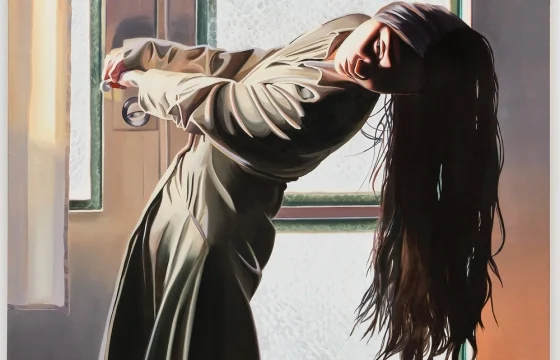
New York, NY – March 20, 2026 – Mrs. Gallery is proud to announce the opening of "The Light That Loses, The Night That Wins," the highly anticipated New York debut solo exhibition by acclaimed Los Angeles-based artist Molly Bounds. This significant presentation, held at the gallery’s 6040 56th Drive location, marks Bounds’ second engagement with Mrs. following her impactful presence at The Armory Show in September 2025. The exhibition will captivate audiences through May 2, 2026.
Opening precisely on the vernal equinox, a celestial moment of profound balance between day and night, Bounds masterfully positions light as the central protagonist in her new body of work. Across a series of evocative paintings, light emerges as a complex and multifaceted force. It is an agent of revelation and concealment, a painterly tool that sculpts form and imbues atmosphere, and a potent metaphor for the relentless march of time. Bounds’ signature style, characterized by its exploration of liminal states, is on full display. Her subjects are depicted in moments of quiet introspection and sudden, candid motion, suspended on the precipice of significant change, much like the natural world transitioning from the slumber of winter to the vibrant rebirth of spring.
A Deep Dive into Bounds’ Artistic Vision
Molly Bounds’ artistic practice is characterized by a profound engagement with the psychological landscapes of her subjects. In "The Light That Loses, The Night That Wins," she delves deeper into the nuances of solitude, introspection, and the subtle shifts that occur within these internal spaces. Her interior scenes are particularly arresting, featuring figures rendered with a palpable sense of repose, their bodies often depicted in slumped or draping postures that suggest a surrender to stillness. However, this tranquility is often a delicate veneer, slowly giving way to an undercurrent of unease.
These are not mere portraits; they are profound psychological explorations, capturing the ineffable essence that persists behind dormant states and weary gazes. Bounds possesses a rare ability to translate the quiet dramas of the mind onto canvas, revealing the complex inner lives of her figures. The paintings invite viewers to contemplate the unspoken narratives and the internal dialogues that shape our experience of being.
Examining Key Works: "The Armchair" and "Privacy Glass"
Two standout pieces, "The Armchair" and "Privacy Glass," exemplify Bounds’ masterful use of light and shadow to convey emotional complexity.
"The Armchair" presents a scene steeped in a warm, inviting glow emanating from a fireplace. The interior is rendered with a rich, textured quality, its plush furnishings contrasting sharply with the cool, early evening sky visible through the window. This juxtaposition of warmth and coolness, of interior comfort and external atmospheric transition, mirrors the psychological state of the solitary figure. The initial impression of peaceful contemplation gradually gives way to a palpable tension. The viewer senses a mind at work, perhaps scheming, planning, or deeply engrossed in thought. The unraveling seams of the upholstery become a subtle visual metaphor for this internal unrest, suggesting a breakdown of order or a growing disquiet. The woman’s vacant stare, captured in a way that feels both eternal and suspended, leaves the viewer questioning whether she is in a state of blissful detachment or grappling with something far more profound. It is a testament to Bounds’ skill that such ambiguity is conveyed with such visual clarity.
"Privacy Glass" offers another compelling study of seclusion and perception. Here, a figure is depicted in self-imposed isolation, dramatically rendered through a skillful interplay of warm and cool hues. The titular privacy glass acts as a fascinating compositional device. It diffuses light from the outside, creating an ethereal illumination that accentuates the subject’s draped clothing. Simultaneously, a distinct beam of light pierces the interior from the exterior, casting its own distinct impression. This layered illumination effectively obscures the figure’s face, transforming her into an enigma. The effect is reminiscent of the chiaroscuro mastery of Georges de La Tour, particularly his vanitas paintings. Like these historical works, Bounds utilizes light and shadow to convey the fleetingness of time and the inevitable presence of darkness, a recurring theme that resonates throughout her oeuvre. The painting prompts contemplation on the nature of seeing and being seen, and the deliberate choices we make to control our visibility to the world.
Moments of Escapism and the Triumph of Spring
While "The Light That Loses, The Night That Wins" delves deeply into the introspective and sometimes unsettling aspects of the human psyche, Bounds also offers moments of profound escapism and unbridled optimism.
In "It Sings in Me" and "Among of Green, Again," the artist shifts her focus to figures moving with liberation and joy amidst rolling green hills, bathed in the warmth of the sun. These landscapes possess a pastoral beauty, almost idyllic to the point of hyperreality. The question of whether these scenes are rooted in reality or are purely imagined becomes secondary to their emotional impact. For Bounds, the act of creating these vibrant, optimistic spaces is paramount. They represent the power of the human spirit to construct hope, to cultivate a belief in renewal, and to embrace the possibility of rebirth.
These sun-drenched landscapes stand in stark contrast to the pensive interiority explored in other works. They communicate a sense of urgency, a celebration of life, and the boundless potential of fantasy. In this powerful dichotomy, Bounds ultimately articulates a profound truth: after the pervasive darkness of winter, spring, with its promise of light and renewal, inevitably triumphs. This cyclical narrative of struggle and eventual victory is a core tenet of the exhibition’s title and its overarching message.
Chronology of Molly Bounds’ Artistic Journey
Molly Bounds’ artistic trajectory has been marked by a consistent evolution of her distinctive style and thematic concerns. Her early work often explored themes of adolescence, identity, and the often-unseen emotional landscapes of young women. As her career has progressed, her focus has broadened to encompass a more universal exploration of human experience, with a particular emphasis on the interplay between internal states and external environments.
Her inclusion in The Armory Show in September 2025 served as a crucial stepping stone, introducing her work to a wider international audience and solidifying her reputation as a significant contemporary artist. This exhibition at Mrs. Gallery represents a pivotal moment, her first major solo presentation in New York City, a global epicenter of the art world. The choice to open on the vernal equinox is not merely aesthetic; it is a deliberate and conceptually rich decision that underscores the exhibition’s core themes of transition, balance, and the cyclical nature of life. This calculated timing amplifies the resonance of her work, inviting viewers to connect with the exhibition on both an artistic and a symbolic level.
Supporting Data and Critical Reception
While specific sales figures and critical reviews for "The Light That Loses, The Night That Wins" are still emerging, preliminary observations from the opening reception suggest a highly engaged audience. Art patrons and critics alike have been drawn to the emotional depth and technical mastery displayed in Bounds’ paintings. Her ability to evoke complex psychological states through nuanced brushwork and masterful use of light has been a recurring point of praise.
The critical discourse surrounding Bounds’ work consistently highlights her unique ability to capture the "unseen" – the internal anxieties, desires, and contemplations that often go unspoken. Her figures, though often solitary, resonate with a universal human experience, prompting introspection and empathy in the viewer. The juxtaposition of stillness and implied movement, of quietude and underlying tension, is a hallmark of her style that has garnered significant critical attention. Her engagement with historical artistic traditions, such as the chiaroscuro of Georges de La Tour, is noted as a sophisticated layering of artistic dialogue, bringing contemporary relevance to timeless themes.
Official Responses and Gallery Statement
Mrs. Gallery has expressed immense enthusiasm for hosting Molly Bounds’ New York debut. A representative statement from the gallery read: "We are thrilled to present ‘The Light That Loses, The Night That Wins,’ a truly captivating exhibition that showcases Molly Bounds at the height of her artistic powers. Her ability to translate the intricacies of the human psyche into visually stunning and emotionally resonant paintings is extraordinary. This exhibition, opening on the vernal equinox, speaks to the universal cycles of change, introspection, and renewal. We are confident that New York audiences will be deeply moved by Molly’s profound artistic vision."
The gallery’s commitment to showcasing emerging and established talent makes this exhibition a significant event on the New York art calendar. Their strategic placement of the exhibition, following Bounds’ successful participation in The Armory Show, demonstrates a clear understanding of her growing prominence and a dedication to fostering her career.
Implications for Contemporary Art Discourse
"The Light That Loses, The Night That Wins" by Molly Bounds is more than just an exhibition; it is a significant contribution to the ongoing discourse in contemporary art. Bounds’ work challenges viewers to confront the complexities of the human condition, the interplay of light and shadow within our internal and external worlds, and the enduring power of hope and renewal.
In an era often characterized by rapid technological advancement and a constant barrage of external stimuli, Bounds’ introspective and psychologically charged paintings offer a much-needed space for contemplation. Her exploration of liminal moments and the subtle shifts in emotional states resonates deeply with a contemporary audience grappling with uncertainty and constant change. The exhibition’s success and the critical acclaim it garners will likely encourage further exploration of psychological depth and nuanced emotional portrayal in contemporary painting. Bounds’ ability to weave together personal introspection with universal themes of time, transition, and resilience positions her as a vital voice in the art world today, offering profound insights into what it means to be human in the 21st century.


Leave a Comment