
Apple’s Design Course Correction: Refining ‘Liquid Glass’ for macOS 27
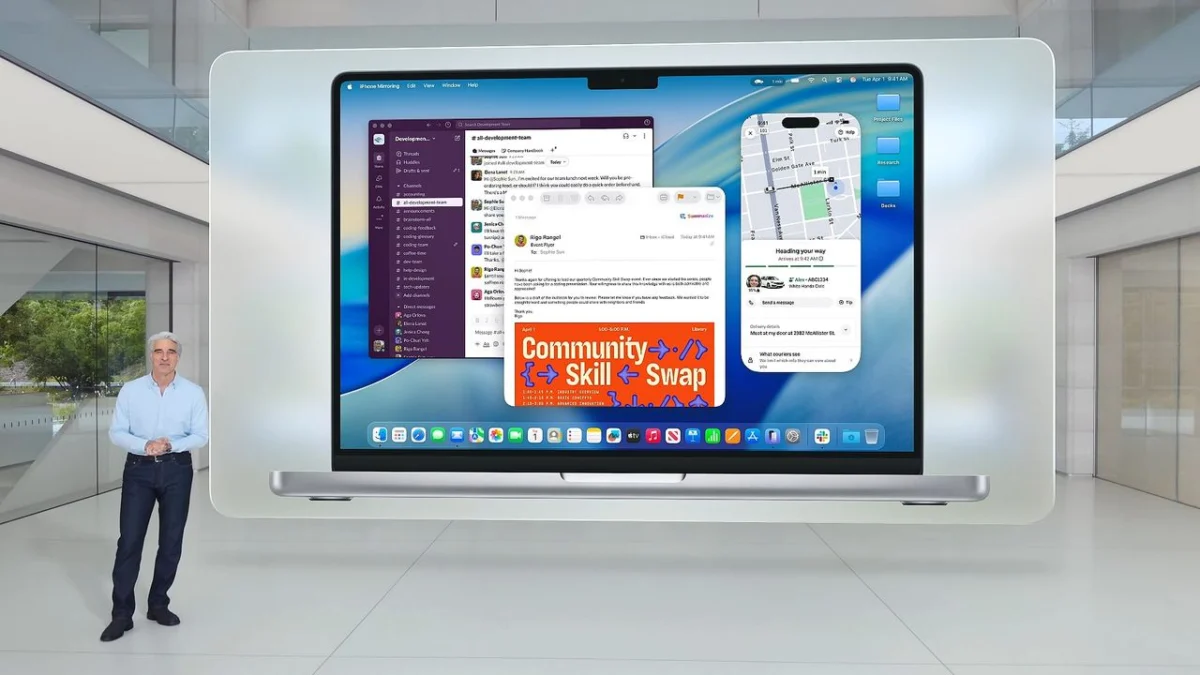
The tech industry is currently bracing for Apple’s Worldwide Developers Conference (WWDC) on June 8, where the Cupertino giant is expected to unveil the next generation of its software ecosystem. While the spotlight often shines on flashy new AI features, a more subtle but equally significant story is emerging from the halls of Apple Park: a tactical retreat—or rather, a strategic refinement—of the company’s controversial "Liquid Glass" design language.
According to recent reports, most notably from Bloomberg’s Mark Gurman, macOS 27 (codenamed "Tahoe") will feature a "slight redesign" aimed at fixing the legibility and usability issues that have plagued the operating system since the introduction of Liquid Glass in macOS 26. This move signals a rare admission from Apple that its pursuit of aesthetic translucency may have come at the expense of the user experience.
Main Facts: The Evolution of Liquid Glass
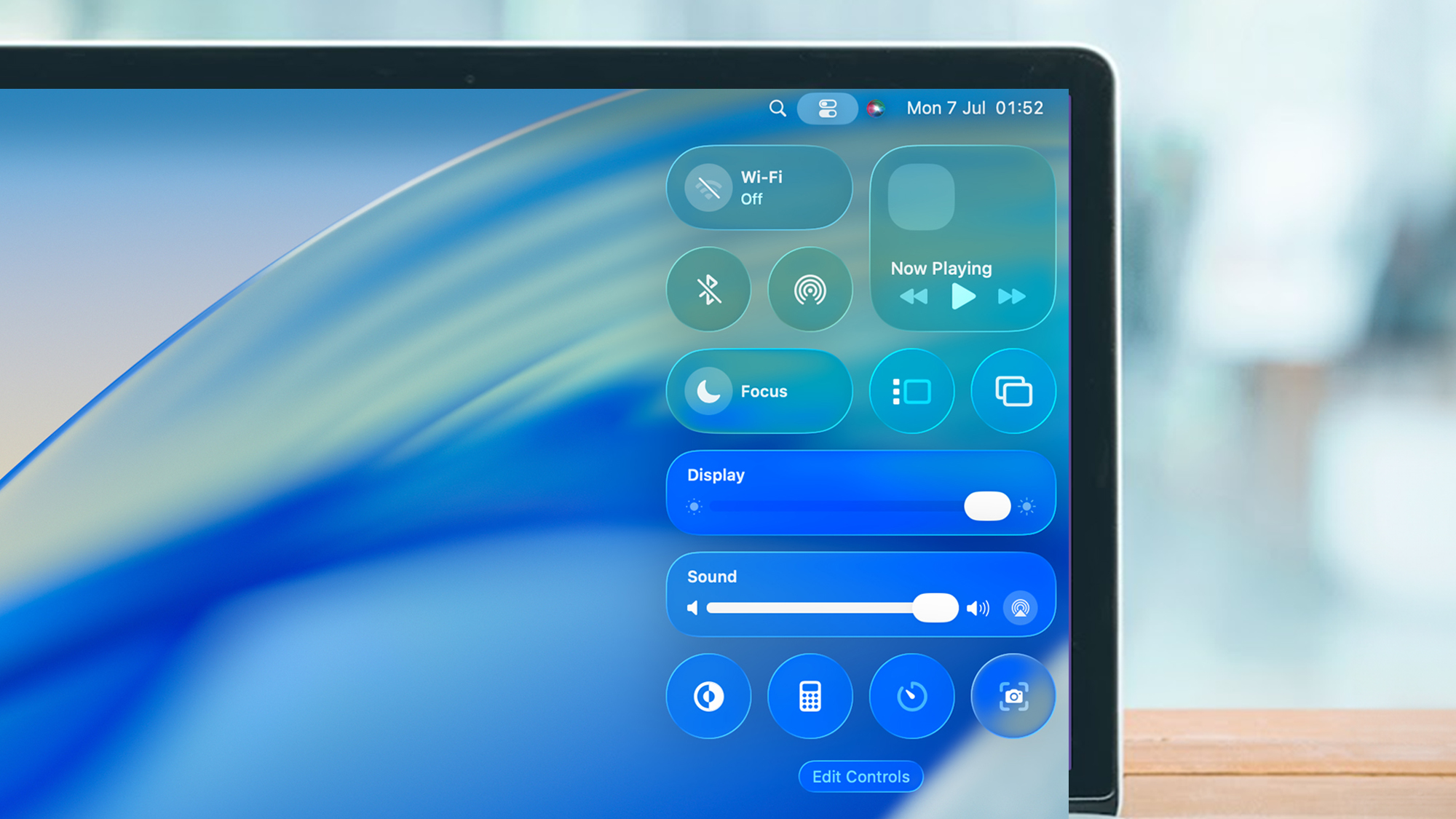
The core of the upcoming update revolves around the refinement of "Liquid Glass," a design philosophy that leans heavily on transparency, depth, and glass-like textures. Introduced to mixed reviews, Liquid Glass was intended to modernize the Mac and iPhone interfaces, creating a sense of layering and immersion. However, the implementation in macOS 26 was criticized for making text difficult to read, particularly in areas with high information density.
Key Highlights of the macOS 27 Update:
- Legibility Fixes: Apple is reportedly focusing on "shadows and transparency quirks" that previously caused text to blur or blend into the background.
- Sidebar Optimization: Sidebars and navigation panes, which are central to the macOS experience, will receive specific attention to reduce "interface confusion."
- Cross-Platform Consistency: Similar refinements are expected for iOS 27 and iPadOS 27, ensuring a unified aesthetic across the mobile and desktop lineups.
- The "Year of Polish": Internal sources suggest that 2027 is being treated as a year of refinement rather than radical reinvention, focusing on software stability and "cleaning up" previous implementations.
Despite these changes, Mark Gurman is adamant that Liquid Glass is not being abandoned. Instead, Apple is "doubling down" on the concept, attempting to fulfill the original vision of the design team that was allegedly hindered by engineering hurdles during the previous release cycle.
Chronology: From Radical Redesign to Refined Iteration
To understand the significance of the macOS 27 design tweaks, one must look at the timeline of Apple’s UI evolution over the last two years.
June 2025: The Birth of Liquid Glass
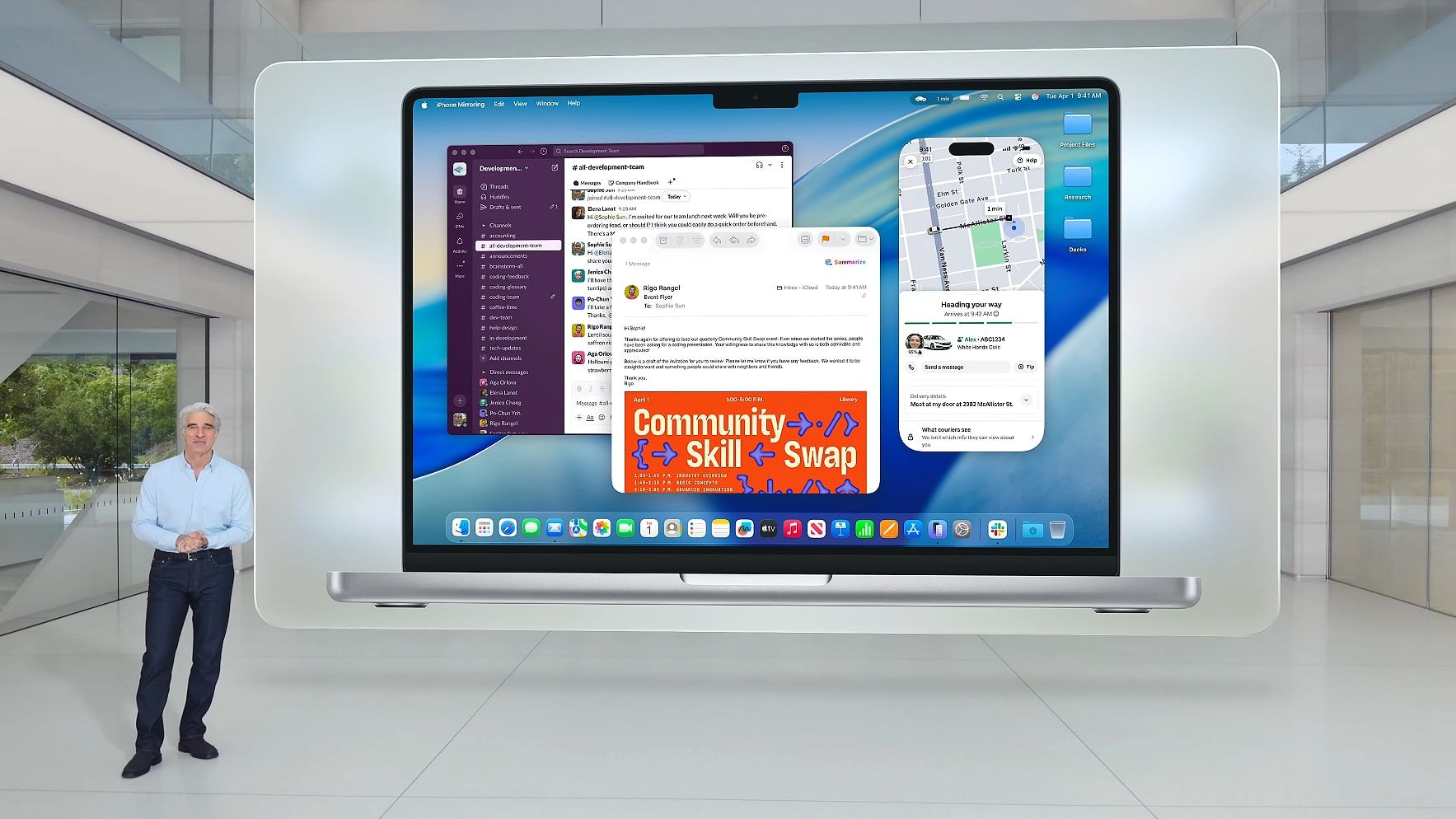
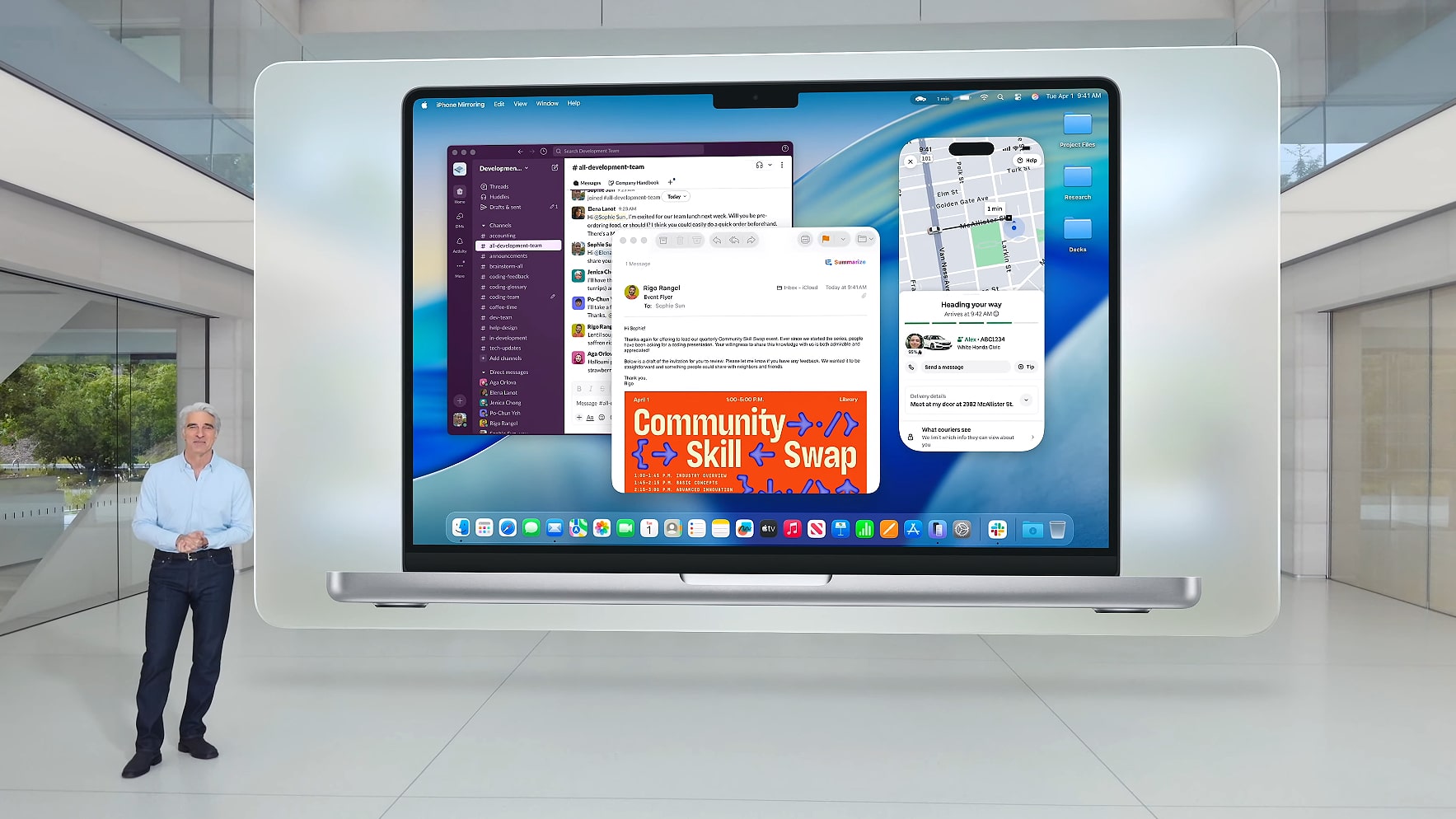
At WWDC 2025, Apple executive Craig Federighi introduced macOS 26. It was the most significant visual overhaul since macOS Big Sur. The "Liquid Glass" interface was presented as the future—a world of dynamic blurs and multi-layered windows. While visually stunning in marketing materials, early adopters quickly noted that the interface struggled in real-world productivity scenarios.
Late 2025 – Early 2026: The Backlash
Throughout the lifecycle of macOS 26, power users and accessibility advocates voiced concerns. The "glassy" textures often resulted in low contrast, making it difficult for users with visual impairments to navigate the system. Online forums were flooded with complaints about "ghosting" text and the lack of clear boundaries between active and inactive windows.
May 2026: The Gurman Revelation
In his Power On newsletter on May 10, 2026, Mark Gurman broke the news that Apple was planning a course correction. He revealed that internal teams were working on a "cleanup" effort for macOS 27, acknowledging that the initial rollout of Liquid Glass was "not-completely-baked."
June 8, 2026: The Anticipated Reveal
Apple is set to officially showcase macOS 27 and its mobile counterparts at WWDC. This event is expected to bridge the gap between Apple’s high-concept design ambitions and the practical needs of its global user base.
Supporting Data: The Physics of User Interface
The controversy surrounding Liquid Glass isn’t merely a matter of taste; it is rooted in the technical challenges of digital "glassmorphism." Supporting data from UI/UX audits suggests that transparency-heavy interfaces require significantly more processing power to render shadows and blurs accurately without compromising text sharpness.
The Readability Gap
In macOS 26, the use of "vibrant" materials—backgrounds that take on the color of the wallpaper beneath them—led to a 15% decrease in measured contrast ratios in certain system apps compared to the older "flat" design of macOS Monterey. For professional users working in text-heavy environments like Xcode or Final Cut Pro, this translated to increased eye strain.
Engineering vs. Design
The "not-completely-baked" nature of the previous implementation can be traced back to the software engineering team’s struggle to maintain 60fps (and 120fps on ProMotion displays) while calculating real-time blurs across multiple overlapping windows. To save on resources, Apple allegedly cut corners on shadow depth and anti-aliasing in the first iteration of Liquid Glass, leading to the "quirks" Gurman mentioned.
The End of the Intel Era
A critical piece of supporting data for the macOS 27 transition is the official end of support for Intel-based Macs. By limiting macOS 27 to Apple Silicon, the engineering team can leverage the Unified Memory Architecture and the Neural Engine to handle complex UI rendering more efficiently. This hardware exclusivity is likely what allows Apple to "refine" Liquid Glass without sacrificing performance.
Official Responses and Internal Sentiment
While Apple rarely comments on rumors or leaks, the information trickling out of Cupertino suggests a fascinating internal dynamic between the design and engineering departments.
The Design Intent
According to sources close to the matter, Apple’s design team, led by the successors of the Jony Ive era, remains committed to the "Glass" aesthetic. They view it as a necessary step to make software feel more organic and less "computed." The official stance—at least internally—is that the design itself wasn’t the problem; rather, it was the execution.
The Engineering "Half-Admission"
Gurman’s report includes what many industry analysts call a "half-admission" from Apple. By characterizing the current state of macOS as "not-completely-baked," the company is essentially acknowledging that the software engineering team could not keep pace with the design team’s ambitions in 2025. This internal friction has reportedly led to a more collaborative approach for the "Tahoe" release, with engineers having a greater say in how transparency effects are optimized for the M-series chips.
Public Silence, Private Action
Publicly, Apple continues to market its current operating systems as the "most advanced in the world." However, the sheer volume of "refinement" rumors suggests that the company is taking the "Liquid Glass" criticism seriously. The focus on "cleanup" is a classic Apple move, reminiscent of the transition from the bug-heavy Mac OS X Leopard to the legendary stability of Snow Leopard.
Implications: A New Standard for the Ecosystem
The shift toward refinement in macOS 27 has broad implications for the future of the Apple ecosystem, ranging from accessibility to the integration of Artificial Intelligence.
1. The Accessibility Standard
By fixing the transparency and shadow quirks, Apple is reaffirming its commitment to accessibility. A more legible interface isn’t just a "tweak"—it is a necessity for millions of users. If macOS 27 successfully balances beauty with clarity, it could set a new industry standard for how modern operating systems handle transparency without alienating users with vision sensitivities.
2. Apple Intelligence Integration
The refinement of the UI is happening concurrently with the massive rollout of "Apple Intelligence." Rumors suggest that Siri’s new features, which have faced significant delays and high development costs (estimated at over $250 million), will be deeply integrated into the Liquid Glass interface. A cleaner, more stable UI is essential for these AI features to feel intuitive. If the interface is cluttered or blurry, the AI’s suggestions and overlays will only add to the "interface confusion."
3. The "Year of Polish" Strategy
This move marks a shift in Apple’s release strategy. For years, the company has felt pressured to deliver "groundbreaking" features every June. By focusing on "polish" for version 27, Apple is prioritizing the longevity of its hardware and the satisfaction of its core user base. This could signal a move toward a "tick-tock" release cycle—one year for major features, one year for perfecting them.
4. Competitive Pressure
Apple is not operating in a vacuum. Microsoft’s Windows 11 has its own "Mica" and "Acrylic" materials, which have been generally well-received for their balance of aesthetics and performance. To maintain its reputation as the leader in design, Apple cannot afford to have a flagship OS that is perceived as "unbaked" or "blurry."
Conclusion
As we approach the June 8 keynote, the narrative for macOS 27 is becoming clear. It is not an admission of defeat for the Liquid Glass aesthetic, but rather a sophisticated evolution. By addressing the shadows, transparency, and legibility issues that hampered its predecessor, Apple is attempting to prove that it can indeed deliver a "glassy" future that is as functional as it is beautiful.
For the millions of Mac users who have struggled with the visual quirks of the past year, macOS 27 represents a welcome return to form. For Apple, it is an opportunity to prove that even in an era of rapid AI advancement, the fundamental elements of the user interface—the pixels, the shadows, and the text—still matter most. When the curtain rises at WWDC, the world will see if "Liquid Glass" has finally found its clarity.




Leave a Comment