
The Architect of the Underground: Remembering Frank Stack (1937–2026)
Frank Stack, the virtuoso painter, dedicated educator, and subversive pioneer whose 1964 publication The Adventures of Jesus is widely cited by historians as the spark that ignited the underground comix movement, passed away on April 12, 2026. He was 88. Stack died at the University of Missouri’s University Hospital in Columbia, the city where he spent nearly four decades shaping the minds of art students while clandestinely revolutionizing American iconography under the pseudonym "Foolbert Sturgeon."
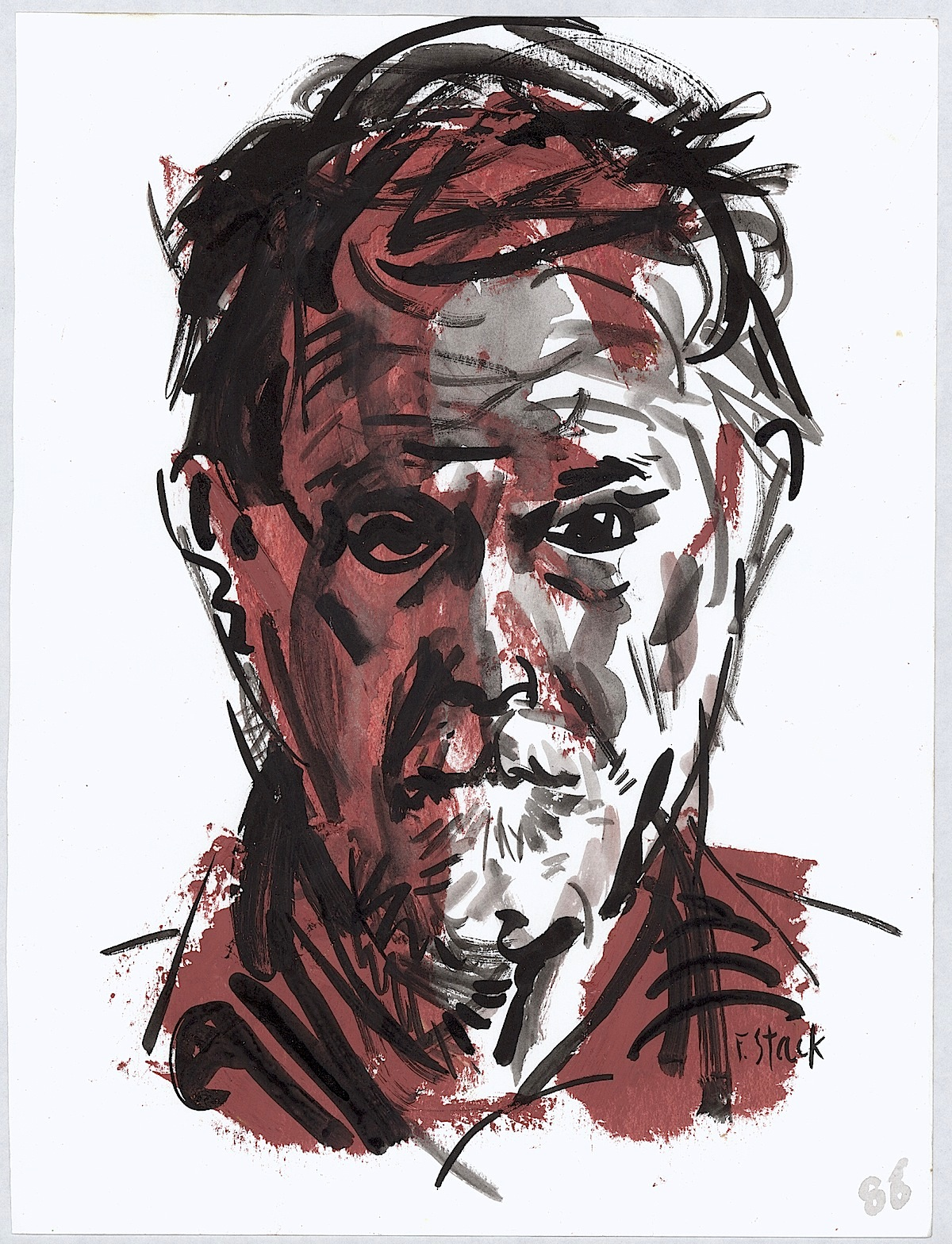
Stack was a rare "schizophrenic" in the art world—a term used affectionately by his long-time publisher Denis Kitchen. He successfully straddled the disparate worlds of high-brow academia and the "disreputable" counterculture. A master of etchings, stone lithography, and oil painting, Stack was simultaneously a pillar of the University of Missouri’s art department and a radical cartoonist whose work challenged religious dogma, gender roles, and the very structure of the sequential medium.

A Texas Foundation and the Seeds of Satire
Born Frank Huntington Stack on October 31, 1937, in Houston, Texas, Stack’s artistic sensibilities were forged in the crucible of mid-century Americana. As a child, he was captivated by the cinematic escapism of B-westerns and Tarzan serials, but it was the newspaper funny pages that left the deepest mark. He found inspiration in the rugged, muscular line work of Roy Crane and the whimsical yet sophisticated satire of Walt Kelly’s Pogo.
By his teenage years in Corpus Christi, Stack was already a decorated cartoonist, winning accolades from the Texas High School Newspaper Association. His early work was marked by a naive but earnest dedication to the craft; he famously drew his strips on large Strathmore illustration boards, unaware that professional cartoonists relied on photographic reduction to sharpen their lines.
In 1957, Stack enrolled at the University of Texas at Austin, where he assumed the editorship of the Texas Ranger, the university’s humor magazine. It was here that Stack began what he described as "research into the nature of humor," recruiting a stable of talent that would later form the bedrock of the underground movement. Among his recruits was a young Gilbert Shelton, who would go on to create The Fabulous Furry Freak Brothers. Their friendship would prove to be one of the most consequential partnerships in the history of the medium.
The Army, IBM Cards, and the Birth of a Savior
After graduating in 1959, Stack’s life took a detour through the United States Army Reserve—a move intended to avoid the draft. In 1961, while stationed at Governor’s Island in New York, Stack was tasked with data processing, spending his days punching IBM cards. The mundane environment provided the perfect friction for his burgeoning satirical wit.

The catalyst for his most famous work came from an Army-distributed pamphlet titled Why Me?, which Stack dismissed as "bonehead" anti-communist propaganda. In an act of quiet rebellion, he drew a cartoon on the back of an IBM card depicting early Christians being ushered into a Roman arena to face lions, with a Roman soldier handing them Why Me? pamphlets as they entered.
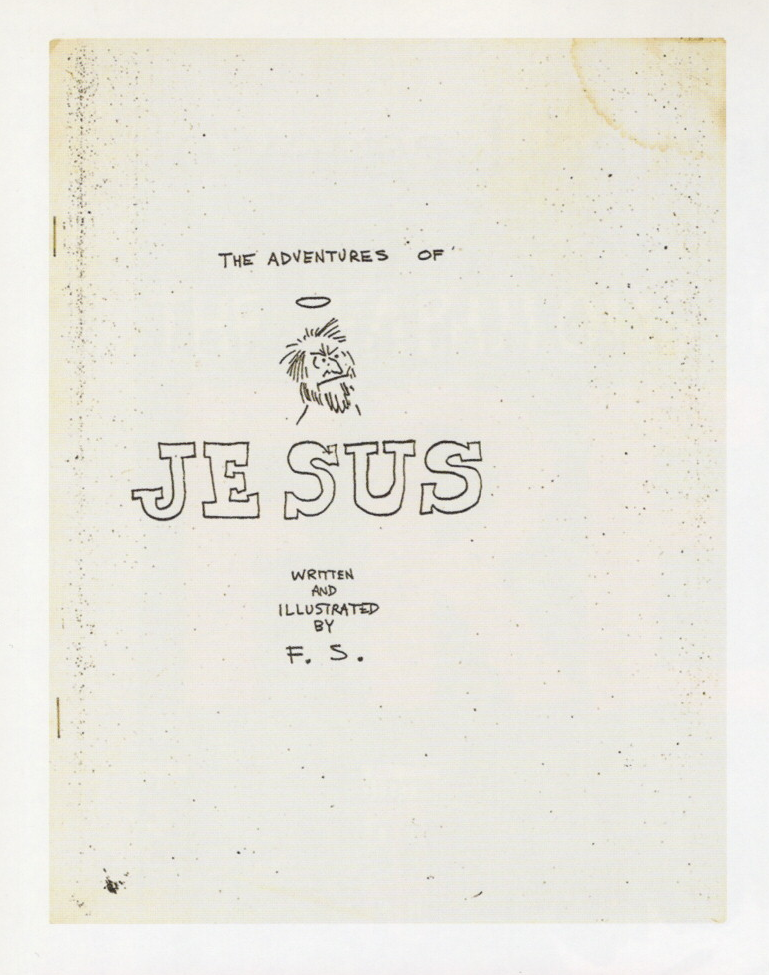
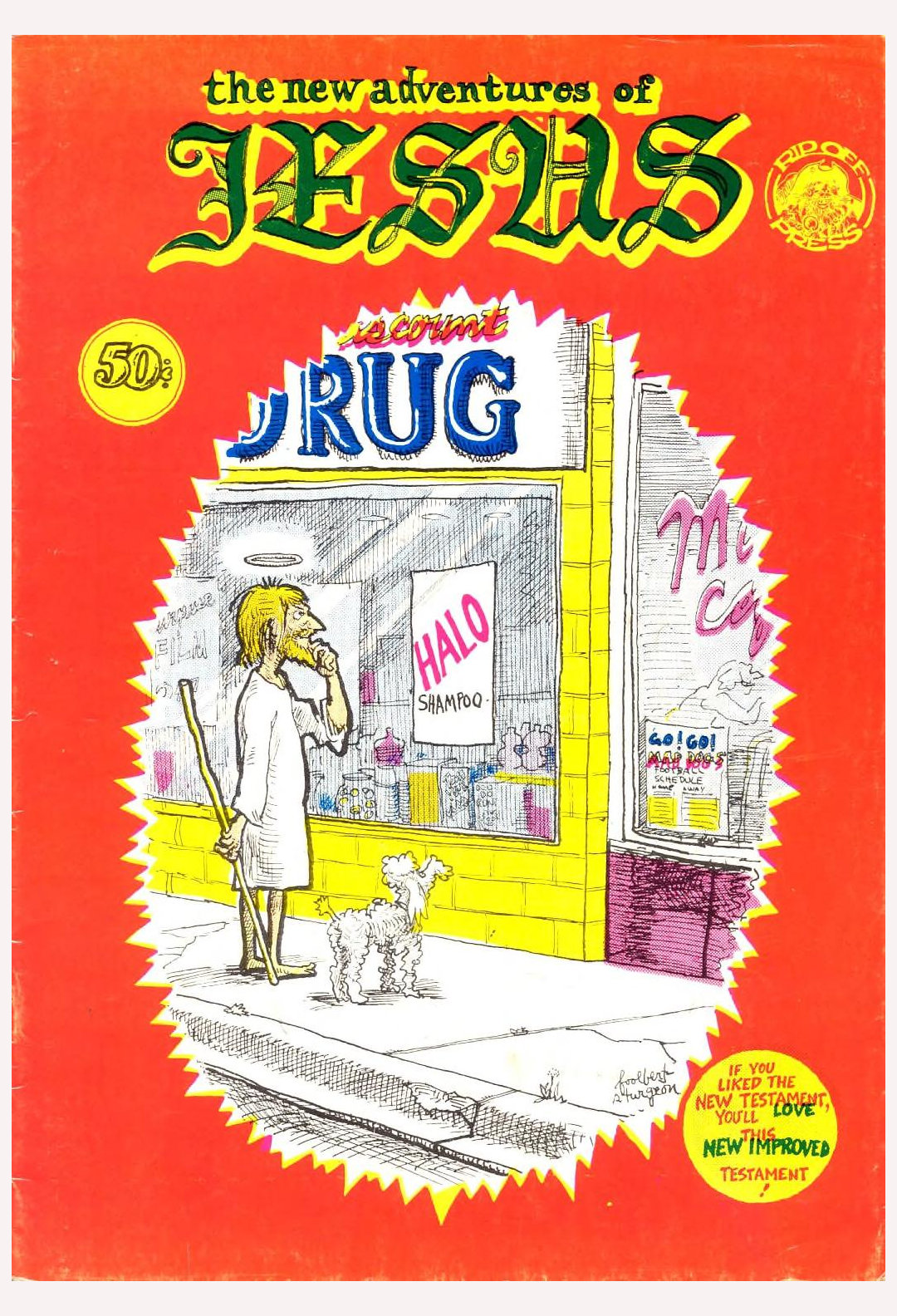
This sketch evolved into a series of strips featuring a weary, misunderstood Jesus Christ navigating the absurdity of the modern world. Stack sent these strips to Gilbert Shelton, who had returned to Texas. In 1964, Shelton utilized a University of Texas Law School Xerox machine to surreptitiously print roughly 40 to 50 copies of these collected strips. This photocopied zine, The Adventures of Jesus, predated the formal "underground comix" boom of the late 1960s, predating even Jack Jackson’s God Nose.
The Professor and the Sturgeon: A Dual Identity
In 1963, Stack joined the faculty of the University of Missouri, where he would teach art and printmaking until his retirement as professor emeritus in 2001. Living and working in the heart of the "Bible Belt," Stack felt the need to protect his academic tenure from the potential fallout of his "blasphemous" cartoons.
When Shelton’s Rip Off Press officially published The New Adventures of Jesus in 1969, Stack adopted the nom de plume "Foolbert Sturgeon." The name allowed him a degree of anonymity that fostered a fearless approach to his subject matter. "I kind of liked the anonymity of it," Stack later told historian Patrick Rosenkranz. "There wasn’t anything respectable about it, so you didn’t have to be careful about what you said."
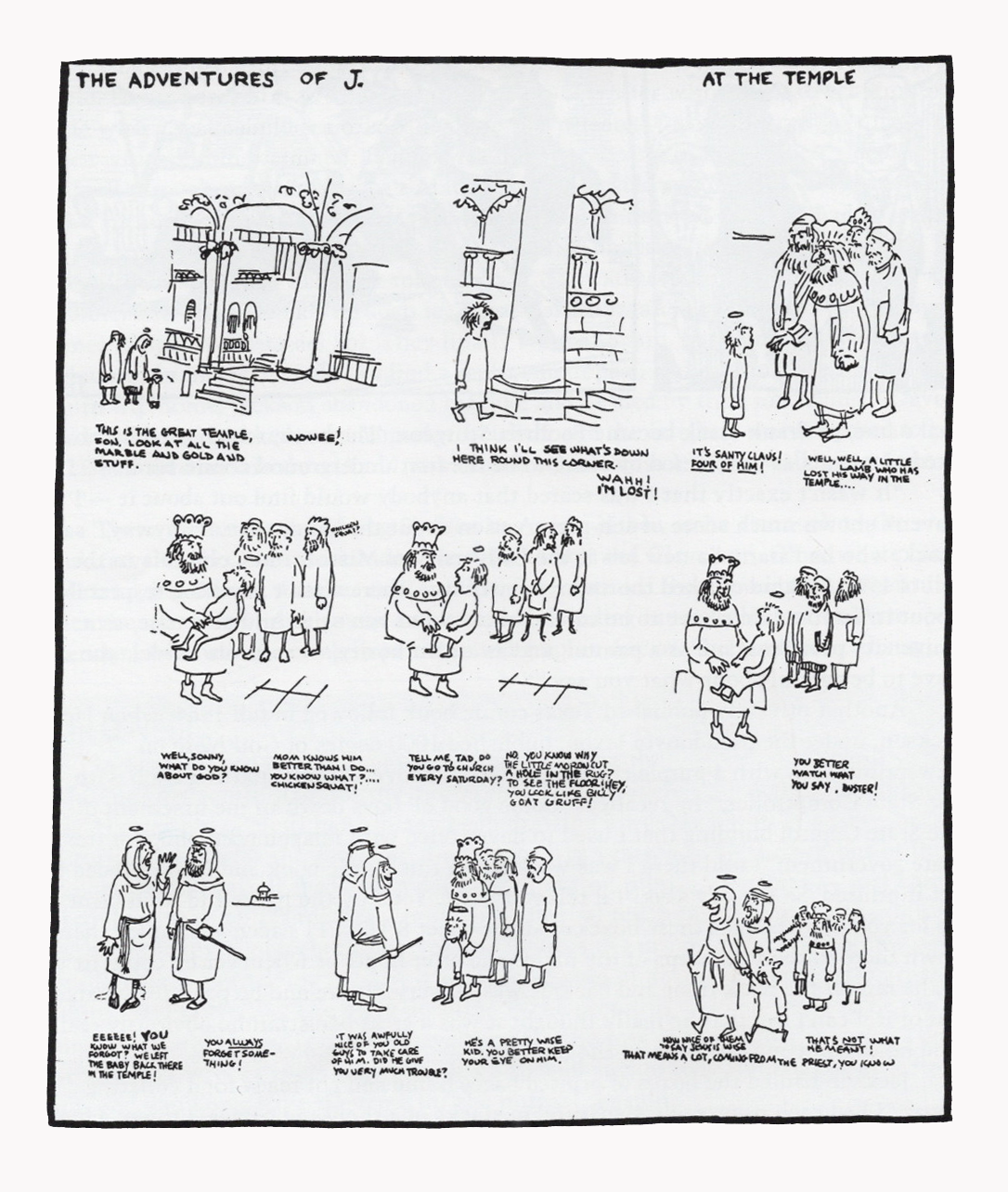
Despite the pseudonym, Stack’s Jesus was not a vehicle for simple sacrilege. Instead, Stack used the character to explore social hypocrisy and human fallibility. His Jesus was a "savior playing a savior in real life," often disappointed by the very institutions built in his name. This nuanced approach garnered Stack a reputation as a "cartoonist’s cartoonist"—an artist whose gestural, elegant line work was as sophisticated as his writing.
Major Works and the Collaboration with Harvey Pekar
Beyond the Jesus series, Stack’s bibliography was diverse and prolific. In 1972, he released Amazon Comics, a work now recognized as an underappreciated masterpiece of gender satire. He was a frequent contributor to seminal anthologies such as Zap Comix, Weirdo, Snarf, and BLAB!.
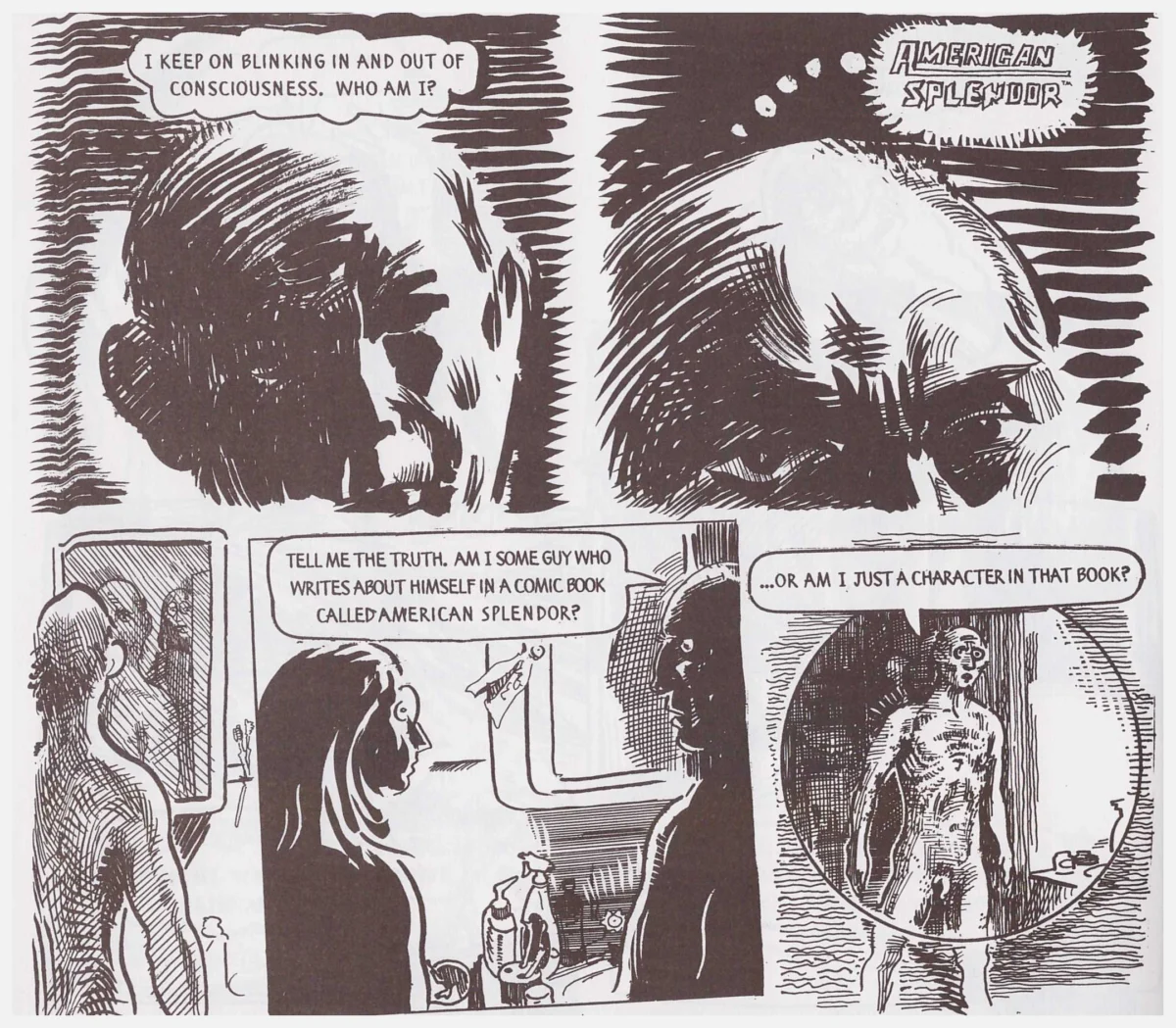
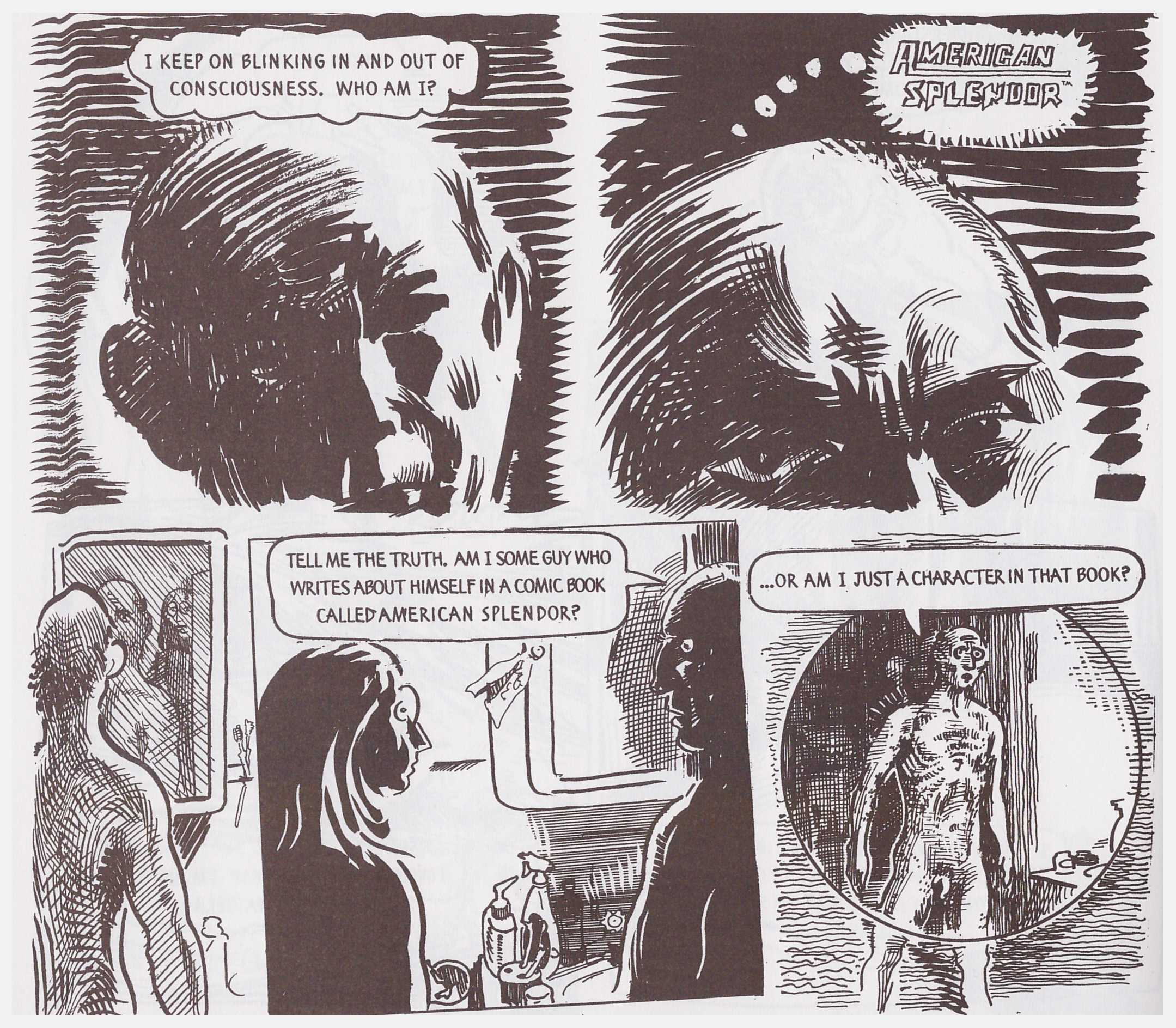
However, one of his most significant contributions to the medium came through his collaboration with Harvey Pekar. Stack was a regular illustrator for Pekar’s autobiographical series American Splendor, but their partnership peaked with the 1994 graphic novel Our Cancer Year. Co-written by Pekar and his wife Joyce Brabner, the book was a harrowing, meticulously detailed account of Pekar’s battle with lymphoma.
To complete the 3,000 illustrations required for the book, Stack took a sabbatical from the University of Missouri, "chaining" himself to his drawing table for eight months. His "elegantly gestural" style provided the perfect emotional weight for the narrative, capturing the fragility and resilience of the human spirit. The book won the Harvey Award and remains a cornerstone of the "graphic medicine" genre.
Official Responses and Tributes
The passing of Frank Stack has elicited a wave of tributes from the titans of the comics industry, many of whom viewed him as a mentor and a foundational pillar of their craft.
Gilbert Shelton, Stack’s lifelong friend and publisher, reflected on their early days: "Frank was a couple of years ahead of me… working on the magazine with him was my real education. He was a big influence on my life and career, and I am proud to have been one of his publishers."
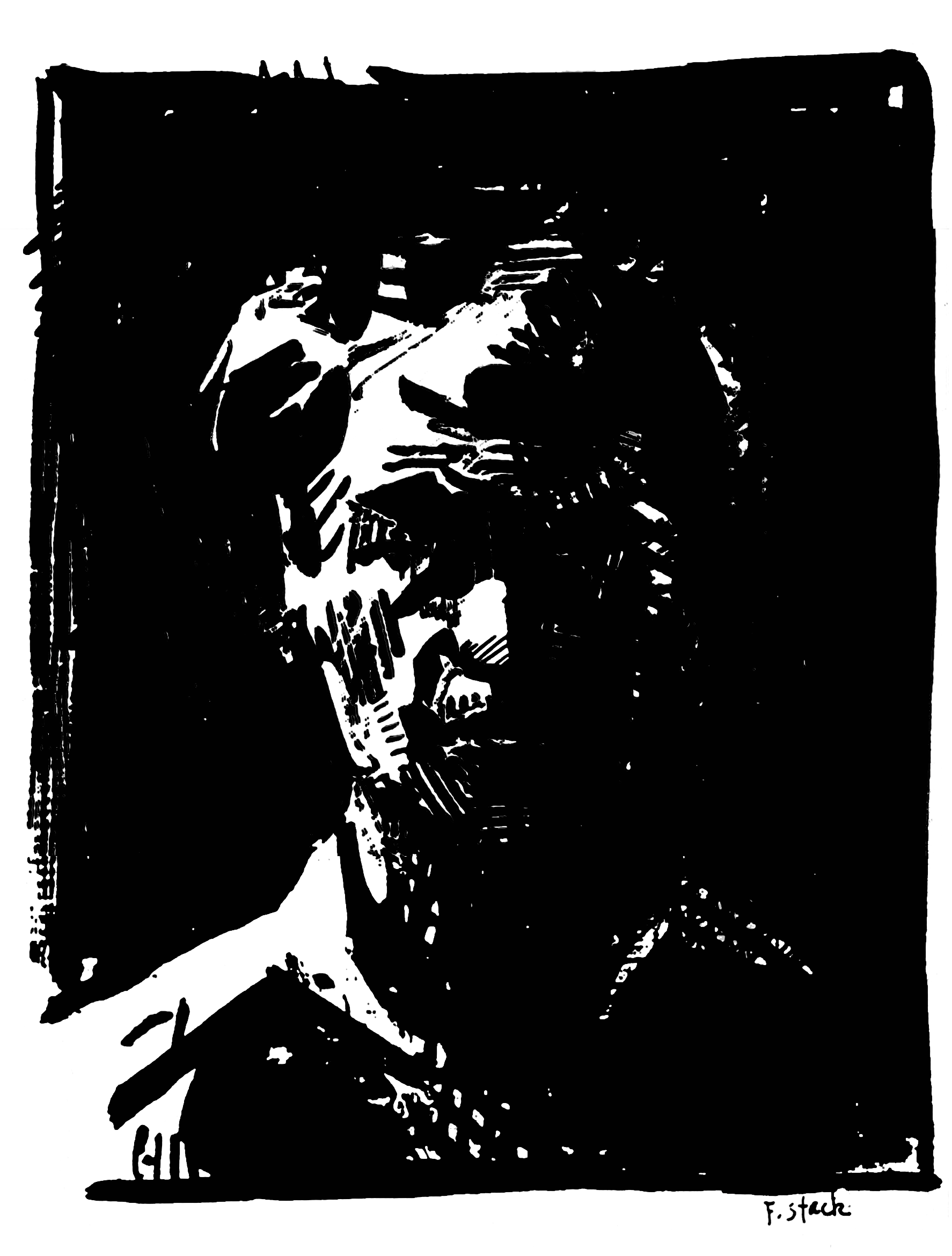
Denis Kitchen, founder of Kitchen Sink Press, emphasized Stack’s versatility: "He was an unusually versatile artist who could swing easily and masterfully between pen and ink comix, vibrant watercolors, paintings, and stone lithographs. He was as outspoken as they came on any topic… I will deeply miss those conversations."
Eric Reynolds, publisher at Fantagraphics, recalled a formative day spent with Stack in France: "Frank was an Art Professor and, based on my experience, almost certainly a great one. That day we spent was genuinely one of my favorite and most formative days ever. He was a great and important cartoonist in the evolution of comics as an art form."
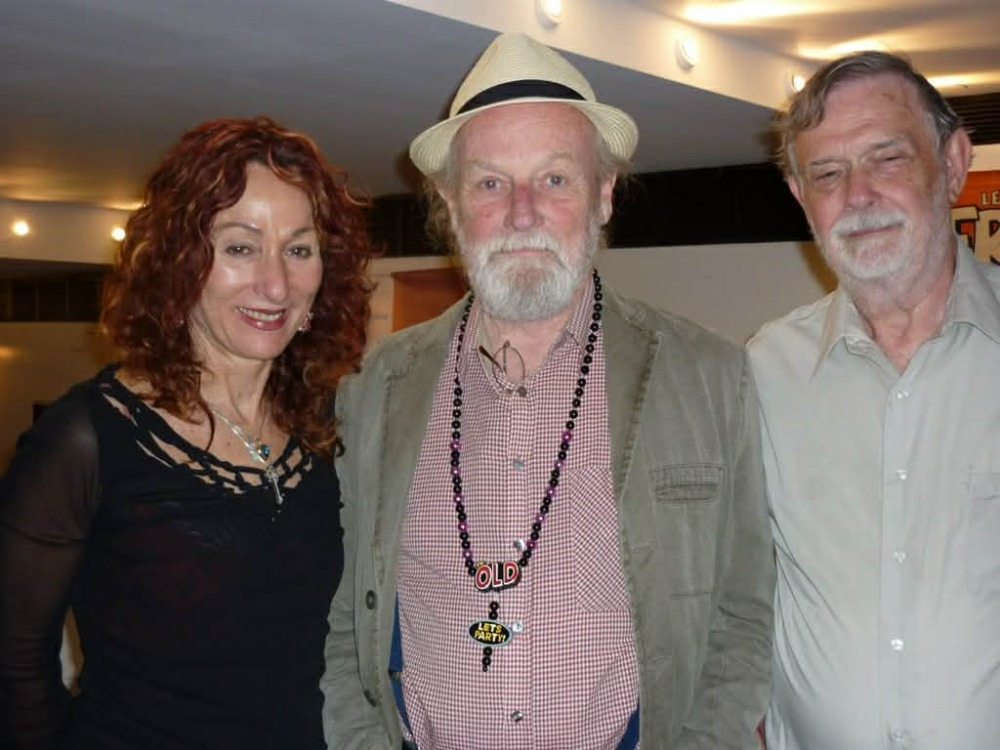
Monte Beauchamp, editor of BLAB!, noted Stack’s intellectual depth: "A man of classic cartoons, literature, and art history, Frank Huntington Stack brought a unique slant to the medium… a brilliant talent who will forever remain a midwestern treasure."
Implications and Legacy
Frank Stack’s death marks the end of an era for the American underground. He was the last of the "pioneer" generation who saw comics not merely as commercial entertainment, but as a legitimate vessel for fine art and social critique.
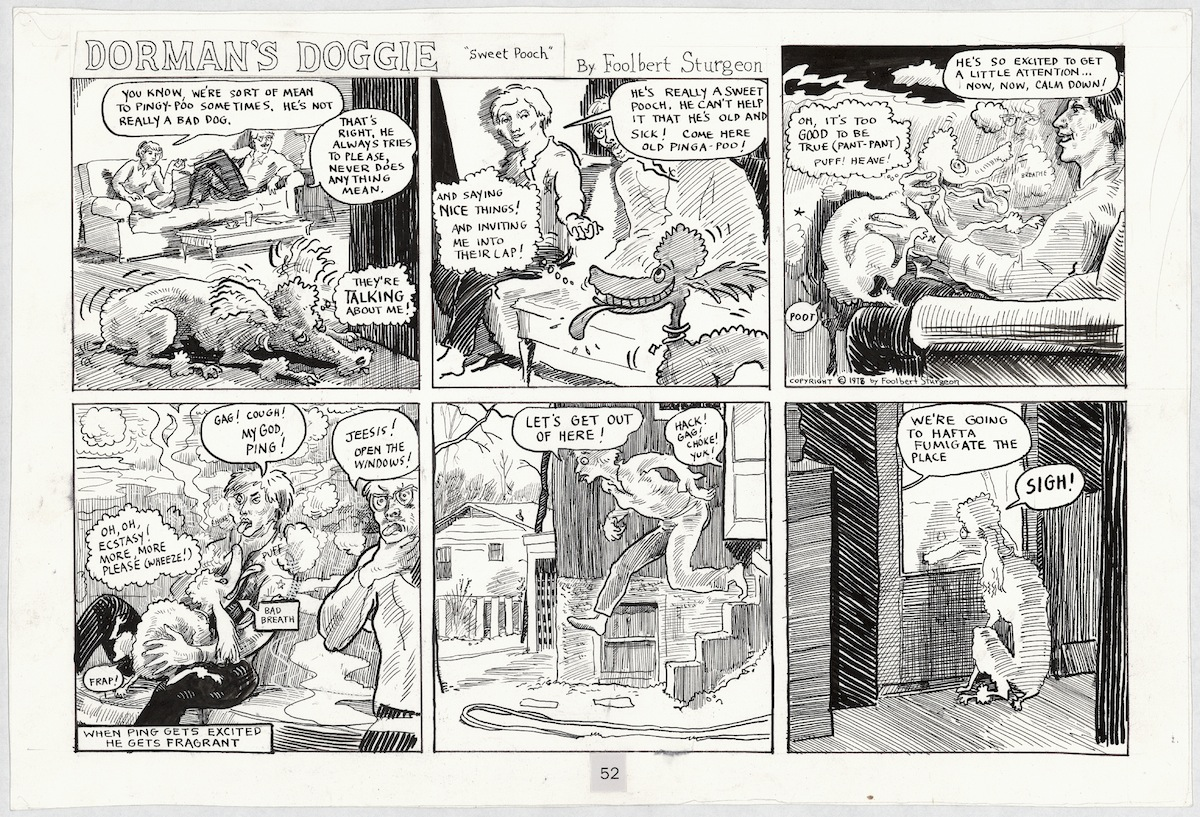
His legacy is twofold. As an educator, he demystified the process of printmaking and painting for thousands of students, bridging the gap between classical techniques and modern expression. As a cartoonist, he proved that the medium could handle the most "sacred" of subjects with intelligence, humor, and grace.
Stack’s influence can be seen in the rise of autobiographical comics and the modern "alternative" scene, where the line between "high" and "low" art has effectively vanished—a goal Stack spent his entire life pursuing. He famously believed that cartooning was a "civilizing" act, a way to process anger and observation without resorting to destruction.
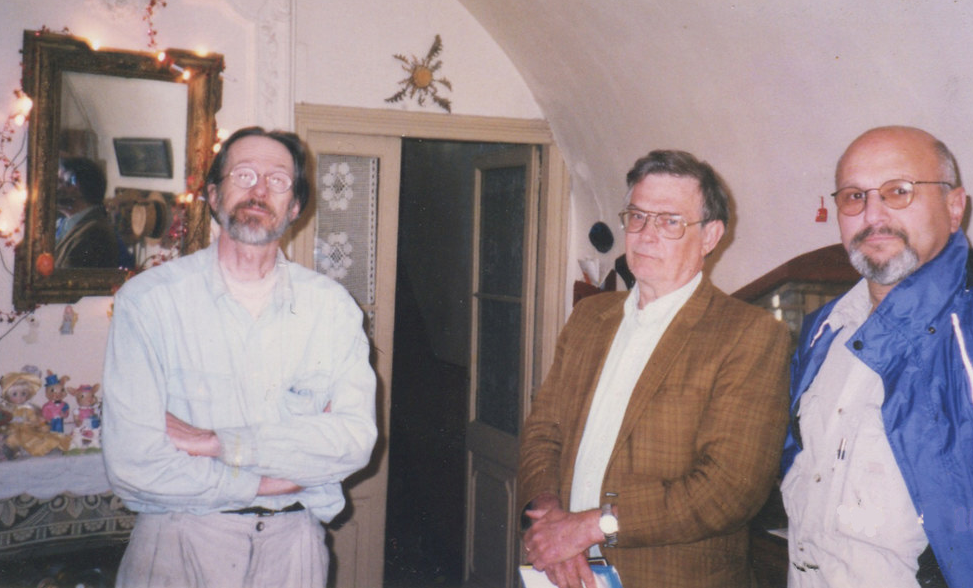
In a 1996 interview, Stack summed up his philosophy: "Better to draw cartoons and let your anger out than insult people or go out and do self-destructive stuff… You can hope it might even have some civilizing effect on somebody."
Frank Stack is survived by his brother Steve, his daughter Joan, his son Robert, and six grandchildren. While the man has passed, Foolbert Sturgeon’s weary, wandering Jesus and the thousands of expressive lines Stack left behind will continue to challenge, amuse, and "civilize" readers for generations to come.


Leave a Comment