
The Perils of Perfection: Why the Star Fox Remake Casts a Shadow Over Rumors of a Zelda: Ocarina of Time Reimagining
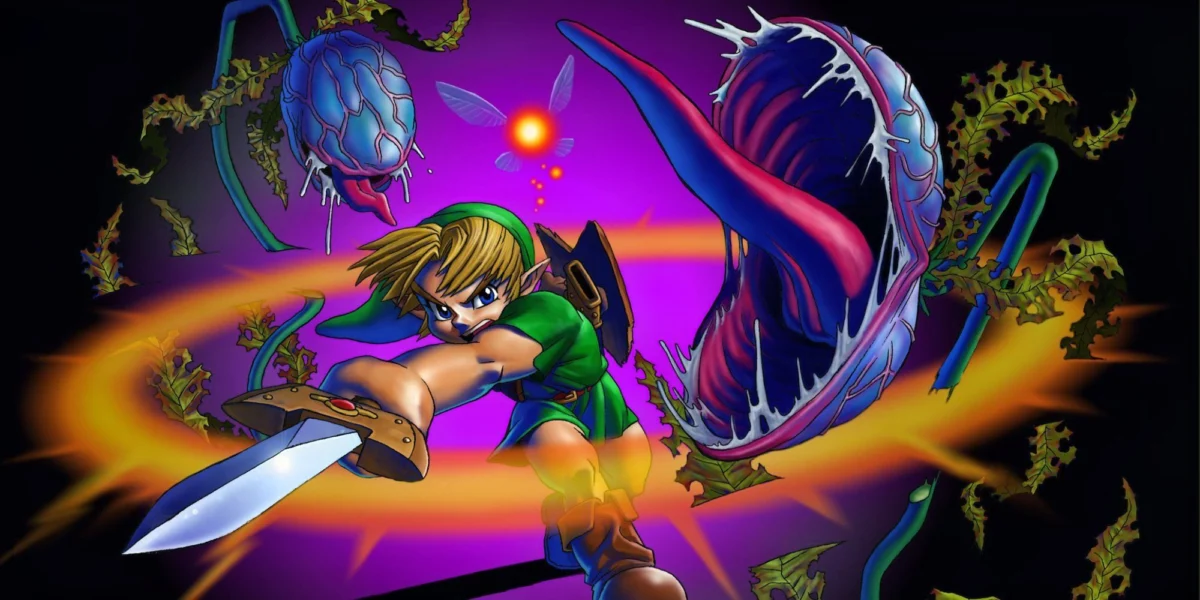
The announcement of a remake for a beloved classic is usually met with universal acclaim, yet within the gaming community, a growing sense of trepidation is beginning to emerge. This anxiety centers on one of the most prestigious titles in electronic entertainment history: The Legend of Zelda: Ocarina of Time. While rumors of a ground-up remake for Nintendo’s next-generation hardware have circulated for months, a recent Nintendo Direct featuring the return of Star Fox has shifted the conversation from "if" a remake is happening to "how" it will be executed.
For many, Ocarina of Time is more than a game; it is the blueprint for 3D action-adventure titles. However, as Nintendo prepares to transition to its next console—widely referred to as the "Switch 2"—the strategy regarding its legacy content is coming under intense scrutiny. The fear among enthusiasts is that Nintendo may be leaning toward "safe" graphical updates rather than the transformative reimaginings seen in titles like Final Fantasy VII Remake or Resident Evil 4.
Main Facts: The Star Fox Precedent and the Ocarina Rumor Mill
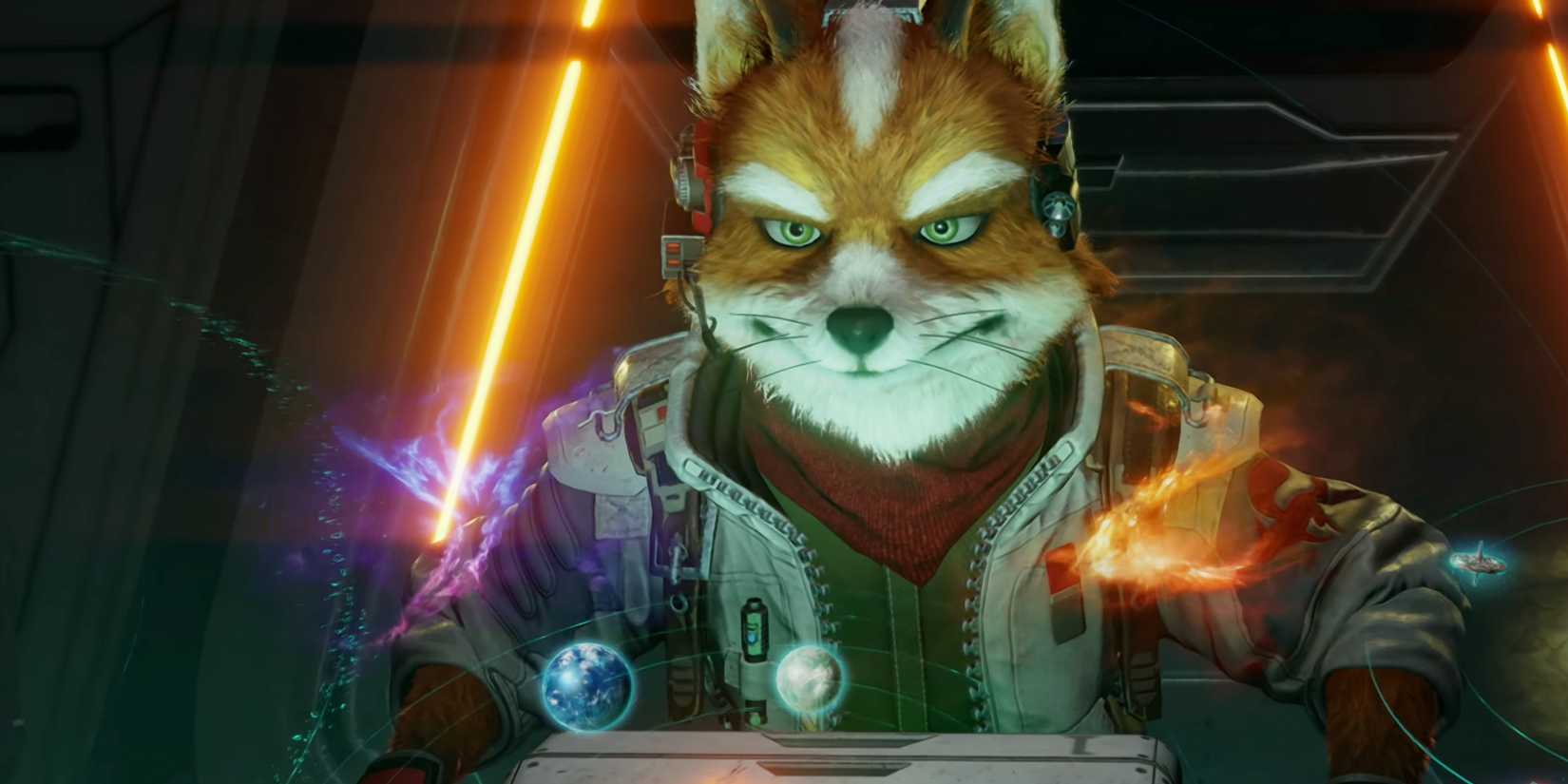
On May 6, 2026, Nintendo held a surprise Direct that sent shockwaves through the industry. The centerpiece was the reveal of a Star Fox remake, a franchise that had been dormant for nearly a decade. Initially, the high-fidelity cinematics suggested a complete mechanical overhaul. However, as gameplay footage emerged, it became clear that the title was a faithful 1:1 recreation of the 1997 Nintendo 64 original. The level layouts, enemy patterns, and core flight mechanics remained virtually untouched, serving as a high-definition "skin" over a thirty-year-old skeleton.
This development has directly impacted the expectations for the rumored Ocarina of Time remake. Industry insiders and leakers have suggested that Grezzo—the studio responsible for the 3DS versions of Ocarina of Time and Majora’s Mask—is working on a "prestige" project for the Switch 2. If the Star Fox remake represents Nintendo’s current philosophy for N64-era revivals, the prospect of a "new" Ocarina of Time may be less of a reimagining and more of a technical polish.
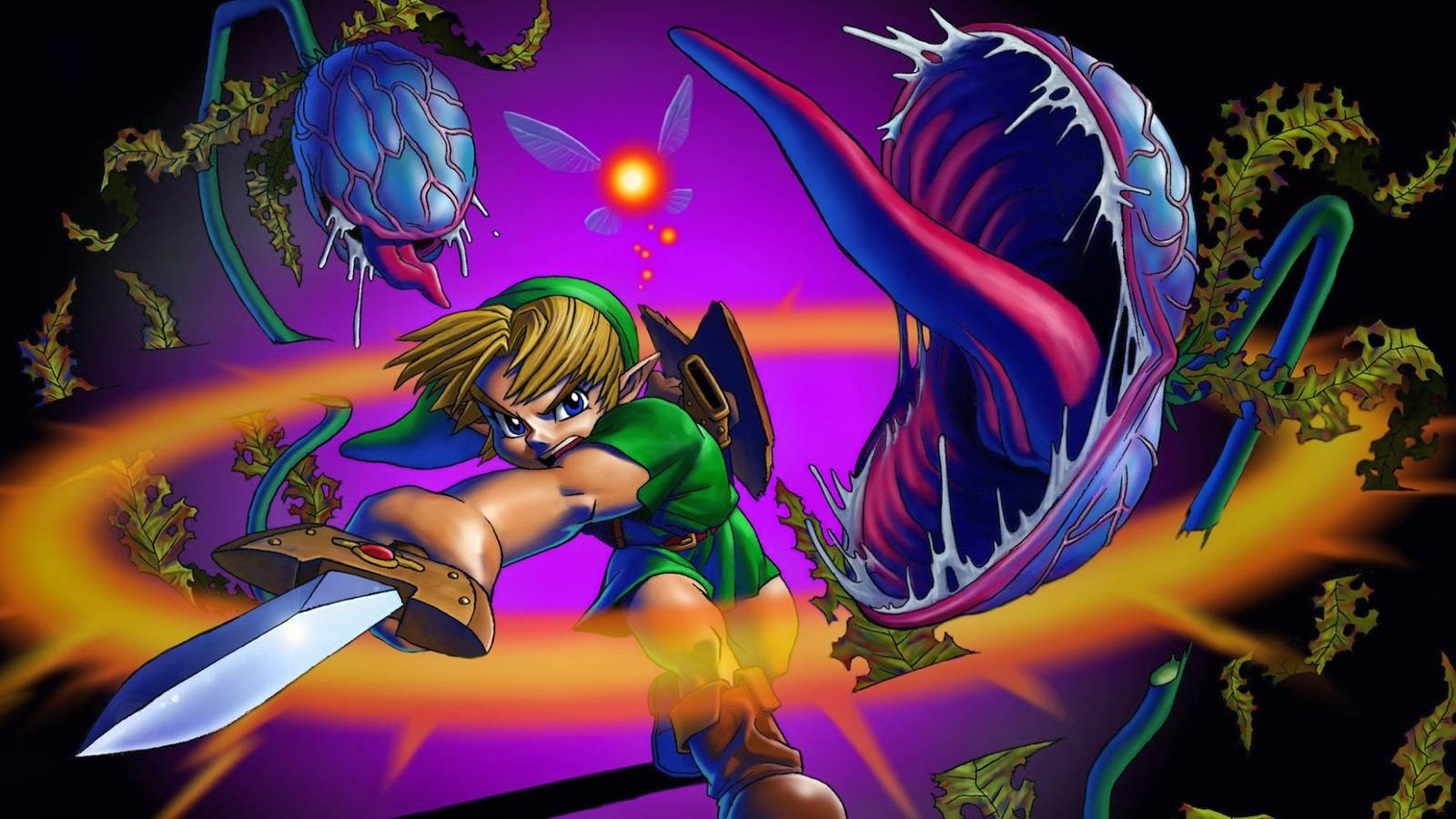
The core of the debate lies in the distinction between a "remaster" and a "remake." While Nintendo is marketing these titles as remakes, the lack of mechanical evolution suggests a conservative approach. For a game as mechanically foundational as Ocarina of Time, a simple graphical boost may not be enough to justify a premium price point in the modern market.
Chronology: A History of Revisiting Hyrule
To understand the weight of the current rumors, one must look at the extensive history of Ocarina of Time’s re-releases. Unlike many of its contemporaries, the game has never truly been absent from the market.
- 1998: The original release on the Nintendo 64 sets the standard for 3D gaming, introducing the "Z-targeting" system and a sprawling open world.
- 2002/2003: The Legend of Zelda: Collector’s Edition and the Master Quest disc are released for the GameCube. These were essentially emulated versions of the N64 original, with Master Quest offering redesigned, more difficult dungeons.
- 2007: The game arrives on the Wii Virtual Console, introducing the title to a new generation of players with digital distribution.
- 2011: The Legend of Zelda: Ocarina of Time 3D is released for the Nintendo 3DS. This was the first true "remake," featuring updated character models, textures, and quality-of-life improvements, such as a streamlined inventory system for the infamous Water Temple.
- 2021: The original N64 version is added to the Nintendo Switch Online + Expansion Pack. While initially criticized for emulation issues, patches eventually brought it closer to the original experience.
- 2026 (Projected): Rumors suggest a "definitive" remake is slated for the launch window of Nintendo’s next console, intended to showcase the system’s graphical capabilities.
The primary concern is that a 2026 remake would mark the fifth major iteration of the same game. Without significant changes to the world design, combat, or narrative, the project risks feeling redundant.
Supporting Data: The Cost of Nostalgia
The financial implications of Nintendo’s remake strategy are significant. As the industry shifts toward a $69.99 standard for flagship titles, consumers are becoming more discerning about the "value" of a remake.

Data from the recent Star Fox reveal indicates a price tag of $59.99. While this is $10 cheaper than some "Switch 2" projections, it remains a steep price for a game whose core design is decades old. In contrast, Capcom’s Resident Evil 4 Remake (2023) and Square Enix’s Final Fantasy VII Rebirth (2024) provided entirely new gameplay mechanics, expanded storylines, and modernized controls while retailing at similar price points.
Furthermore, the technical leap from the Nintendo 3DS to the rumored "Switch 2" hardware is massive. The 3DS operated at a resolution of 240p (per eye), while the next Nintendo console is rumored to support 4K resolution via NVIDIA’s DLSS technology. If Nintendo merely applies 4K textures to the existing 1998 world geometry, the discrepancy between the visual fidelity and the dated environmental design—such as the relatively empty fields of Hyrule—will be jarring.
Surveys within the Zelda fan community suggest a split in desire. Approximately 45% of polled users on major gaming forums express a desire for a "1:1 faithful" recreation, fearing that changes might ruin the game’s "soul." However, 55% argue for an "expanded" Hyrule, citing the need for the world to feel as alive as the environments in Breath of the Wild or Tears of the Kingdom.
Official Responses and Industry Context
Nintendo has historically remained tight-lipped regarding unannounced projects. However, the company’s leadership has often discussed their philosophy on legacy hardware. Shigeru Miyamoto, the creator of Zelda, has frequently stated that Nintendo’s goal is to make their games "evergreen."
In a 2023 shareholder Q&A, Nintendo President Shuntaro Furukawa noted, "We want to continue to provide experiences that can only be had on Nintendo hardware, including the revitalization of our classic IP." While this confirms an interest in remakes, it does not specify the depth of those projects.
Eiji Aonuma, the long-time producer of the Zelda series, has been more focused on the future. Following the release of Tears of the Kingdom, Aonuma mentioned that the "open-air" format is the new standard for the series. This creates a philosophical conflict: would a remake of Ocarina of Time—a linear, gated experience—be seen as a step backward by the team, or a necessary tribute to the past?
The developer Grezzo, often linked to these rumors, has a history of conservative but high-quality work. Their remake of Link’s Awakening (2019) was a 1:1 mechanical recreation with a new art style. If Grezzo is indeed at the helm of the Ocarina remake, the "Star Fox approach" of graphical updates over mechanical innovation seems increasingly likely.
Implications: The High Stakes of a Remake
The implications of a "safe" Ocarina of Time remake extend beyond a single game. It sets the tone for how Nintendo will treat its entire N64 and GameCube library on future hardware.

If Ocarina of Time is released as a mere graphical update, it risks "remake fatigue." Fans who have already purchased the game on the N64, GameCube, Wii, 3DS, and Switch Online may find $60 a bridge too far for better lighting and higher polygon counts. More importantly, it may fail to capture the "wonder" that the original game provided in 1998. At that time, Hyrule felt like a living, breathing world. By modern standards, the original Hyrule Field is a large, empty hub. A true remake would need to populate that space, perhaps adding the "lost" content that was cut from the original N64 "Ura Zelda" project.
There is also the matter of the "Zelda identity." With Breath of the Wild and Tears of the Kingdom redefining the franchise, a return to the traditional dungeon-and-key structure of Ocarina could serve as a refreshing "classic" alternative. However, if the movement and combat remain as stiff as they were in 1998, the game may alienate younger players who are used to the fluidity of Link’s modern adventures.
Ultimately, the Star Fox remake has served as a cautionary tale. It proved that Nintendo is capable of delivering stunning visuals that mask an aging heart. For The Legend of Zelda: Ocarina of Time, arguably the most important game in the company’s history, many hope that Nintendo chooses to innovate rather than just decorate. If the rumors are true, the coming year will reveal whether Nintendo is looking to redefine the past or simply sell it back to us in a prettier box.


Leave a Comment