
Navigating the Labyrinth of Memory: An Artist’s Journey Through Trauma and Rebirth
Introduction: The Genesis of a Visual Narrative
In a world saturated with fleeting digital imagery, the power of a photograph to anchor memory, evoke emotion, and illuminate hidden truths remains profound. For many artists, photography serves not just as a medium for documentation, but as a vital tool for introspection and healing. This is particularly true for the artist whose recent project delves into the complex landscape of childhood trauma, a journey marked by fragmented memories and a deeply personal quest for understanding. Through a series of candid interviews and reflections, we explore the formative experiences, profound inspirations, and intentional choices that have shaped their artistic practice and continue to guide their creative output. This narrative unfolds against a backdrop of recent personal upheaval, adding another layer of urgency and introspection to their ongoing exploration of self.
The Architect of Self: Pivotal Life Moments
The question of what shapes an individual is often met with a cascade of experiences, each contributing a unique hue to the tapestry of their identity. For this artist, distilling these profound influences into a mere three moments presents a considerable, yet ultimately rewarding, challenge.
H2: The Unfolding Landscape of Long Journeys: Cultivating Imagination
The earliest formative influence stems from the expansive horizons of childhood, specifically the lengthy car trips undertaken from a rural farmstead to distant towns. These were not mere passages of time, but immersive journeys into the realm of thought and imagination. Growing up in a remote agricultural setting, where the physical distance to urban centers was measured in ten to twelve-hour drives, these journeys became an incubator for introspection. The artist vividly recalls the engaging and imaginative conversations held by their parents during these trips. This constant exposure to a world of ideas, where every topic was open for exploration and discussion, instilled a deep-seated passion for imaginative inquiry. "These trips were very contemplative," the artist reflects. "My parents have always engaged in imaginative talks about everything. This definitely gave me passion for exploring my imagination." This early cultivation of an imaginative spirit laid the groundwork for a future where visual storytelling would become a primary mode of expression, allowing the artist to traverse internal landscapes as readily as they once did the physical roads of their youth. The vastness of the countryside, the passing scenery, and the enclosed space of the car likely fostered a unique environment for contemplation, where abstract thoughts could take root and flourish amidst the tangible world.
H2: The Echoes of the Past: Unearthing Visual Truths
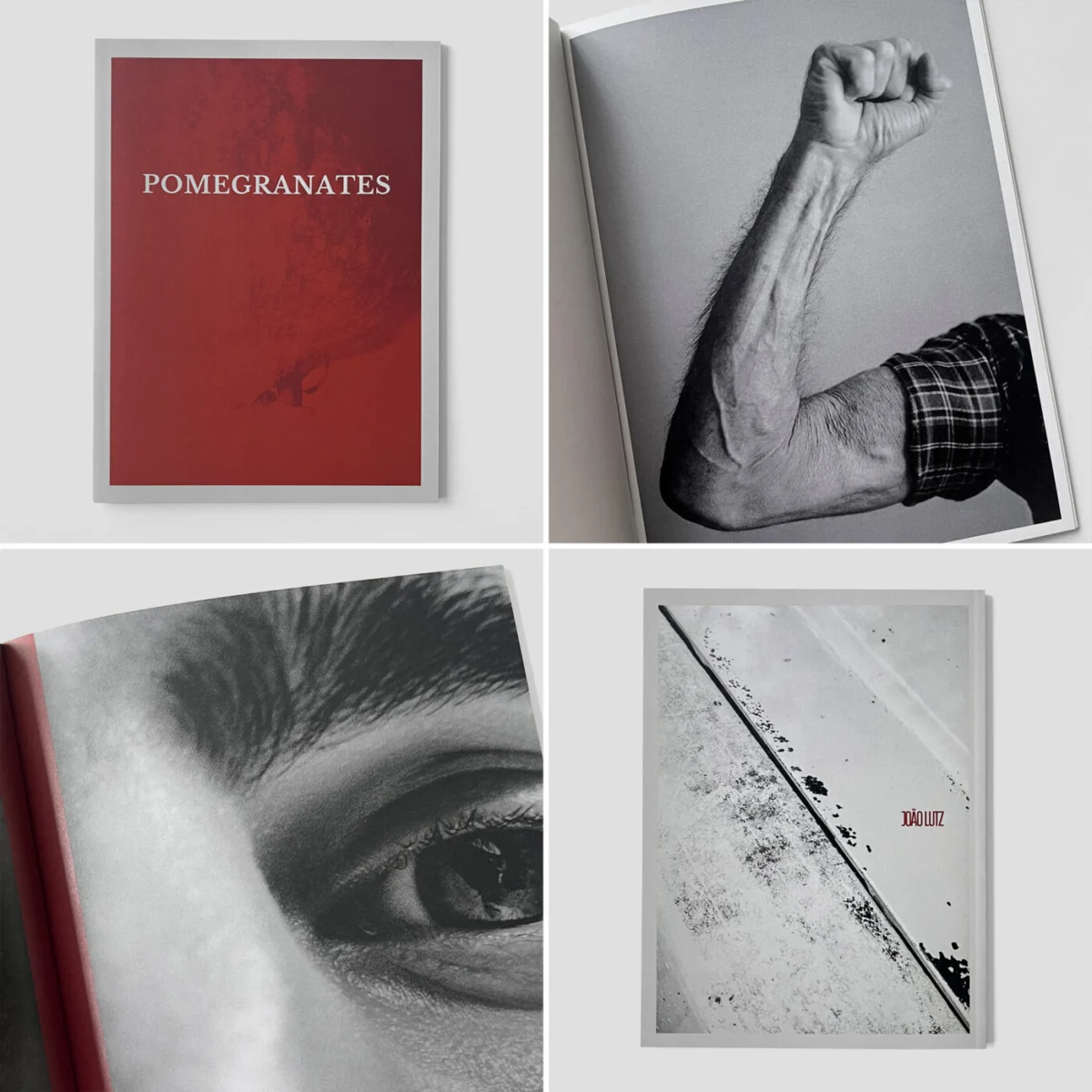
The second pivotal moment, though only recently brought to the forefront of conscious understanding, is described as a deeply impactful life event chronicled within the artist’s recent book. This experience, though difficult to articulate fully, has been instrumental in shaping a fundamental aspect of their artistic identity: the urge to create visual memories. The artist explains, "Even though it has just come to the surface recently. I now see how it shaped my urge for making visual memories, the way I relate to others, how I deal with intimacy, and where many of my fears come from." This retrospective understanding highlights the profound and often subconscious ways in which past experiences inform our present behaviors and perceptions. The artist acknowledges that these revelations, while rooted in difficult circumstances, are ultimately constructive. They continue to learn from these insights daily, fostering a deeper understanding of themselves. The ability to connect these past traumas to present-day anxieties and relational patterns is a testament to the artist’s growing self-awareness and their commitment to personal growth. This process of uncovering and integrating past experiences is crucial for authentic artistic expression, allowing for a depth and resonance that can only be achieved through genuine engagement with one’s own history.
H2: The Compass of Shared Experience: Finding Solace in Connection
The third significant factor in the artist’s self-formation lies in the profound impact of conversations with individuals who have navigated similar life challenges. The shared vulnerability and mutual understanding found in these dialogues have been a powerful source of encouragement and validation. For someone grappling with difficult memories and the uncertainties that accompany them, the realization that they are not alone can be transformative. Hearing from others who are also learning to navigate "places with not much light shining on them," and developing the courage to trust themselves and the unknown, has provided a vital sense of solidarity. "I think that seeing you’re not alone and hearing from people that are also learning how to navigate places with not much light shining on them, learning to trust themselves and the unknown. This has been so encouraging to me. I have definitely started not feeling alone," the artist shares. This sense of community and shared struggle offers a beacon of hope, reinforcing the belief that resilience and growth are possible even in the face of adversity. These connections act as a crucial support system, enabling the artist to confront their past with renewed strength and a deeper sense of self-acceptance.
The Crucible of Inspiration: Displacement and the Pursuit of Memory
The artist’s current creative landscape is profoundly shaped by a recent, unexpected displacement. The loss of their U.S. visa status, leading to a swift mandate to leave the country, has been a catalyst for introspection and a re-evaluation of their relationship with "home." While the situation is undoubtedly challenging, the artist perceives it as a "refreshing" experience, allowing for a new perspective on both their adopted environment and their native Brazil. "These days have been particularly different in terms of inspiration for me. I have recently lost my Visa status in the U.S. and basically received a letter saying I had to leave the country in no more than 20 days. I’m home now, in Brazil. Being here has been challenging but also refreshing. So much has changed me in my past 3 years living in the U.S. and I’m very grateful for that. This has definitely allowed me to see home differently."
This period of transition has intensified a particular creative focus: photographing with the sole intent of making memories. The artist articulates a deep sense of nostalgia for traditional photo albums and a burgeoning awareness of the future significance of seemingly ordinary images captured today. "Lately I have been focusing a lot on photographing with the intent of making memories only. I have been feeling nostalgic about photo albums and how an ordinary photo of the apartment I live today will mean so much to me a few years from now." This deliberate act of memorialization underscores a profound appreciation for the power of photography to preserve moments that might otherwise fade, particularly in the context of a life marked by significant transitions and the potential for further displacement. The current circumstances have, ironically, amplified the artist’s desire to anchor themselves in the present through the creation of future mementos, demonstrating a powerful interplay between personal disruption and artistic resolve.
The Creative Impulse: Instinct vs. Intention
When it comes to the genesis of their creative work, the artist leans decisively towards instinct. The creative process is often characterized by intense periods of "hyper-focus," where they retreat into a "creative cave" for deep immersion. This approach is typically devoid of a pre-determined direction or destination. "100% instinctual. It usually comes to me in a hyper-focus burst. I get into my creative cave and deep dive with no real sense of direction of destination point usually."
However, there is a burgeoning recognition of the value of intentionality in their practice. The artist expresses a desire to cultivate a more deliberate approach to their creative endeavors, acknowledging this as an area for future development. "I do feel, however, like I should be more intentional about it and its really something I wanna work on more." This dualistic perspective—embracing the spontaneous flow of instinct while seeking to integrate thoughtful planning—suggests a mature artistic evolution, one that seeks to harness both the raw energy of inspiration and the precision of considered execution. The artist’s willingness to acknowledge this area for growth is indicative of a commitment to refining their craft and maximizing the impact of their artistic output.
Photography as a Balm: Healing Through the Lens
The artist’s project, which bravely confronts difficult memories from childhood, finds its ideal medium in photography. The very nature of these traumatic experiences, characterized by a lack of vivid visual recall, makes photography not just a fitting choice, but a necessary one. "As I speak about in my project, one of the hardest parts of accepting the experience is not having many visual memories from it. Which is extremely challenging to get to believe in myself, as a visually oriented person."
The absence of clear visual anchors from these formative, yet painful, periods makes it difficult for the artist to fully grasp and believe in their own experiences. Photography, therefore, becomes a surrogate for memory, a way to reconstruct and confront what has been lost or suppressed. "I think that photography naturally came as not only fitting, but necessary for me to go through this process and fill in the missing parts of my story." By engaging with the camera, the artist is able to visually articulate the ineffable, to "see what I can’t remember." This therapeutic application of photography allows for a profound engagement with the past, enabling a process of understanding, acceptance, and ultimately, healing. The act of creating images becomes an act of self-discovery, where the lens serves as both an instrument of observation and a tool for reconstruction, bridging the gap between fractured recollection and coherent personal narrative.
The Non-Linear Journey: Embracing the Organic Flow of Memory
The book’s narrative structure, characterized by its non-linear trajectory, is a deliberate and fitting reflection of the way memories, particularly those associated with trauma, often surface. The artist explains that the book was written in the same order that memories emerged during their journaling process. "I wrote the book as I wrote in my journal. It follows the exact order that my memories came to me." This organic approach to storytelling mirrors the chaotic yet deeply personal nature of recollection, where chronological order often takes a backseat to emotional resonance and associative links.
This project represents a significant departure from the artist’s previous work in terms of structure and sequencing. While typically accustomed to stepping back from completed projects to organize them into a cohesive narrative, this particular endeavor resisted such detachment. "But I have that when it comes to sequencing and organizing the created material. This has definitely been the most instinctual project I’ve done so far. I usually take some time in the end of projects to be able to look at them from a 3rd person view, organize it into a narrative, etc. But this time I couldn’t really step away and see it from such a distance. It still lives in me too strongly and I think will forever." The deeply personal nature of the subject matter meant that the artist remained intimately connected to the material, making an objective, third-person perspective challenging to achieve. This profound immersion underscores the raw, unfiltered nature of the artistic exploration, where the process of creation itself became a deeply ingrained part of the artist’s ongoing experience.
The Reader’s Passage: Seeking Resonance, Not Pity
When considering the intended impact of their book on its readers, the artist expresses a nuanced perspective, steering away from the desire for pity or sorrow. "That’s a question I don’t have an answer to. I know that I struggle with imagining people feeling sorry or pity for me. That’s not really the point of it. Exposing myself like this has been a real challenge because feeling like the victim has been more of an anchor than something that allows me to feel good or move on."
Instead, the artist hopes that readers will perceive the work as a testament to the personal struggle of trusting difficult memories that, while perhaps disbelieved by the mind, resonate deeply with the heart. "I think I’d like to have people just see this as a personal challenge on trusting memories that are hard to be trusted by the mind but feel true to the heart." This aspiration highlights the universal human experience of grappling with internal truths that may not align with external evidence or conventional understanding. The artist’s vulnerability in sharing these deeply personal struggles invites readers to consider their own inner landscapes and the often-unseen battles they may be fighting. The aim is not to elicit sympathy, but to foster a sense of shared humanity and to encourage a deeper appreciation for the complex ways in which we process and integrate our life experiences.
The Guiding Voice: The Power of Validation
The profound impact of external validation on the artist’s journey is underscored by a piece of advice from a trusted individual who had navigated similar terrain. This person, who had personally experienced comparable challenges, offered a simple yet powerful directive: "trust your feelings, if you feel them they are real and that is just enough." This resonant counsel served as a crucial catalyst, providing the courage needed to begin articulating their experiences through writing. "One of the dearest people in my life, who’s been through something like this themselves, told me: ‘trust your feelings, if you feel them they are real and that is just enough’. This is basically what gave me the courage to see what would come out of my pencil if I sat down to write about it. Otherwise I wouldn’t have done it." This anecdote powerfully illustrates the transformative effect of supportive relationships and the critical role of affirmation in empowering individuals to confront their past and express their truth.
Aspirations for the Future: Authenticity and Lasting Legacy
Looking ahead, the artist articulates a clear vision for their immediate future and their broader life aspirations.
H3: The Next Year: Cultivating a Life of Meaning
In the coming year, the artist’s primary objective is to construct a life that is more "fulfilling" and aligned with their personal values. This involves prioritizing what truly matters: loved ones, meaningful use of time, and a sense of purpose. This is a conscious departure from external pressures and societal expectations. "I wanna build a more fulfilling life with what makes sense to me—loved ones, time, purpose—instead of what’s told by others should be the life to have." This intention reflects a growing maturity and a commitment to living authentically, driven by internal compass rather than external validation.
H3: A Lifetime’s Pursuit: The Richness of Shared Stories
On a broader, lifetime scale, the artist’s ambition is elegantly simple yet profoundly meaningful: to accumulate memories and good stories to share. This aspiration eschews material possessions or conventional markers of success in favor of the richness of lived experience and the power of narrative. "I wanna have memories and good stories to tell, no more than that." This desire speaks to a fundamental human need for connection and legacy, recognizing that the stories we carry and the memories we create are the most enduring contributions we can make. It suggests a life lived fully, embracing experiences that will, in turn, become the fabric of compelling narratives.
Conclusion: A Tapestry Woven from Resilience and Vision
The artist’s journey, as revealed through these reflections, is a testament to the enduring power of the human spirit to navigate adversity, transform pain into art, and forge a path towards self-understanding. From the formative influences of imaginative journeys and shared experiences to the profound impact of recent displacement, their creative path is one of continuous evolution and unwavering introspection. Photography, as both a tool for healing and a means of constructing memory, plays a central role in this ongoing narrative. By embracing instinct while seeking intentionality, and by prioritizing authenticity over external expectations, the artist is not only creating a compelling body of work but also building a life rich in meaning and resonant with the profound truths of the human heart. Their story, unfolding with each captured image and each shared word, serves as an inspiration, reminding us of the courage it takes to confront our past and the enduring beauty that can emerge from the deepest of explorations.


Leave a Comment