
The Swashbuckling Outlier: Reevaluating the Legacy of ‘Pirates of the Caribbean: On Stranger Tides’
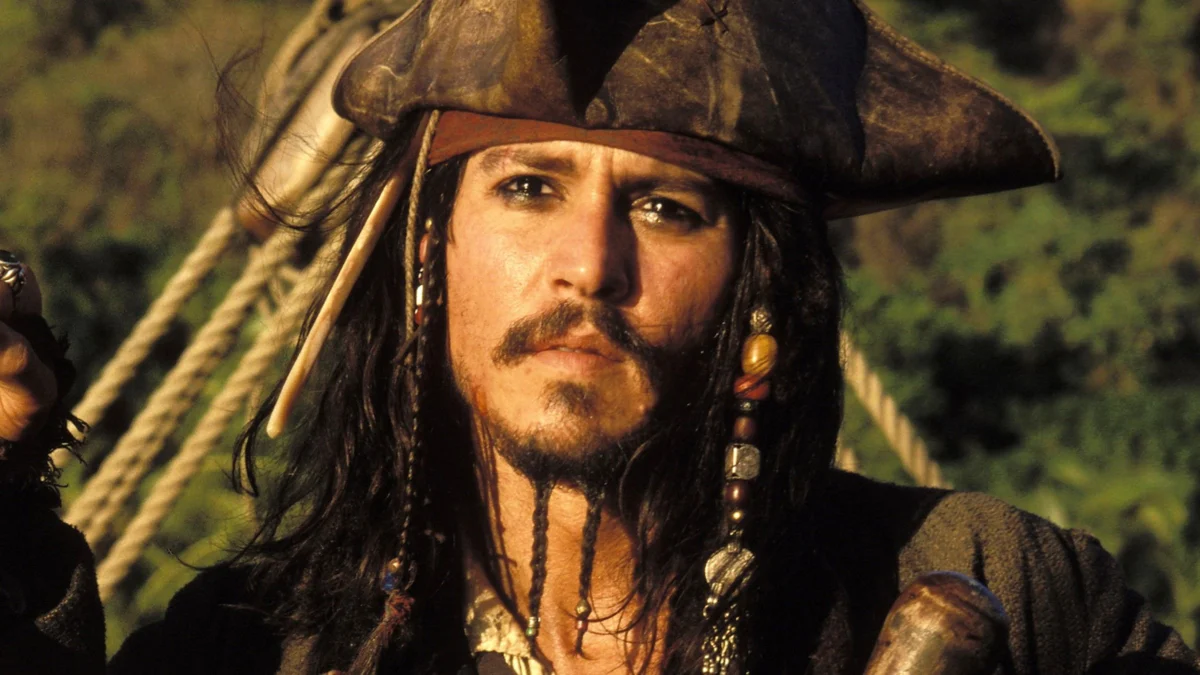
The Pirates of the Caribbean franchise remains one of the most curious success stories in Hollywood history. Based on a 1960s-era Disney theme park ride, the series defied industry skepticism in 2003 to become a global cultural phenomenon. However, as the series expanded into a multi-billion-dollar juggernaut, it faced a widening chasm between financial success and critical acclaim.
Perhaps no entry embodies this paradox more than the fourth installment, Pirates of the Caribbean: On Stranger Tides (2011). Often dismissed by critics as a bloated endeavor that lacked the heart of the original trilogy, a retrospective look reveals a film that is significantly more nuanced and entertaining than its reputation suggests. By shifting the focus to Jack Sparrow as a true protagonist and introducing a legendary historical villain, the film offered a refreshing, if misunderstood, departure from the established formula.
Main Facts: A Billion-Dollar Gamble
Released on May 20, 2011, On Stranger Tides arrived at a crossroads for Disney. The original trilogy, directed by Gore Verbinski, had reached a definitive narrative conclusion with At World’s End. To continue the brand, Disney opted for a soft reboot of sorts, bringing in director Rob Marshall (Chicago) to helm a story inspired by Tim Powers’ 1987 novel On Stranger Tides.
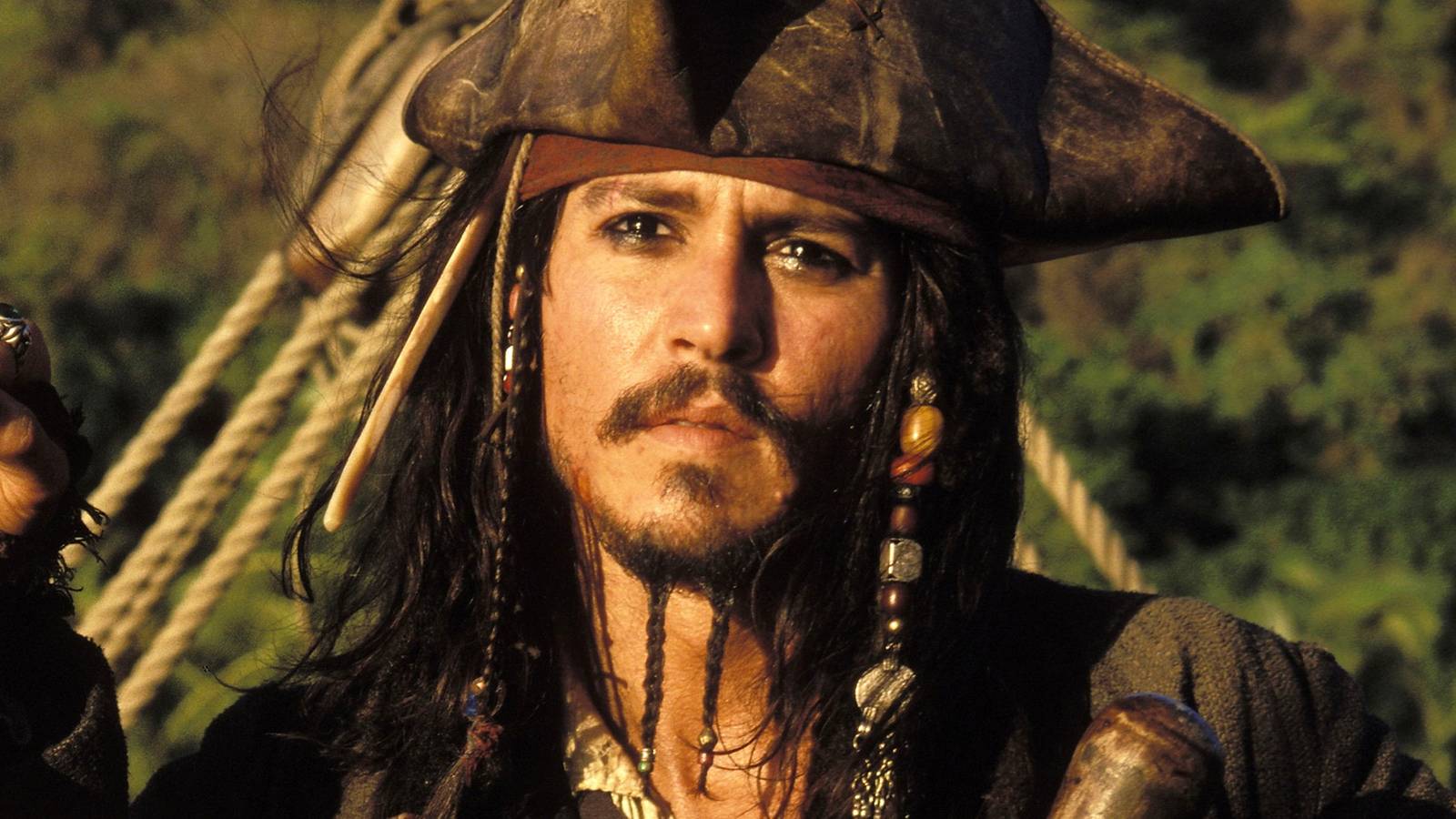
The film’s production is notable for its staggering scale. With a reported gross budget of over $410 million (and a net budget of approximately $378 million after tax credits), it holds the record for the most expensive movie ever made. This investment, while risky, paid dividends at the box office. The film grossed $1.046 billion worldwide, making it the second-highest-grossing entry in the franchise at the time. Despite this, it holds a meager 33% rating on Rotten Tomatoes, marking a significant disconnect between the "popcorn" audience and the critical establishment.
Chronology: From Trilogy to Solo Adventure
To understand why On Stranger Tides feels so different, one must look at the timeline of the franchise’s development.
- The Verbinski Era (2003–2007): The first three films focused on the "trinity" of characters: Will Turner (Orlando Bloom), Elizabeth Swann (Keira Knightley), and Captain Jack Sparrow (Johnny Depp). While Jack was the breakout star, the emotional core of the story was the romance and growth of Will and Elizabeth.
- The Departure (2008–2010): Following the conclusion of the trilogy, both Bloom and Knightley expressed a desire to move on from the series. Disney, unwilling to let a lucrative IP lie dormant, pivoted to a story that placed Jack Sparrow front and center.
- The Search for the Fountain (2011): On Stranger Tides picks up several years after At World’s End. Jack is in London, searching for a way to reach the legendary Fountain of Youth. The narrative strips away the complex East India Trading Company politics of the previous films in favor of a classic "race to the prize" adventure involving the Spanish Navy, the British Crown, and the fearsome Blackbeard.
- The Aftermath (2017–Present): The mixed reception of the fourth film led to a six-year hiatus before Dead Men Tell No Tales was released. Today, the franchise sits in a state of flux, with various reboots and spin-offs rumored to be in development.
Supporting Data: Why the Film is Underrated
While the film was criticized for a "disjointed plot," several key elements suggest it was a more creative endeavor than critics gave it credit for.

Jack Sparrow as a True Protagonist
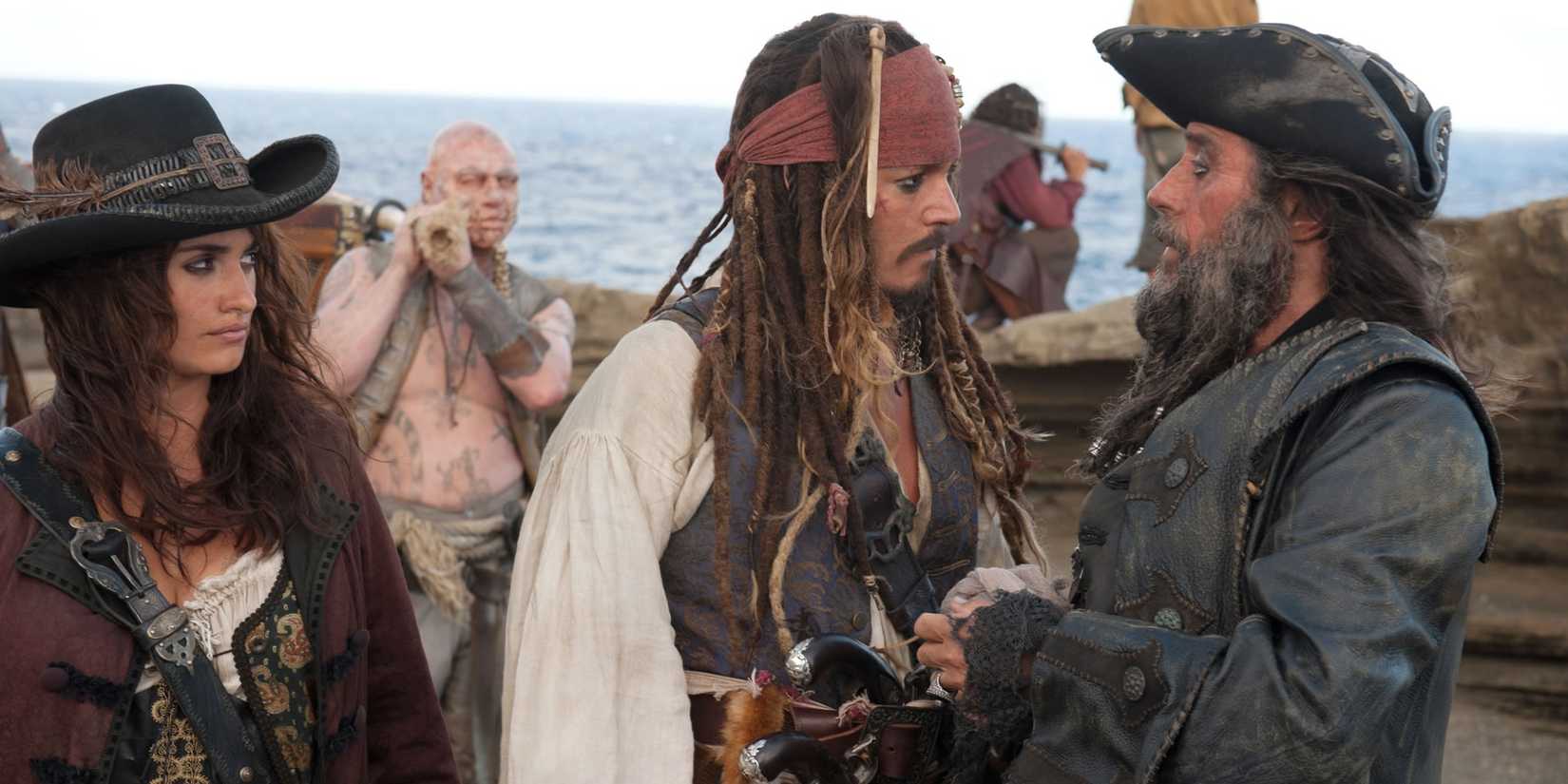
In the original trilogy, Jack Sparrow functioned as a "trickster" archetype—a chaotic force that influenced the journey of the heroes. On Stranger Tides took the bold step of making him the primary POV character. While some argued that "too much Jack" diluted his mystery, the film allowed Johnny Depp to showcase a more vulnerable, yet equally cunning, side of the character. His banter with Captain Barbossa (Geoffrey Rush), who had transitioned into a privateer for King George II, remains some of the sharpest writing in the series.
The Menace of Blackbeard
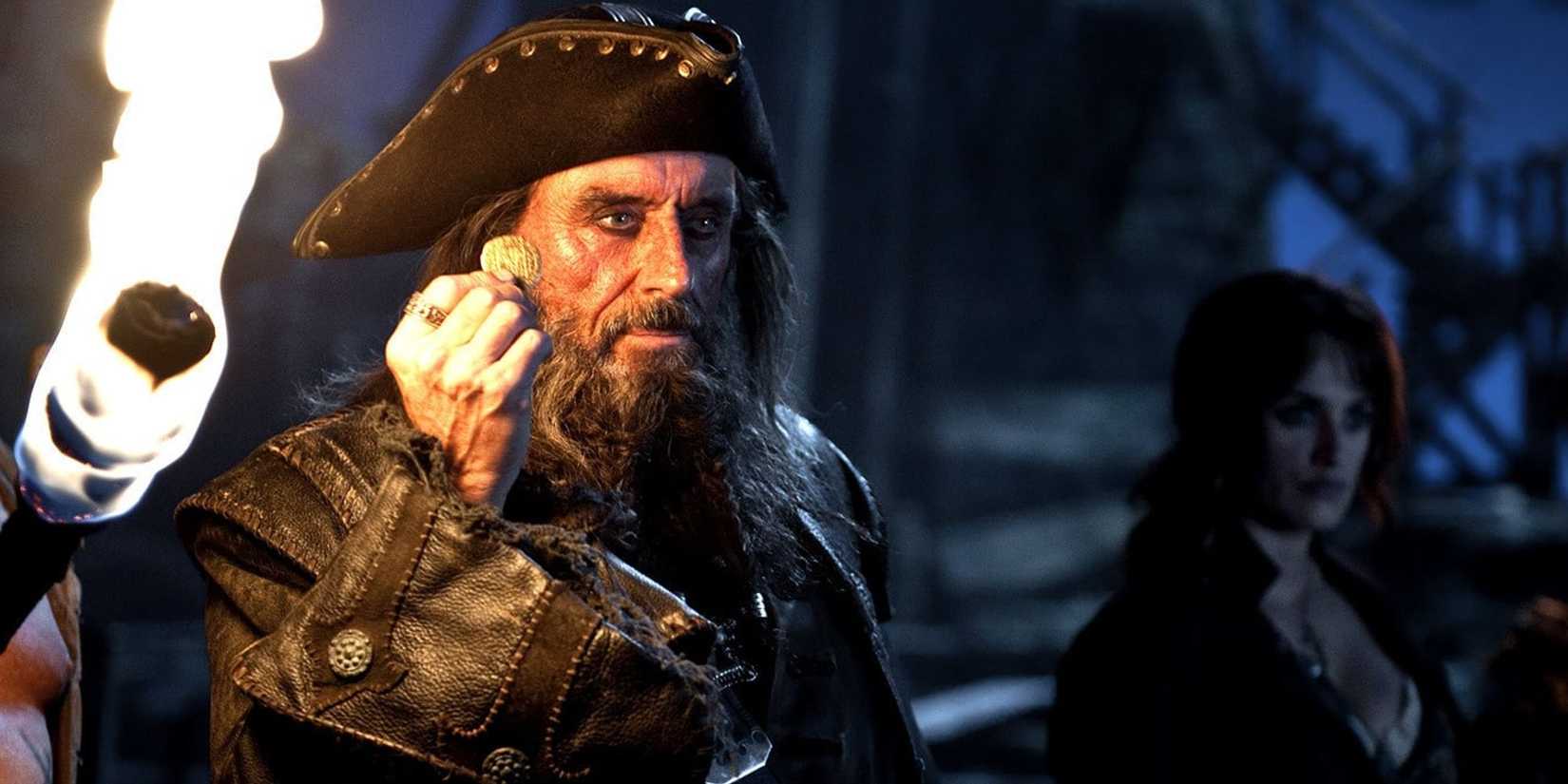
The franchise has always excelled with its villains, but Ian McShane’s Edward Teach (Blackbeard) brought a different energy. Unlike the CGI-heavy Davy Jones, Blackbeard was a grounded, psychological threat. Described as "the one pirate all pirates fear," McShane portrayed him with a cold, calculating cruelty. His motivation—a desperate quest to outrun a prophecy of his own death—added a layer of existential dread to the villain that felt more mature than the typical "world-conquering" tropes. His use of Greek fire and voodoo magic provided a dark, supernatural aesthetic that complemented the series’ lore.
Angelica and the "Convent Pirate"
The introduction of Penélope Cruz as Angelica, a former flame of Jack’s, provided a much-needed foil for the protagonist. Angelica was written as Jack’s equal in every way: a master manipulator, a skilled duelist, and a practiced liar. The revelation that she was Blackbeard’s daughter added a tragic dimension to her character, as she struggled between her loyalty to a monstrous father and her lingering feelings for a man she couldn’t trust. Cruz and Depp’s chemistry, honed from their previous work in Blow, gave the film a romantic tension that felt more adult than the Will/Elizabeth dynamic.
Technical Innovations: The Mermaid Sequence
One cannot discuss On Stranger Tides without mentioning the Whitecap Bay sequence. The film’s reimagining of mermaids as predatory, siren-like creatures was a highlight of 2011 cinema. Blending practical effects with cutting-edge CGI, the sequence was both beautiful and terrifying, providing a sequence of high-stakes action that rivaled the set pieces of the original trilogy.
Official Responses: Industry and Critical Consensus
The official reaction to the film was a study in contrasts. Disney executives publicly lauded the film’s financial performance, noting that the Pirates brand was strong enough to thrive even without its original romantic leads. Jerry Bruckheimer, the film’s producer, defended the shift in tone, stating that they wanted to provide a more "streamlined" adventure that returned to the swashbuckling roots of the genre.
Critics, however, were less kind. The Hollywood Reporter described the film as "a tired exercise in franchise extension," while Rolling Stone suggested that the series had "run out of steam." Much of the criticism was leveled at the runtime (137 minutes) and the subplot involving a missionary and a mermaid, which many felt was an unnecessary attempt to recreate the Will/Elizabeth romance.
However, in the years since its release, audience sentiment has softened. On platforms like Letterboxd and fan forums, many have pointed out that On Stranger Tides feels more like a standalone pirate adventure than the lore-heavy sequels that preceded and followed it. It is often cited as a "comfort movie" for fans of the genre.
Implications: The Future of the Seven Seas
The legacy of On Stranger Tides continues to influence the franchise’s trajectory. Its success proved that Captain Jack Sparrow was a viable solo lead, but its critical reception cautioned Disney against moving too far away from the "ensemble" feel that fans loved.
- The Shift in Casting: The lukewarm response to the new characters in the fourth film led Disney to bring back Orlando Bloom for the fifth installment, signaling a retreat to nostalgia rather than further innovation.
- Budgetary Constraints: After the record-breaking costs of On Stranger Tides, Disney significantly tightened the purse strings for Dead Men Tell No Tales, resulting in a film that felt smaller in scope despite its high-seas setting.
- The Reboot Path: As of 2024, reports suggest that Disney is looking toward a total reboot of the franchise, potentially without Johnny Depp. This marks a final departure from the "Sparrow-centric" era that On Stranger Tides inaugurated.
In conclusion, Pirates of the Caribbean: On Stranger Tides deserves a place of respect in the annals of adventure cinema. While it may not reach the heights of The Curse of the Black Pearl, it offered a daring, high-budget exploration of pirate mythology, anchored by stellar performances from McShane and Cruz. It serves as a reminder that even within the confines of a massive corporate franchise, there is room for weird, dark, and wonderfully charismatic storytelling. For those willing to look past the Rotten Tomatoes score, there is plenty of gold to be found in these stranger tides.




Leave a Comment