
Cohen Media Group Secures U.S. Rights for Olive Nwosu’s Sundance Breakout "Lady"
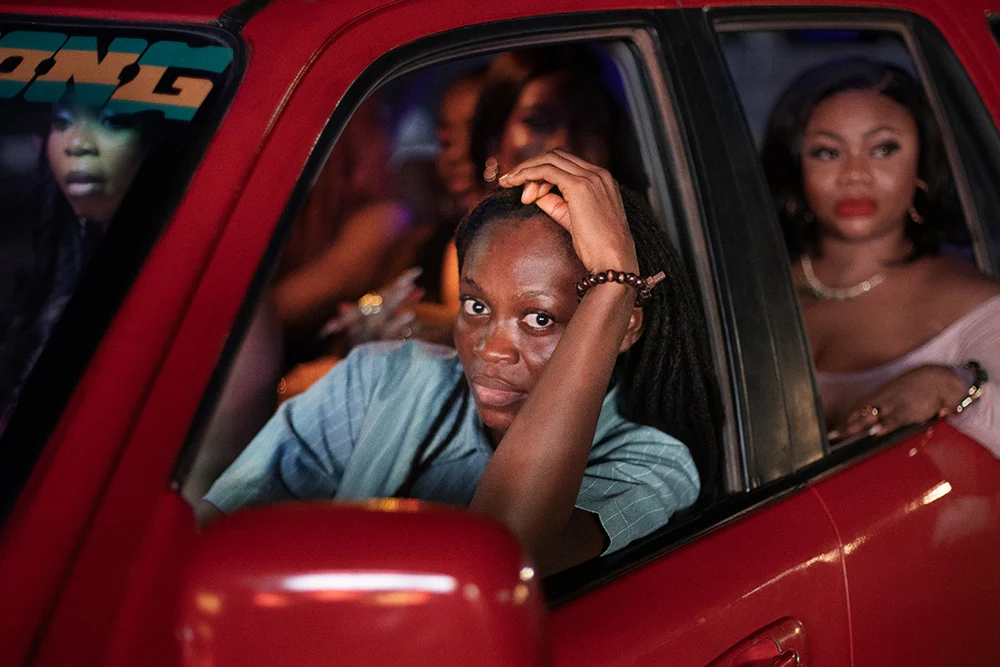
In a significant move for the landscape of international independent cinema, Cohen Media Group has officially announced the acquisition of the U.S. distribution rights for Lady, the highly anticipated debut feature from Nigerian-born writer-director Olive Nwosu. The deal, brokered following a wave of critical acclaim and festival accolades, positions Lady as one of the most prominent African-led narratives to hit American shores in the coming year.
Sold by HanWay Films, Lady arrived on the international stage with considerable momentum, having secured a prestigious Special Jury Award for Best Ensemble Cast at the Sundance Film Festival’s World Dramatic Cinema Competition. The film’s subsequent European premiere at the 2026 Berlinale further solidified its status as a critical darling, marking Olive Nwosu as a formidable new voice in global auteur filmmaking.
Main Facts: A New Milestone for Nigerian-Led Cinema
The acquisition of Lady by Cohen Media Group represents more than a standard distribution deal; it is a testament to the growing global appetite for authentic, localized stories that resonate on a universal scale. The film, a joint U.K. and Nigerian production, tells a visceral and atmospheric story set against the backdrop of the restless nights of Lagos.
At its core, Lady is an exploration of survival, sisterhood, and the pursuit of freedom in a metropolis that is as unforgiving as it is vibrant. The film stars a powerhouse ensemble including Jessica Gabriel, Amanda Oruh, Tinuade Jemiseye, Bucci Franklin, and Seun Kuti. The narrative follows Lady (Jessica Gabriel), one of the few female cab drivers in Lagos, who maintains a stoic, focused exterior to survive the city’s chaos. Her singular goal is to save enough money to escape and start a new life. However, her plans are disrupted by the return of Pinky (Amanda Oruh), a childhood friend turned sex worker, whose presence drags Lady into a glamorous, yet dangerous, underworld of nightlife and rebellion.
The deal for the U.S. rights was negotiated by Jessica Lacy at Gersh and Gabrielle Stewart, CEO of HanWay Films, acting on behalf of the filmmakers. Robert Aaronson, Executive Vice President of Cohen Media Group, spearheaded the acquisition for the distributor. The partnership ensures that Nwosu’s vision will receive a curated theatrical release, targeting an audience that values high-concept international storytelling.
Chronology: From the Sundance Lab to the Global Stage
The journey of Lady from a conceptual script to an award-winning feature is a masterclass in modern independent film development. Olive Nwosu, an alumna of the prestigious Sundance Institute’s Screenwriters and Directors Labs, spent years refining the narrative. Her involvement with the Lab provided the foundational support necessary to bridge the gap between Nigerian storytelling traditions and the technical demands of international cinema.
Development and Research (Pre-2024):
Before cameras rolled, Nwosu committed to a rigorous period of immersive research. To ensure an authentic portrayal of the marginalized communities depicted in the film, particularly the sex worker community in Lagos, she spent significant time conducting interviews and observing the daily lives of these women. This commitment to "truth over trope" became a defining characteristic of the film’s screenplay.
Production (2024-2025):
The film was produced through a collaboration of international entities, including Ossian International (led by Alex Polunin), Good Gate (led by John Giwa-Amu), and Stella Nwimo. It was developed with Film4 and received significant financial backing from the British Film Institute (BFI) via National Lottery Funding, as well as Screen Scotland, Level Forward, and Amplify Capital. This multi-national financing structure highlights the film’s status as a high-priority "bridge" project between the African and European film industries.
Festival Circuit and Accolades (2025-2026):
Lady made its world premiere at the 2025 Sundance Film Festival. It was entered into the World Dramatic Cinema Competition, a category known for launching the careers of directors like Alfonso Cuarón and Lulu Wang. The film’s ensemble cast—Gabriel, Oruh, Jemiseye, Franklin, and Kuti—was singled out for their chemistry and depth, earning the Special Jury Award. Following Sundance, the film moved to the 2026 Berlinale, where it played to packed houses and garnered rave reviews from European critics.
U.S. Acquisition (Present):
Following the Berlinale, the competitive bidding process for U.S. rights concluded with Cohen Media Group emerging as the winner, setting the stage for a wide-scale domestic rollout.
Supporting Data: The Artistry and Authenticity of "Lady"
One of the most striking elements of Lady, frequently cited by critics, is its sensory richness. The film avoids the "poverty porn" often associated with Western-funded African films, opting instead for a neon-soaked, stylish, and rhythm-heavy aesthetic that mirrors the energy of contemporary Lagos.
The Soundtrack: A Cultural Bridge
A major pillar of the film’s identity is its soundtrack. Olive Nwosu utilized music not just as a background element, but as a narrative driver. The score blends contemporary African jazz with high-energy dance music. It features a curated selection of tracks from local Lagosian artists like EDAOTO and Deto Black, while also incorporating voices from the African diaspora, such as Mercury Prize winner Little Simz, Obongjayar, and the Afrobeat collective BANTU. This sonic landscape serves to connect the local experience of Lagos to the global Black experience, making the film feel both grounded and expansive.
Technical and Impact Partnerships
The film’s reach is being bolstered by Level Forward, a production company known for its focus on social impact. Level Forward is tasked with managing Lady’s community distribution and its "impact campaign." This initiative aims to use the film as a catalyst for discussions regarding women’s labor rights and the decriminalization of sex work in West Africa. By pairing high-art cinema with social activism, the producers are ensuring that Lady has a legacy beyond the box office.
Production Pedigree
The involvement of Film4 and the BFI underscores the film’s quality. These organizations are selective, usually backing projects that demonstrate a high degree of artistic innovation. The co-production by Lagos-based Emperium Films (Adé Sultan Sangodoyin and Jamiu Shoyode) ensured that the production remained rooted in the local industry, providing jobs and training for Nigerian crew members.
Official Responses: A Commitment to New Voices
The executives involved in the deal have expressed a shared vision for the film’s potential to bridge cultural divides.
Robert Aaronson, EVP of Cohen Media Group, expressed his enthusiasm for the project, stating: "We’re proud and grateful to champion a new and exciting international voice in cinemas to American audiences. Olive and her Sundance-winning cast illuminate the personal and political with impressive depth and specificity, while showing us their vibrant world with fun and incredible music."
Aaronson’s comments highlight a shift in Cohen Media Group’s strategy, moving toward "vibrant" and "contemporary" international features alongside their traditional roster of classic European cinema. The emphasis on the "fun and incredible music" suggests a marketing strategy that will highlight the film’s accessibility and stylistic flair.
Gabrielle Stewart, CEO of HanWay Films, noted the importance of finding a distributor that understands the nuance of the film. "Olive Nwosu has created something truly special—a film that is as much a love letter to the women of Lagos as it is a thrilling cinematic ride. Cohen Media Group is the perfect home for this film, given their history of nurturing auteur-driven cinema."
Implications: The Rise of the "New Nigerian Cinema"
The acquisition of Lady carries significant implications for the Nigerian film industry, often referred to as Nollywood. Historically, Nollywood has been known for its high-volume, low-budget direct-to-video output. However, the last decade has seen the emergence of "New Nigerian Cinema"—a movement characterized by higher production values, narrative complexity, and a focus on the international festival circuit.
Breaking the "Foreign Language" Barrier
Lady represents a successful attempt to break through the "glass ceiling" that often limits African films in the U.S. market. By securing a deal with a prestige distributor like Cohen Media Group, the film moves out of the "niche" category and into the mainstream conversation of independent cinema. This success paves the way for other Nigerian filmmakers to seek international financing and distribution.
The Gendered Lens in African Storytelling
The film also marks a shift in the types of stories being exported from the continent. While many internationally successful African films have focused on political strife or historical trauma, Lady focuses on the interior lives of women, their friendships, and their agency. It presents a female-centric view of urban Africa that is rarely seen in Western theaters.
A Model for International Co-Production
The financial success and critical acclaim of Lady provide a blueprint for future co-productions. By combining the institutional support of European bodies like the BFI and Screen Scotland with the local expertise of Nigerian producers at Emperium Films, the project achieved a level of polish and authenticity that is difficult to reach through a single-country production.
As Lady prepares for its U.S. theatrical debut, the industry will be watching closely. Its performance will likely influence how American distributors approach African content in the future. For now, Olive Nwosu stands as a beacon of the potential of Nigerian storytelling, proving that the restless nights of Lagos can find a home in the hearts of audiences worldwide.



Leave a Comment