
Eurydice I: The Matriarch Who Forged Ancient Macedonia’s Destiny
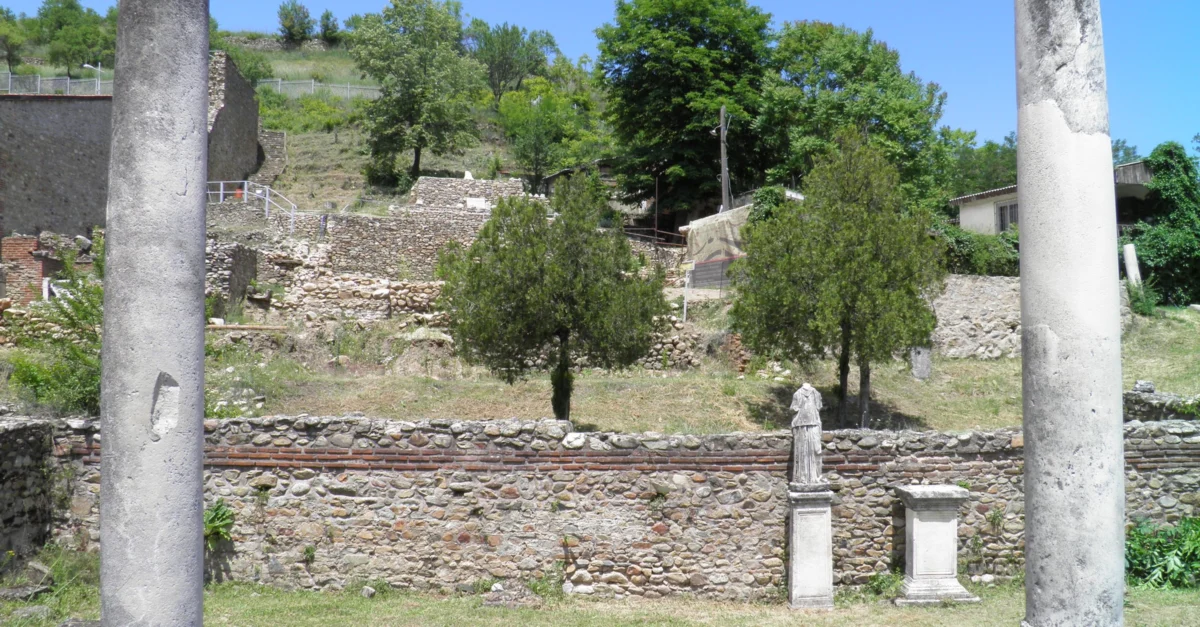
VERGINA, MACEDONIA – In the annals of ancient history, where male monarchs often cast long shadows, the figure of Eurydice I emerges as a beacon of female influence, a queen whose strategic acumen and unwavering determination profoundly shaped the destiny of ancient Macedonia. Born into the royal house of Lynkestis around 410 BCE, Eurydice I is not merely a historical footnote but the earliest known queen to wield significant political power, laying the groundwork for a lineage that would produce some of history’s most formidable leaders: her son, Philip II, and her grandson, Alexander the Great. Her story challenges the traditional male-dominated narrative, revealing a dynamic and often precarious world where royal women were increasingly pivotal to the survival and succession of the state.
The Dawn of a Matriarch: Main Facts and Enduring Influence
Eurydice I’s life spanned a turbulent period in Macedonian history, marked by political instability, foreign threats, and fierce struggles for the throne. Her marriage to King Amyntas III of Macedon (circa 420-370/369 BCE) cemented a crucial alliance, but it was after his death that her true political genius came to the fore. As the mother of three sons who would all eventually rule—Alexander II, Perdiccas III, and the legendary Philip II—Eurydice I navigated a treacherous landscape of regicide, usurpation attempts, and external invasions with remarkable skill.
She served as a classical model for the powerful Hellenistic queens who would follow, many of them her own descendants, including Olympias (Alexander the Great’s mother), Cynane, Adea-Eurydice, Thessalonike, and Cleopatra of Macedon. These women, inspired by or building upon the precedents set by Eurydice, exercised varying degrees of power, autonomy, and authority, fundamentally altering the role of royal women in the Hellenic world.
Her impact was so profound that she received enduring tributes, both verbal and material. Philip II, in a clear act of filial reverence and political assertion, fundamentally developed her birthplace into the major city of Heraklia Lynkestis around 358 BCE. Decades later, the Athenian orator Aeschines, in his famous speech On the Embassy, lauded her decisive actions during a moment of profound crisis, cementing her place in the public consciousness as a sagacious and courageous leader. Perhaps the most significant recognition came from her grandson, Alexander the Great, who included her statue in the magnificent Philippeion at Olympia, a testament to her foundational role in the Argead dynasty.
A Tapestry of Time: Eurydice I’s Chronology
The life of Eurydice I unfolds against a backdrop of continuous political maneuvering and conflict, demonstrating her resilience and foresight.
Early Life and Strategic Union
Born sometime between 410 and 407 BCE, Eurydice hailed from the royal house of Lynkestis, a powerful kingdom to the west of early Macedonia. Her birthplace was likely the main urban center of Lynkestis, a domain ruled by her maternal grandfather, Arrhabaeus. According to Strabo, Arrhabaeus was a descendant of the Bacchidae family, exiled Corinthians who had established control over Upper Macedonia, suggesting a shared, albeit complex, ancestral heritage between Lynkestis and the Macedonian royal house.
Eurydice’s father, Sirras, was a distinguished commander whose ethnic background remains a subject of scholarly debate, possibly Illyrian or Lynkestian. What is certain is his pivotal role in the Lynkestian victory at the Battle of Lynkestis in 423 BCE. This conflict arose from King Perdiccas II of Macedonia’s expansionist ambitions. Sirras is believed to have convinced powerful Illyrian allies to switch allegiance, turning the tide against the Macedonians and securing Lynkestian independence. This strategic alliance was solidified by the marriage of Arrhabaeus’s daughter, Irra, to Sirras.
It was into this intricate web of alliances and rivalries that King Amyntas III of Macedon sought Eurydice’s hand in marriage around 390 BCE. Amyntas III had ascended the throne in 393/2 BCE, ending a decade of brutal instability and regicide following the murder of King Archelaus I. His reign began under immense pressure from foreign invasions and internal threats, forcing him to meticulously forge a network of powerful allies. After being briefly driven from his throne by an Illyrian invasion, he regained power with Thessalian assistance. He then allied with the Olynthians and even adopted the Athenian commander Iphicrates as his son to secure ties with Athens and Thrace. Marrying Eurydice of Lynkestis was the final, crucial piece in his strategic puzzle, uniting his kingdom with a historically formidable neighbor and former adversary.
The Queen Mother’s Crucible
Eurydice I bore Amyntas III three sons—Alexander II (circa 388-367 BCE), Perdiccas III (circa 384/5-359 BCE), and Philip II (circa 383/2-336 BCE)—and possibly a daughter. Amyntas III died peacefully in 370/369 BCE, leaving behind a relatively stable and prosperous kingdom. However, his death immediately plunged Macedonia back into political turmoil.
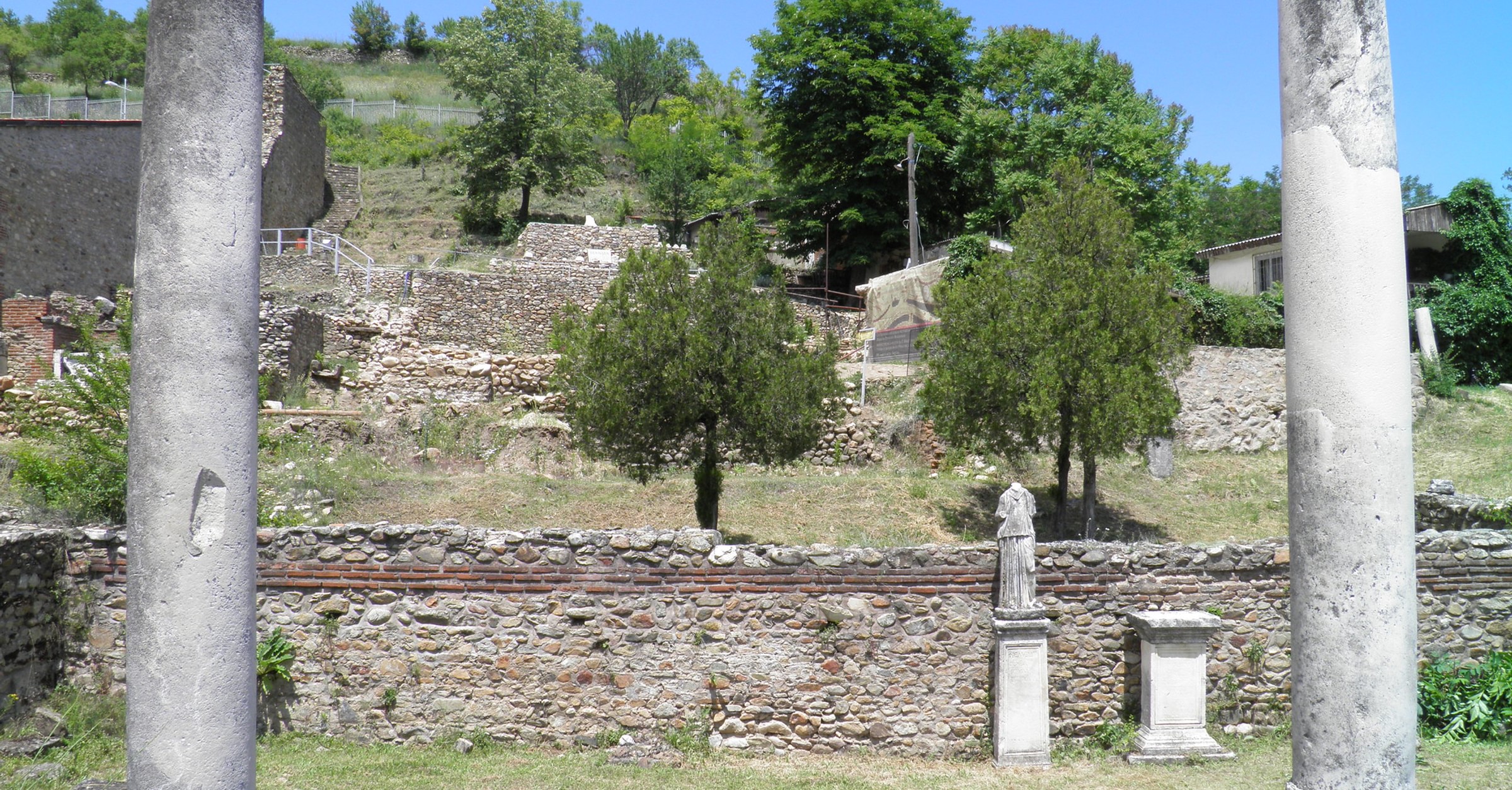
Eurydice’s skills and influence, though largely unrecorded during Amyntas’s lifetime, became dramatically evident in this chaotic period. Upon Alexander II’s succession, Macedonia faced renewed Illyrian invasions, internal divisions among noble families, and a surge of claimants to the throne. Two prominent "throne-hunters" were Ptolemy of Aloros and Pausanias. Roman historian Justin presents a highly controversial account, alleging that Ptolemy, a relative of the Argeads, was Eurydice’s secret lover who conspired with her to murder Amyntas III and later assassinated Alexander II. In this narrative, Eurydice then married Ptolemy and made him regent to her second son, Perdiccas III, while Philip II was taken hostage by the Illyrians.
However, modern scholarship largely rejects the scandalous details of Justin’s account, recognizing it as a biased and possibly politically motivated portrayal. What remains clear is Eurydice’s undeniable political influence. Faced with the threat from Pausanias, who was gathering support with a Greek force, Eurydice took decisive action. Aeschines, in his speech, describes her appeal to the Athenian general Iphicrates, a former ally of Amyntas III. Though Aeschines’ account contains exaggerations (depicting Philip as a helpless child when he was likely a teenager), it vividly portrays Eurydice’s shrewd diplomacy. She invoked Amyntas’s past friendship with Iphicrates and Athens, presenting her young sons (Perdiccas and Philip) to him, thereby placing them under his protection and reminding him of his familial ties to the Argead house. This act secured the safety of her children and rallied crucial Athenian support against Pausanias and potentially Ptolemy.
Ptolemy of Aloros did serve as regent for a brief period (368-365 BCE), struggling to maintain stability against internal opposition. Ultimately, Perdiccas III, upon reaching maturity, returned and eliminated Ptolemy in 365/4 BCE, taking the throne himself. Perdiccas ruled until 359 BCE, when he fell in battle against the Illyrians. It was then that Philip II, disregarding the customary right of his young nephew, first declared himself regent and soon after seized the throne, cementing the lineage Eurydice had so fiercely protected. This defiance of traditional inheritance rules underscores the power of being a son of Amyntas III and Eurydice I, demonstrating that lineage and maternal influence could supersede rigid succession laws.
Posthumous Recognition and Lasting Echoes
After her appeal to Iphicrates, Eurydice largely disappears from the historical record, her date of death unknown. It is presumed she was no longer alive by 343 BCE when Aeschines delivered his speech, as he would likely have sought her direct testimony. However, her legacy was meticulously preserved and celebrated by her powerful descendants.
Philip II’s renaming of her birthplace as Heraklia Lynkestis, a major city, served as a profound tribute, celebrating his mother’s heritage and integrating it into the fabric of his burgeoning empire. Aeschines’ speech, though delivered for political ends, provided a near-contemporary account of her courage and diplomatic skill during a critical period, ensuring her actions were remembered.
The most monumental recognition came from Alexander the Great. In 338 BCE, after his decisive victory at the Battle of Chaeronea, Philip II began constructing a sanctuary of Zeus at Olympia. Upon Philip’s assassination in 336 BCE, Alexander completed the project, commissioning the renowned sculptor Leochares to create five chryselephantine statues. These depicted Alexander himself, his parents Philip II and Olympias, and his grandparents, Amyntas III and Eurydice I. Though the statues are lost, Eurydice’s name remains visible on one of the surviving pedestals, a permanent testament to her esteemed position within the Argead royal family.
Further archaeological discoveries have illuminated Eurydice’s self-perception. Inscriptions found at Vergina (1982, 1990) and Palatitsia (1983) dedicate offerings to Eukleia, a goddess associated with Artemis and maidens. Each inscription reads: "Eurydice, daughter of Sirras." While some scholars initially linked these to her marriage preparations around 390 BCE, the later dating of the Palatitsia inscription suggests they might also represent a conscious assertion of her identity as an autonomous woman, emphasizing her lineage rather than solely defining her through her marital status as "wife of Amyntas III." This subtle but significant choice highlights a queen who, even in her self-presentation, sought to establish an identity independent of her powerful husband.
Unveiling the Queen: Supporting Data and Historical Nuances
Eurydice I’s narrative is enriched by various historical sources and modern scholarly interpretations, which together paint a complex picture of a woman operating at the heart of power.
Lineage and Political Chessboard
Eurydice’s Lynkestian origins were more than just a birthright; they represented a powerful, independent kingdom whose strategic importance Amyntas III fully grasped. The Bacchidae connection, as reported by Strabo, suggests a prestigious, if exiled, Greek heritage that added to Lynkestis’s standing. Her father, Sirras, was not just a noble but a proven military leader who played a decisive role in thwarting Macedonian expansionism in 423 BCE. This history meant that Amyntas III’s marriage to Eurydice was not merely a romantic union but a calculated political maneuver, transforming a powerful regional rival into a valuable ally. Amyntas III’s precarious early reign, marked by Illyrian invasions and internal strife, underscored the necessity of such alliances. His diplomatic efforts, ranging from Thessaly to Athens, demonstrate a king keenly aware of his vulnerabilities, and Eurydice’s hand in marriage completed his "collection of strategic alliances," securing his western flank.
Education, Power, and Conflicting Narratives
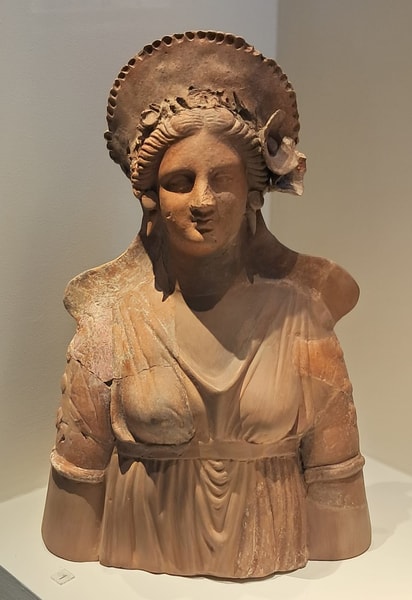
One of the most intriguing aspects of Eurydice’s life, particularly given her era, is the evidence of her literacy. Plutarch, in his On the Education of Children, records that Eurydice sent a gift to the Muses in gratitude for her and her children’s literacy education. In the ancient Greek world, reading and writing were privileges largely reserved for the elite, and even then, primarily for men. While Macedonian royal men received varying levels of education, women’s access was more ambiguous. However, scholars like Elizabeth Donelly Carney, a leading authority on Macedonian women and power, emphasize that royal women often received significant education, precisely because they might be called upon to manage affairs in the absence or death of their husbands – a frequent occurrence in the volatile Macedonian court. Eurydice’s documented literacy positions her as an early exemplar, suggesting a conscious investment in the intellectual capabilities of royal women, anticipating their potential for political agency.
The conflicting accounts of Justin and Aeschines highlight the challenges of interpreting ancient historical figures, particularly women. Justin’s portrayal of Eurydice as a "scheming adulteress" who conspired in regicide likely reflects a Roman historical tradition that often viewed powerful women with suspicion, or perhaps relied on hostile Macedonian propaganda. Conversely, Aeschines, an Athenian orator with his own political agenda (persuading Philip II), presented Eurydice as a courageous and astute queen who saved her sons and the kingdom. Modern scholars have largely dismissed the allegations of a love affair with Ptolemy of Aloros, finding them unsupported by corroborating evidence and likely slanderous. Instead, they focus on the core agreement that Eurydice possessed significant political influence, so much so that her support or consent was essential for maintaining power. Her era marks a crucial shift where the influence and capabilities of royal women became undeniably apparent, paving the way for the first recognized Macedonian queen regents like Cleopatra and Thessalonike, who were notably her granddaughters.
Material and Rhetorical Tributes
The honors bestowed upon Eurydice I were not mere ceremonial gestures; they were significant political statements. Philip II’s renaming and development of Heraklia Lynkestis was a powerful act of integrating his maternal heritage into his expanded kingdom, solidifying his own legitimacy by honoring his mother and her origins. It represented a symbolic annexation and transformation of a once-rival territory into a loyal part of the Argead realm, linked directly to the queen mother.
Aeschines’ speech, delivered in 343 BCE, serves as a crucial near-contemporary witness to Eurydice’s actions. While the orator’s embellishments (such as depicting Philip as a "little boy") served his rhetorical purpose, the core narrative of Eurydice’s appeal to Iphicrates resonates with historical plausibility. It demonstrates her capacity to leverage existing alliances and her familial connections to secure the future of her sons and, by extension, the Macedonian throne. This public validation, even with its inaccuracies, testifies to her recognized political competence during a dire crisis.
Alexander the Great’s inclusion of Eurydice’s statue in the Philippeion at Olympia was perhaps the ultimate posthumous honor. This chryselephantine monument, featuring the Argead royal family, positioned Eurydice not just as a queen, but as a foundational matriarch, equal in status to her husband, Amyntas III, and integral to the dynastic legacy that culminated in Alexander himself. It was a clear, unambiguous statement of her importance to the greatest Macedonian king.
Finally, the Eukleia inscriptions, with their simple yet profound declaration "Eurydice, daughter of Sirras," offer a unique glimpse into her self-identity. The repeated emphasis on her patrilineal descent, rather than her marital status, suggests a deliberate choice to assert her independent lineage and perhaps her personal agency. In an era where women were often defined solely by their relationships to men, these inscriptions hint at a queen who understood the power of her own origins and sought to preserve that distinct identity, perhaps as a means to solidify her authority amidst the ever-shifting political currents.
Official Recognition and the Weight of History
The official responses to Eurydice I’s actions and status, whether through state pronouncements or public monuments, underscore her profound impact on Macedonian history.
State-Sanctioned Commemorations
Philip II’s decision to rename and rebuild his mother’s ancestral city as Heraklia Lynkestis was a potent symbol of state recognition. It was an act that simultaneously honored his mother and consolidated his control over a strategically vital region. By linking his imperial expansion to his maternal lineage, Philip legitimized his rule and solidified his connection to a powerful regional heritage. This was not a private tribute but a public declaration embedded in the very landscape of his kingdom.
Aeschines’ public address, while part of a diplomatic mission, served as an official narrative of Eurydice’s past heroism. In an age before widespread media, such speeches were critical in shaping public perception and historical memory. His vivid recounting of her appeal to Iphicrates transformed a moment of personal vulnerability into an act of statecraft, imbuing her with the gravitas of a historical precedent for Macedonian resilience and diplomatic cunning.
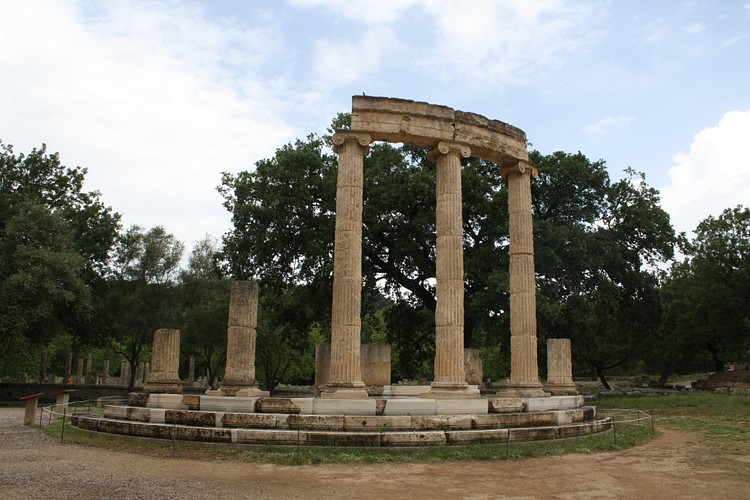
Alexander the Great’s decision to include Eurydice in the Philippeion at Olympia elevated her status to an almost divine level. The Philippeion was a grand statement of Argead power and legitimacy, erected in the most sacred of Greek sites. Placing her alongside the foundational figures of the dynasty, including Zeus, affirmed her as an indispensable part of the Macedonian royal mythos. This act was not merely filial piety but a calculated political move to strengthen the image of the Argead dynasty through its matriarchal roots.
Personal Assertions within Public Space
The dedicatory inscriptions to Eukleia, "Eurydice, daughter of Sirras," represent a fascinating intersection of personal assertion and public declaration. While dedicated by her, they were public monuments. Her deliberate choice to identify herself by her father’s name, rather than as "wife of Amyntas III," is striking. It suggests a conscious effort to root her identity in her Lynkestian heritage, emphasizing a pre-marital, autonomous self. This was a subtle but powerful rejection of being solely defined by her husband, even a king. In a society where women’s identities were often subsumed by their male relations, Eurydice’s inscriptions stand as an early testament to a royal woman asserting her individual lineage and inherent worth, contributing to a broader understanding of female agency in the ancient world.
Enduring Echoes: Implications for Macedonian and Hellenistic History
Eurydice I’s life and legacy reverberate throughout Macedonian and Hellenistic history, offering critical insights into the evolving roles of women in power and the intricate dynamics of royal succession.
A Precedent for Female Power
Eurydice’s most significant implication lies in her role as a trailblazer for female political agency. Before her, the public and political impact of Macedonian royal women were largely unrecorded. Her actions demonstrated that a queen, even a queen mother, could be a decisive force in state affairs, not merely a consort or a figurehead. This set a powerful precedent for her successors, particularly the formidable Hellenistic queens who followed. Olympias, her daughter-in-law, and later queens like Cynane, Adea-Eurydice, Thessalonike, and Cleopatra of Macedon, all exercised varying degrees of political and military power, often serving as regents, commanders, or diplomatic agents. Eurydice I can be seen as the foundational figure in this lineage of powerful women, effectively challenging the male-dominated historiography of the era and demonstrating that royal women were active participants, not just passive observers, in the great game of ancient politics.
The Dynamics of Succession
Eurydice’s interventions during the turbulent successions of Alexander II and Perdiccas III highlight the often-brutal realities of Macedonian royal inheritance. Her strategic appeal to Iphicrates saved her young sons and, crucially, protected the Argead lineage that would ultimately produce Philip II and Alexander the Great. Her influence in securing the throne for her sons, despite the customary inheritance rules being challenged, underscores the complex interplay of bloodline, strategic alliances, and individual political maneuvering in Macedonian succession. Her story reveals that while patrilineal descent was paramount, a powerful and politically astute queen mother could be the linchpin in ensuring the continuity of the dynasty amidst a constant cycle of regicide and usurpation.
The Power of Narrative and Memory
The contrasting historical accounts of Eurydice by Justin and Aeschines serve as a powerful reminder of the subjective nature of historical records. Her story exemplifies how an individual’s image can be constructed and contested through different narratives, often reflecting the biases and political agendas of the authors. Yet, despite these discrepancies, the consensus among modern scholars affirms her undeniable influence. Her ability to secure her sons’ futures, her literacy, and the official honors bestowed upon her, cement her status as a figure of profound historical importance. Her legacy is not just about her individual actions but also about how her memory was preserved and utilized by her powerful descendants to legitimize their own rule.
In conclusion, Eurydice I stands as a towering figure in ancient Macedonian history. Far from being confined to the domestic sphere, she was a shrewd diplomat, a protective matriarch, and a political force whose intelligence and courage ensured the survival of the Argead dynasty. Her life laid the groundwork for the era of powerful Hellenistic queens, demonstrating that in the tumultuous world of ancient Macedonia, a queen’s impact could be as decisive and enduring as any king’s. Her story continues to resonate, reminding us that history, when re-examined, often reveals the profound contributions of those previously relegated to the shadows.


Leave a Comment