
Forza Horizon 5’s Ray Tracing: A Visual Boon or a Performance Burden?
A Deep Dive into the Latest Racing Title’s Graphics Dilemma
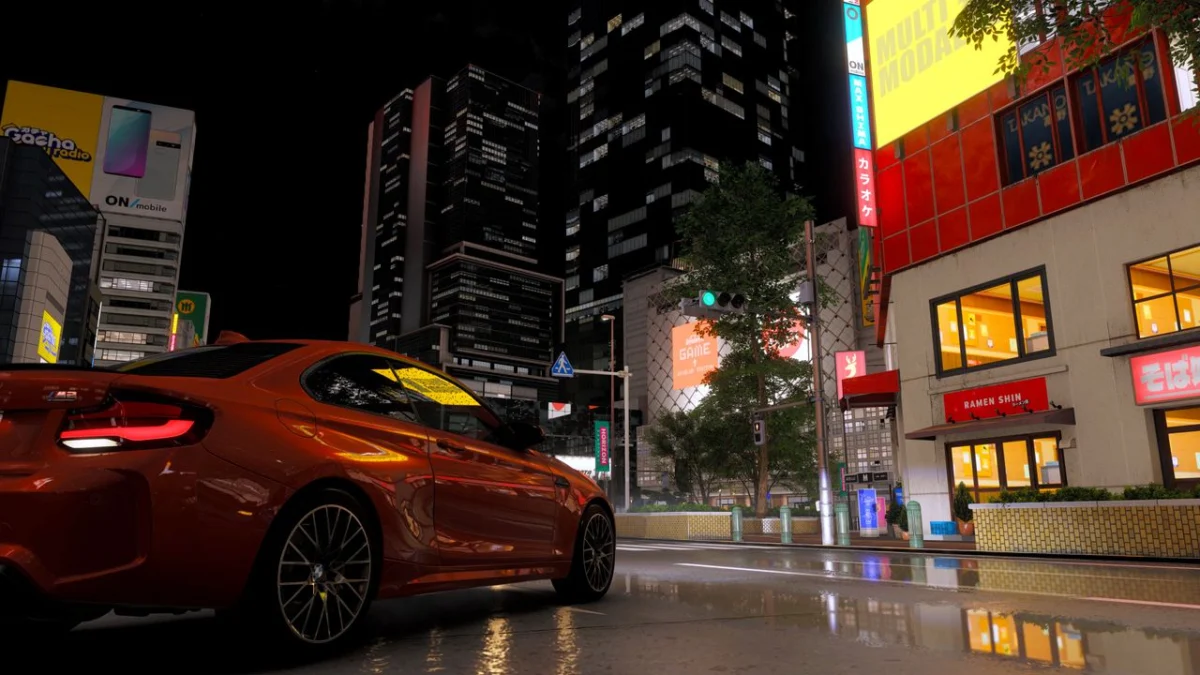
Forza Horizon 5, the latest installment in the critically acclaimed racing franchise, has once again pushed the boundaries of visual fidelity in the gaming world. With its stunning open-world environments and meticulously crafted vehicles, players are treated to a feast for the eyes. However, a recent deep dive into the game’s graphical options has revealed a nuanced debate surrounding its implementation of ray tracing, a cutting-edge rendering technique that promises unparalleled realism. While the technology is present and functional, a growing sentiment suggests that its impact on visual enhancement may not fully justify the significant performance cost it incurs on many gaming PCs.
This article will explore the intricacies of Forza Horizon 5’s ray tracing features, examining their technical implementation, the visual differences they present, and the tangible performance implications for players. We will dissect the trade-offs involved, consider the developer’s potential design choices, and analyze what this means for the future of graphical realism in PC gaming.
The Allure of Realism: Understanding Ray Tracing
Ray tracing is a rendering technique that simulates the physical behavior of light in real-time. Unlike traditional rasterization, which approximates how light interacts with surfaces, ray tracing actually traces the path of individual light rays as they bounce off objects, refract through transparent materials, and cast shadows. This process allows for incredibly realistic lighting, reflections, and shadows, adding a profound sense of depth and immersion to virtual environments.
In Forza Horizon 5, ray tracing is primarily applied to two key areas: reflections and global illumination.
- Ray-Traced Reflections (RTR): This feature aims to provide highly accurate reflections on shiny surfaces. Traditional screen-space reflections, while often effective, can suffer from limitations. They only reflect what is currently visible on the screen, leading to inconsistencies when objects are off-camera or partially obscured. Ray-traced reflections, on the other hand, can capture reflections of the entire scene, resulting in more coherent and detailed mirror images on car bodies, puddles, and other reflective elements.
- Ray-Traced Global Illumination (RTGI): This aspect of ray tracing deals with how light bounces indirectly from one surface to another, illuminating the entire scene more naturally. It influences ambient lighting, soft shadows, and the overall mood and atmosphere of a location. Properly implemented RTGI can make scenes feel more cohesive and lifelike, particularly in complex environments with multiple light sources.
The Visual Divide: A Tale of Two Presets
To understand the impact of ray tracing in Forza Horizon 5, a direct visual comparison is essential. By toggling the ray tracing options on and off while maintaining other graphical settings at their maximum, a clear distinction emerges.
On the Left: The "Extreme" Preset (No Ray Tracing)
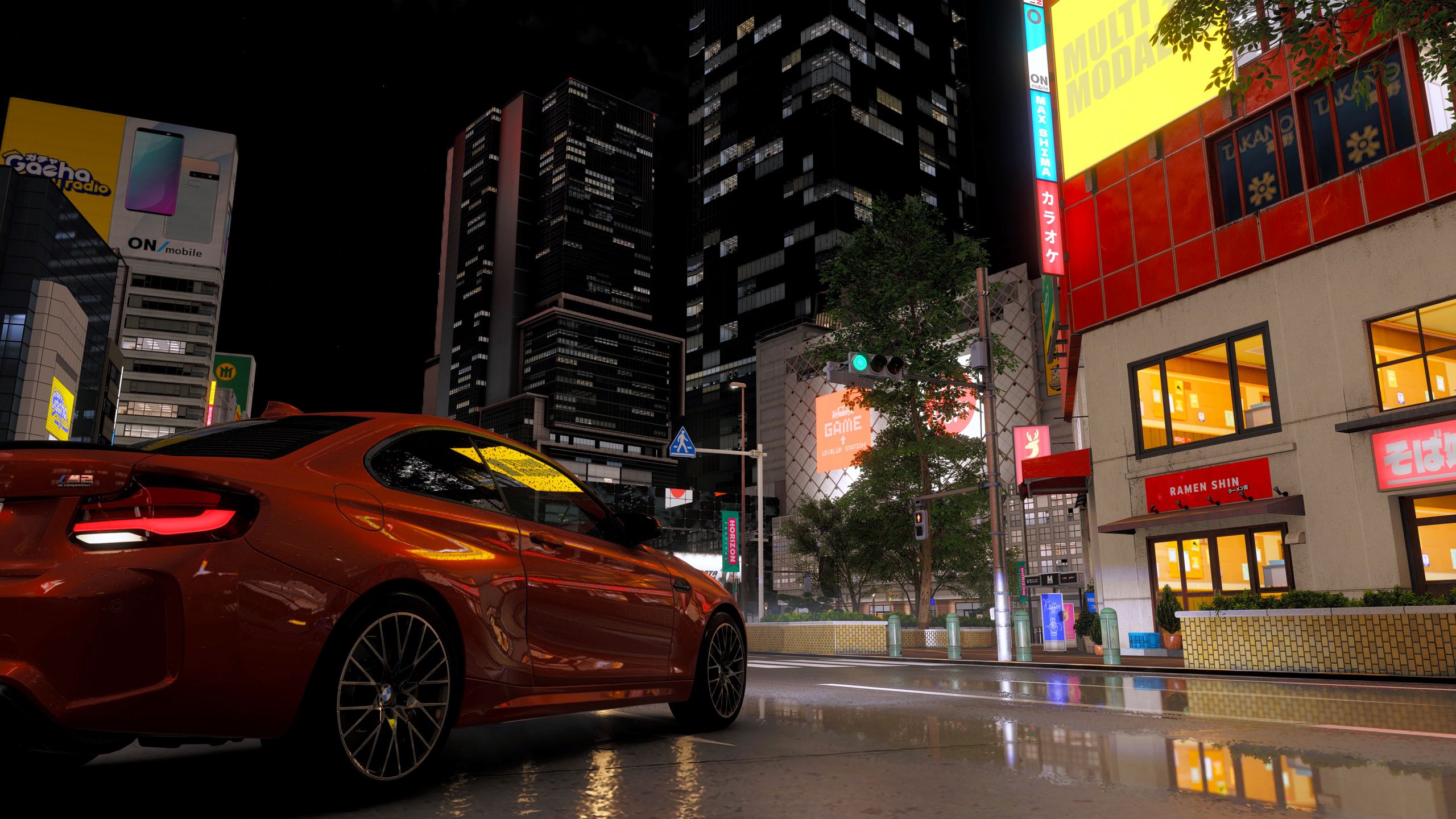
When Forza Horizon 5 is set to its "Extreme" preset, excluding the ray tracing options, the game already presents a visually stunning spectacle. The environments are richly detailed, with vibrant foliage, intricate road textures, and a convincing sense of scale. Vehicles are rendered with meticulous attention to detail, from their paint jobs to their internal components. In this mode, screen-space reflections provide a decent approximation of reality on the cars’ surfaces, and the overall lighting, while good, relies on traditional rasterization techniques.
On the Right: The "Extreme + Ray Tracing" Preset
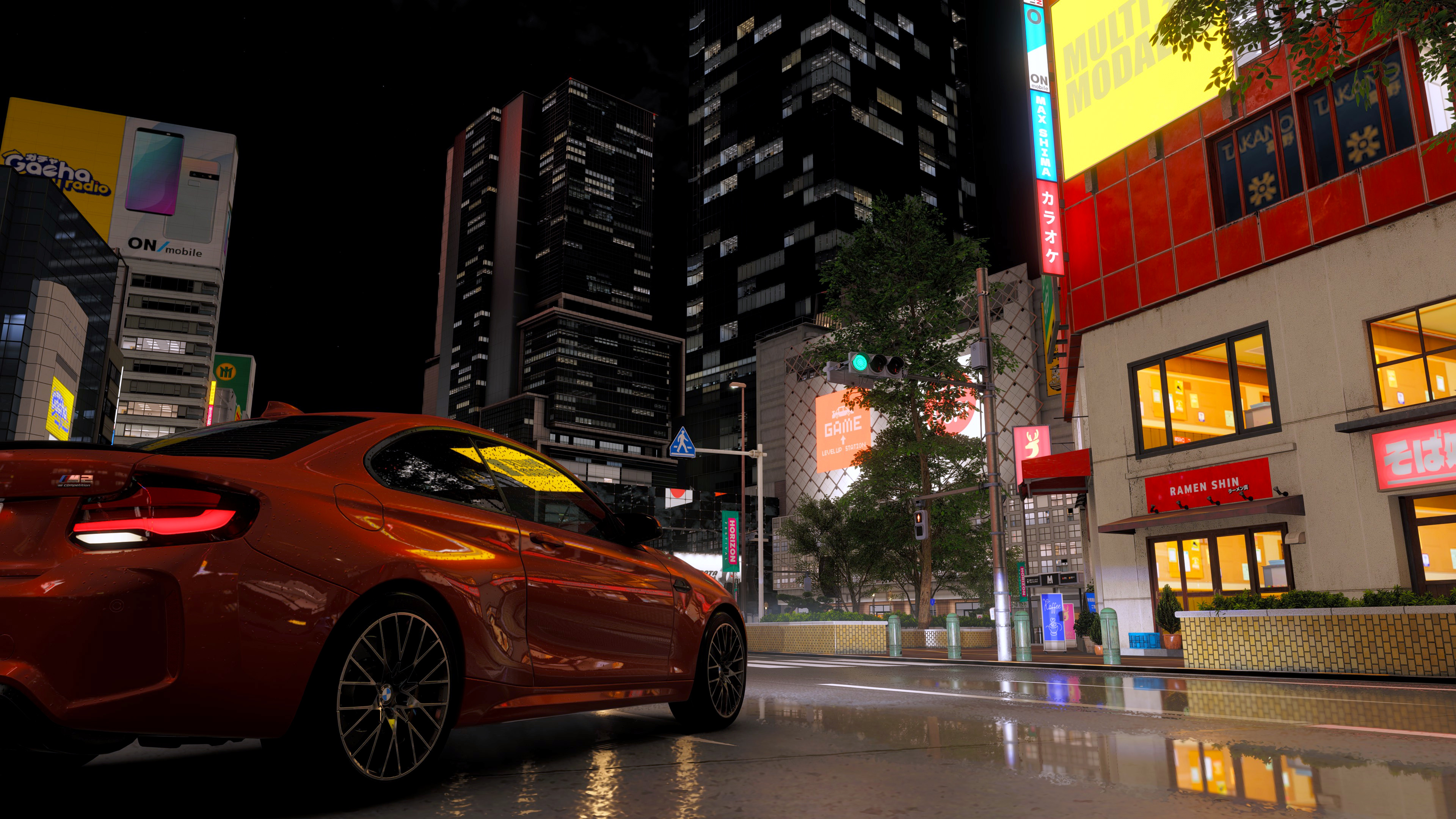
Enabling ray tracing introduces a subtle yet noticeable enhancement to the visual experience. The most immediate difference is observed in the reflections. On shiny car bodies, the ray-traced reflections are indeed sharper, more accurate, and more comprehensive. They capture a wider range of the environment, leading to a more believable portrayal of the car’s surroundings. Puddles and other wet surfaces also benefit, offering more realistic mirroring effects.
However, the impact of RTGI is where the debate intensifies. While it aims to provide more natural indirect lighting, the perceived benefit in Forza Horizon 5 can be less dramatic than one might expect. In many instances, the subtle shifts in ambient light and shadow caused by RTGI can be easily overlooked, especially at the high speeds characteristic of the game.
The Performance Toll: A Significant Sacrifice
The introduction of advanced rendering techniques like ray tracing invariably comes with a substantial performance cost. Forza Horizon 5 is no exception. Testing on high-end gaming PCs, including systems equipped with powerful GPUs like the RTX 5090, reveals a significant drop in frame rates when ray tracing is enabled.
In a 4K resolution with DLSS Quality mode engaged, the difference between the "Extreme" preset and the "Extreme + Ray Tracing" preset can be as high as a 36% reduction in frame rate. This is not a minor dip; it represents a considerable performance hit that directly impacts the fluidity of gameplay.
While this performance penalty might be manageable for some, it necessitates a recalibration of graphical settings. Players may need to:
- Lower other graphical settings: To compensate for the ray tracing overhead, other demanding graphical options might need to be reduced, potentially compromising the overall visual quality.
- Rely on upscaling technologies: Technologies like DLSS (Deep Learning Super Sampling) or FSR (FidelityFX Super Resolution) become crucial for maintaining playable frame rates. While these technologies are effective, they introduce their own set of visual artifacts and can sometimes lead to a slight softening of image quality.
- Utilize Frame Generation: For GPUs that support it, frame generation technologies can artificially boost frame rates by creating intermediate frames. While this can significantly improve perceived smoothness, it can also introduce latency and motion artifacts, which may be undesirable in a fast-paced racing game.
The "Meh" Factor: Why Ray Tracing Falls Short for Some
Despite the technical advancements, a significant portion of the player base and reviewers have expressed a degree of disappointment with Forza Horizon 5’s ray tracing implementation. The core of this sentiment lies in the perceived lack of visual uplift relative to the performance cost.
Several factors contribute to this feeling:
- The Nature of Open-World Racing: Forza Horizon 5 is an open-world racing game where players are constantly in motion, often at high speeds. The nuances of intricate lighting and detailed reflections can be easily missed amidst the blur of scenery and the focus on driving. Unlike slower-paced games where players can meticulously examine every detail, the fast-paced nature of Horizon often renders subtle graphical enhancements less impactful.
- Environmental Design: The game’s vibrant and expansive open world, while beautiful, is designed for broad strokes of visual appeal rather than hyper-detailed close-ups. While RTGI aims to improve ambient lighting, the sheer scale and open nature of the environment mean that correctly lit buildings and objects don’t always "pop" in a way that immediately screams "ray tracing."
- Loss of Detail: In some instances, the implementation of RTGI has been observed to actually scrub out details on surfaces. This is counterintuitive to the goal of enhanced realism and further undermines the perceived value of the feature. For example, a specific doorway area might appear less detailed with RTGI enabled compared to the standard "Extreme" preset.
- Screen-Space Reflections Suffice: The argument is made that the screen-space reflections, while imperfect, are generally sufficient for the game’s context. The flaws of screen-space reflections are often so fleeting and imperceptible at high speeds that they rarely detract from the overall experience. The tangible benefits of ray-traced reflections, therefore, are often overshadowed by their performance demands.
A Developer’s Dilemma: Balancing Fidelity and Accessibility
The implementation of ray tracing in Forza Horizon 5 highlights a common challenge faced by game developers: balancing cutting-edge graphical features with the need for accessibility and broad player appeal.
- Design Philosophy: It’s possible that the developers at Playground Games made a conscious decision to prioritize overall game performance and a smooth player experience across a wider range of hardware. Implementing demanding ray tracing features universally could have excluded a significant portion of their player base.
- Hardware Evolution: Ray tracing is still a relatively new technology in the realm of real-time gaming. As GPU hardware continues to evolve and become more powerful, the performance cost of these features will decrease, making them more viable for widespread adoption.
- Optimization Efforts: Developers are constantly working to optimize their engines. Future patches or updates to Forza Horizon 5 could potentially improve the performance and visual impact of its ray tracing features.
The Implications for the Future of PC Gaming
The debate surrounding Forza Horizon 5’s ray tracing capabilities has broader implications for the future of PC gaming graphics:
- The Value Proposition of Ray Tracing: Players are increasingly scrutinizing the trade-offs associated with enabling ray tracing. The visual benefits must be significant enough to justify the performance cost and the potential need for upscaling or frame generation.
- Intelligent Implementation: This situation underscores the importance of intelligent and context-aware implementation of advanced graphical features. Developers need to consider the genre, gameplay mechanics, and target audience when deciding how and where to apply technologies like ray tracing.
- Player Education: As ray tracing becomes more prevalent, there is a growing need for better player education on what the technology does, its benefits, and its limitations. This will empower players to make informed decisions about their graphical settings.
- The Rise of Hybrid Approaches: It’s likely that we will continue to see hybrid approaches where developers combine traditional rasterization techniques with selective ray tracing for specific elements that benefit the most, while optimizing for overall performance.
Conclusion: A Matter of Preference and Priorities
Ultimately, the decision of whether to enable ray tracing in Forza Horizon 5 comes down to individual player preference and priorities. For those who crave the absolute pinnacle of visual fidelity and possess the hardware to support it, the enhancements offered by ray tracing, however subtle, can be a welcome addition. The more accurate reflections and nuanced lighting can contribute to a more immersive experience.
However, for a significant portion of the player base, the substantial performance hit and the perceived marginal visual improvement make ray tracing a less appealing option. The game is already a graphical marvel without it, and the ability to enjoy smooth gameplay at higher frame rates often takes precedence over the nuanced benefits of ray-traced global illumination or reflections.
As PC hardware continues its relentless march forward and developers refine their implementation of these cutting-edge technologies, the balance between visual fidelity and performance will undoubtedly shift. For now, Forza Horizon 5 serves as a compelling case study, illustrating the ongoing evolution and the complex considerations involved in bringing the future of visual realism to our screens. The freedom to choose, and to tailor the experience to one’s own hardware and aesthetic preferences, remains a cornerstone of the PC gaming experience.



Leave a Comment