
The Resurrection of Finnish Fury: How ‘Sisu: Road to Revenge’ Redefines the Modern Action Antagonist
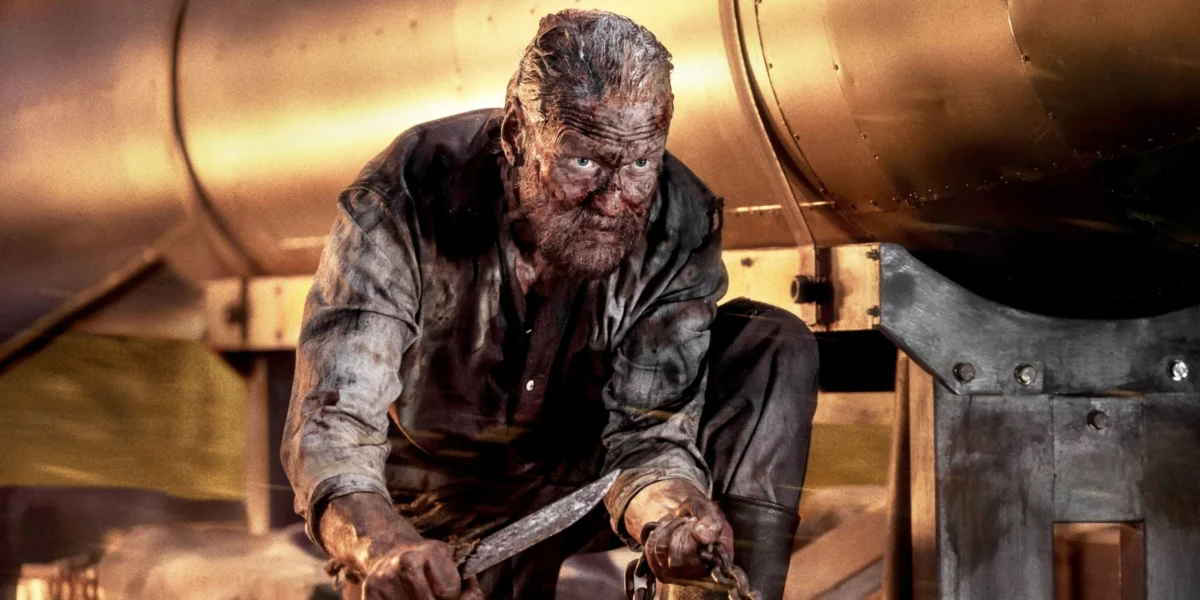
The 2022 cinematic landscape was unexpectedly scorched by a silent, gold-prospecting force of nature from Finland. Director Jalmari Helander’s Sisu was a masterclass in minimalist storytelling and maximalist violence, introducing global audiences to Aatami Korpi—a man too stubborn to die. Fast forward to 2026, and the highly anticipated sequel, Sisu: Road to Revenge, has not only expanded the lore of the "immortal" commando but has introduced a cinematic foil that elevates the franchise from a cult hit to an action landmark.
At the heart of this evolution is the introduction of Yeagor Draganov, portrayed with terrifying precision by Stephen Lang. As the film dominates streaming charts and critical discussions, it becomes clear that Sisu: Road to Revenge is more than just a sequel; it is a sophisticated study in thematic contrast, pitting the burning "Sisu" of the Finnish spirit against the frozen nihilism of a new, post-war era.
Main Facts: The Return of the Immortal
Sisu: Road to Revenge picks up shortly after the explosive events of the first film. Jorma Tommila returns as Aatami Korpi, the legendary ex-soldier who survived an entire Nazi battalion with little more than a pickaxe and sheer willpower. While the first film was a linear "siege on wheels" through the scorched earth of Lapland, the sequel broadens the scope, transforming the narrative into a cross-country odyssey of grief and retribution.
The primary conflict shifts from the retreating Wehrmacht to the encroaching shadows of the Red Army. The stakes are no longer just a bag of gold; they are personal. After discovering his family has been murdered in the wake of the shifting frontlines, Korpi attempts to find peace by rebuilding his home in a remote sanctuary. However, he is soon hunted by Yeagor Draganov (Stephen Lang), a notorious Red Army executioner recently released from prison specifically to eliminate the "Finnish Ghost" that has become a symbol of resistance.
The film retains the signature 90-minute runtime, a hallmark of Helander’s efficient pacing, while doubling down on the practical effects and "Rube Goldberg-esque" death traps that defined the original.
Chronology: From Lapland Legend to Global Phenomenon
To understand the weight of Road to Revenge, one must look at the trajectory of the franchise:
- September 2022: Sisu premieres at the Toronto International Film Festival (TIFF) to rave reviews. It is quickly branded as "the Finnish John Wick," though critics note its distinct historical flavor and Western-inspired cinematography.
- 2023-2024: The film becomes a massive hit on digital platforms and streaming services like Prime Video and Netflix, proving that non-English language action films with minimal dialogue have a massive global appetite.
- Late 2024: Jalmari Helander announces a sequel, promising a "darker, more psychological" turn for Korpi. Casting news of Stephen Lang joining the production sends ripples through the action community.
- May 2026: Sisu: Road to Revenge is released. It immediately distinguishes itself by moving away from the "Nazis as cannon fodder" trope to a more focused, character-driven duel between two titans of the genre.
The sequel’s release coincides with a resurgence in "hard-R" action cinema, where audiences have moved away from CGI-heavy spectacles in favor of the visceral, grounded combat pioneered by Helander and his stunt team.
Supporting Data: The Anatomy of a Villain
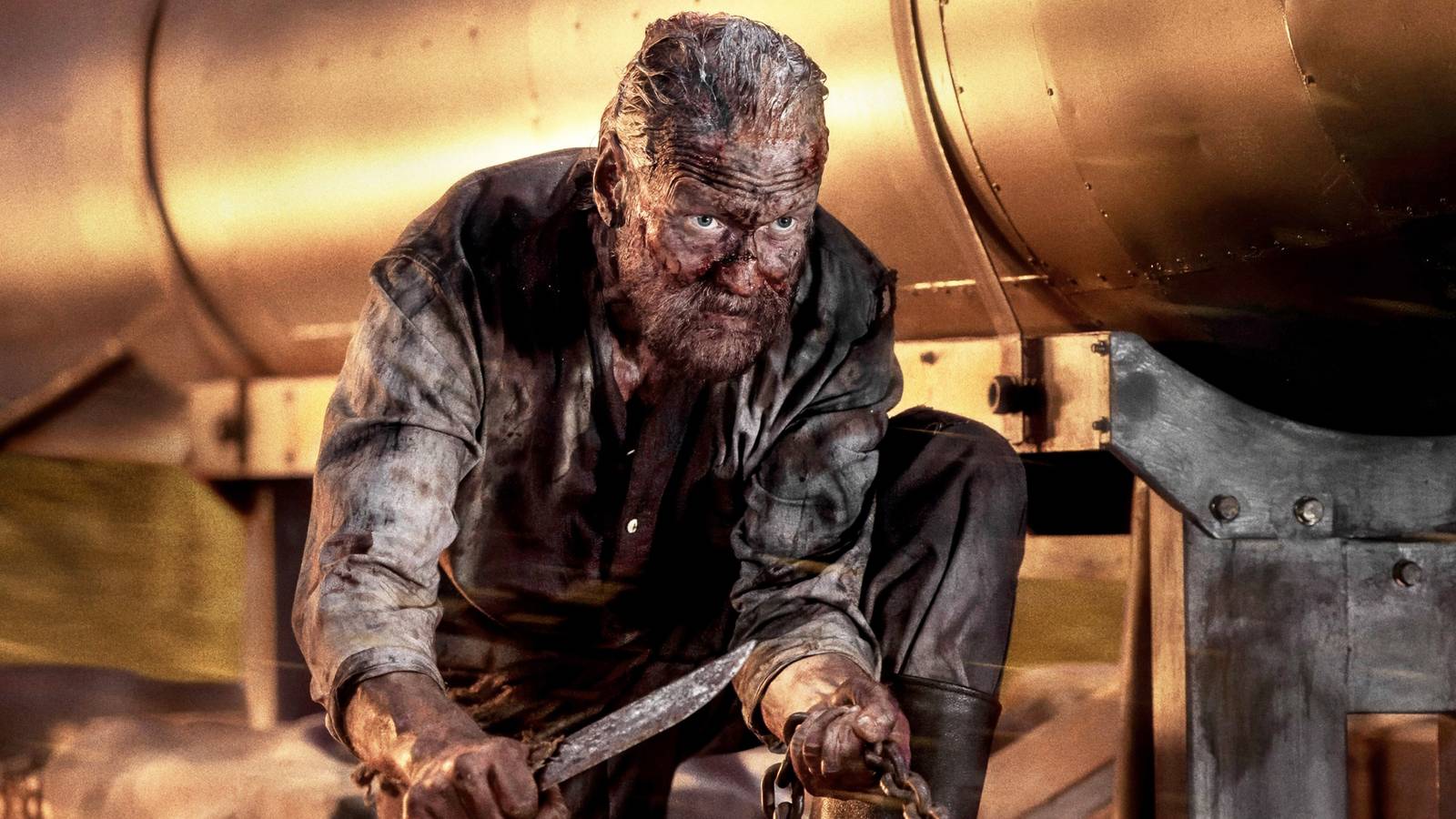
The success of Road to Revenge rests largely on the shoulders of Stephen Lang’s Draganov. In the original Sisu, the antagonist (Aksel Hennie’s SS Commander) was a desperate man driven by greed and the fear of a losing war. He was a formidable obstacle, but ultimately a man bound by human failings.
Draganov, however, represents something more elemental. Analysis of the character’s impact reveals three key pillars that make him a "hall of fame" villain:
1. The Antithesis of Sisu
The Finnish concept of Sisu is defined as extraordinary determination in the face of extreme adversity. It is a "white heat" of the soul. Lang plays Draganov as the absolute zero. Where Korpi is driven by the heat of survival and the embers of lost love, Draganov is a void. His introduction—walking out of a Soviet prison with a gait that suggests a predator returning to its territory—sets a tone of inevitable doom.
2. The Monologue of Malice
In a film where the protagonist barely speaks, the weight of the dialogue falls on the antagonist. One specific scene has already become a point of intense study: Draganov’s monologue regarding the death of Korpi’s son. Unlike typical movie villains who shout or gloat, Lang delivers these lines with a "terrifying fondness." He speaks of the atrocity as if it were a cherished memory, a performance choice that creates a visceral sense of revulsion in the audience. This isn’t just a man doing a job; this is a man who finds his only sense of "being" in the destruction of others.
3. Physicality and Presence
Despite Lang being in his 70s, his physical presence is imposing. The film utilizes his "icy, ruthless killer" persona—perfected in the Don’t Breathe films—to create a sense of genuine threat. When Korpi and Draganov finally share the screen, the camera emphasizes the contrast: Korpi is blood-splattered, ragged, and kinetic; Draganov is still, clean-shaven, and watchful. This "kinetic vitality vs. deathly stillness" creates a tension that sustains the film through its quieter moments.
Official Responses and Directorial Vision
Director Jalmari Helander has been vocal about his desire to avoid "sequel bloat." In recent interviews, Helander noted that the goal was to "make the world feel smaller and more dangerous."
"In the first film, the enemy was an army," Helander stated during the film’s press junket. "In Road to Revenge, the enemy is a mirror. Draganov is what Aatami could have become if he lost his humanity entirely. We wanted to test the limits of Aatami’s silence. When you have a villain like Stephen Lang, who can say a thousand words with a single stare, it forces the protagonist to find new ways to communicate his rage."

Casting director responses highlighted that Lang was the only choice for the role. "We needed someone who looked like they had been forged in the same furnace as Jorma Tommila," noted casting lead Juho Musakka. "The chemistry of their hatred had to be believable without them ever having a conversation."
Critics have also pointed out that the film’s "choppy accent" for Draganov—a blend of various Eastern European inflections—actually serves the character’s "otherness." It suggests a man who has belonged to many regimes and none at all, a stateless wraith of the Soviet machine.
Implications: The Future of the "Sisu-verse" and Action Cinema
The implications of Sisu: Road to Revenge extend beyond the box office. The film demonstrates a successful blueprint for "elevated action":
- The "Silent Protagonist" Model: The film reinforces that deep emotional resonance can be achieved without heavy exposition. By focusing on visual storytelling—Korpi rebuilding his home lumber by lumber—the audience becomes more invested in his loss than they would through a flashback.
- Geopolitical Action: By moving the timeline into the immediate post-war era, Helander taps into a rich, underutilized historical period. The tension between Finland and the Soviet Union provides a high-stakes backdrop that feels more grounded and "real" than the fantastical scenarios of many Hollywood blockbusters.
- The Villain as a Narrative Engine: Draganov’s success suggests that the "disposable army" trope is losing its luster. Modern audiences crave a singular, personified threat. The "final one-on-one battle" in Road to Revenge is being hailed as a masterclass in fight choreography, focusing on exhaustion and desperation rather than stylized acrobatics.
As the credits roll on Sisu: Road to Revenge, the landscape for Finnish cinema looks brighter than ever. Jalmari Helander has created a folk hero for the 21st century—a silent, indestructible relic of the past who reminds us that while evil may be cold and soulless, the human spirit, when pushed to its limit, is an unquenchable fire.
With rumors already swirling of a third installment to complete a "Winter Trilogy," one thing is certain: as long as there are villains as chilling as Yeagor Draganov, the world will need the brutal, uncompromising justice of Aatami Korpi. The "Road to Revenge" may be paved with blood, but for fans of the genre, it is a journey well worth taking.


Leave a Comment