
Godot Engine Surges in Popularity: A Deep Dive into Open-Source Growth and Market Impact
[City, State] – [Date] – The landscape of game development is in constant flux, and within this dynamic environment, the open-source Godot Engine has emerged as a significant and rapidly growing force. A recent comprehensive report published by the Godot team offers unprecedented insight into the engine’s expansion over recent years, revealing a compelling trajectory of increased adoption, community engagement, and burgeoning market presence. This analysis delves into the core findings of the report, examines the methodologies employed, and explores the broader implications of Godot’s ascent for independent developers and the industry at large.
The Godot team’s commitment to transparency and understanding their user base is evident in their proactive approach to data collection. Recognizing the inherent challenges of tracking growth for an open-source project without built-in telemetry, the developers have diligently compiled data from a diverse array of sources. This multifaceted approach, while acknowledging its inherent limitations in providing an exact quantitative picture, offers a robust qualitative and trend-based understanding of Godot’s expanding footprint.
Unpacking the Growth Metrics: A Multifaceted Approach
The Godot report, updated through February 2026, leverages a variety of data points to illustrate the engine’s growth. These include:
- Direct Downloads: Analyzing the total number of engine version downloads from the official Godot website provides a foundational understanding of initial adoption and interest. While monthly download data isn’t always available for this source, the cumulative figures offer a clear indication of the engine’s broad appeal.
- Platform-Specific Data: The report extends its reach to popular distribution platforms, incorporating data from Steam and Google Play. These platforms offer more granular insights, including monthly download figures, which are crucial for understanding active usage trends and the engine’s penetration into mainstream gaming markets.
- Itch.io Integration: The burgeoning independent game development scene on platforms like Itch.io is also a key indicator. Godot’s presence and usage within this ecosystem highlight its accessibility and appeal to a burgeoning demographic of creators.
- Game Jam Participation: Godot’s role in game jams serves as a vital metric for measuring its utility in rapid prototyping, educational contexts, and its ability to foster creativity within time-constrained development cycles. High participation rates in these events signal a vibrant and actively engaged community.
- Social Media and Community Engagement: Beyond direct downloads and platform presence, the report considers broader community engagement metrics, likely encompassing forum activity, social media mentions, and contributions to the engine’s development. These indicators reflect the health and dynamism of the Godot ecosystem.
The report’s framing emphasizes that while the data provides valuable insights into Godot’s growth trajectory, it is not intended to be an exhaustive or perfectly precise representation. This acknowledgment of methodological nuances underscores the report’s commitment to an honest and realistic portrayal of the engine’s development.
A Chronology of Expansion: Tracing Godot’s Ascendancy
The Godot team’s consistent efforts to track their engine’s progress have allowed for the construction of a narrative of sustained growth. While the specific chronological data points are not detailed in the provided snippet, the report’s existence and the ability to compile graphs suggest a historical trend of increasing adoption. This growth can be broadly understood through several key phases:
Early Adoption and Community Building: In its nascent stages, Godot likely saw growth driven by early adopters, open-source enthusiasts, and independent developers seeking an alternative to proprietary engines. This period would have been characterized by a strong focus on community support, documentation, and iterative improvements based on user feedback.
Platform Penetration and Wider Recognition: The inclusion of data from platforms like Steam and Google Play signifies a pivotal stage where Godot began to move beyond its core enthusiast base. Successful titles released on these platforms, even if niche initially, would have served as powerful testimonials, attracting a wider pool of developers and studios.
Surge in Indie Development and Educational Use: As Godot matured, its feature set and ease of use made it an increasingly attractive option for independent game developers. Its open-source nature, coupled with its affordability (being free), would have lowered the barrier to entry for aspiring creators. Furthermore, its straightforward architecture and extensive documentation likely contributed to its growing adoption in educational institutions.
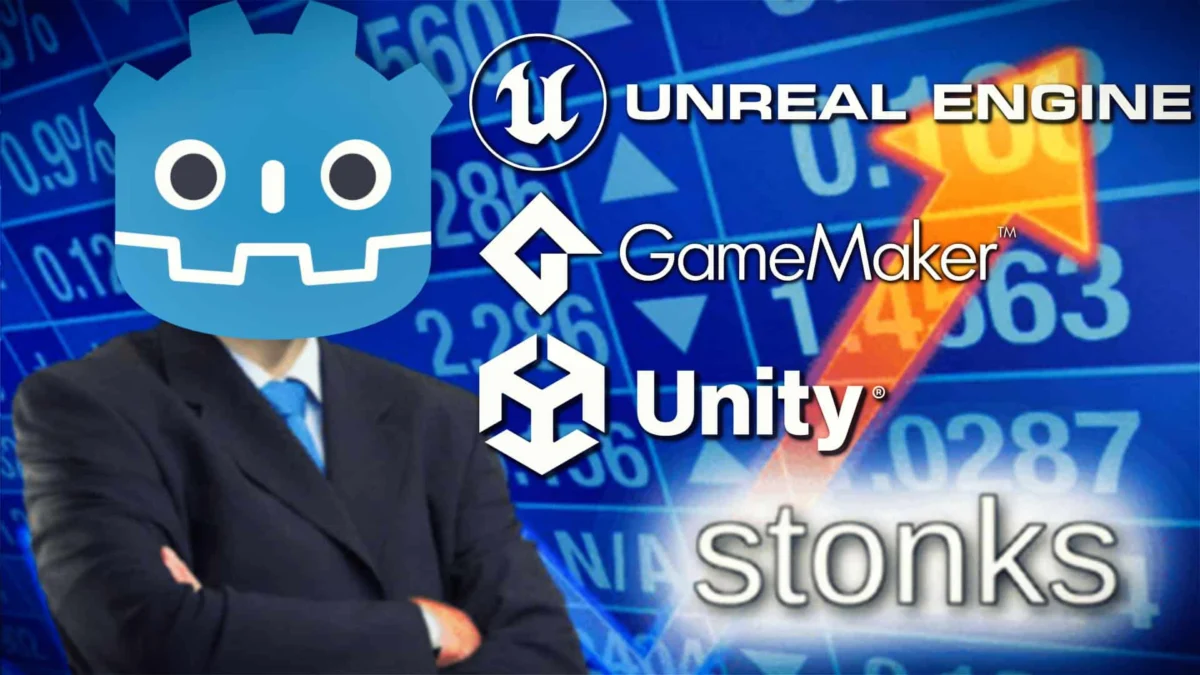
Competitive Landscape Analysis: The report’s explicit mention of comparing Godot’s performance against Unity, Unreal Engine, and GameMaker on platforms like SteamDB indicates a conscious effort to position Godot within the broader industry context. This comparison, particularly through the lens of successful titles and new releases, is crucial for understanding its evolving market share and competitive standing.
Supporting Data: Visualizing Godot’s Market Impact
While the provided text doesn’t include the visual graphs themselves, it strongly alludes to their significance. The ability to "put together some graphs that illustrate the growth of the engine" is central to the report’s value. These graphs would likely showcase:
- Download Trends Over Time: Depicting the cumulative and potentially monthly download figures for Godot, illustrating the rate of adoption.
- Platform-Specific Growth: Separate charts for Steam, Google Play, and Itch.io, highlighting the engine’s performance on different distribution channels.
- Game Jam Popularity: Visual representation of Godot’s usage in game jams, possibly showing an increasing trend over the years.
- Community Engagement Metrics: Graphs illustrating the growth in forum activity, social media mentions, or GitHub contributions, indicating a thriving developer community.
The report’s reference to a video analysis starting at the 5-minute mark, which examines titles on Steam using SteamDB, further underscores the importance of tangible data. This analysis would likely delve into:
- Number of Godot Titles Released on Steam: Quantifying the engine’s presence in the Steam marketplace.
- Popularity of Godot-Developed Games: Assessing the commercial success and player reception of games made with Godot, potentially using metrics like user reviews or sales figures (where publicly available).
- Comparison with Competitors: Directly comparing Godot’s performance against Unity, Unreal Engine, and GameMaker in terms of the number of titles released and their relative success.
The use of SteamDB, a reputable source for Steam game data, lends significant credibility to this comparative analysis. It allows for an objective look at how Godot-developed games are performing within one of the largest digital game marketplaces.
Official Responses and Community Reactions
The publication of this detailed growth report by the Godot team itself serves as a significant official response to the growing interest in the engine. It demonstrates a proactive commitment to informing their community and the broader game development industry about their progress. This transparency can foster trust and encourage further adoption.
While direct quotes from official responses beyond the initial framing are not provided, the implications are clear:
- Validation and Encouragement: The report validates the hard work of the Godot developers and the contributions of the community. It serves as a morale booster and encourages continued development and support.
- Attracting New Developers: By showcasing concrete evidence of growth and success, the report acts as a powerful marketing tool, attracting new developers who might be considering their engine choices.
- Industry Recognition: The detailed analysis, especially the comparison with established engines, signals Godot’s ambition to be a serious contender in the game development space, garnering attention from industry observers and potential partners.
The community’s reaction, while not explicitly detailed, can be inferred to be overwhelmingly positive. Developers who have invested time and effort into learning and using Godot would likely see this report as a vindication of their choice and a testament to the engine’s potential.
Implications for the Game Development Ecosystem
The sustained and apparent growth of the Godot Engine carries significant implications for the broader game development ecosystem:
- Increased Competition and Innovation: A stronger Godot means more competition for established engine providers. This healthy competition can drive innovation across all engines as they strive to offer better features, performance, and pricing models.
- Empowerment of Independent Developers: Godot’s open-source nature and lack of licensing fees democratize game development. This allows smaller studios and solo developers to create high-quality games without prohibitive upfront costs, fostering a more diverse and creative industry.
- Shift in Market Share: While Unity and Unreal Engine remain dominant, Godot’s increasing popularity suggests a gradual shift in market share, particularly within the indie and mobile game development sectors. This could lead to a more balanced ecosystem where developers have a wider range of viable engine choices.
- Educational Opportunities: The engine’s accessibility and clear documentation make it an ideal tool for teaching game development principles. Its growing adoption in educational settings will likely lead to a larger pool of developers familiar with Godot, further fueling its growth.
- Open-Source Development Model as a Viable Alternative: Godot’s success challenges the traditional proprietary software model in game development. It demonstrates that a community-driven, open-source approach can produce robust, feature-rich, and commercially viable engines.
- Potential for Niche and Specialized Development: As Godot matures, it may carve out stronger niches for itself, excelling in specific genres or development styles that align with its architecture and community strengths.
In conclusion, the Godot Engine’s reported growth is not merely a statistical anomaly; it represents a significant trend in the game development industry. The comprehensive data collection and transparent reporting by the Godot team provide a compelling narrative of an engine that is rapidly maturing, gaining traction across diverse platforms, and empowering a new generation of game creators. As Godot continues to evolve, its impact on the competitive landscape, the accessibility of game development, and the overall diversity of the games we experience is poised to become even more profound.



Leave a Comment