
Navigating the Labyrinth of Modern Culture: From Dungeon Crawlers to Dynamic Wetlands
FOR IMMEDIATE RELEASE
[CITY, STATE] – [Date] – In an increasingly diverse and often fragmented cultural landscape, consumers find themselves at a proverbial crossroads, presented with an eclectic array of choices spanning traditional media, emerging genres, and renewed fascinations with the natural world. This week, the cultural zeitgeist offers a unique "choose-your-own-adventure" experience, inviting audiences into fantastical dungeons, serene woodlands, and enigmatic bogs, while simultaneously prompting reflections on the state of entertainment, the therapeutic power of art, and the enduring legacy of cinematic giants.
The month of May typically ushers in a flurry of high-profile cinematic releases, yet this year appears to defy conventional expectations. While a major science fiction franchise installment looms, the palpable excitement seems to be redirected towards a robust literary season and other, more niche, cultural phenomena. This dynamic shift underscores evolving consumption habits and a broadening spectrum of public interest, from the eagerly anticipated stop-motion animation of Wildwood to a surprising collective fascination with wetlands.
Main Facts: A Tapestry of Choices
The cultural offerings currently available present a fascinating dichotomy: deeply immersive fictional universes juxtaposed with an increasing appreciation for real-world natural wonders. At the forefront of this diverse selection are:
- Literary Powerhouses: New releases from acclaimed authors like Ann Leckie (expanding her Imperial Radch universe), a fresh installment in the popular LitRPG series Dungeon Crawler Carl, and a new series-starter from Veronica Roth, alongside a collection of significant literary works, are dominating the publishing sphere. Notably, the posthumous publication of Elaine Kraf’s Memory House, a novel exploring themes of artistic legacy and simulated fame, has captured critical intrigue.
- Cinematic Contrasts: The impending Star Wars release, perceived by some as an extended television episode, contrasts sharply with the highly anticipated Wildwood from Laika, promising a return to bespoke animation. Internationally, the film Silent Friend garners attention not only for its unique premise but also for featuring the legendary actor Tony Leung in a rare and evocative role.
- The "Bog" Phenomenon: Recent reports from The New York Times indicate a burgeoning cultural obsession with bogs, peatlands, and wetlands. This trend is echoed in literature, with Kay Chronister’s eerie novel The Bog Wife serving as a compelling example of how these unique ecosystems inspire artistic narratives.
- Arts and Wellness: A study highlighted by CNN suggests a correlation between engagement with the arts and a slower aging process, adding a scientific dimension to the discussion of cultural consumption’s benefits, albeit with cautious scientific interpretation.
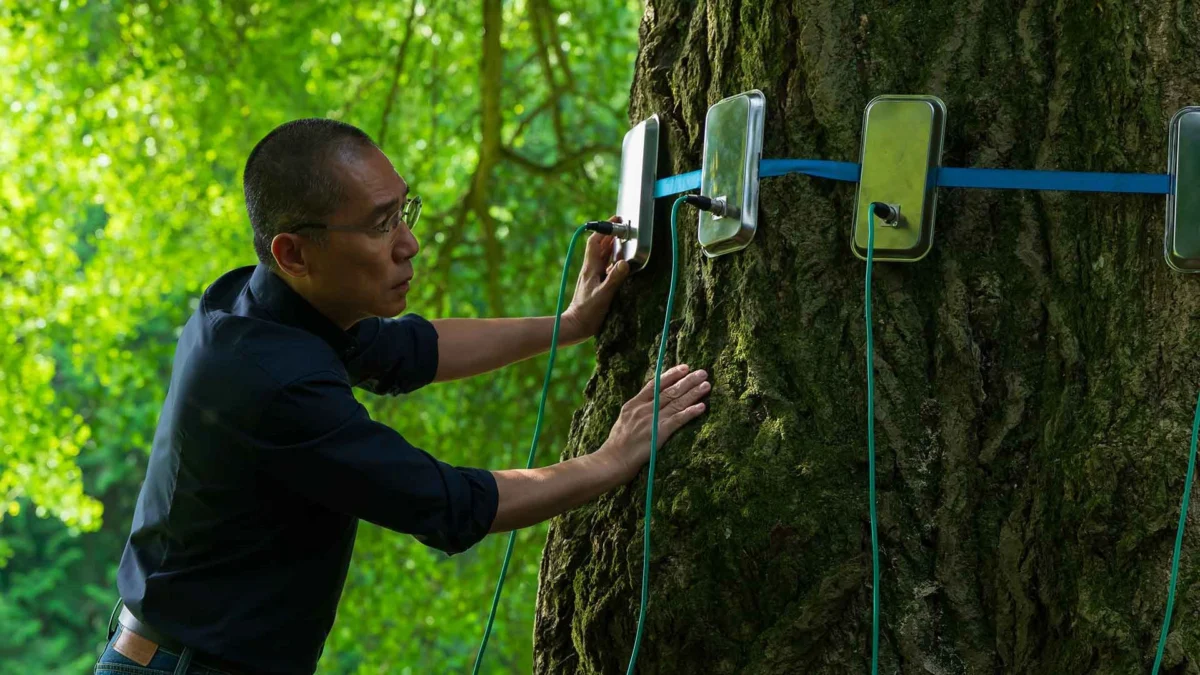
- Enduring Star Power: The career of actor Tony Leung continues to captivate, with recent interviews shedding light on his unique approach to acting and his latest project, Silent Friend, where he performs opposite an inanimate object – a tree.
These varied entry points into contemporary culture highlight a marketplace that caters to a wide range of tastes, from the cerebral to the fantastical, the naturalistic to the profound.
Chronology: The Evolving Landscape of Engagement
The current cultural moment is less a linear progression and more a simultaneous explosion of diverse interests, reflecting a broader societal shift in how individuals consume and interact with media and the world around them.
The spring season, typically a prelude to summer blockbusters, has instead seen a flourishing of literary endeavors. This period marks the release of several highly anticipated novels, signaling a robust health in the publishing industry. Ann Leckie, a titan of contemporary science fiction, continues to expand her critically acclaimed Imperial Radch saga, a universe celebrated for its nuanced exploration of AI, identity, and empire. Simultaneously, the Dungeon Crawler Carl series, a cornerstone of the burgeoning LitRPG genre, has released a new volume, catering to a dedicated and growing fanbase eager for interactive narrative experiences. Veronica Roth, known for her dystopian young adult series, also launches a new venture, indicating continued innovation within popular fiction. Beyond genre fiction, the literary scene is enriched by the posthumous publication of Elaine Kraf’s Memory House, an unusual and thought-provoking work that challenges conventional notions of artistic legacy and public perception. The timing of these releases, occurring concurrently with a relatively subdued cinematic period, suggests a recalibration of consumer attention towards the immersive and often more solitary experience of reading.
In parallel, the film industry navigates its own transformations. The traditional "big movie" spectacle, once synonymous with May releases, appears to be evolving. While a highly anticipated Star Wars narrative is set to launch, its format and reception increasingly resemble that of a premium television event rather than a groundbreaking theatrical release. This reflects a wider industry trend where streaming platforms blur the lines between cinema and serialized television, prompting questions about the future of the blockbuster experience. Conversely, the anticipation surrounding Laika’s Wildwood underscores a demand for unique artistic visions, particularly in the realm of animation, which continues to push creative boundaries. The global nature of cinema is further exemplified by the interest in Silent Friend, a film that brings the unparalleled talent of Tony Leung to a new, intriguing narrative, demonstrating the enduring power of international storytelling.
Beyond traditional media, a curious cultural trend has emerged: a renewed fascination with bogs. This interest, highlighted in recent journalistic explorations, transcends mere environmental concern, venturing into aesthetics, history, and even fashion. This phenomenon suggests a deeper yearning for connection with ancient, mysterious landscapes, possibly as an antidote to the digital saturation of modern life. This ecological and cultural re-engagement with wetlands provides fertile ground for artistic expression, as evidenced by novels like The Bog Wife, which delve into the eerie and tradition-bound aspects of these unique environments.
Finally, in the ongoing public discourse surrounding well-being, recent scientific studies have positioned engagement with the arts as a potential contributor to longevity and cognitive health. While such findings are met with a healthy degree of scientific skepticism regarding direct causality, they contribute to a growing public awareness of the multifaceted benefits of cultural participation. This chronological overview reveals a complex, multi-layered cultural moment, characterized by both fragmentation and a rich diversity of choice.
Supporting Data: Deep Dives into Current Trends
To fully appreciate the scope of this cultural "choose-your-own-adventure," a closer examination of the individual threads is warranted.
The Literary Renaissance:
The publishing world is currently vibrant, showcasing both genre innovation and a re-evaluation of overlooked literary voices. Ann Leckie’s contributions to the science fiction canon, particularly her Imperial Radch series, are significant for their sophisticated world-building, exploration of post-gender societies, and complex political intrigue. Her work resonates with readers seeking intellectually stimulating narratives that challenge conventional perspectives on sentience and power. The Dungeon Crawler Carl series, by Matt Dinniman, represents the surging popularity of LitRPG (Literary Role-Playing Game), a genre that blends fantasy narratives with the mechanics of video games. This niche, once confined to online forums, has exploded into mainstream publishing, appealing to readers who enjoy detailed systems, progression, and the immersive feeling of a gaming experience within a book. Veronica Roth, building on the success of her Divergent series, continues to attract a broad readership, her new series likely tapping into similar themes of identity, societal structure, and coming-of-age challenges, indicative of the sustained demand for well-crafted speculative fiction.
Perhaps most intriguing is the renewed attention given to Elaine Kraf’s Memory House. Posthumous publications often offer a unique window into an artist’s unfulfilled vision or a chance for re-evaluation. Kraf’s premise—an author faking her death to join a commune of "not-dead artists" who prefer "fame in death" to "decline in real life"—is a poignant commentary on the pressures of artistic legacy, the cult of celebrity, and the desire for control over one’s narrative. This work speaks to a timeless anxiety among creators and resonates in an era increasingly preoccupied with public image and digital immortality. Its discovery highlights the rich depth of literary history awaiting rediscovery and challenges the often-ephemeral nature of contemporary publishing trends.
The Shifting Sands of Cinema:
The film industry is undeniably in flux. The observation that a major Star Wars installment feels like a "long episode of television" speaks volumes about the impact of streaming services and the serialization of once-cinematic franchises. While this model allows for deeper character development and expansive narratives, it risks diluting the distinctiveness of the theatrical experience. The audience expectation for shared, large-screen events is being reshaped by the convenience of home viewing, leading to a re-evaluation of what constitutes a "big movie."
In contrast, Laika’s Wildwood stands as a testament to the enduring power of artisanal filmmaking. Known for their intricate stop-motion animation and compelling storytelling (Coraline, Kubo and the Two Strings), Laika offers a bespoke cinematic experience that emphasizes craft, visual artistry, and original narratives, often rooted in folklore and myth. The anticipation for Wildwood, set in the mystical backdrop of the Pacific Northwest, signifies a craving for imaginative escapism that differentiates itself from franchise behemoths.
Furthermore, the prominence of an interview with Tony Leung underscores the global reach and impact of international cinema. Leung, a Hong Kong icon, is revered for his nuanced performances in films by auteurs like Wong Kar-wai (In the Mood for Love) and action masters like John Woo (Hard Boiled). His ability to convey profound emotion with minimal dialogue and intense presence has cemented his status as one of the world’s greatest actors. His upcoming film, Silent Friend, where he reportedly acts alongside a tree, exemplifies his commitment to challenging roles and unconventional narratives. This choice not only highlights his artistic adventurousness but also draws attention to independent and art-house cinema, reminding audiences of the vast diversity of storytelling beyond Hollywood.
The Mystique of the Bog:
The New York Times‘s assertion of a cultural "bog obsession" might seem whimsical, but it taps into a deeper environmental and historical consciousness. Bogs and peatlands are vital ecosystems, acting as significant carbon sinks and preserving archaeological treasures like "bog bodies." Their unique, often desolate beauty, characterized by carnivorous plants, ancient mosses, and a distinct palette of muted greens and browns, offers a stark contrast to more conventionally picturesque landscapes. This aesthetic, coupled with their ecological importance, has resonated with artists, environmentalists, and those seeking a connection to primordial nature.
Kay Chronister’s The Bog Wife perfectly encapsulates this fascination. The novel delves into the eerie, almost supernatural folklore associated with bogs, weaving a compelling narrative around tradition, family secrets, and the unsettling influence of the land itself. The concept of a "bog wife" emerging from the peat after a father’s burial speaks to ancient beliefs and the personification of nature’s mysterious power. The novel’s slow-moving, unnerving atmosphere and divisive ending suggest that it successfully captures the enigmatic quality of bogs, challenging readers to confront the strange and the unsettling. This literary exploration contributes to the broader cultural conversation, encouraging a deeper understanding and appreciation of these often-overlooked wetlands.
Arts, Health, and the Aging Process:
The CNN report linking engagement with the arts to slower aging aligns with a growing body of research exploring the holistic benefits of creative and cultural activities. Studies often point to cognitive stimulation, social engagement, and emotional expression as key mechanisms through which arts participation can enhance well-being and potentially mitigate age-related decline. Visiting museums, attending concerts, reading books, or even actively creating art can challenge the brain, foster new connections, and provide a sense of purpose and community.
However, the cautionary note from the scientist—that this is a "single snapshot in time" and correlation does not equal causation—is crucial. It’s plausible that individuals who are already biologically younger or possess a higher baseline of health and vitality are simply more inclined and able to participate in arts activities. While the direct causal link requires more longitudinal and interventional studies, the findings still underscore the value of maintaining an active, engaged lifestyle that includes cultural pursuits. At the very least, enjoying art and culture demonstrably enhances quality of life, which in itself is a significant benefit.
Official Responses: Voices from Industry and Academia
The varied cultural phenomena observed this week elicit diverse perspectives from industry leaders, critics, and academics.
Publishing Industry Analysts largely view the current book market as robust and dynamic. The simultaneous success of literary fiction, established genre authors like Ann Leckie and Veronica Roth, and niche genres such as LitRPG, demonstrates a healthy ecosystem. "The perceived fragmentation of audience attention isn’t necessarily a weakness for books," remarks Dr. Eleanor Vance, a professor of publishing studies. "Instead, it allows for incredibly diverse sub-genres to thrive. Readers are more empowered than ever to find exactly what they want, leading to dedicated communities around specific authors and series." The embrace of works like Kraf’s Memory House also indicates a willingness from publishers and readers alike to engage with literary history and works that challenge conventional narratives, pushing beyond purely commercial considerations.
Film Critics and Industry Commentators offer a more complex assessment of the cinematic landscape. "We’re in a transitional period for film," notes renowned film critic Marcus Thorne. "The streaming wars have irrevocably altered audience expectations for tentpole releases. A Star Wars series, while still a cultural event, is now consumed in a different context. The ‘must-see-it-in-theatre’ urgency has shifted for many, making room for more niche, artisanal projects like Laika’s Wildwood to stand out as truly unique cinematic experiences." The global recognition of actors like Tony Leung is also seen as a positive development, fostering cross-cultural appreciation. "Leung represents a lineage of true movie stars whose presence elevates any project," says film historian Dr. Anya Sharma. "His willingness to engage with diverse, challenging roles, even acting with a tree, speaks to an artistic integrity that transcends commercial pressures and inspires future generations of filmmakers."
On the Environmental Front, scientists and conservationists welcome the increased public and media attention on bogs and wetlands. "Any cultural trend that draws awareness to critical ecosystems like peatlands is a net positive," states Dr. Kevin Riley, a wetland ecologist. "These areas are vital for biodiversity, water filtration, and carbon sequestration. While the ‘bog obsession’ may start as an aesthetic or historical interest, we hope it translates into greater public support for conservation efforts and policy changes to protect these fragile environments." Cultural commentators also observe that the aestheticization of bogs, as seen in literature and even fashion, reflects a broader cultural desire to reconnect with natural spaces that are wild, untamed, and hold deep ecological or historical significance.
Regarding the Arts and Health Study, medical professionals and cognitive scientists maintain a cautiously optimistic stance. Dr. Lena Hanson, a neuroscientist specializing in aging, echoes the sentiment of skepticism regarding direct causation but emphasizes the undeniable benefits. "While we can’t definitively say visiting a museum causes you to age more slowly, what we can say is that an engaged lifestyle, which often includes arts participation, is strongly correlated with better cognitive function and overall well-being in older adults," she explains. "The social interaction, cognitive challenge, and emotional resonance provided by the arts are undoubtedly protective factors for brain health. The key takeaway should be to encourage an active and stimulating life, and the arts are a fantastic avenue for that."
These "official responses" demonstrate a shared understanding that while cultural trends may appear disparate, they often reflect deeper societal currents, whether they be shifts in media consumption, growing environmental consciousness, or an evolving understanding of holistic health.
Implications: Navigating the Future of Culture
The diverse cultural landscape of this week, offering everything from immersive fantasy novels to scientific insights on aging, carries significant implications for how we understand and engage with culture in the future.
Firstly, the fragmentation of attention is not necessarily a detriment but an evolution. The abundance of choice allows for highly personalized consumption, fostering deep engagement within niche communities. While mainstream cultural events still exist, their form is changing, with serialized narratives dominating both television and cinematic franchises. This shift demands a more discerning audience, capable of navigating a vast sea of content to find what truly resonates.
Secondly, the resurgence of specific cultural forms like LitRPG and the re-evaluation of overlooked literary works underscore a perpetual hunger for novel storytelling approaches and a desire to uncover hidden gems. The success of these varied literary endeavors suggests that despite the prevalence of visual media, the written word retains its unique power to create immersive worlds and provoke thought.
Thirdly, the growing fascination with natural environments like bogs is indicative of a broader societal shift towards environmental awareness and a longing for authentic connection with the physical world. As digital life becomes increasingly pervasive, there’s a counter-movement seeking grounding in nature, reflected in artistic inspiration and public discourse. This cultural trend has the potential to translate into more meaningful conservation efforts and a deeper ecological literacy.
Fourthly, the increasing validation of arts engagement as a component of well-being has profound implications for public health and education. While scientific rigor is essential, the general message that cultural participation is good for you can encourage broader access to the arts, potentially leading to healthier, more engaged communities. This could inform policy decisions in urban planning, senior care, and educational curricula, recognizing culture not just as entertainment but as essential human infrastructure.
Finally, the enduring power of individual artistic excellence, exemplified by Tony Leung’s career, reminds us that while media landscapes change, the human desire for profound storytelling and masterful performance remains constant. His willingness to experiment and transcend genre boundaries serves as an inspiration for creators and a beacon for audiences seeking truly transformative artistic experiences. The global reach of such talent further solidifies the interconnectedness of world cultures.
In essence, the "choose-your-own-adventure" nature of current cultural offerings reflects a dynamic and adaptive public. Whether one chooses to delve into the depths of a dungeon, commune with a tree in a cinematic masterpiece, or contemplate the mysteries of a bog, the opportunities for enrichment, engagement, and personal growth are boundless. The implication is clear: the future of culture is not monolithic but a rich, diverse tapestry woven from individual choices and collective fascinations, inviting everyone to find their unique path.

Leave a Comment