Evie Woods’ "The Lost Bookshop": A Journey Through Time, Magic, and the Unseen Power of Stories
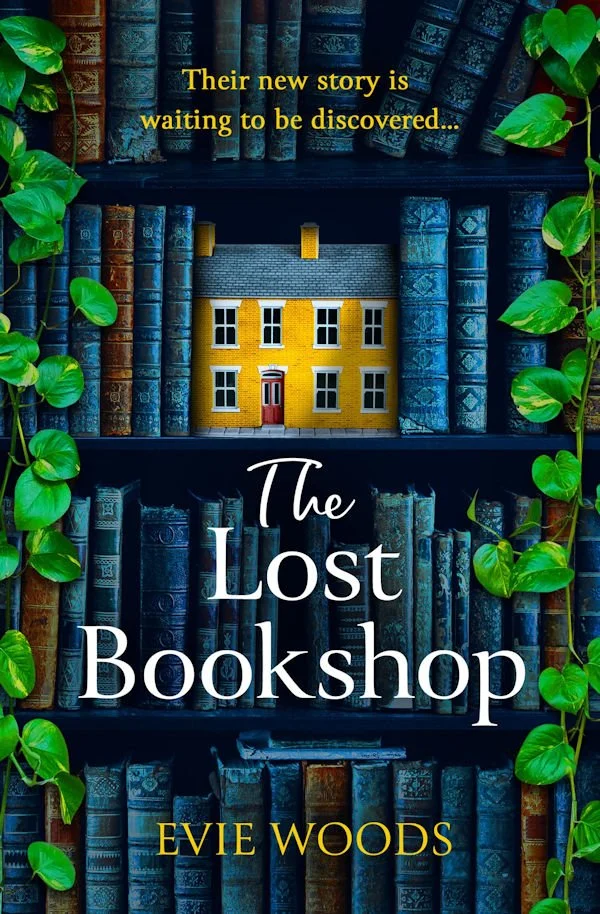
Dublin, Ireland – In the bustling literary landscape, a new novel has emerged that promises to enchant bibliophiles and seekers of meaning alike. Evie Woods’ The Lost Bookshop is more than just a story; it’s an intricate tapestry woven with threads of magical realism, historical depth, and profound self-discovery. Set against the evocative backdrops of 1920s England and contemporary Dublin, this critically lauded work invites readers into a world where a vanishing bookshop holds the key to unlocking hidden pasts and extraordinary futures.
The novel, which has quickly garnered fervent praise, centers on the transformative power of literature and the enduring human quest for belonging. It delves into complex societal issues with a delicate touch, offering a rich narrative experience that resonates long after the final page is turned. As one passionate reviewer articulated, The Lost Bookshop is "by far the best book I’ve read in an age," a sentiment echoed by many who have embarked on its compelling journey.
Main Facts: Unveiling "The Lost Bookshop"
A Tale of Magic, Mystery, and Self-Discovery
The Lost Bookshop by Evie Woods is a masterclass in magical realism, a genre that blends the mundane with the fantastical to illuminate deeper truths. At its heart is a singular premise: a mysterious, vanishing bookshop tucked away on a quiet Dublin street. This enigmatic establishment casts its spell on three seemingly disparate individuals: Opaline, whose story unfolds in the tumultuous 1920s; and Martha and Henry, who navigate the complexities of the present day. For too long, these characters have been relegated to the periphery of their own narratives, feeling like "side characters" in a world that demands conformity.
Their lives become irrevocably intertwined through a shared quest for a hidden novel, a literary treasure that promises to reveal secrets and perhaps, themselves. As they delve into the mysteries embedded within the very shelves of this magical bookshop, they discover that their personal histories are as extraordinary and captivating as any found in the pages of their beloved books. The novel skillfully oscillates between its dual timelines, exploring how the past echoes into the present and how the pursuit of a singular object can become a journey of profound introspection and empowerment. It’s a book for those who believe in the magic of stories, the serendipity of discovery, and the power of finding one’s true place in the world.
Navigating Complex Themes and Warnings
While The Lost Bookshop is undeniably an enchanting and uplifting read, it is also a work that confronts challenging realities. The novel comes with a recommended age of 16+, a testament to the mature themes it explores with unflinching honesty. Readers are advised of content warnings that include physical, emotional, and mental abuse; murder; suicide; smoking; drinking; incarceration; and descriptions of war.
Despite the gravity of these subjects, the reviewer emphasizes that they are handled with remarkable sensitivity and nuance. Woods navigates these difficult terrains not to gratuitously shock, but to provide "harsh, but delicately handled, glimpses into the ravages of male dominated society, both in present times and in the past." This careful approach ensures that the narrative remains engrossing and beautiful, rather than overwhelming, allowing the profound underlying messages to land with impactful clarity without resorting to sensationalism. The integration of such serious themes elevates the novel beyond mere escapism, positioning it as a thoughtful exploration of human resilience and the societal pressures that have historically shaped, and continue to shape, individual lives.
Chronology: A Reviewer’s Personal Literary Quest
The Unexpected Genesis: A Village Bookshop
The journey into The Lost Bookshop began not within its pages, but in the real-world experience of a reviewer residing in a quaint village in the US Northeast. The opening of a new bookshop, aptly named "One Last Chapter," became the unexpected catalyst for a profound personal and literary reawakening. The reviewer humorously addresses the common misconception about "villages" existing solely in Europe or fairytales, asserting the distinct identity of their American hometown, even bordered by a "hamlet."
Initially, the prospect of entering this new establishment was fraught with apprehension. The intimate nature of a small village shop presented a unique set of anxieties: the fear of an overly attentive shopkeeper, the awkwardness of not finding anything to purchase, and the social pressure to make a transaction. This relatable hesitation paints a vivid picture of the internal hurdles many face when venturing into new, unfamiliar spaces, particularly those with a personal touch. The reviewer’s candid admission of these "odd" fears sets the stage for the transformative experience that was to follow.
From Apprehension to Enchantment
All initial worries proved unfounded. Upon finally crossing the threshold of "One Last Chapter," the reviewer discovered a sanctuary. The shopkeeper was "very nice," the space itself "soothing and inviting," and, most importantly for a dedicated reader, the selection of books was extraordinary. The store boasted a "huge fantasy section," alongside robust offerings in romance, mystery, and science fiction, curated with such precision that it felt "as if someone made the bookshop just for me. It’s perfect."
This serendipitous discovery ignited a personal "quest." The reviewer committed to reading every fantasy book in the shop, with plans to delve into other genres as well. This newfound connection to a physical bookstore led to a significant shift in reading habits: the eReader, a "steady companion for decades," was set aside in favor of print books. The rediscovery of the tactile joy of holding a book, turning pages, and easily flipping back to previous sections became a cherished aspect of this literary renaissance. The experience underscored a timeless truth: the unique pleasure and immersive quality of engaging with a physical book.
The Discovery of a Masterpiece
It was through this deeply personal quest, this renewed embrace of print literature and local bookshops, that The Lost Bookshop by Evie Woods was discovered. The reviewer’s immediate reaction was one of profound admiration. From the very first page, the "superior" quality of the writing was evident. By the second page, a line—"A good story always begins with tea"—revealed the novel’s delightful humor, assuring the reviewer of an enjoyable experience.
However, it was the book’s meticulous formatting that cemented an early love for the novel. The conscious decision to place chapter two on the righthand page, with a completely blank page preceding it, harkened back to "the classic style once used by all the top publishing houses." This attention to detail, a stark contrast to modern books often "scrunched together to save a few pages," resonated deeply with the reviewer’s "weird obsession with formatting." This seemingly minor detail highlights the thoughtful craftsmanship behind Woods’ work, signaling a commitment to quality that extends beyond the narrative itself.
Supporting Data: The Intricacies of "The Lost Bookshop"
Dual Timelines, Intertwined Destinies
The narrative architecture of The Lost Bookshop is one of its most compelling features, employing a dual-timeline structure that masterfully interweaves past and present. Opaline’s story unfolds in the 1920s, a period marked by the lingering shadows of a pandemic and a devastating war, followed by an encroaching recession in England. Her experiences provide a poignant historical counterpoint to Martha and Henry’s contemporary quest in Dublin. The story is told from the first-person perspectives of these three main characters, with clear chapter headings guiding the reader through their individual viewpoints, ensuring clarity amidst the intricate plot.
While the characters initially believe they are united by a tangible objective – the search for a missing manuscript – their deeper, more profound quest is for happiness, security, and the joy of embracing their authentic selves. The book artfully illustrates how what makes an individual "different" can ultimately make them "special," guiding them toward a true sense of belonging. This parallel search for external and internal truths forms the emotional core of the novel, allowing readers to witness the characters’ growth and transformation across different eras.
A Rich Tapestry of Themes
The Lost Bookshop is far more than a simple quest narrative; it’s a rich exploration of enduring human experiences and societal constructs.
- Feminist Undercurrents: A cornerstone of the novel’s thematic depth lies in its "decided, and necessary, feminist overtones." Evie Woods herself articulated her intention: "I wanted to write a book that would encapsulate how I feel, as a woman, about the women who have been marginalized in the past and continue to be written out of their own stories, even today." The dual timelines serve as a powerful lens, illuminating the treatment of women historically and in the present day. By juxtaposing past and present, the novel subtly yet effectively highlights both the progress society has made and the areas where significant challenges persist, demonstrating "how far we have come as a society, and how far we have not, entirely by design."
- Self-Discovery and Empowerment: Beyond its feminist critique, the book is a poignant narrative of individual awakening. Characters like Martha grapple with feelings of inadequacy, constantly measuring themselves against external, often bourgeois, expectations. Madam Bowden’s sharp wisdom ("Be careful, Martha, you’ll become blind to your own value if you keep looking through the eyes of the bourgeoisies!") serves as a powerful call to self-acceptance and empowerment. The themes of discovering one’s true value, finding inner strength, and embracing one’s unique identity are universal, resonating deeply with all readers regardless of background.
- The Magic of Books and Antiquarianism: At its heart, The Lost Bookshop is a love letter to books themselves. It’s unequivocally a "book-lovers book," celebrating the power of stories to transport, inspire, and even heal. The novel offers "detailed glimpses" into the first half of the 1900s, specifically focusing on the fascinating world of antiquarian book dealing. This period, described as "a golden age of antiquarianism," comes alive with meticulous historical and present-day details. Readers are educated about historical locations, literature, and the unique thrill of "treasure hunting for books," immersing them in a vibrant cultural history. As Henry muses, the past reveals "people who cared every bit as much about the day-to-day trivialities of life as we do; people living through some of the most amazing times whilst being wholly unaware of the significance," connecting us across generations through shared human experience.
Narrative Craft and Style
Evie Woods’ prose is both "elevated and easy to digest," creating a reading experience that is intellectually stimulating yet effortlessly engaging. Infused with "Irish charm," the writing style contributes to the novel’s inviting atmosphere, even when exploring darker themes. The reviewer notes the remarkable skill with which harsh realities – abuse, war, societal constraints – are "delicately handled," ensuring that the reader is "taken along on a lovely, enjoyable journey" rather than being "browbeat." This balance is crucial, allowing the profound messages to sink in without overwhelming the narrative’s inherent beauty.
The book’s emotional depth is particularly striking. The reviewer recounts a moment where a character simply handing another a copy of Charles Dickens’ The Personal History of David Copperfield evokes tears – "In a good way." This speaks volumes about the author’s ability to imbue everyday moments with profound emotional resonance, demonstrating the power of literature within the story itself. The incorporation of insightful quotes from characters, such as Henry quoting his sister Lucinda on the importance of making decisions ("it didn’t matter whether the decision you made was right or wrong, as long as you made it. That’s what moved you along in life"), further enriches the narrative, offering nuggets of wisdom that extend beyond the plot.
Official Responses: Authorial Vision and Critical Acclaim
Author Evie Woods’ Vision
Evie Woods’ intentions for The Lost Bookshop are clear and deeply woven into the fabric of the narrative. Her desire was to craft a tale that would marry "a little bit of magic, mystery, romance" with a powerful social commentary. Crucially, Woods aimed "to write a book that would encapsulate how I feel, as a woman, about the women who have been marginalized in the past and continue to be written out of their own stories, even today." This authorial statement underscores the novel’s core feminist message, demonstrating that the exploration of women’s historical and contemporary struggles is not incidental but foundational to its purpose. Her vision was to create a story that is both enchanting and thought-provoking, entertaining and enlightening, reflecting her personal commitment to giving voice to the voiceless.
Reviewer’s Resounding Endorsement
The critical reception, particularly from the detailed review, is overwhelmingly positive. The reviewer’s declaration that The Lost Bookshop is "by far the best book I’ve read in an age" serves as a powerful testament to its quality and impact. Specific praises highlight the "superior" writing, the delightful humor, the "classic style" formatting, and the overall "beautiful, engrossing" nature of the book. The meticulous research evident in the historical and present-day details, particularly concerning the antiquarian book world, is also singled out for commendation. The reviewer’s strong recommendation to "all lovers of both books and magic" encapsulates the dual appeal of the novel: its celebration of literature and its embrace of the fantastical elements that make the story so unique. The journey of acceptance and finding one’s way home, central to the characters’ arcs, is identified as a deeply "heartfelt" experience for the reader.
Implications: The Broader Impact of "The Lost Bookshop"
Rekindling the Love for Print
In an era increasingly dominated by digital consumption, The Lost Bookshop and the reviewer’s personal journey serve as a potent reminder of the enduring charm and tactile joy of physical books. The reviewer’s "quest" to read print books from a local bookshop, abandoning the e-reader, mirrors a growing sentiment among readers seeking a more tangible and immersive literary experience. The novel itself, through its celebration of books as objects of beauty and vessels of magic, subtly champions the print format. It implies that the act of holding a book, turning its pages, and even rationing the final chapters "like saving squares of a chocolate bar," as Martha muses, fosters a deeper, more intimate connection with the story. This trend suggests a cultural yearning for authenticity and a slower, more deliberate engagement with art in a fast-paced world.
A Catalyst for Reflection
Beyond its entertainment value, The Lost Bookshop functions as a powerful catalyst for societal reflection. By meticulously detailing the lives of women across different timelines and subtly exposing the "ravages of male dominated society," the book prompts readers to consider historical injustices and their lingering effects. It encourages a critical examination of how far society has truly progressed in ensuring equality and how narratives, both personal and collective, continue to be shaped, sometimes suppressed, by prevailing power structures. The novel’s ability to inform and educate on historical contexts and societal evolution, without being didactic, means it can spark meaningful conversations about personal value, belonging, and the ongoing struggle for empowerment.
The Enduring Appeal of Magical Realism
Evie Woods’ masterful use of magical realism demonstrates the genre’s unique capacity to explore profound human experiences through a lens of wonder and possibility. The "vanishing bookshop" itself becomes a metaphor for the elusive nature of truth, the hidden corners of the self, and the unexpected paths to destiny. By blending everyday reality with fantastical elements, the novel creates a rich, layered narrative that transcends the ordinary, inviting readers to suspend disbelief and embrace the extraordinary. This approach allows for a more profound exploration of complex emotional and social landscapes, proving that magic can often illuminate reality more clearly than stark realism alone.
A Call to Explore the Unseen
Ultimately, The Lost Bookshop is an invitation to look beyond the obvious, both in the stories we read and in the lives we live. It suggests that hidden treasures, whether they be antique manuscripts or undiscovered aspects of our own identities, are waiting to be found if only we dare to venture into the unknown. The book’s central metaphor of a "lost bookshop" encapsulates this idea – a place of secrets, transformation, and ultimate self-discovery. It encourages readers to embark on their own quests, to question societal norms, to embrace their unique value, and to find their true "home" within themselves and in the world. As a heartfelt journey of acceptance, The Lost Bookshop promises to entrance, educate, and inspire all who step through its captivating pages.