
Unlocking the Everyday Magic: Why Consciously Embracing Folklore Enriches Modern Life
London, UK – In a world increasingly dominated by digital screens and rapid-fire information, the ancient whispers of folklore might seem like distant echoes, relegated to history books or quaint rural festivals. For many, folklore conjures images of arcane rituals performed by antler-wearing men in Abbotts Bromley, or the whimsical charm of wart removal by incantation – a curious relic from a bygone era. Some dismiss it as mere "flim flam," a device for lullabies, plot twists, or commercial exploitation within fandoms. Yet, even those who claim indifference often unwittingly engage with folkloric practices, from decorating Christmas trees and sending birthday cards to the contentious debate over jam-first or cream-first on scones. But beneath these superficial interactions lies a profound truth: folklore is not merely a historical curiosity but a vibrant, ever-present force shaping our daily lives, influencing our rituals, traditions, and customs, right down to the precise method of brewing a cup of tea.
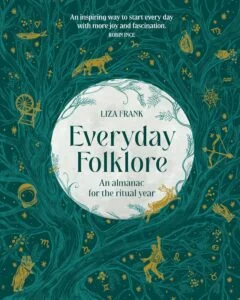
This profound connection is at the heart of Liza Frank’s insightful new work, Everyday Folklore: An Almanac for the Ritual Year. Drawing from her intensive personal experiment between St Distaff’s Day 2020 and Twelfth Night 2021, where she practiced ritual year folklore every single day, Frank argues passionately that everyone stands to gain from consciously integrating folklore into their existence. For those who typically observe folklore from the sidelines, Frank issues a compelling call to action: embrace the fear, delve into the traditions, and experience the transformative power of a life imbued with deliberate folkloric engagement. Her message is clear: the benefits extend far beyond academic interest, offering pathways to mindfulness, joy, creativity, knowledge, and a richer tapestry of personal narrative.
The Chronology of Engagement: A Year-Long Journey into the Ritual Year
Liza Frank’s personal journey, meticulously documented in The Everyday Lore Project and distilled into her almanac, serves as a powerful testament to the accessibility and enduring relevance of folklore. Her year-long immersion, stretching from the post-Christmas quietude of St Distaff’s Day into the Epiphany celebrations of Twelfth Night, wasn’t merely an academic exercise but a lived experience, charting the cyclical rhythm of the "ritual year." This chronological framework is crucial to understanding how folklore operates, not as isolated events, but as an interconnected web of practices that respond to the shifting seasons, celestial movements, and agricultural cycles that have long governed human existence.
By consciously engaging with the traditions tied to specific dates, months, and seasons, Frank rediscovered a profound connection to the passage of time. The ritual year, with its ancient roots in pre-Christian and agricultural societies, offers a ready-made structure for mindful living. It’s a calendar woven from human experience, marking planting seasons, harvests, solstices, equinoxes, and the myriad saint’s days and pagan festivals that have shaped cultures for millennia. Frank’s project demonstrates that one doesn’t need to be a scholar or an anthropologist to participate; rather, it’s about opening oneself to the possibilities inherent in these ancient patterns. Her experience offers a chronological roadmap for anyone seeking to re-enchant their daily routine, providing practical guidance on how to observe, adapt, and even create personal rituals that resonate with the timeless flow of the year. This deliberate engagement transforms the abstract concept of folklore into a tangible, daily practice, offering a continuous thread of connection to both the past and the living present.
Supporting Data: The Five Pillars of Everyday Folklore
Frank’s advocacy for conscious folklore engagement is rooted in five compelling benefits that she experienced firsthand and now champions for others. These benefits speak to fundamental human needs for connection, meaning, and joy in an often-overwhelming modern world.
1. Slowing Down and Reconnecting with Time
In an era defined by relentless acceleration, the conscious observation of folklore offers a potent antidote: the gift of presence. While folklore, regrettably, cannot halt the march of time (though one might speculate on a charm for that), engaging with the ritual year undeniably fosters a deeper appreciation for its passage. The modern tendency to let days blur into weeks, and weeks into months, leads to the common lament of "where did the year go?" By actively participating in practices intrinsically linked to specific dates, seasons, or natural phenomena, individuals gain a tangible stake in the unfolding year.
Consider the ancient practice of wassailing in January, where one toasts apple trees to ensure a bountiful autumn harvest. This isn’t just a quaint custom; it’s an act of hopeful participation, creating a direct connection between present ritual and future yield. Similarly, counting the fogs in August, a traditional method for predicting winter snowfalls, transforms a mundane meteorological observation into a playful, anticipatory game. Beyond specific rituals, simply observing lunar planting cycles or charting the hedgerows as they transition from barren winter skeletons to budding spring vibrancy, then to fecund summer fullness, and back to sparse autumn branches, grounds one in the undeniable rhythms of the natural world. This deliberate act of noticing, of taking time out of a busy day to engage with one’s surroundings, naturally slows the internal pace. And in this deceleration, a space for possibility and wonder expands, allowing for a richer, more mindful experience of life.
2. An Abundance of Celebrations
Beyond the familiar markers of birthdays, anniversaries, religious festivals, and secular holidays, the ritual year presents an almost endless array of opportunities for celebration, transforming the mundane into the meaningful. Imagine a calendar bursting with reasons for joy, from the profound to the utterly whimsical. Do you harbor a particular fondness for trees? The ritual year offers multiple dedicated days for their veneration. For something truly unique, consider the festivals across June and July dedicated entirely to belly buttons, celebrating both "innies" and "outies" with unexpected delight.
For the connoisseur of spirits, there are specific dates to raise a glass to wine (August 19), gin (the second Saturday of June), and rum (July 31). Popular culture also finds its place within this expansive celebratory framework, with dedicated days for Back to the Future, Star Trek, and the ubiquitous Star Wars Day ("May the Fourth be with you"). Folklore even embraces the celebration of non-events, such as the collective sigh of relief when it doesn’t rain on St Swithin’s Day, averting the traditional forty days of subsequent downpour. Furthermore, the ritual year provides a framework for personal achievement, rewarding the completion of specific folkloric tasks with moments of triumph. Successfully counting seven stars on seven consecutive nights, for instance, promises the granting of a wish, turning a simple observation into an act of potent magic. This boundless capacity for marking the passage of time with excuses for joy underscores folklore’s inherent power to uplift and connect.
3. Staving Off Boredom and Igniting Creativity
Engaging with folklore offers a vibrant antidote to the creeping ennui of modern life, transforming passive observation into active participation and creative challenge. Leftover Christmas cake, for instance, can transcend its mere culinary status to become the centerpiece of a communal spectacle, mirroring the spirited Great Fruitcake Toss in Manitou Springs, Colorado, where participants creatively discard their festive leftovers in January. For the culinarily inclined, the ritual year invites ambitious projects: recreating historical recipes such as the enigmatic Heg Peg Dumps, a potent Harvest shot, or the intricate knotting-sowins. Even simpler pleasures abound, like baking a grand batch of scones for National Cream Tea Day, a personal triumph (though the author cautions against vegetarian suet in plum duffs – a cautionary tale in itself!).
For those with a flair for the dramatic, folklore provides ample opportunity for costume and character. Imagine embodying the King for a weekend at the Porthcawl Elvis Festival in September, or donning badger attire to celebrate St Piran’s Day in March. The thrill-seeker, meanwhile, can find exhilaration in the legendary Cooper’s Hill Cheese-Rolling in May, chasing a wheel of cheese down a perilous incline, or engaging in the spirited Dorking Wife Carrying Race in March, navigating an obstacle course with a partner slung over one’s shoulders. As the author discovered during her "year of living folklorishly," there is always an activity to be found, no matter how unusual. This might include conducting an exorcism at midnight by spitting black beans and walking backwards, as practiced during the Roman Lemuralia, demonstrating the sheer breadth of human custom and the endless possibilities for quirky, engaging, and sometimes bizarre, personal enrichment.
4. Unearthing Curiosities and Gaining Knowledge
Venturing into the world of folklore is akin to tumbling down a rabbit hole of peculiar facts and intriguing insights, providing a rich vein of trivia that can elevate any pub quiz performance and deepen one’s understanding of the world. Did you know, for instance, that spiders, those oft-maligned arachnids, reportedly exhibit a preference for classical music over techno? Research suggests orb-weaving spiders react differently to various airborne sounds, offering a curious intersection of natural science and human perception. This tidbit becomes even more fascinating when considering the folklore surrounding spiders: an uptick in their presence indoors around March, for example, is traditionally believed to augur rain, adding another layer to our interaction with these eight-legged legends.
Beyond the creepy-crawly, folklore reveals the profound influence of ritual in high-stakes environments. Since the early 1970s, Baikonur cosmonauts, before every space mission, have maintained a tradition of watching The White Sun of the Desert, a 1970 Russian Civil War comedy, for good luck. This practice underscores the universal human need for ritual and a sense of control in the face of the unknown. Furthermore, the humble bat, often cast as the Devil’s messenger in Western folklore, holds a far more benevolent, and economically vital, secret: they are primary pollinators of agave plants. Without these winged wonders, the very existence of tequila would be jeopardized, forcing margarita enthusiasts to swap their beloved cocktails for manhattans. Such facts, unearthed through folkloric exploration, not only entertain but also illuminate the complex interplay between cultural beliefs, natural phenomena, and human ingenuity, providing a vibrant tapestry of knowledge that transcends the ordinary.
5. Crafting Personal Narratives and Shared Experiences
At its heart, folklore is a wellspring of stories, and consciously engaging with it ensures a steady stream of unique, often utterly bonkers, anecdotes to share. While acknowledging the profound sincerity of individual beliefs – indeed, anyone stalking a Leicestershire churchyard on June 1st to observe if St Wistan’s hair sprouts among the headstones is "my kind of people" – many folkloric practices yield truly memorable experiences. Imagine recounting the time you believed you caught a whiff of demonic sulphur whilst a-nutting in the woods during September, or swearing by the efficacy of a cabbage leaf in reducing a troublesome boil on your neck.
These experiences become vivid personal narratives, rich with detail and often imbued with a humorous self-awareness. Consider the delightful absurdity of placing a sprig of rosemary and a crooked sixpence under your pillow on St Luke’s Eve, hoping for a vision of your one true love – only to dream, as the author did, of Mark Hamill (who, regrettably, has yet to call). These moments, whether they confirm a belief or merely provide a quirky memory, are the building blocks of personal mythology. A word of caution, however: while discovering no vampire activity among your gardening implements might be an impressive personal triumph, some anecdotes are perhaps best reserved for deeper acquaintances, perhaps not even for a second date, lest one be perceived as overly eccentric. Ultimately, folklore engagement is about collecting these invaluable, often hilarious, tales that enrich one’s life and provide endless fodder for conversation and connection.
The Academic Lens: Validating the Everyday
The initial dismissal of folklore as "flim flam" often stems from a narrow understanding of its scope. However, academic folklore studies have undergone a significant evolution, moving beyond the collection of ancient myths and rural superstitions to embrace the vibrant, living traditions of contemporary society. Scholars like G. E. Warshaver, in his work "On Postmodern Folklore," highlight how folklore is not a static relic but a dynamic, ongoing process, continually shaped and reinterpreted within modern contexts, including urban environments and digital spaces. This academic perspective validates Liza Frank’s "Everyday Folklore" project, recognizing the immense value in documenting personal engagement with the ritual year.
Institutions such as The Folklore Society, university departments dedicated to folklore studies, and numerous museums globally play a critical role in documenting, preserving, and interpreting these traditions. They provide the frameworks and methodologies to understand how everyday practices, from the seemingly trivial act of making a brew to complex seasonal festivals, contribute to our shared cultural heritage. Frank’s work, by conscientiously mapping her daily folkloric experiences, contributes to this living archive, offering a contemporary snapshot of how ancient practices resonate and are re-imagined in the 21st century. This ongoing dialogue between personal experience and academic inquiry underscores that folklore is not merely about the past, but about understanding the enduring human need for ritual, meaning, and connection in a constantly evolving world. It challenges the notion that folklore must be "authentic" in a pristine, untouched sense, instead embracing its adaptive, fluid nature as a reflection of human creativity and cultural resilience.
Implications: The Enduring Value of Folklore in Modern Life
The conscious integration of folklore into daily life, as championed by Liza Frank, carries profound implications for individual well-being, cultural preservation, and the very fabric of community. In an age of increasing isolation and digital overload, these ancient practices offer tangible pathways to reconnect – with oneself, with nature, and with others.
Personal Well-being: By fostering mindfulness and a deeper appreciation for the rhythm of the year, folklore provides a powerful antidote to stress and anxiety. The deliberate act of observing, celebrating, and participating offers moments of joy, creativity, and presence, combating the ennui that often accompanies modern existence. It encourages a slower pace, allowing for reflection and wonder, enriching the internal landscape of the individual.
Cultural Preservation: Each act of engagement, no matter how small, contributes to the living lineage of cultural traditions. When individuals actively participate in wassailing, baking traditional recipes, or recounting local legends, they are not merely observing history; they are actively keeping it alive and relevant. This personal investment ensures that these invaluable aspects of our shared heritage are passed down, evolving with each generation rather than fading into obscurity.
Community Building: Folklore inherently thrives on shared experience. Celebrations, rituals, and the telling of tales foster a sense of belonging and collective identity. Whether it’s a local festival, a communal harvest supper, or simply sharing a quirky anecdote about a personal folkloric adventure, these activities create bonds, strengthen social networks, and reinforce the human need for connection and shared meaning.
Understanding Humanity: Ultimately, folklore serves as a profound window into the universal human condition. It reflects our deepest desires, fears, hopes, and wisdom across diverse cultures and throughout history. By exploring the traditions of others, or indeed our own, we gain empathy, broaden our perspectives, and deepen our understanding of what it means to be human.
In essence, Frank’s message is a compelling call to make a New Year’s resolution that transcends fleeting gym memberships or dietary changes. It is a resolution to embrace curiosity, to try new things, to make new traditions, and to challenge oneself to see the magic in the everyday. While January 19th is traditionally cited as the day resolutions are most likely to falter, the cyclical nature of the ritual year offers a comforting reprieve. With a multitude of "New Year’s Days" scattered throughout the calendar – from Celtic Samhain to the Chinese New Year – there are always ample opportunities for a fresh start, a do-over, and another chance to "feel the folklore fear and do it anyway." Liza Frank’s Everyday Folklore: An Almanac for the Ritual Year is not just a book; it is an invitation to rediscover the wonder and richness that lies waiting, woven into the very fabric of our lives.


Leave a Comment