
The Alchemist’s Sanctuary: Inside Yale University’s Quest to Preserve the Origins of Science
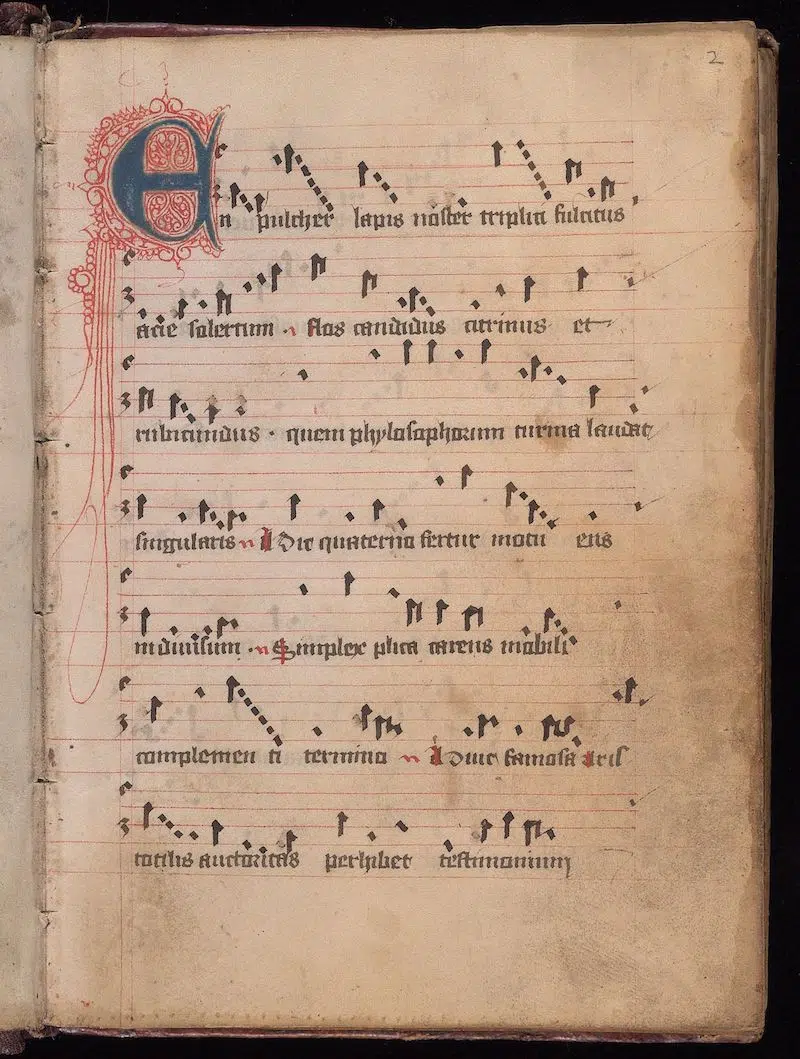
Hidden behind the translucent marble walls of Yale University’s Beinecke Rare Book & Manuscript Library lies a collection that challenges the traditional boundaries between the rational and the mystical. While Yale is globally recognized as a bastion of modern academic rigor, it also serves as the custodian of one of the world’s most extensive archives of medieval and Renaissance alchemical manuscripts. Often referred to by scholars as the "Alchemy Collection," these thousands of rare texts offer a window into a period when the pursuit of gold was indistinguishable from the pursuit of God, and when the foundations of modern chemistry were being laid through the lens of "magic."
Main Facts: The Intersection of Arcane Mystery and Academic Rigor
The Beinecke Library’s alchemy collection is not merely a curiosity; it is a vital primary source for the history of science. The archive comprises thousands of individual items, ranging from massive, hand-painted scrolls to pocket-sized notebooks filled with the frantic scribblings of 16th-century experimenters. These works cover a broad spectrum of "natural philosophy," a term that once encompassed alchemy, astrology, early medicine, and what we now recognize as chemistry.
At the heart of the collection is the concept of transmutatio—the transformation of matter. While popular culture often reduces alchemy to the greedy pursuit of turning lead into gold, the Yale manuscripts reveal a much more complex intellectual tradition. Practitioners sought the "Philosopher’s Stone" not just for material wealth, but as a "universal medicine" capable of curing all diseases and even perfecting the human soul.
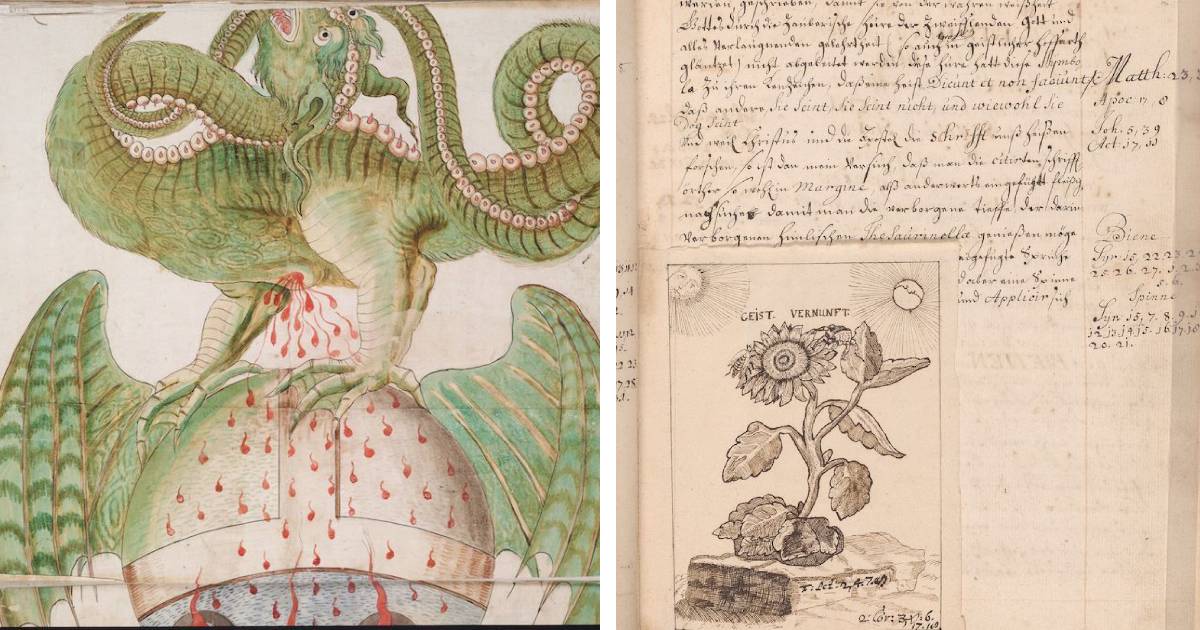
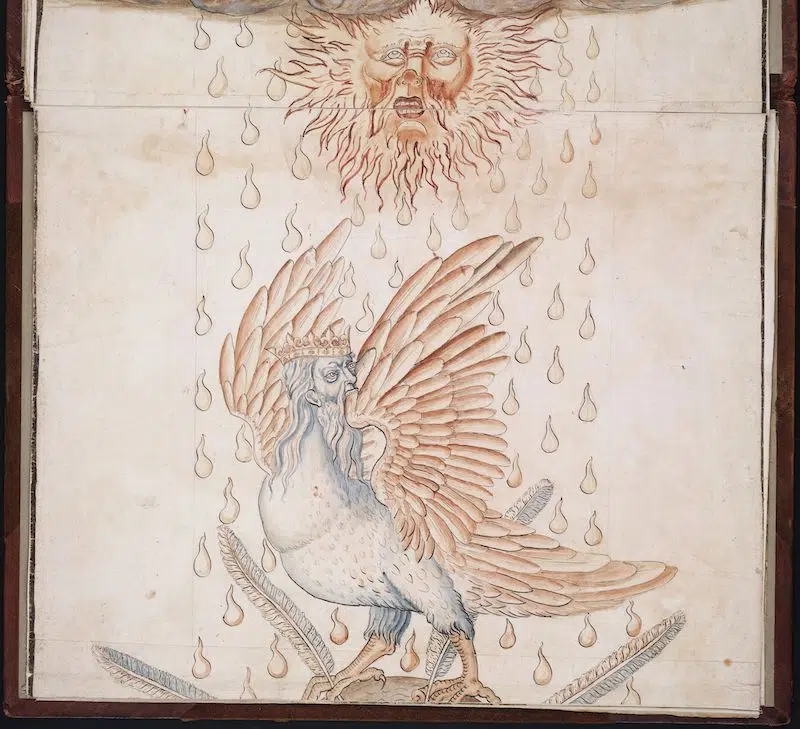
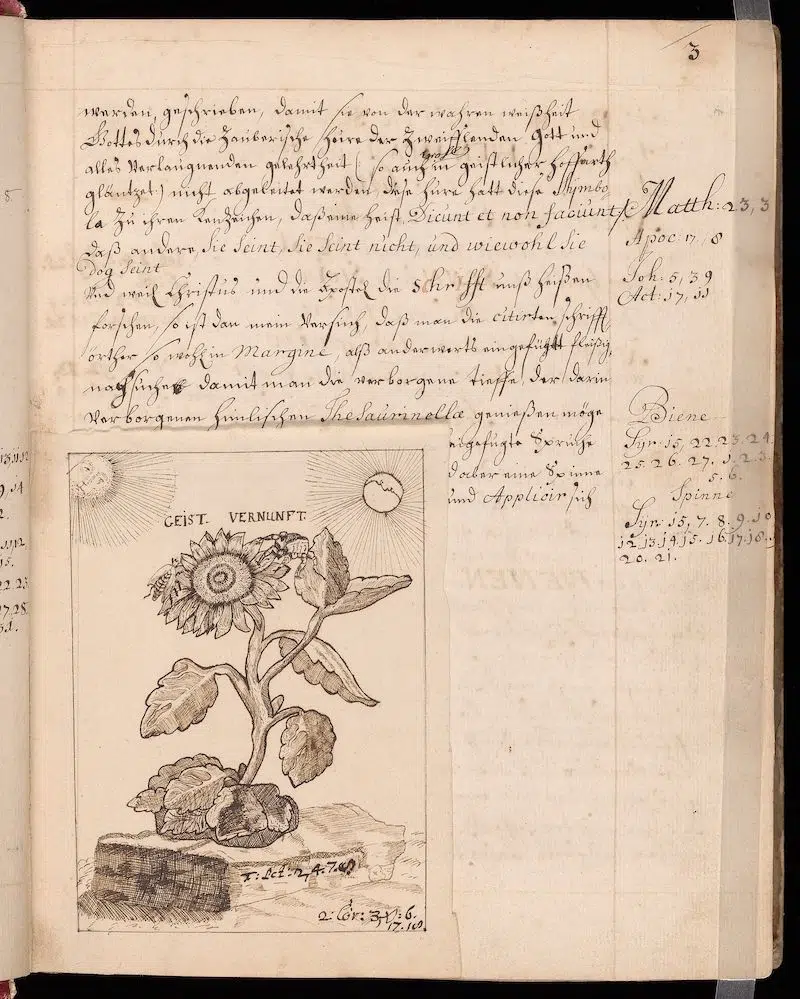
The manuscripts are characterized by their "decknamen" (cover names)—a sophisticated system of coded language and allegorical imagery designed to keep secrets from the uninitiated. Within these pages, one finds illustrations of "Green Lions" devouring the sun, "Chemical Weddings" between kings and queens, and "Ouroboros" serpents consuming their own tails. These were not mere artistic flourishes; they were precise, albeit metaphorical, instructions for laboratory processes like distillation, calcination, and fermentation.
Chronology: From Secret Laboratories to the Ivy League
The journey of these manuscripts from the smoke-filled laboratories of Europe to the pristine shelves of New Haven spans over half a millennium.
The Medieval Roots (13th – 15th Century)
During this era, alchemy was a respected, if controversial, field of study. Figures like Roger Bacon and Albertus Magnus explored the properties of minerals and metals. The manuscripts from this period in Yale’s collection often focus on the "Great Work" (Magnum Opus) and the cosmological link between the planets and terrestrial metals.
The Renaissance Flowering (16th – 17th Century)
This was the golden age of alchemical publishing and manuscript production. As the printing press emerged, many alchemists continued to prefer handwritten manuscripts to maintain secrecy. The Yale collection is particularly rich in works from this era, including those influenced by Paracelsus, who redirected alchemy toward "iatrochemistry"—the creation of mineral-based medicines. This period saw the blurring of lines between the occult and the empirical, as even figures like Sir Isaac Newton spent decades studying these very texts.
The 20th Century: Consolidation and Donation
The modern history of the collection began in earnest during the mid-20th century. While many institutions ignored "pseudo-scientific" texts, Yale recognized their historical value. Significant portions of the collection arrived through the generosity of donors such as Mary Conover Mellon and Paul Mellon. The Mellons were deeply influenced by the psychologist Carl Jung, who saw alchemical symbols as archetypes of the human subconscious. Their donations, along with strategic acquisitions of the Duveen and Ferguson collections, transformed Yale into a global epicenter for alchemical research.
The Digital Era (2010 – Present)
In the last decade, Yale has transitioned from a closed-stack sanctuary to a digital pioneer. Recognizing the fragility of vellum and paper, the university launched a massive digitization project. This has moved the collection from the "hidden" realm of elite researchers into the public domain, allowing anyone with an internet connection to decode the secrets of the past.
Supporting Data: Preservation and Scale
The Beinecke Rare Book & Manuscript Library is, in itself, a feat of engineering designed to protect these specific types of documents. Completed in 1963 and designed by architect Gordon Bunshaft, the building features a windowless facade made of Vermont Montclair Danby marble. These marble panels are only 1.25 inches thick, allowing a soft, amber light to permeate the interior while filtering out the harmful ultraviolet rays that would otherwise cause the centuries-old ink to fade and the parchment to become brittle.
Technical Specifications of the Archive:
- Climate Control: The central glass-enclosed book tower is maintained at a constant 60 degrees Fahrenheit (15.5°C) with 50% humidity to ensure the longevity of organic materials.
- Fire Suppression: To avoid water damage to rare inks, the library utilizes a sophisticated pre-action fire suppression system and high-sensitivity smoke detection.
- The Collection Volume: While the "Alchemy Collection" is a subset, the Beinecke houses roughly 1 million volumes, several million manuscripts, and hundreds of thousands of maps and photographs.
- Digitization Reach: Thousands of high-resolution images from the alchemical manuscripts are now hosted on the Yale University Library Digital Collections platform, receiving hundreds of thousands of views annually from researchers in over 100 countries.
Official Responses: The Institutional Philosophy
Yale University officials and Beinecke curators emphasize that these "magic" books are essential to a complete understanding of human history. In institutional statements, the library describes its mission as one of "active stewardship."
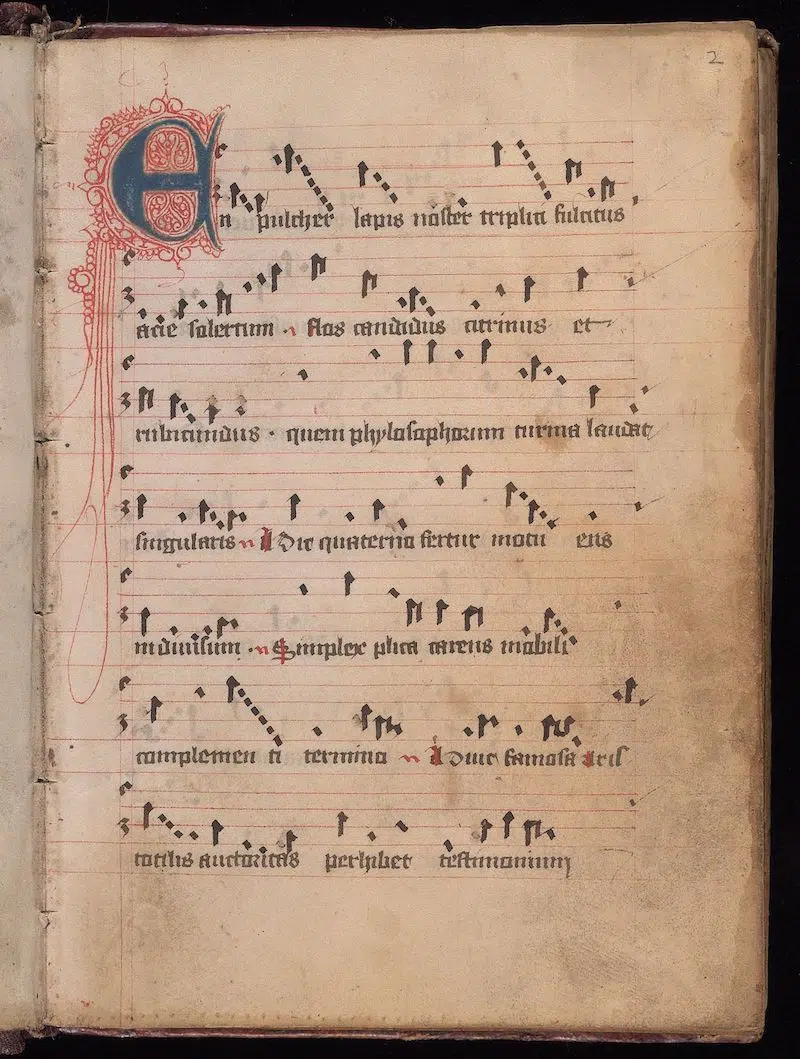
"These manuscripts are not relics of a ‘wrong’ science," notes the library’s descriptive literature. "They are the records of human curiosity at its most unbridled. By preserving them, we are preserving the evolution of the scientific method itself."
Curators argue that the collection serves as a bridge between the humanities and the sciences. They suggest that by studying how alchemists used metaphor to describe physical reactions, modern students can learn about the history of language, art, and psychology. The official stance is that there is no "magic" in the supernatural sense within the vault; rather, the magic lies in the endurance of human inquiry and the beauty of the manuscripts themselves.
Implications: Why Alchemy Matters in the 21st Century
The continued relevance of Yale’s alchemy collection extends far beyond the niche interests of historians. The implications of maintaining and digitizing such a collection are profound:
1. The Redefinition of "Science"
The collection forces a re-evaluation of the Enlightenment. It proves that the "Scientific Revolution" did not happen in a vacuum but was built directly upon the experimental data gathered by alchemists. By making these texts available, Yale allows researchers to trace the lineage of modern chemistry back to its more "mystical" ancestors, showing that progress is often a messy, nonlinear process.
2. Art and Iconography
For art historians, the collection is a goldmine of symbolism. The intricate diagrams found in these manuscripts have influenced centuries of visual culture, from Renaissance painting to modern surrealism. The digitization of these works provides a free, high-quality resource for artists and designers seeking to understand the visual language of the past.
3. Psychological and Philosophical Insight
Following the path blazed by Carl Jung, many contemporary scholars use the Yale manuscripts to study the "alchemy of the mind." The metaphors of purification and transformation found in the texts continue to be used in modern therapy and philosophy to describe the process of self-actualization.
4. Democratization of Knowledge
Perhaps the most significant implication is the shift in accessibility. For centuries, these books were kept in private collections or "secret" library annexes, available only to those with high-level academic credentials. Yale’s commitment to digitization represents a broader movement in the 21st century toward the democratization of information. It acknowledges that these cultural treasures belong to the world, not just the university.
In conclusion, the Beinecke Library’s "books of magic" are far more than a collection of debunked theories and strange drawings. They are a testament to the era when humans first began to systematically question the nature of the material world. As they sit preserved in their marble-clad sanctuary, they remain as they were intended: as catalysts for transformation—no longer of lead into gold, but of curiosity into knowledge.



Leave a Comment