
The Architecture of Digital Teleportation: How WorldLens VR is Reimagining Google Street View Through AI

The dream of virtual travel has long been a cornerstone of the virtual reality (VR) industry. From the early days of basic 360-degree photography to the high-fidelity photogrammetry seen in premium experiences, the goal has always been the same: to transport the user to a distant location with such fidelity that the brain accepts the digital facsimile as reality. However, a persistent "uncanny valley" has existed in VR travel—the flat, "wallpaper" effect of spherical panoramas.
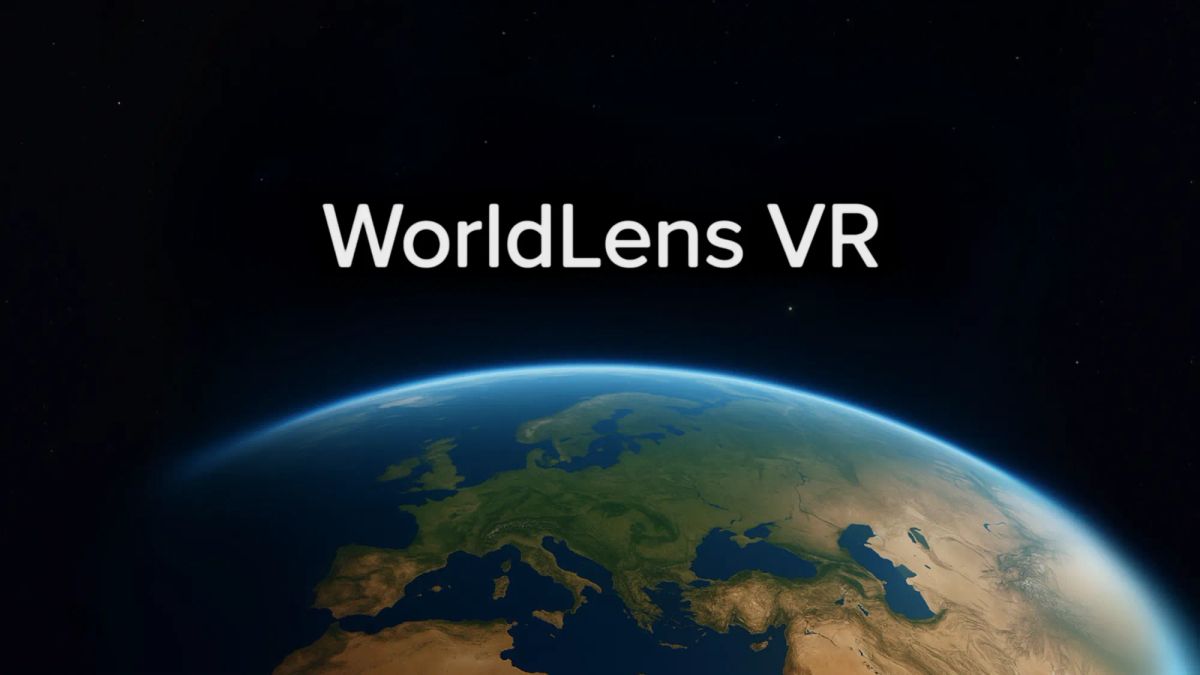
WorldLens VR, a new application recently launched on the Meta Quest platform, seeks to bridge this gap. Developed by solo creator Stoian Eduard Andrei, the app utilizes sophisticated artificial intelligence to inject subtle 3D depth into standard Google Street View environments. By transforming static 2D data into a responsive spatial experience, WorldLens VR represents a significant leap forward for standalone VR headsets and the broader niche of digital exploration.
Main Facts: A New Dimension for Global Exploration
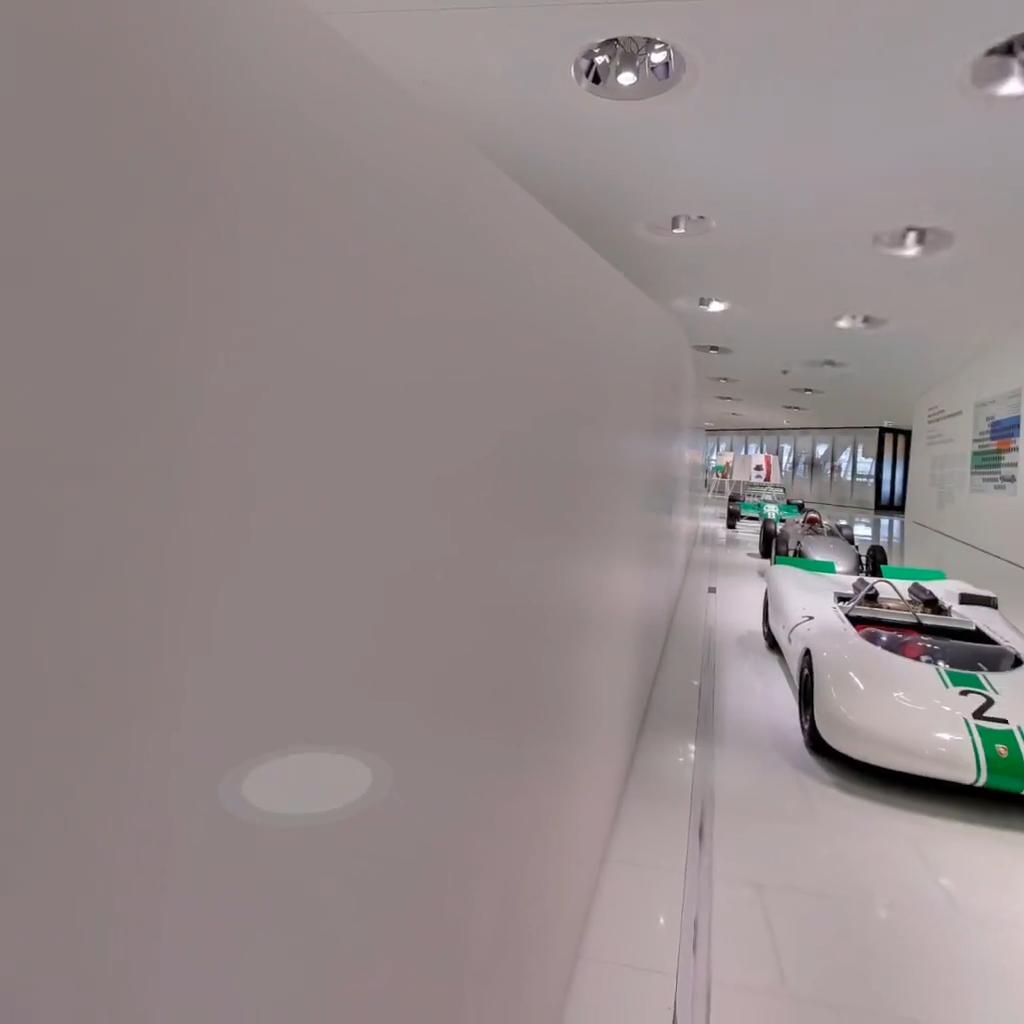
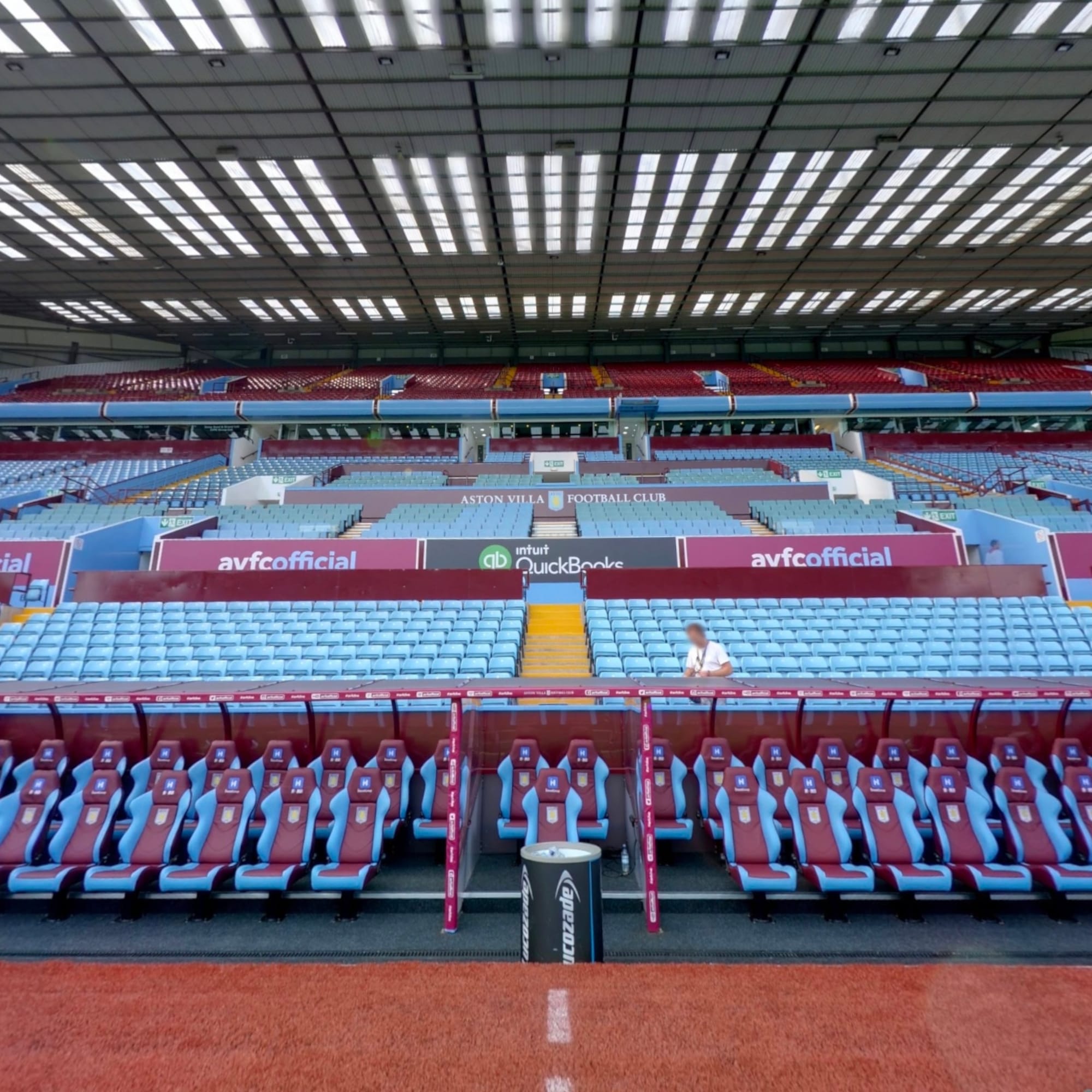
WorldLens VR is not merely a viewer for Google Street View; it is a real-time depth-reconstruction engine. While Google Earth VR has existed for years on PC-tethered systems, it often lacks the street-level resolution and intimacy provided by the Street View project’s ground-level cameras. Conversely, standard Street View apps on mobile VR headsets have historically suffered from a lack of depth, making the world feel like a giant, curved photograph wrapped around the user’s head.
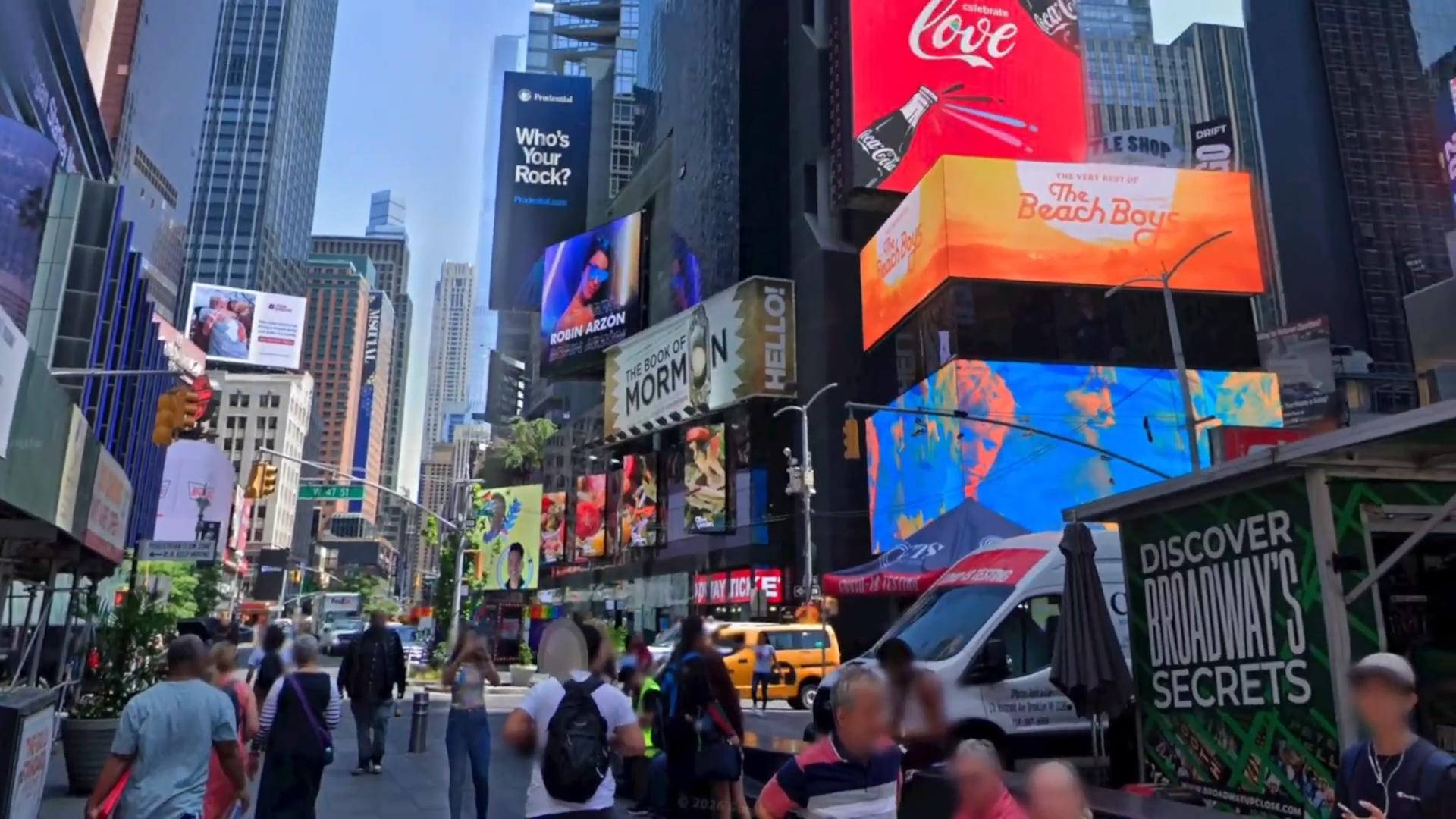
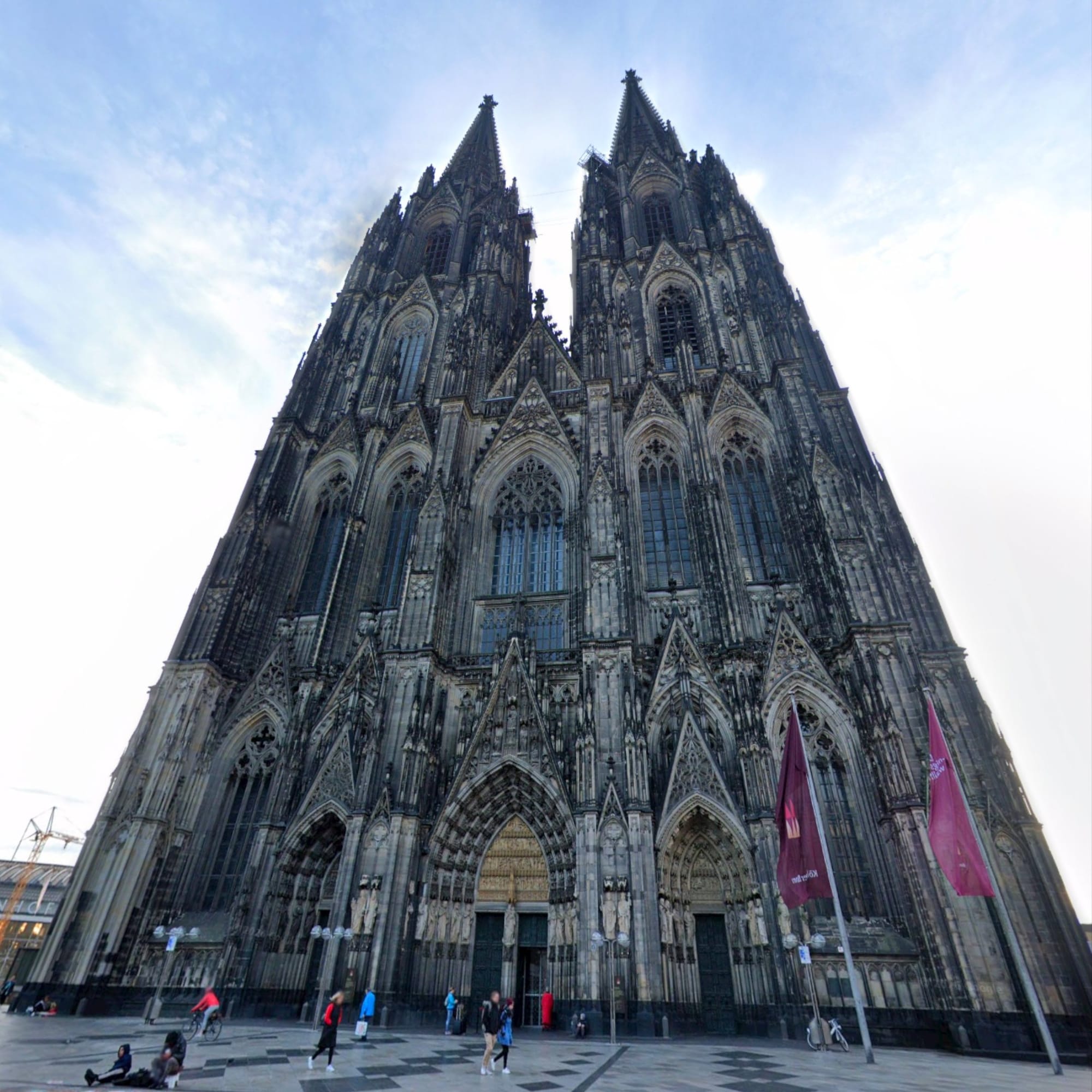
The core innovation of WorldLens VR lies in its AI-powered 3D mode. When a user "drops" into a location—be it the neon-soaked corridors of Times Square or a quiet cobblestone street in Prague—the app initially presents the standard flat imagery. Within seconds, the AI layer calculates the spatial geometry of the scene, and the environment "snaps" into 3D.
This transformation is characterized by three primary technical achievements:
- Object Separation: Buildings, vehicles, and street furniture are computationally detached from the background and sky.
- Real-Time Parallax: As the user moves their head or shifts their physical weight, foreground objects slide against the background at different speeds, providing the essential visual cues for depth perception.
- Neural Upscaling: A proprietary 4x neural network upscaler sharpens low-resolution textures, mitigating the "blur" often associated with third-party Google Earth integrations.
Currently available on the Meta Quest Store, WorldLens VR is positioned as a tool for both casual exploration and "grounded presence," with a SteamVR version currently in active development to leverage the higher processing power of desktop PCs.
Chronology: From Personal Obsession to Public Launch
The journey of WorldLens VR began long before its current iteration. The project was originally conceived and released under the name EarthQuest. The developer, Stoian Eduard Andrei, was driven by a personal obsession with Google’s 3D Tiles API—a massive dataset that allows developers to stream 3D geographic data.
Phase 1: The EarthQuest Foundation
In its early stages, the project focused on the sheer scale of the world. Andrei sought to bring the entirety of Google Earth’s 3D geometry to the Quest’s mobile processor. This was a significant optimization challenge, as the Quest hardware must balance high-resolution rendering with the massive data throughput required to stream global maps.
Phase 2: The Transition to WorldLens
As the project evolved, Andrei realized that while 3D tiles provided a great "bird’s-eye view," the experience of being on the ground—Street View—was where the most profound sense of "presence" occurred. However, the flat nature of Street View panoramas was a limiting factor. The project was rebranded as WorldLens VR to reflect a shift in focus: not just viewing the world, but viewing it through a lens of enhanced reality.
Phase 3: The AI Integration
The most recent and significant milestone was the integration of the AI depth-inference engine. This feature was developed to solve a specific limitation of the Google Maps platform: the lack of accessible depth data for third-party developers. Over the past several months, Andrei has rolled out a series of optimization updates designed to fix "edge warping" and "haloing" around 3D objects, leading to the current build available to Quest users.
Supporting Data: The Technical Constraints of AI Depth Inference
To understand the achievement of WorldLens VR, one must understand the technical hurdles of depth inference. Unlike high-end professional cameras or modern smartphones equipped with LiDAR (Light Detection and Ranging) sensors, Google Street View cars primarily capture 2D panoramic images.
The Inference Engine
Because Google does not provide raw LiDAR data or pre-calculated depth maps to third-party developers, WorldLens VR must "guess" the depth. The AI analyzes the 2D panorama, identifying edges, vanishing points, and object scales to create a "depth map" on the fly. This map tells the app which pixels are close to the user and which are far away.

Performance and Stability
Pushing this level of computational analysis through a standalone headset like the Quest 3 or Quest Pro is a high-wire act. During intensive testing, particularly when jumping between high-density urban environments and complex natural landscapes, the system can hit its limits.
- RAM Thresholds: The app has been known to trigger "RAM usage high" warnings when loading multiple high-resolution locations in quick succession.
- Crash Rates: Despite the heavy load, backend analytics provided by the developer indicate a lifetime crash rate of under one percent.
- Memory Management: The primary cause of instability is the Meta OS’s strict memory limits, which must accommodate the OS itself, the VR tracking systems, and the app’s heavy streaming threads simultaneously.
The 4x Upscaler
One of the most praised features in the technical community is the 4x neural network upscaler. Standard Street View imagery, when stretched to fill a VR field of view, can appear pixelated. Andrei’s upscaler acts as a sharp texture filter. Crucially, it is designed to enhance existing data rather than "hallucinate" new details—a common pitfall in generative AI—ensuring that the world remains a faithful representation of reality.
Official Responses: Insights from Developer Stoian Eduard Andrei
In a series of interviews and follow-up communications, Stoian Eduard Andrei has been transparent about the goals and limitations of the project. His philosophy centers on "restraint" rather than visual spectacle.
"The main design goal was realism," Andrei stated. "I wanted the Street View environments to feel natural and believable in 3D, corresponding to the real scene as closely as possible."
Andrei acknowledged that the 3D effect is intentionally subtle. Unlike 3D movies that use exaggerated "pop-out" effects, WorldLens VR focuses on parallax—the way objects move relative to one another. "It shouldn’t be oversold as a dramatic spectacle," Andrei warned. Instead, it is meant to trick the brain into a state of "presence," where the user stops feeling like they are looking at a photo and starts feeling like they are standing in a space.
Regarding the upcoming PCVR version, Andrei expressed excitement about the increased "performance headroom."
"Moving to PC-tethered hardware will allow us to push visual detail and caching capacity much further," he noted. The goal for the SteamVR release is near-instant 3D generation and a significant reduction in "tile pop-in," where textures load in chunks as the user moves.
Implications: The Future of Virtual Presence and AI-Enhanced Travel
The release of WorldLens VR has broader implications for the VR industry and the future of digital twins. It demonstrates that AI can be used to "upcycle" existing 2D datasets into immersive 3D experiences, potentially saving thousands of hours of manual 3D modeling.
The Psychological Impact of "Presence"
Virtual travel is often dismissed as a niche, but for those with mobility issues, financial constraints, or a simple desire for global connection, the psychological impact is profound. There is a measurable difference in brain activity between looking at a map and experiencing "presence" in a VR environment. By adding depth, WorldLens VR enhances this sensation, making the digital memory of a "visit" to a place feel more like a physical memory.
AI as a Democratizer of Content
Traditionally, creating high-quality 3D environments required expensive LiDAR scans or photogrammetry rigs. WorldLens VR proves that software-side AI can bridge the gap. As these AI models become more efficient, we may see a future where every 2D photo in our personal libraries can be "re-spatialized" for viewing in headsets like the Apple Vision Pro or Meta Quest 3.
The Solo Developer vs. Corporate Giants
It is noteworthy that such a feature came from a solo developer rather than Google or Meta themselves. While Google has the resources to implement this natively, WorldLens VR highlights the agility of indie developers who can chase "personal obsessions" to create features that corporate roadmaps might overlook.
Conclusion: A Step Toward a Truly Borderless World
WorldLens VR is a testament to the power of persistent optimization and the creative application of AI. While it faces the hardware limitations inherent in today’s standalone VR headsets, its ability to transform the world’s most comprehensive photographic database into a navigable 3D space is a remarkable achievement.
For users of the Meta Quest, the app offers more than just a map; it offers a glimpse into the future of how we will interact with geographic data. As Andrei continues to refine the AI and prepares for the PCVR launch, WorldLens VR stands as a primary example of how VR can fulfill its original promise: to make the world a smaller, more accessible place, one street corner at a time.



Leave a Comment