
The Ebert Paradox: Re-evaluating Harrison Ford’s ‘Hollywood Homicide’ Two Decades Later
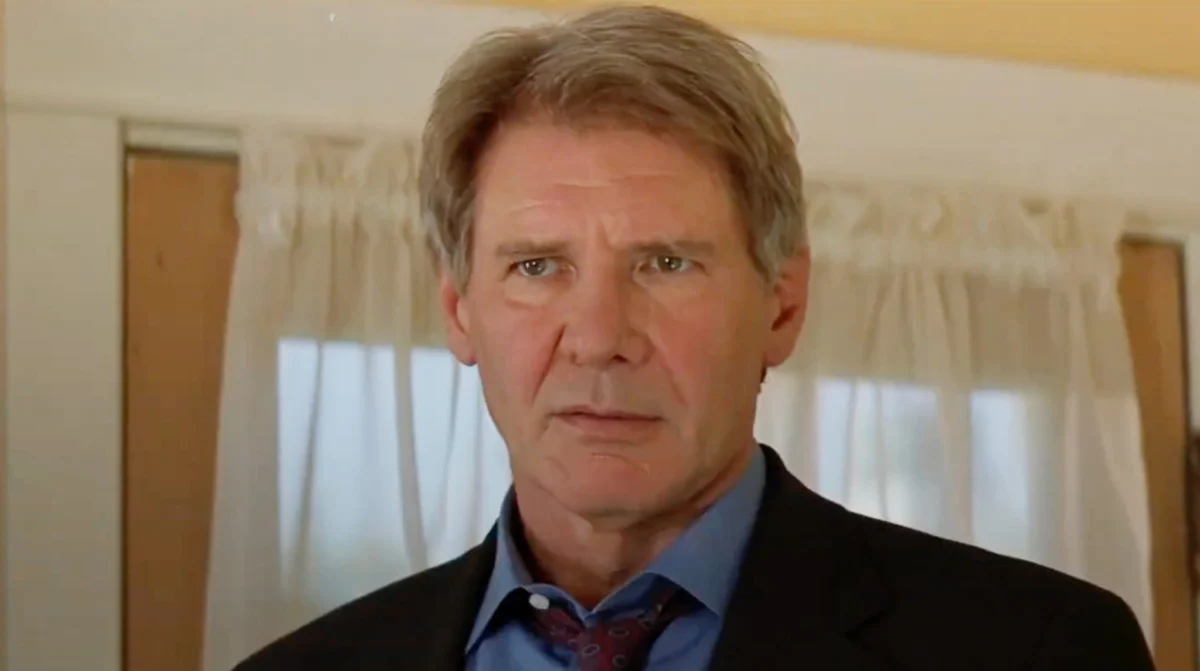
In the annals of film criticism, few voices carry the weight of the late Roger Ebert. The Pulitzer Prize-winning critic was known not just for his encyclopedic knowledge of cinema, but for a fiercely independent streak that often defied the prevailing winds of critical consensus. Ebert did not view movies through the lens of a "tastemaker" seeking to align with the elite; rather, he judged every film on its own terms—asking whether it succeeded in what it set out to do.
This contrarian spirit was perhaps never more evident than in the summer of 2003, when the action-comedy Hollywood Homicide arrived in theaters. Starring the legendary Harrison Ford and then-rising star Josh Hartnett, the film was met with a chorus of derision from the critical establishment. It was labeled "tepid," "superfluous," and a "snail-paced bore." Yet, amidst this sea of negativity, Ebert stood nearly alone, awarding the film a robust three out of four stars. Today, as we look back at the trajectory of Harrison Ford’s career and the evolution of the buddy-cop genre, the divide between Ebert and his peers offers a fascinating case study in how we value star power and genre subversion.
Main Facts: A Mismatched Duo on and off the Screen
Hollywood Homicide, directed by Ron Shelton (Bull Durham, White Men Can’t Jump), was conceived as a satirical take on the LAPD. The film follows Sergeant Joe Gavilan (Harrison Ford), a veteran detective who is perpetually strapped for cash and moonlights as a struggling real estate agent. His partner, K.C. Calden (Josh Hartnett), is a younger detective who is equally distracted, spending his off-hours teaching yoga and pursuing an aspiring acting career.
The central plot involves the duo investigating the mid-performance assassination of an up-and-coming rap group. However, the film frequently pushes the murder mystery to the periphery, focusing instead on the mundane absurdities of the protagonists’ side hustles. While the film was backed by a significant $75 million budget from Sony Pictures Releasing, it struggled to find an audience, grossing only $51.1 million worldwide—a figure that cemented its status as a commercial "flop" during a period when Harrison Ford’s box-office invincibility was beginning to show cracks.
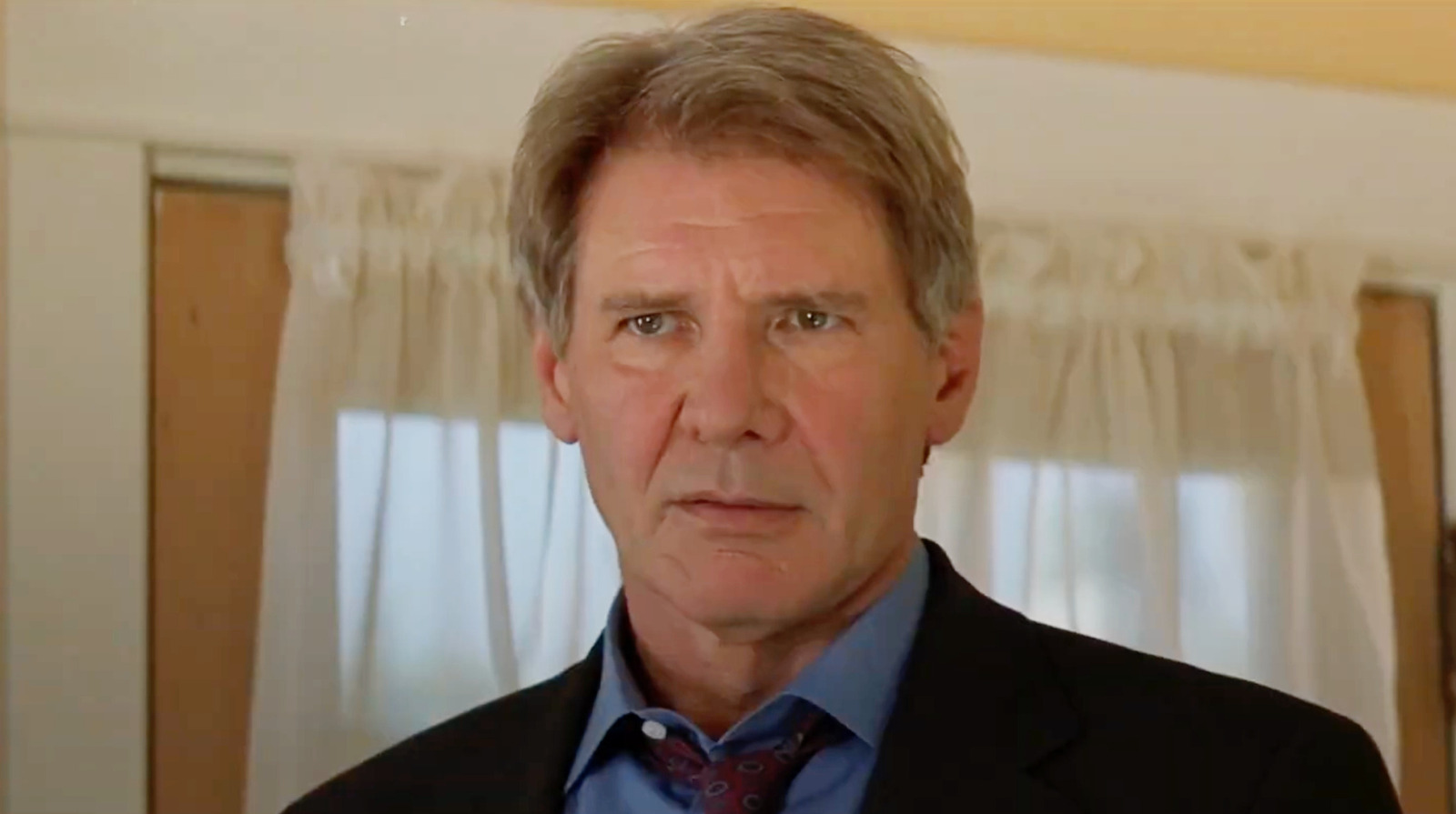
Chronology: Harrison Ford’s "Career Lull" and the Birth of a Script-less Movie
To understand why Hollywood Homicide was received with such vitriol, one must look at the state of Harrison Ford’s career in the early 2000s. After decades of dominating the box office with the Indiana Jones and Star Wars franchises, as well as thrillers like The Fugitive and Air Force One, Ford had entered a rocky period.
In 2002, Ford starred in the submarine drama K-19: The Widowmaker, an ambitious, big-budget project that failed to recoup its costs. Seeking a change of pace, Ford was reportedly attracted to Hollywood Homicide specifically because of its loose, improvisational nature. At the time of his casting, the film famously lacked a finished script—a factor that Shelton used as a selling point. Ford, who had spent much of his career in highly structured, plot-driven blockbusters, was looking for something "freewheeling."
However, the production was famously fraught. Reports from the set suggested a palpable lack of chemistry between Ford and Hartnett, with some sources describing an "ice and fire" dynamic where the veteran actor and the young heartthrob rarely saw eye-to-eye. This tension arguably bled into the film, creating a screen dynamic that critics would later call "awkward," but which Ebert would interpret as a masterful display of comedic friction.
Supporting Data: The Ron Shelton Touch and the Reality of the "Side Hustle"
The film’s unique flavor came from director Ron Shelton and co-writer Robert Souza. Souza was a veteran of the LAPD, and the "moonlighting" aspect of the characters was not a Hollywood invention but a reflection of the actual economic realities facing California law enforcement officers at the time.
Supporting the film’s "weirdness" were several data points that separated it from standard action fare:
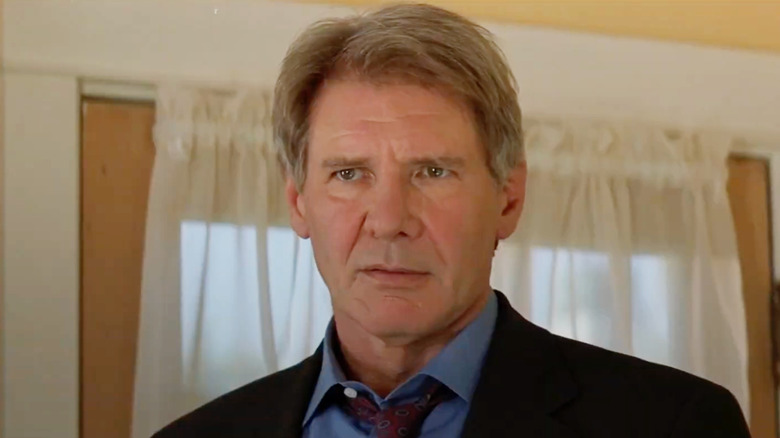
- The Satirical Edge: Unlike the Lethal Weapon series, which focused on high-stakes heroism, Hollywood Homicide prioritized Gavilan’s desperate attempts to sell a luxury home while under fire.
- The Supporting Cast: The film featured an eclectic ensemble, including Isaiah Washington, Bruce Greenwood, Lolita Davidovich, and even a cameo by Smokey Robinson, highlighting Shelton’s interest in a "lived-in" Los Angeles.
- Genre Blending: The film attempted to marry the gritty police procedural with the "hangout movie" aesthetic that Shelton had perfected in his sports comedies.
Official Responses: A Critical Evisceration
When Hollywood Homicide debuted on June 13, 2003, the majority of critics were unforgiving. On the review aggregator Rotten Tomatoes, the film currently holds a dismal 31% approval rating. The consensus was that the film was a tonal mess—neither funny enough to be a comedy nor thrilling enough to be an action movie.
Megan Lehmann of the New York Post was particularly blunt, calling the film a "snail-paced bore." David Ansen of Newsweek questioned the logic behind the production, asking, "How could so many talented people make such a tepid, superfluous movie?"
Perhaps the most stinging critiques were directed at Ford himself. Jami Bernard of the New York Daily News described the performance as a "humiliating comedown," suggesting that Ford looked "creaky and grumpy" throughout. J. Hoberman of the Village Voice went a step further, labeling Ford "essentially humorless" and suggesting he was miscast in a role that required a lighter touch. The general feeling was that one of Hollywood’s greatest icons was being wasted in a movie that didn’t know what it wanted to be.
The Ebert Dissension: Why He Saw Greatness in the "Grumpy"
Roger Ebert’s review was a stark departure from this narrative. While others saw a "creaky" actor, Ebert saw a performer who was "more distilled, more laconic, and more gruffly likable" than ever before.
Ebert’s primary argument was that the film’s supposed weaknesses were actually its strengths. He noted that the movie was "more interested in its two goofy cops than in the murder plot," and for him, that was a positive. He found the dialogue between Ford and Hartnett to be the saving grace of the film, providing a texture that more polished, "perfect" scripts lacked.
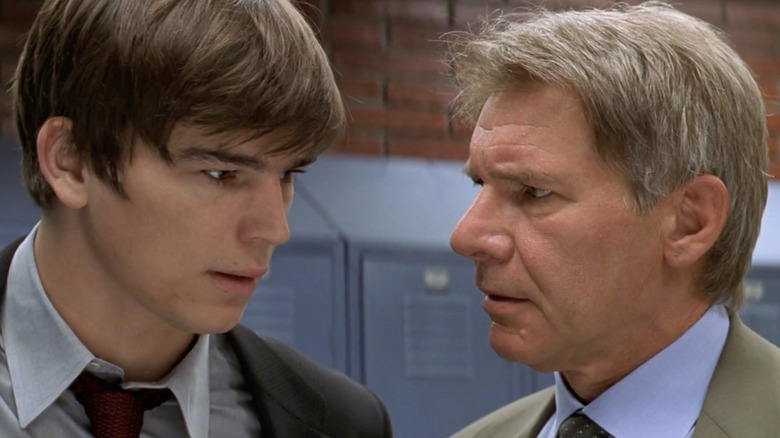
Ebert highlighted a specific scene that other critics found absurd: Joe Gavilan attempting to sell a house to a club owner while standing in "fresh pools of blood, metaphorically speaking." Ebert wrote, "You don’t feel he’s going for laughs… you feel he desperately needs to unload the house." This recognition of the "desperation" in Ford’s character allowed Ebert to appreciate the film as a character study disguised as a buddy-cop movie. He also praised the climax, which he called a "chase and a half," proving that he found the film’s pacing to be far more energetic than his colleagues did.
Implications: The Legacy of a Contrarian Take
The disagreement over Hollywood Homicide has broader implications for how we view the late-stage careers of iconic actors. In 2003, critics were mourning the loss of the "action hero" Harrison Ford. They wanted the stoic righteousness of Jack Ryan or the rogue charm of Han Solo. They were not ready for the "Grumpy Harrison Ford" who cared more about real estate commissions than catching killers.
However, in the decades since, Ford has leaned into this very persona to great acclaim. His recent success in the comedy series Shrinking—where he plays a dry, cantankerous therapist—proves that Ebert was ahead of the curve. Ebert recognized that Ford’s "grumpiness" was not a sign of boredom, but a potent comedic tool that could be used to subvert audience expectations.
Furthermore, the "Ebert Take" on Hollywood Homicide serves as a reminder of the importance of diverse perspectives in film criticism. If every critic followed the consensus, films that take weird, tonal risks would be lost to history. Ebert’s willingness to be "accidentally contrarian" allowed him to find the joy in a flawed but human film.
Twenty years later, Hollywood Homicide remains a polarizing entry in Ford’s filmography. It is not a masterpiece, and its box-office failure is undeniable. Yet, through the lens of Roger Ebert, we can see it as a fascinating experiment—a movie that dared to suggest that even the world’s most famous movie star could be just another guy in L.A., worried about his mortgage and his retirement, even as the bullets start to fly. Ebert’s three stars weren’t just a rating; they were an invitation to look closer at a film the rest of the world had already decided to ignore.



Leave a Comment