
The Contrarian Lens: Revisiting Roger Ebert’s Surprising Defense of ‘Hollywood Homicide’
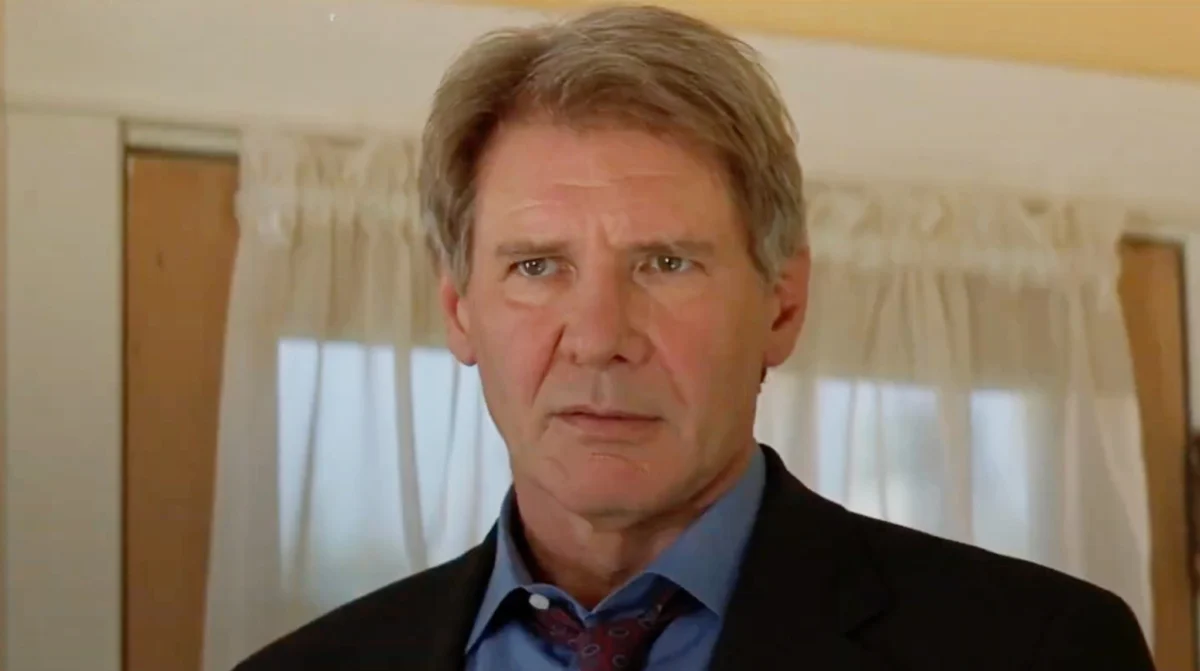
In the annals of film criticism, few figures loom as large or as influential as the late Roger Ebert. Known for his populist approach and his ability to synthesize complex cinematic theory into accessible, thumb-oriented prose, Ebert was rarely accused of being a contrarian for the sake of provocation. However, he possessed a fiercely independent streak that often saw him championing films that his peers dismissed as dross. One of the most striking examples of this independence occurred in 2003, with the release of the Harrison Ford and Josh Hartnett action-comedy Hollywood Homicide.
While the majority of the critical establishment sharpened their knives, labeling the film a "snail-paced bore" and a "humiliating comedown" for its legendary lead, Ebert stood almost alone in his praise. Awarding the film three out of four stars, Ebert saw something in the Ron Shelton-directed buddy-cop flick that others missed: a charm rooted not in its procedural plot, but in the eccentricities of its characters and the "distilled" craft of an aging Harrison Ford.
Main Facts: A Mismatched Duo in a Divided Market
Released in June 2003, Hollywood Homicide arrived during a transitional period for both the action genre and its primary star. Directed by Ron Shelton—the filmmaker behind character-driven sports hits like Bull Durham and White Men Can’t Jump—the movie attempted to blend the traditional "buddy cop" formula with a satirical look at the "side-hustle" culture of Los Angeles.
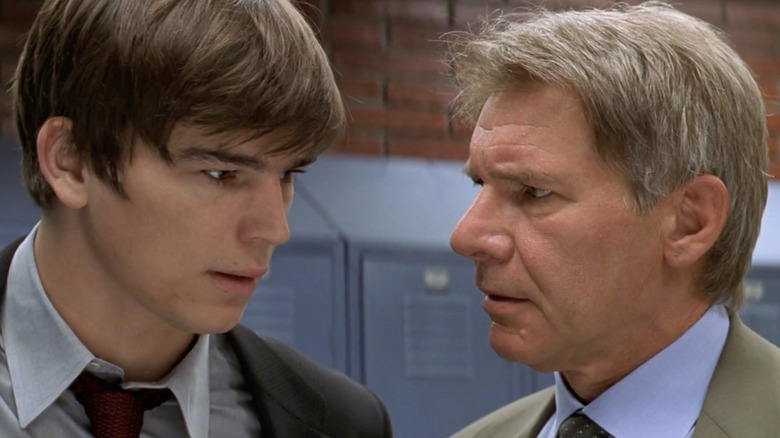
The film stars Harrison Ford as Sergeant Joe Gavilan, a veteran detective who spends more time trying to close real estate deals than solving crimes. His partner, Detective K.C. Calden (played by Josh Hartnett), is a millennial yoga instructor who dreams of becoming a professional actor, even practicing his lines for A Streetcar Named Desire while on the clock. The central plot involves the murder of an up-and-coming rap group, but the film frequently detours into Gavilan’s attempts to sell a luxury home and Calden’s theatrical aspirations.
Upon its release, the film was a commercial and critical disappointment. On a budget of approximately $75 million, it grossed only $51 million worldwide. On the review aggregator Rotten Tomatoes, it currently holds a meager 31% approval rating. Yet, Roger Ebert’s positive review remains a fascinating outlier, suggesting that the film’s perceived failures were actually stylistic choices that required a specific kind of appreciation.
Chronology: Harrison Ford’s Early 2000s Identity Crisis
To understand why Hollywood Homicide was received with such vitriol, one must look at the trajectory of Harrison Ford’s career at the turn of the millennium. Throughout the 1980s and 90s, Ford was the ultimate cinematic "everyman" hero, dominating the box office with the Indiana Jones and Star Wars franchises, as well as thrillers like The Fugitive and Air Force One.
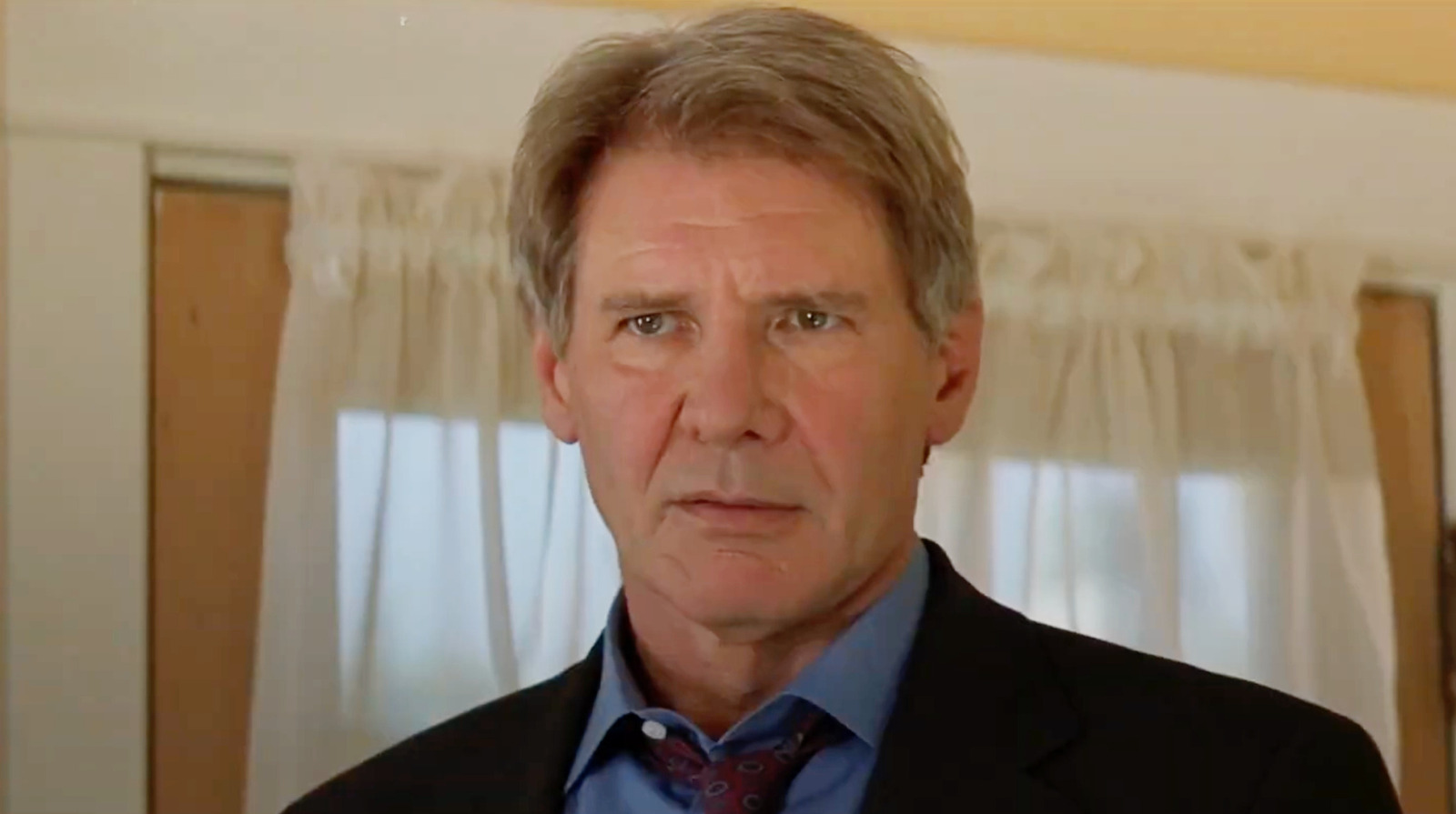
However, as the 2000s began, Ford’s invincible streak began to show cracks:
- 1999: Random Hearts, a somber romantic drama, failed to connect with audiences.
- 2000: What Lies Beneath was a massive hit, but it cast Ford as a villain, a departure that signaled he was looking for different challenges.
- 2002: K-19: The Widowmaker, a gritty submarine drama, was a high-profile box office flop that left industry analysts questioning Ford’s continued "bankability."
By the time Hollywood Homicide entered production, Ford was reportedly seeking something "loose and freewheeling." He was attracted to the project precisely because it lacked a rigid, polished script in its early stages, allowing for improvisation. For Ford, the film was an opportunity to lean into a comedic persona that he hadn’t fully explored since the early days of Han Solo.
The industry, however, was not looking for a "freewheeling" Ford; they wanted the stoic hero of old. When the film debuted as a quirky, somewhat disjointed comedy about real estate and yoga, the backlash was swift.
Supporting Data: The Anatomy of a Critical Panning
The consensus among major critics in 2003 was that Hollywood Homicide was a failure of tone and energy. The primary complaints centered on the perceived lack of chemistry between the two leads and a plot that felt secondary to the characters’ hobbies.
The Pacing Problem
Megan Lehmann of the New York Post was among the most vocal detractors, calling the film a "snail-paced bore." This sentiment was echoed by Ty Burr of the Boston Globe, who described it as "one of the most lazily scripted, poorly structured, smugly stereotyped star vehicles in recent memory." Critics felt that the "side-hustle" subplots—which Ebert found charming—were actually distractions that sucked the momentum out of the action.
The Miscasting Narrative
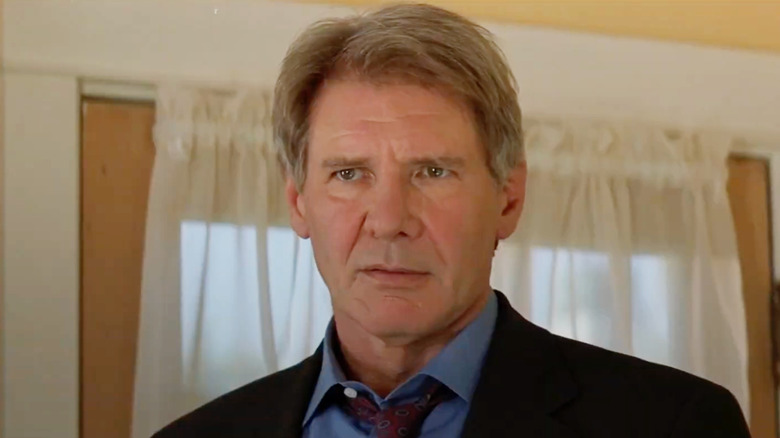
A recurring theme in the negative reviews was the idea that Harrison Ford was "above" this kind of material. Jami Bernard of the New York Daily News described the film as a "humiliating comedown," suggesting that Ford looked "creaky and grumpy" because he was aware he was miscast. J. Hoberman of the Village Voice went a step further, labeling Ford "essentially humorless," a critique that seems particularly ironic in the context of Ford’s later comedic success in projects like Shrinking.
The Script and Structure
Desson Thomson of the Washington Post offered a scathing summary, stating the film was about "the wholesale slaughter of anything funny, original, or even vaguely logical." For these critics, the lack of a tight, traditional narrative was not a "selling point" (as it had been for Ford), but a fundamental flaw that rendered the movie unwatchable.
Official Responses: Ebert’s Defense of the "Goofy"
Roger Ebert’s review served as the primary counter-narrative to this wave of negativity. His defense of the film was built on three main pillars: character over plot, Ford’s evolving screen presence, and the film’s specific brand of absurdity.
Character Over Procedural
Ebert argued that the very thing critics hated—the focus on real estate and yoga—was the film’s greatest strength. "One of the pleasures of ‘Hollywood Homicide’ is that it’s more interested in its two goofy cops than in the murder plot," he wrote. He appreciated that the movie felt like a "hangout film" rather than a standard-issue police procedural.
The Evolution of the "Ford Persona"
While others saw a "grumpy" and "bored" actor, Ebert saw a master at work. He observed that Ford "just gets better, more distilled, more laconic, and more gruffly likable, year after year." Ebert highlighted a specific scene where Ford’s character tries to sell a house to a club owner while standing near a crime scene. Where other critics saw a lack of logic, Ebert saw a comedic commitment to the "straight man" bit, noting that Ford played it with a desperate, hilarious sincerity.
Technical Merit
Ebert also disagreed with the notion that the film was poorly paced. He specifically praised the climax, which he described as a "chase and a half," suggesting that Ron Shelton’s direction provided enough traditional thrills to satisfy the genre requirements, even as the film poked fun at them.
Implications: Ebert’s Legacy and Ford’s Comedic Renaissance
The disparity between Ebert’s review and the critical consensus of Hollywood Homicide offers several insights into the nature of film criticism and the career of one of cinema’s biggest stars.
The "Ebert Philosophy"
Ebert’s positive review of a "bad" movie reinforces his core philosophy: a film should be judged by how well it achieves what it sets out to do. He didn’t judge Hollywood Homicide against the standard of The Fugitive; he judged it as a character-centric comedy about the oddities of Los Angeles life. His ability to find value in "mediocre" thrillers like Lakeview Terrace or controversial works like El Topo was a testament to his belief that cinema is a broad church with room for many different kinds of success.
Ford as a "Comedy Savant"
In retrospect, Ebert may have been more prophetic than his peers. The "grumpy, laconic" energy he praised in 2003 has become the cornerstone of Harrison Ford’s late-career resurgence. In the Apple TV+ series Shrinking, Ford plays a character not unlike Joe Gavilan—a curmudgeonly professional whose personal life is a mess of eccentricities. Modern audiences and critics now celebrate this version of Ford as a "comedy savant," suggesting that the "humorless" label applied to him in 2003 was a failure of the critics’ imagination, not Ford’s talent.
The Genre Shift
Hollywood Homicide also signaled the end of the traditional, big-budget buddy-cop era. As the 2000s progressed, the genre would either move toward gritty realism (like Training Day) or meta-commentary (like Hot Fuzz). Shelton’s film was an awkward middle ground—a movie that tried to be both a sincere genre entry and a satire of the very industry that created it.
Conclusion
While Hollywood Homicide is unlikely to ever be ranked among the "Great Movies" on Ebert’s legendary list, the critic’s defense of it remains a compelling piece of writing. It serves as a reminder that the value of art is subjective and that sometimes, the most interesting things in a film are the very elements that others find "superfluous." Roger Ebert saw a "distilled" and "likable" Harrison Ford in a film that everyone else wanted to bury, proving once again that the most important "thumb" in the industry was the one that didn’t always follow the crowd.




Leave a Comment