
Legacy on the Range: Beth Dutton’s Texas Pivot and the Correction of a Montana Tragedy
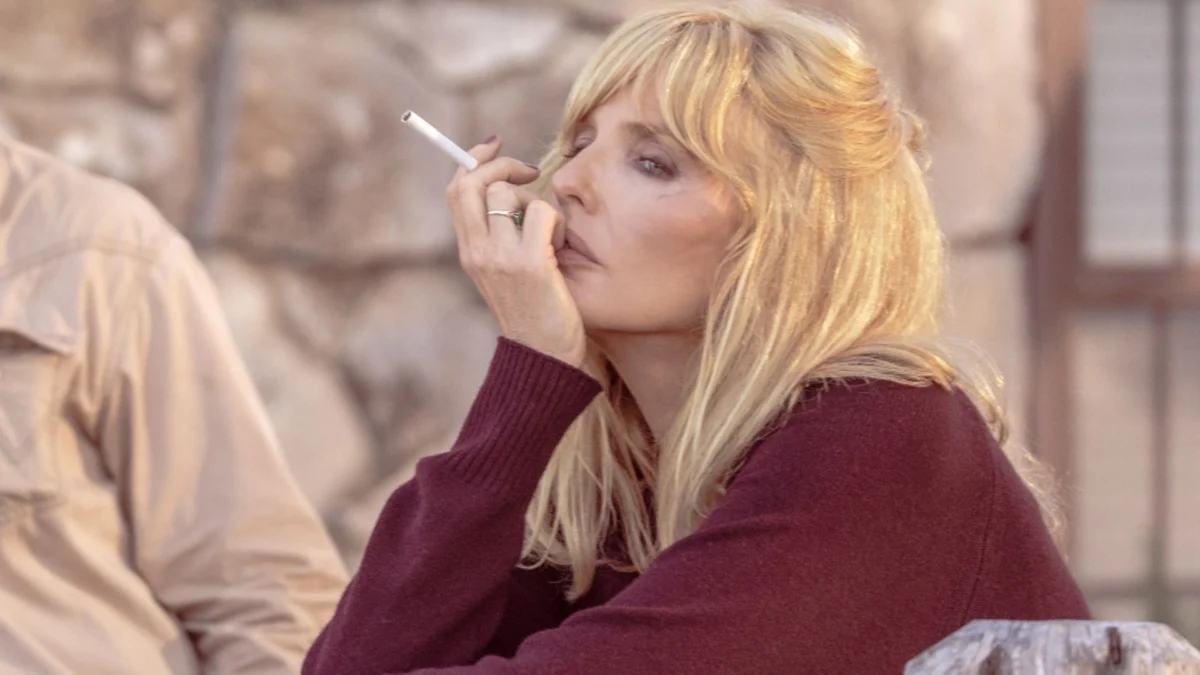
The transition from the rugged peaks of Montana’s Bitterroot Valley to the sun-scorched plains of Rio Paloma, Texas, represents more than a change in geography for the Dutton family. In the opening episodes of the highly anticipated Yellowstone spin-off, Dutton Ranch, Beth Dutton (portrayed with trademark ferocity by Kelly Reilly) has embarked on a mission that is as much about financial survival as it is about ideological vindication. By launching a direct-to-consumer premium steak brand, Beth is systematically dismantling the rigid, traditionalist business philosophy that led to her father John Dutton’s (Kevin Costner) ultimate failure to secure the family’s Montana legacy.
The Core Objective: A New Business Model for a New Frontier
The primary narrative thrust of Dutton Ranch Season 1, Episodes 1 and 2—titled "The Untold Want" and "Earn Another Day," respectively—centers on the fallout of a catastrophic fire that razed the original Montana homestead. Forced to relocate, Beth and her husband Rip Wheeler (Cole Hauser) have acquired the century-old Edwards Ranch in South Texas. While the name has been changed to "Dutton Ranch" in a nod to the family patriarch, the operational strategy is a radical departure from the past.
Beth’s new objective is the establishment of a vertical integration model for their cattle. Unlike her father, who viewed the ranch primarily as a fortress to be defended against the modern world, Beth views the land as an asset that must yield a modern profit. By utilizing the ranch’s prized Black Angus herd to sell branded steaks directly to consumers and high-end retailers, she is pursuing the very path John Dutton rejected during the final years of his life.

Chronology: From Corporate Raider to Texas Rancher
To understand the weight of Beth’s current trajectory, one must look at the chronological evolution of her character across the Yellowstone timeline.
The Salt Lake City Years (Yellowstone Season 1-3)
When the saga began, Bethany Dutton was a high-functioning corporate assassin. As the Head of Acquisitions for Schwartz & Meyer, she specialized in the "slash and burn" tactics of corporate raiding. She hated the ranch, viewed the "cowboy way" as an archaic death sentence, and only returned to Montana to serve her father’s interests.
The Chief of Staff Era (Yellowstone Season 4-5)
Beth’s perspective shifted as she realized the ranch’s vulnerability. During Season 5, while serving as her father’s Chief of Staff during his tenure as Governor, Beth identified a glaring flaw: the ranch was "land rich but cash poor." She witnessed the success of Texas operations like the 6666 Ranch, which diversified into retail and hospitality. John Dutton, however, remained recalcitrant, insisting that they were "cattlemen, not salesmen." This stubbornness left the ranch vulnerable to the political and environmental disasters that eventually led to its ruin.

The Texas Resurrection (Dutton Ranch Season 1)
Following the fire in Montana, the timeline picks up in Rio Paloma. Beth has shed her corporate suits for denim, but she has retained her predatory business instincts. In Episode 1, she identifies the Edwards Ranch’s Black Angus herd as the key to their future. By Episode 2, she has already secured a partnership with a local slaughterhouse, overcoming the initial gatekeeping of the Texas cattle elite.
Supporting Data: The Financial Case for Branded Beef
The narrative shift in Dutton Ranch is grounded in real-world agricultural economics, which the series uses to justify Beth’s ruthlessness. In the traditional ranching model—the one John Dutton died defending—ranchers sell their calves at auction to feedlots. The profit margins are razor-thin, and the rancher bears all the risk of weather, disease, and fluctuating market prices.
In contrast, the "Texas Model" Beth is implementing focuses on:

- Brand Equity: By naming the beef "Dutton Ranch Steaks," she is selling a lifestyle and a legacy, allowing for a significant price premium.
- Cutting Out the Middleman: By partnering directly with a slaughterhouse and controlling the distribution, the ranch retains the profit margins usually swallowed by industrial meatpackers.
- Market Diversification: Beth’s strategy includes wholesale deals with high-end steakhouses and a direct-to-consumer subscription model, providing a steady cash flow that the Montana ranch never possessed.
This data-driven approach is what Beth believes will prevent history from repeating itself. She isn’t just raising cows; she’s building a luxury commodity brand.
Official Responses and Production Context: The "Grizzly in Gucci"
The production of Dutton Ranch has introduced several high-profile antagonists and allies that serve as mirrors for Beth’s ambitions. The casting of Academy Award winner Annette Bening as Beulah Jackson, the owner of the rival 10-Petals Ranch, provides the series with a formidable ideological opponent.
Jackson, described by Beth as a "Grizzly in Gucci," represents the successful version of what John Dutton could have been. She is a South Texas power player who has mastered the art of combining old-world land ownership with new-world political and financial savvy. Her presence in the series serves as a constant reminder of the stakes: in Texas, you are either the predator or the prey.
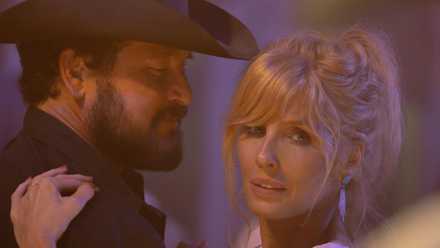
Showrunner Taylor Sheridan has noted in promotional interviews that the shift to Texas was necessary to explore the "evolution of the American pioneer." While the original series was about the defense of a legacy, Dutton Ranch is about the reclamation of one. The addition of Ed Harris as Everett McKinney, a veterinarian with deep ties to the community, provides a moral compass for Beth as she navigates a territory where she is viewed as an outsider.
Implications: The Future of the Sheridan-Verse
The shift in Beth’s career path has profound implications for the future of the Yellowstone franchise and the themes it explores.
The Modernization of the Western Hero
For decades, the "Western" has focused on the rugged individualist fighting against progress. Dutton Ranch suggests that the only way to survive progress is to co-opt it. Beth’s success would mean that the "Dutton" name survives not as a plot of land, but as a global brand. This redefines the concept of "protecting the ranch" from a physical act of violence to a strategic act of capitalism.

The Psychological Weight of John Dutton
Beth’s actions are fueled by a complex mix of loyalty and spite. While she renamed the ranch after her father, her entire business strategy is a "told-you-so" directed at his ghost. The implication is that John’s refusal to change was a form of selfishness that nearly destroyed his family. Beth’s success in Texas would effectively prove that the loss of the Montana ranch was an avoidable tragedy, potentially creating a rift in her own psyche as she reconciles her love for her father with her recognition of his failures.
A New Power Couple Dynamic
The move to Texas has also recalibrated the relationship between Beth and Rip. In Montana, Rip was the enforcer of John’s will. In Texas, he is the Chief Operating Officer of Beth’s vision. This shift places Beth at the head of the family hierarchy, a position she was never officially allowed to hold while her father was alive.
As Dutton Ranch progresses, the tension between the "Old West" (represented by Rip’s labor and the Black Angus cattle) and the "New West" (represented by Beth’s marketing and slaughterhouse contracts) will likely be the central conflict. Whether the Dutton name can thrive in a state that already has its own queens remains to be seen, but Beth Dutton has made one thing clear: she didn’t come to Texas to hide; she came to take over.



Leave a Comment