
Netflix’s The Boroughs: A Senior-Led Sci-Fi Adventure Echoes Stranger Things While Charting Its Own Course
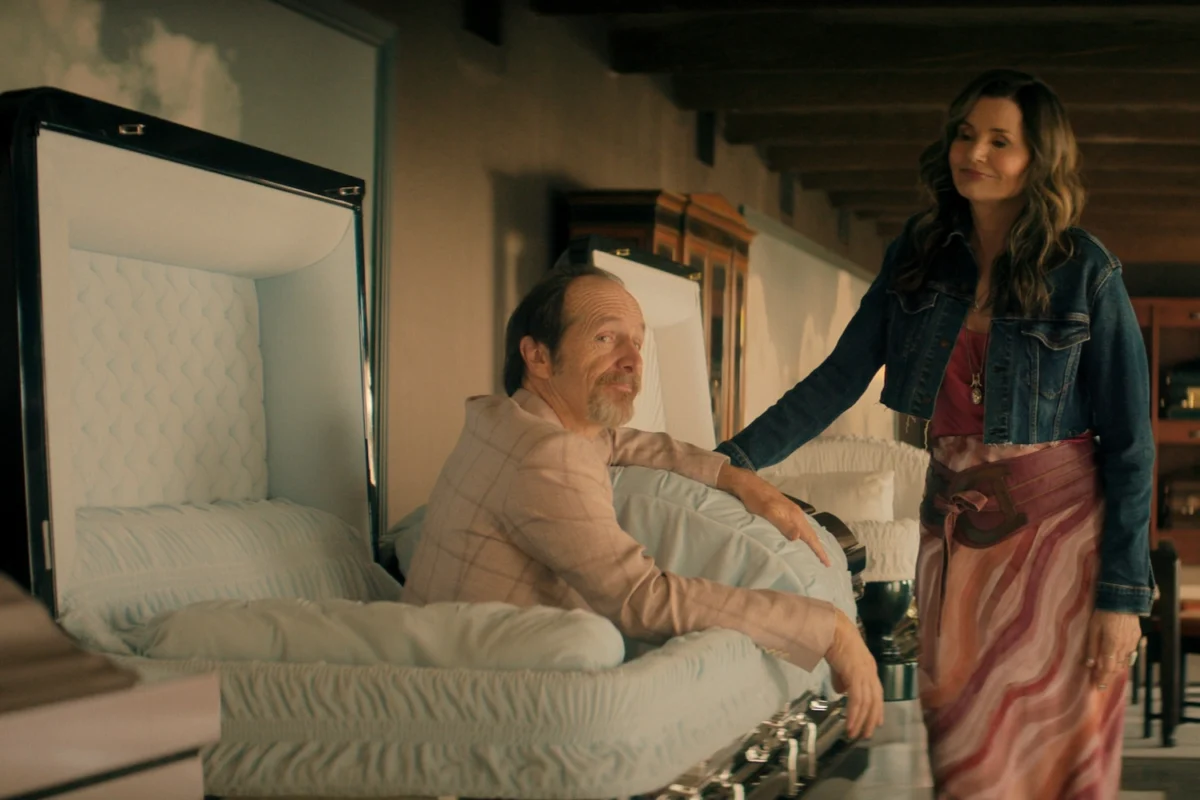
LOS ANGELES, CA – In the ever-evolving landscape of streaming television, the adage "imitation is the sincerest form of flattery" often rings true, though its interpretation can shift from cynical to complimentary depending on context. This sentiment squarely applies to Netflix’s latest sci-fi adventure, The Boroughs. From its opening moments, the eight-part drama undeniably evokes the shadow of its streaming giant cousin, Stranger Things, a connection amplified by the involvement of the Duffer Brothers as executive producers. Yet, beneath the familiar veneer of nostalgic sci-fi and mysterious phenomena, The Boroughs boldly ventures into uncharted territory, offering a refreshing and much-needed narrative centered on a squad of quirky senior citizens.
The series distinguishes itself by casting older adults not as mere caricatures or background figures, but as the dynamic protagonists of a gripping, supernatural mystery unfolding within their seemingly idyllic gated retirement community. This deliberate choice challenges prevailing industry norms, which often relegate older characters to unfortunate stereotypes or sidestep the complex realities of aging altogether. The Boroughs, regardless of any other critical assessment, stands out for its commitment to portraying its elderly ensemble as three-dimensional individuals, each endowed with rich emotional arcs and compelling personal histories.
The Genesis of a Senior Sci-Fi Phenomenon
The anticipation surrounding The Boroughs was palpable, largely fueled by the executive producer credits of Matt and Ross Duffer, the creative masterminds behind Netflix’s global sensation Stranger Things. Their name alone draws significant viewership, a testament to the brand they’ve meticulously built within the sci-fi and horror genres. While their previous executive-produced horror series, Something Very Bad Is Going to Happen, was met with mixed reviews for its "painfully ponderous" nature, The Boroughs feels more organically aligned with the distinctive Duffer Brothers aesthetic and thematic concerns.
Created by Jeffrey Addiss and Will Matthews, The Boroughs embraces a similar "found family" ethos that resonated deeply with Stranger Things fans. However, it ingeniously recontextualizes this trope within a retirement setting, swapping out the ubiquitous bicycles of Hawkins’ youth for designer motorized golf carts – a clever and humorous touch that underscores its unique demographic focus. The result is a show that feels both derivative and fresh, a riff on a beloved formula tailored for a demographic largely overlooked by mainstream genre fare.
The series also cultivates an old-school sci-fi ambiance, replete with visual and thematic homages to classics ranging from Cocoon to E.T. Amidst the supernatural intrigue, it delves into profoundly human themes of friendship, grief, love, and loss, exploring how these experiences resonate at every stage of life. A particular stylistic nod to vintage technology, reminiscent of Stranger Things, comes through its array of cathode ray tube television sets. These provide a magical, sparkling visual that rivals the iconic moment Winona Ryder’s Joyce Byers communicates with her son via Christmas lights in Hawkins, adding a layer of charming retro-futurism.
However, much like its spiritual predecessor, The Boroughs‘ larger monstrous mystery tends to fray under intense scrutiny. By the time viewers approach the revelations at the heart of the retirement community’s bizarre occurrences, the true strength of the series lies not in its intricate plot mechanics, but in the deepening relationships and evolving dynamics among its vibrant cast of residents.
A Community Unveils Its Dark Secrets: The Narrative Arc
The story of The Boroughs unfurls with the arrival of Sam Cooper, a retired engineer portrayed with soulful melancholy by the esteemed Alfred Molina. Sam enters The Boroughs, a seemingly picturesque New Mexico retirement community, ostensibly an idyllic haven that unironically promises its elderly residents "the time of their lives." With its immaculate golf courses, inviting community center, smart home assistants akin to Alexa, and cul-de-sacs teeming with potential new friends, the initial impression is one of genuine tranquility and curated happiness. Yet, as is often the case in such meticulously crafted environments, the surface beauty conceals a darker, more unsettling reality.
Sam, a widower still grappling with the raw pain of losing his beloved wife, Lilly (Jane Kaczmarek), harbors no desire to embrace life at The Boroughs. It was Lilly, in her foresight, who had championed their move to the community, and in the wake of her death, Sam’s immediate inclination is to sever ties and cancel his contract. However, his resolve begins to waver as he encounters several of his boisterous and offbeat neighbors. These new acquaintances, each with their distinct personalities and philosophies, gently compel him to reevaluate his future, prompting introspection on how he wishes to spend his remaining years and with whom.
The narrative takes a decidedly dark turn when an escaped dementia patient (Ed Begley Jr.) from the community facility infiltrates Sam’s home – ironically, the patient’s own former residence – delivering cryptic warnings about alleged "owls" hiding within the walls. This unsettling incident is merely a precursor to a more profound shock: the unexpected death of one of The Boroughs’ most popular and seemingly untouchable residents, an event that shakes Sam to his very core and ignites his latent investigative instincts.
The Boroughs is refreshingly forthright about the presence of dark, otherworldly creatures lurking in the shadows of its picturesque homes. When Sam experiences a terrifying encounter with a disturbing monster – described in all its "chittering, many-legged glory" – there is no ambiguity for the audience. The show bypasses the usual "is it real or imagined?" trope, thrusting Sam directly into the heart of the mystery. Suddenly, the reluctant widower finds himself propelled into a quest for the truth, assembling an unlikely, ragtag team of his fellow seniors: the sharp-witted investigative journalist Judy (Alfre Woodard), her jovial, weed-loving husband Art (Clarke Peters), the cancer-stricken doctor Wally (Denis O’Hare), and the cynical music manager Renee (Geena Davis).
Their collective hunt for answers is a delightful blend of cheesy charm and genuine suspense, interweaving glimpses into The Boroughs’ murky corporate operations and mysterious historical origins with the deepening character dynamics and evolving relationship arcs. The series truly shines whenever its primary ensemble shares the screen, whether they are meticulously hunting for clues, meticulously hatching plans, or simply engaging in everyday camaraderie. This organic chemistry among the group is a powerful testament to the show’s astute casting department, lending an authentic, lived-in quality to their interactions.
Thematic Depth and Industry Implications
Disentangling the specific twists of The Boroughs‘ overarching plot without venturing into spoiler territory is challenging, though many of its narrative turns are, admittedly, quite predictable. While the series attempts to imbue its primary villains with a degree of pathos through a convoluted backstory, these antagonists ultimately remain rather stiff and one-note. Furthermore, a common critique leveled at Duffer Brothers’ projects resurfaces here: the pacing. The Boroughs often feels protracted; a tighter narrative could have easily been achieved in six, or even five, episodes without sacrificing any crucial story beats. Its overarching messages, though resonant, are also delivered with a lack of subtlety.

However, these structural and narrative shortcomings are largely mitigated by the sheer strength of its ensemble cast. The seasoned actors are more than capable of elevating material that, at times, borders on the banal or repetitive. Alfred Molina anchors the series with his portrayal of Sam, infusing the character with a profound sense of soulful melancholy. Sam’s deep loneliness and the raw, painfully fresh wound of his loss shape the broader emotional landscape of the story, making his journey of reconnection and purpose deeply affecting.
Alfre Woodard and Clarke Peters, as Judy and Art, are a charming onscreen couple. Their performances beautifully capture the nuanced complexities of a long-term marriage, exploring the unspoken understandings and enduring affection that develop over decades. Yet, it is Denis O’Hare, as Dr. Wally, who consistently steals the show. O’Hare masterfully transforms a character who could easily have been a mere caricature – essentially, the professional version of a "Sassy Gay Friend" archetype, consistently delivering the series’ best one-liners – into a multi-layered individual grappling with complicated layers of grief and simmering rage. His performance adds significant emotional weight and comedic relief, proving indispensable to the ensemble’s dynamic.
Regrettably, the weakest link in this otherwise stellar ensemble is Geena Davis’s character, Renee. Despite Davis’s undeniable talent, Renee finds herself largely sidelined, her primary storyline revolving around a "cute but insubstantial romance" with a Boroughs security officer (Carlos Miranda). While it is commendable and indeed vital to witness mature women experiencing love and romance in major television productions – a clear industry need – the underutilization of Davis’s character is frustrating. Every scene she shares with O’Hare, for instance, crackles with untapped potential, yet the audience is given only the barest hints of her life beyond The Boroughs (her ex-husband is alluded to as a "jerk," but little else). Similarly, Bill Pullman delivers a delightful performance as the boisterous neighborhood playboy, Jack, but also suffers from a regrettable lack of screentime. His clandestine relationship with Judy is more often narrated than actively shown, leaving viewers wanting more engagement with these compelling figures.
Official Responses and Industry Impact
While there are no specific "official responses" in terms of direct statements from Netflix or the Duffer Brothers about The Boroughs’ reception at this early stage, the show itself represents several strategic and creative choices.
From the Creators: Jeffrey Addiss and Will Matthews have crafted a series that directly addresses a gap in genre storytelling. By placing older adults at the forefront of a sci-fi adventure, they implicitly respond to the industry’s historical reluctance to explore such narratives authentically. Their vision, supported by the Duffer Brothers, suggests a conscious effort to expand the thematic and demographic scope of popular genre fare.
The Duffer Brothers’ Involvement: Their executive producer role signals a continued investment in the "Stranger Things universe" aesthetic and themes, even outside their direct writing and directing duties. It’s a clear endorsement of the show’s premise and a strategic move to leverage their brand to launch new, albeit tonally similar, projects. This can be seen as a "response" to their own success, attempting to replicate elements of it with a new twist.
Netflix’s Strategy: For Netflix, greenlighting The Boroughs is a multi-faceted decision. It allows the platform to:
- Capitalize on Established IP: By associating with the Duffer Brothers, Netflix taps into the proven appeal of the Stranger Things brand.
- Diversify Content: It offers a unique spin on the sci-fi adventure genre, potentially attracting an older demographic that might not typically engage with such stories.
- Address Representation: The show’s focus on three-dimensional older characters implicitly responds to growing calls for more inclusive and diverse storytelling across age groups. This move positions Netflix as a platform willing to explore untapped narrative potential.
Implications for the Future of Television
The long-term implications of The Boroughs are still unfolding, but several key areas stand out:
For Netflix: The series presents an interesting test case. While it’s highly unlikely to inspire the massive global fandom and cultural phenomenon that Stranger Things did, its success will be measured by its ability to carve out a niche audience. If The Boroughs resonates with viewers who appreciate its blend of sci-fi, humor, and mature themes, it could signal Netflix’s continued investment in more age-diverse genre content. It might also encourage further collaborations with the Duffer Brothers on projects that expand their creative influence beyond Hawkins.
For the Television Industry: The Boroughs has the potential to be a significant step forward in the representation of older adults on screen. By showcasing senior characters as capable, complex, and emotionally rich individuals engaged in an exciting adventure, it challenges pervasive stereotypes and demonstrates the viability of such narratives. This could inspire other networks and streamers to invest in similar projects, fostering a more inclusive storytelling environment where the experiences of aging are explored with depth and authenticity. The industry desperately needs more opportunities for older actresses, in particular, to portray real romance and multifaceted roles, a point highlighted by the show’s own underutilization of Geena Davis.
For Audiences: For viewers seeking a dose of nostalgic sci-fi with a unique, heartwarming twist, The Boroughs offers a compelling proposition. It’s a charming distraction, a summer adventure that delivers on its promise of quirky characters and supernatural intrigue, even if its central mystery doesn’t always hold up. Its strength lies in its emotional core and the undeniable chemistry of its veteran cast, making it a worthwhile watch for those who appreciate character-driven storytelling wrapped in a genre package.
In conclusion, The Boroughs navigates the delicate balance between homage and innovation. While it proudly wears its Stranger Things influences on its sleeve, it ultimately succeeds by forging its own distinct path, propelled by a stellar ensemble cast and a commitment to nuanced character development for a demographic too often ignored. It may not redefine the genre, but it certainly enriches it, offering a delightful and thought-provoking glimpse into the bizarre secrets hidden within an elder community that’s anything but quiet.



Leave a Comment