
Talisman: The Magical Quest Board Game Readies Its Fifth Edition for a New Generation of Adventurers
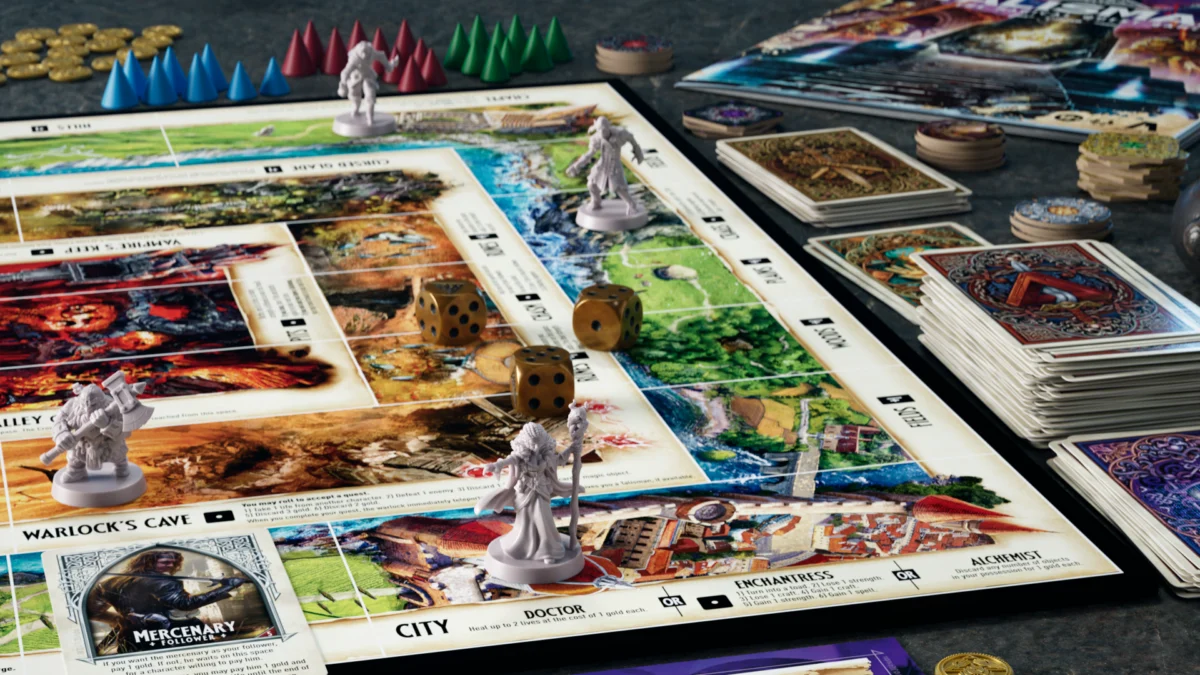
A beloved cornerstone of fantasy board gaming, Talisman, is set to embark on a new quest with the announcement of its highly anticipated fifth edition. Titled Talisman: The Magical Quest Board Game – 5th Edition, this revitalized classic promises to captivate both long-time fans and a fresh wave of adventurers, courtesy of publisher Avalon Hill, known for its immersive narrative experiences like Betrayal at House on the Hill.
Originally launching into the nascent world of tabletop gaming in 1983, Talisman quickly carved out a niche with its blend of strategic movement, character progression, and unpredictable encounters. The upcoming iteration aims to honor this legacy while introducing a streamlined gameplay experience, updated components, and all-new artwork, signaling a concerted effort to broaden the game’s appeal and cement its place in the modern board game landscape.
Main Facts: A New Chapter for a Classic Fantasy Saga
The grand return of Talisman on August 1st, with a retail price of $60 (£47), marks a significant moment for the tabletop community. Avalon Hill, a subsidiary of Wizards of the Coast and Hasbro, brings its considerable expertise in crafting engaging and accessible board games to this iconic fantasy adventure. The publisher’s track record, particularly with the popular Betrayal at House on the Hill series, suggests a focus on compelling narratives and player-driven experiences, qualities that align well with Talisman’s core ethos.
The Grand Unveiling of Talisman: 5th Edition
At its heart, Talisman remains an epic race for power. Two to six players embody diverse fantasy archetypes, each vying to be the first to reach the coveted Crown of Command, located in the perilous center of the game board. This central objective drives all player actions, creating a dynamic environment of cooperation, competition, and chance. The journey itself is a perilous one, requiring players to navigate three distinct rings of the board, each presenting escalating challenges and opportunities for growth. The ultimate prize, the Crown of Command, grants its wielder the power to eliminate all other players, claiming victory and mastery over the mystical realm.
The announcement of a fifth edition under Avalon Hill’s stewardship has ignited considerable discussion among tabletop enthusiasts. The promise of a "streamlined" experience suggests a thoughtful re-evaluation of the game’s mechanics, potentially addressing some of the criticisms leveled at previous editions regarding playtime, complexity, and perceived luck dependence. For Avalon Hill, this project represents not just the re-release of a classic, but an opportunity to introduce Talisman to a new generation of players accustomed to modern board game design sensibilities.
Core Gameplay Reimagined for a New Generation
Players in Talisman: The Magical Quest Board Game – 5th Edition will embark on their epic journey by selecting one of twelve distinct playable characters. This roster includes familiar fantasy staples such as a nimble Thief, a devout Monk, a stalwart Warrior, a mysterious Ghoul, and a powerful Sorceress. Each character begins with a unique set of statistics and abilities, influencing their initial strengths and weaknesses and shaping their strategic approach to the game. The core loop involves moving around the board, drawing "Adventure Cards," and encountering a myriad of events, objects, enemies, and allies.
As adventurers traverse the game world, they will accumulate new equipment, enhance their abilities, and forge alliances. These advantages are crucial for overcoming the various obstacles that stand between them and the inner rings of the board, often requiring successful skill checks against their character’s attributes. Combat against a rogue’s gallery of monsters is a frequent occurrence, demanding strategic decisions and a touch of luck. Furthermore, player-versus-player challenges are an integral part of Talisman, allowing players to directly impede their rivals. A losing player in such a confrontation is typically forced to fall back, giving the winner a crucial advantage in the race to the center. The completion of specific "Talisman quests" is also a prerequisite for entering the board’s inner sanctum, adding another layer of strategic depth and objective-driven gameplay.
What’s New in the Fifth Iteration?
The most significant updates in Talisman: The Magical Quest Board Game – 5th Edition revolve around accessibility and aesthetic appeal. The gameplay has been explicitly "streamlined" to make it more approachable for less experienced players, although specific details on these modifications remain scarce. This could imply clearer rule explanations, revised mechanics for combat or movement, or perhaps a reduction in the overall complexity of card interactions. The goal is clearly to lower the barrier to entry without sacrificing the core thematic richness and sense of adventure that defines Talisman.
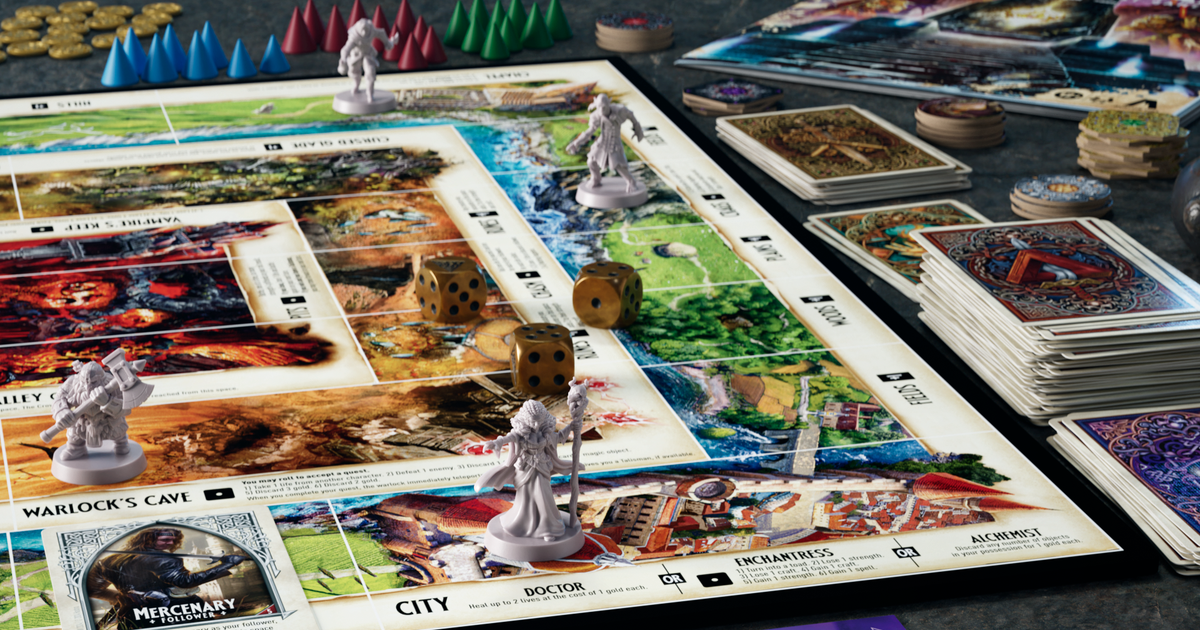
Visually, the new edition promises a complete overhaul. The game will feature brand new artwork across all components, from the board itself to the character cards and the hundred distinct adventure cards that players will encounter. This commitment to updated visuals, coupled with entirely new components, suggests a premium production quality designed to appeal to both collectors and new players. The vibrant illustrations on the adventure cards are expected to enhance immersion and bring the fantastical world of Talisman to life in a way that resonates with contemporary artistic standards. The combination of refined mechanics and a fresh visual identity aims to present Talisman as a modern classic, ready to stand alongside the latest releases in the competitive board game market.
A Journey Through Time: The Chronology of Talisman
Talisman’s enduring presence in the tabletop hobby is a testament to its foundational design and thematic appeal. Its history is intertwined with the evolution of fantasy gaming itself, reflecting shifts in publishing trends and player expectations over several decades.
Humble Beginnings with Games Workshop (1983)
The story of Talisman begins in 1983 with its original publication by Games Workshop, the legendary company that would go on to create the global phenomena of Warhammer and Warhammer 40,000. Designed by Robert Harris, the first edition of Talisman emerged during a pivotal era for fantasy roleplaying and adventure games. Dungeons & Dragons had already ignited a passion for fantastical worlds and heroic quests, and Talisman offered a more structured, board game-centric approach to similar themes. Its simple yet effective premise – a race to the center of the board, acquiring power along the way – resonated deeply with players eager for accessible fantasy adventures.
Games Workshop’s original vision for Talisman was robust, leading to numerous expansions that broadened the game’s world and introduced new characters, spells, and encounters. These early editions, characterized by their often quirky artwork and straightforward mechanics, established Talisman as a staple in many gaming groups. It was a game that blended elements of roleplaying (character progression, dice rolls) with the competitive nature of a board game, creating a unique hybrid experience that captured the imagination of a generation. The success of Talisman contributed significantly to Games Workshop’s early growth and its reputation as a purveyor of immersive fantasy experiences.
The Fantasy Flight Era and the Fourth Edition (2008-Present)
After a period of dormancy and various licensing changes, the publishing rights to Talisman were acquired by Fantasy Flight Games (FFG) in 2008. This acquisition marked a new golden age for the game. FFG, renowned for its lavish production quality, intricate designs, and extensive support for its titles, released a revised version of the Fourth Edition. This iteration brought Talisman into the modern era with updated artwork, clarified rules, and high-quality components that became a hallmark of FFG’s releases.
Under FFG’s stewardship, Talisman flourished, receiving an impressive array of expansions that dramatically increased the game’s depth and replayability. Expansions like The Dragon, The Dungeon, The City, The Highlands, and The Cataclysm introduced new regions to explore, additional character classes, powerful artifacts, and complex event decks. These expansions not only expanded the physical board but also enriched the lore and strategic possibilities, allowing players to tailor their Talisman experience to their preferences. The FFG era is often celebrated by fans for its comprehensive support and the sheer volume of content it added, solidifying Talisman’s status as a premier adventure board game with a vast and dedicated following. Their commitment to detail and thematic immersion helped to sustain Talisman’s popularity for over a decade, introducing it to countless new players while satisfying the desires of veteran fans for more content.
Avalon Hill Takes the Reins: A Legacy Continued
The transition of Talisman to Avalon Hill marks another pivotal chapter in its long history. As part of the Hasbro gaming family, which also includes Wizards of the Coast (publishers of Dungeons & Dragons and Magic: The Gathering), Avalon Hill is uniquely positioned to leverage a wealth of resources and expertise. This move signals a strategic decision by Hasbro to invest in and rejuvenate one of its classic intellectual properties. Avalon Hill’s identity is often associated with games that balance thematic depth with accessible mechanics, making them an ideal candidate to take on the challenge of modernizing Talisman.
The decision to release a "5th Edition" rather than simply reprinting the 4th Edition with new art suggests a more fundamental re-evaluation of the game’s core design. It implies a desire to not just update, but to refine and optimize the player experience, aligning it with contemporary board game design philosophies. For Avalon Hill, this is an opportunity to put their own stamp on a classic, potentially introducing mechanics that address long-standing player feedback while retaining the essential spirit of Robert Harris’s original vision. The move also positions Talisman within a larger ecosystem of fantasy IPs under the Hasbro umbrella, potentially opening doors for cross-promotional opportunities or thematic alignments in the future, further solidifying its presence in the broader entertainment landscape.
Supporting Data: The Enduring Appeal of Talisman and the Board Game Market
Talisman’s remarkable longevity is not merely a matter of nostalgia; it speaks to fundamental aspects of its design that resonate with players, as well as its adaptability within a dynamic and ever-evolving board game market.
Archetypal Fantasy and Strategic Depth
At its core, Talisman taps into universally appealing fantasy tropes. The journey of a humble character rising to become a powerful hero, facing mythical beasts, discovering magical artifacts, and ultimately claiming a legendary prize, is a narrative that has captivated audiences for centuries. The game’s character archetypes – the noble Warrior, the cunning Thief, the wise Monk – are instantly recognizable and allow players to easily immerse themselves in their chosen role. This immediate connection to familiar fantasy narratives provides a strong thematic anchor that has remained relevant across generations of players.
Beyond its thematic appeal, Talisman offers a unique blend of strategic decision-making and unpredictable chance. While players must carefully consider their path across the board, their encounters are determined by card draws and dice rolls, ensuring that no two games are ever truly alike. This element of emergent storytelling, where unexpected events shape the narrative of each playthrough, is a powerful draw. The interplay of character abilities, equipment, spells, and encounters creates a sandbox-like experience where players must adapt their strategies on the fly. This combination of accessible fantasy and emergent gameplay contributes significantly to Talisman’s enduring appeal, making it a gateway game for many into the broader world of tabletop adventures.
The Evolution of Board Game Design: From Simplicity to Sophistication
The board game industry has undergone a dramatic transformation since Talisman’s initial release in 1983. Early board games, while often innovative, sometimes suffered from cumbersome rulebooks, lengthy setup times, and mechanics that could lead to player elimination or excessive downtime. The "golden age" of modern board gaming, beginning in the late 1990s and exploding in the 21st century, has seen a strong emphasis on elegant design, streamlined mechanics, and enhanced player engagement. Designers now prioritize intuitive rule sets, meaningful player choices, and mechanics that minimize frustration while maximizing fun.
Talisman, with its origins in an earlier design philosophy, has at times been critiqued for aspects that are less common in modern games, such as its reliance on dice rolls for movement and combat, the potential for long game times, and instances of player elimination. The decision to "streamline" the 5th Edition suggests Avalon Hill is keenly aware of these evolutionary trends. By refining the gameplay, they aim to bridge the gap between Talisman’s classic appeal and contemporary design expectations. This strategic move could position the 5th Edition as a modern interpretation of a beloved classic, appealing to players who appreciate both traditional aesthetics and refined mechanics.
The Modern Board Game Renaissance and Talisman’s Place Within It
The 21st century has witnessed an unprecedented renaissance in board gaming. Crowdfunding platforms like Kickstarter have empowered independent designers, while major publishers have expanded their portfolios to cater to a diverse and growing audience. The market is saturated with innovative designs, thematic masterpieces, and highly polished productions across every conceivable genre. In this competitive landscape, established intellectual properties (IPs) like Talisman hold a unique advantage. They come with a built-in fanbase, a rich history, and a proven track record of engagement.
Talisman’s consistent presence, through multiple editions and digital adaptations (such as the successful digital version by Nomad Games), demonstrates its resilience and adaptability. Its continued relevance in a market brimming with new titles speaks to the strength of its core concept. The 5th Edition is poised to capitalize on this enduring legacy, offering a familiar yet refreshed experience. It can serve as a nostalgic touchstone for veterans while acting as an inviting entry point for newcomers drawn to its classic fantasy themes. Its re-release reinforces the trend of publishers revisiting and revitalizing cherished IPs, recognizing the value of established brands in attracting both loyal followers and a new generation of enthusiasts.
Comparing Editions: What Fans Expect from a "Streamlined" Experience
The term "streamlined" can evoke both excitement and apprehension within a dedicated fanbase. For veteran players of Talisman, who have invested countless hours in previous editions and their numerous expansions, the primary concern will likely be how these changes impact the game’s strategic depth and replayability. Will streamlining simplify the game to a point where it loses its charm, or will it enhance the experience by removing unnecessary friction?
Common criticisms of earlier editions often revolved around extended playtime, particularly with expansions, and moments of "take that" player elimination that could feel overly punitive. Streamlining could mean:
- Faster Turns: Simplifying actions or reducing the number of steps per turn.
- Reduced Downtime: Ensuring players remain engaged even when it’s not their turn.
- Clearer Rules: Eliminating ambiguities and making the rulebook more accessible.
- Balanced Luck vs. Strategy: Perhaps tweaking dice rolls or card effects to give players more agency.
- Enhanced End-Game: Making the race to the Crown of Command more dynamic and less prone to stagnation.
The challenge for Avalon Hill is to strike a delicate balance: retaining the core "Magical Quest" feeling that defines Talisman while addressing aspects that might deter modern players. The success of the 5th Edition will heavily depend on whether it can satisfy the expectations of a discerning fanbase while simultaneously attracting and retaining new players with its promised accessibility.
Official Responses and Industry Buzz
While specific direct quotes from Avalon Hill regarding the Talisman: The Magical Quest Board Game – 5th Edition are not extensively available beyond the initial announcement, the strategic intent behind the new release can be inferred from the publisher’s reputation and the descriptive language used.
Avalon Hill’s Vision for Talisman
Avalon Hill, as a publisher, has cultivated a reputation for producing games that blend rich thematic elements with approachable mechanics. Their flagship title, Betrayal at House on the Hill, exemplifies this approach, offering a deeply thematic horror experience that is relatively easy to learn but provides immense replayability through its branching narratives. This background suggests that Avalon Hill’s vision for Talisman is likely centered on making the classic adventure more accessible and enjoyable for a broader audience, without sacrificing its core identity.
The emphasis on "streamlined gameplay" and "brand new artwork and updated components" points towards a comprehensive modernization effort. It indicates a desire to refresh the game’s aesthetics to appeal to contemporary tastes and to refine its mechanics to align with modern board game design principles. It’s reasonable to assume that Avalon Hill aims to position the 5th Edition as a definitive version that is both respectful of Talisman’s legacy and forward-looking in its design. The goal is likely to create an entry point for new players who might be intimidated by the perceived complexity or dated aesthetics of older editions, while still offering enough depth to engage seasoned veterans. This aligns with a broader industry trend of revitalizing classic IPs to introduce them to a new generation of gamers.
Player Community Reactions and Anticipation
The announcement of a new Talisman edition has predictably generated a flurry of discussion across online forums, social media, and dedicated board game communities. Reactions are, as is often the case with beloved classics, a mix of excitement, anticipation, and a degree of cautious skepticism.
Many long-time fans express genuine excitement at the prospect of a refreshed Talisman. They look forward to seeing the new artwork, experiencing the streamlined rules, and potentially having a version that is easier to introduce to friends and family who are new to board gaming. There’s a hope that this edition will serve as a definitive modern iteration, combining the best of Talisman’s tradition with contemporary design elegance.
However, a segment of the veteran community approaches the news with caution. Concerns often revolve around the meaning of "streamlined." Will the game lose its strategic depth? Will beloved mechanics be oversimplified? Will the new edition truly capture the unique, often chaotic, charm that defines Talisman for them? Purists who have invested heavily in the extensive expansions of the Fourth Edition may also wonder about the future compatibility of their existing collections and the potential for new expansions in the Fifth Edition. The balance between attracting new players and satisfying the existing fanbase is a delicate one, and the success of the 5th Edition will largely depend on how well Avalon Hill navigates these expectations.
Designer Insights (Inferred Design Philosophy)
While direct statements from the designers of the 5th Edition are not publicly detailed at this time, the "streamlined" descriptor offers insight into the underlying design philosophy. This approach typically involves a focus on clarity, efficiency, and player experience. For Talisman, this could translate to several key areas:
- Improved Flow: Reducing the number of steps in a turn or simplifying combat resolution to keep the game moving at a brisk pace.
- Enhanced Clarity: Rewriting rulebooks to be more intuitive, using clearer iconography on cards, and providing better examples of gameplay situations.
- Reduced Analysis Paralysis: Making choices more straightforward, without sacrificing strategic depth.
- Modern Component Integration: Designing components that not only look good but also enhance gameplay, such as improved player boards or token management systems.
- Addressing Common Pain Points: Potentially rebalancing aspects that led to overly long games, excessive luck swings, or frustrating player elimination scenarios, without removing these elements entirely if they are central to Talisman’s identity.
The ultimate goal of this inferred design philosophy is to make Talisman a more approachable and enjoyable experience for a wider demographic, ensuring that its classic adventure narrative can be appreciated by a new generation of tabletop enthusiasts.
Implications: What the 5th Edition Means for Talisman’s Future
The release of Talisman: The Magical Quest Board Game – 5th Edition carries significant implications not only for the game itself but also for the broader landscape of fantasy board gaming and the strategy of revitalizing classic intellectual properties.
Expanding Accessibility and Attracting New Players
The most immediate and critical implication of the "streamlined" gameplay is its potential to significantly expand Talisman’s player base. In an increasingly crowded market, accessibility is key to attracting newcomers. A simpler, more intuitive rule set, combined with fresh visuals, lowers the barrier to entry, making it easier for new players to learn and enjoy the game without feeling overwhelmed. This strategy is vital for the long-term health of any classic IP. By appealing to families, casual gamers, and those new to the hobby, Avalon Hill can ensure that Talisman remains relevant and continues to find new audiences.
Furthermore, increased accessibility could pave the way for more widespread adoption in social gaming settings, potentially leading to a resurgence of local gaming groups centered around Talisman. This also bodes well for potential digital adaptations; a streamlined physical game can often translate more smoothly into a digital format, making it easier for developers to create engaging online experiences that mirror the tabletop version. Nomad Games has already had considerable success with its digital adaptation of the 4th Edition, and a 5th Edition could inspire further digital ventures, reaching an even broader audience.
The Potential for Future Expansions and Digital Adaptations
The launch of a new core edition often serves as a foundation for future content. If Talisman: The Magical Quest Board Game – 5th Edition is well-received, it’s highly probable that Avalon Hill will follow in Fantasy Flight Games’ footsteps by releasing a series of expansions. These expansions could introduce new characters, additional board regions, alternative endings, and fresh decks of adventure cards, significantly increasing the game’s replayability and depth. The success of the core set will dictate the scale and frequency of such future releases.
Moreover, the streamlined design could prove beneficial for future digital adaptations. A cleaner, more modern rule set is often easier to implement and maintain in a video game format. This could lead to a new generation of digital Talisman experiences, reaching players who might not engage with physical board games. Such adaptations are crucial for maintaining an IP’s visibility and accessibility in the digital age, ensuring that Talisman continues to resonate across various entertainment platforms.
Reaffirmation of Classic IPs in a Dynamic Market
Talisman’s 5th Edition release is part of a larger trend within the entertainment industry: the revitalization of classic intellectual properties. In a dynamic and often unpredictable market, established IPs offer a degree of certainty and a built-in audience. Publishers are increasingly looking to leverage the nostalgia factor and proven appeal of beloved brands to introduce them to new generations. This strategy minimizes risk compared to launching entirely new properties and capitalizes on existing brand recognition.
The success of Talisman: The Magical Quest Board Game – 5th Edition could serve as a case study for other publishers considering similar revivals. It highlights the importance of balancing faithfulness to the original with modern design sensibilities. By demonstrating that a classic can be successfully updated for contemporary audiences, Avalon Hill could further encourage the re-imagination of other dormant or aging board game IPs, enriching the overall diversity of the market.
The Broader Impact on Fantasy Board Gaming
Finally, the release of Talisman’s 5th Edition has broader implications for the fantasy board game genre itself. As a foundational game, Talisman has influenced countless other adventure and dungeon-crawling titles. Its return with a streamlined approach could set a new standard for how classic fantasy games are modernized. It might encourage other designers and publishers to re-examine their own legacy titles, prompting a wave of "5th Editions" or revised versions that aim for greater accessibility without sacrificing thematic depth.
Ultimately, Talisman: The Magical Quest Board Game – 5th Edition represents more than just a new version of a game; it’s a statement about the enduring power of classic fantasy, the evolution of board game design, and the continuous effort to bring timeless adventures to new audiences. As August 1st approaches, the tabletop world watches with bated breath to see if this new chapter will live up to the legendary quest it embodies.


Leave a Comment