
Hammurabi: The Visionary King Who Forged an Empire and Endured in Law
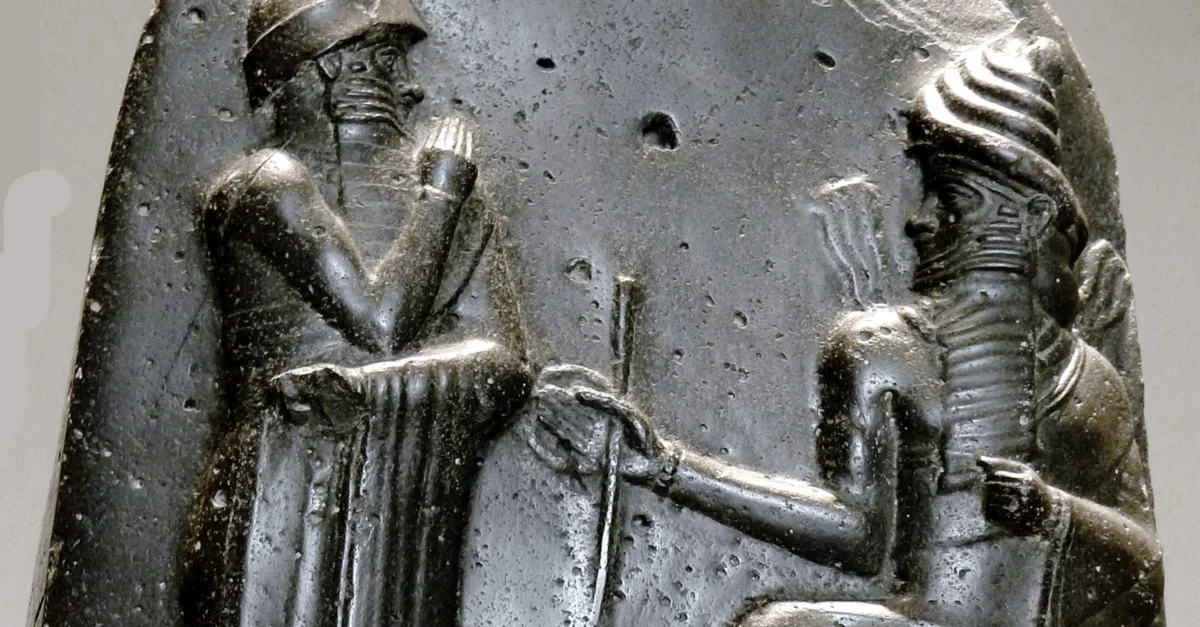
Babylon, Mesopotamia – 1750 BCE – In the annals of ancient history, few figures loom as large or cast as long a shadow as Hammurabi, the sixth king of the Amorite First Dynasty of Babylon. Reigning from 1792 to 1750 BCE, Hammurabi ascended to a minor throne in a fragmented Mesopotamia and, through a masterful blend of military might, diplomatic cunning, and administrative genius, forged an empire that encompassed the entirety of the fertile crescent. While his vast kingdom eventually crumbled, his legacy was indelibly etched into civilization through his groundbreaking code of laws, a document that would serve as a model for future legal systems, including the famed Mosaic Law of the Bible.
Beyond his reputation as a formidable conqueror, Hammurabi was an astute administrator and a ruler deeply concerned with the welfare of his subjects. His reign marked a pivotal moment in Mesopotamian history, transitioning from an era of warring city-states to a unified, centrally governed territory, a feat unparalleled by his predecessors.
Main Facts: The Architect of Ancient Mesopotamia
Hammurabi, also known as Ammurapi or Khammurabi, inherited a relatively small kingdom from his father, Sin-Muballit, which comprised little more than the cities of Babylon, Kish, Sippar, and Borsippa. However, by the end of his illustrious 42-year reign, he had unified Mesopotamia under Babylonian hegemony, achieving a level of control and stability previously unseen. His strategic brilliance allowed him to maintain this vast empire without significant internal revolts following its initial conquest, a testament to his administrative reforms and careful governance.
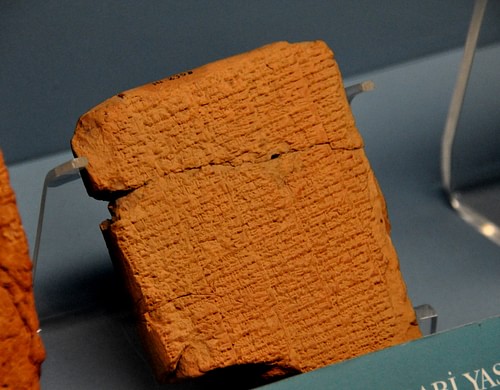
Perhaps his most enduring contribution, and certainly the one for which he is most celebrated in the modern era, is his comprehensive law code, promulgated around 1772 BCE. While not the absolute first legal compilation in history – earlier codes like that of Ur-Nammu predate it – Hammurabi’s Code distinguished itself through its clarity, inclusivity, and systematic approach. It provided a detailed framework for justice, addressing a wide array of civil, criminal, and commercial matters, thereby laying a foundational blueprint for subsequent legal thought and practice across various cultures.
Chronology: A Reign of Conquest and Consolidation
Hammurabi’s path to dominion was meticulously planned and executed, demonstrating a long-term strategic vision that belied his initial image as a monarch focused solely on internal improvements.
The Amorite Ascent and Babylonian Beginnings
The Amorites, originally a semi-nomadic people who had migrated from the coastal regions of Eber Nari (modern Syria) into Mesopotamia, had established their rule in Babylon by 1984 BCE. Sin-Muballit, Hammurabi’s father, had done much to stabilize the kingdom through public works, but he lacked the capacity for territorial expansion. His attempts to challenge the dominant southern city-state of Larsa, a prosperous trade hub on the Persian Gulf, ended in defeat against its powerful king, Rim Sin I. It is believed that this military setback compelled Sin-Muballit to abdicate, paving the way for Hammurabi’s ascension to the throne in 1792 BCE.

Historian Will Durant vividly describes Hammurabi’s early character, noting him as "a youth full of fire and genius, a very whirlwind in battle, who crushes all rebels, cuts his enemies into pieces, marches over inaccessible mountains, and never loses an engagement." Yet, Hammurabi began his reign not with a thunderous military campaign, but with calculated prudence. He initially focused on internal consolidation, centralizing his administration, continuing and expanding his father’s building projects, including reinforcing Babylon’s city walls, and undertaking vital infrastructure work such as improving irrigation systems crucial for agricultural prosperity. During this period, he also instituted his famed law code, demonstrating a commitment to order and justice from the outset. Crucially, these visible efforts to enhance the lives of his people and solidify his domestic power simultaneously masked a deeper strategic preparation for the military campaigns that would define his reign.
Campaigns of Unification: From South to North
Hammurabi’s patient groundwork eventually bore fruit as he embarked on a series of calculated military campaigns. Scholar Stephen Bertman highlights Hammurabi’s strategic acumen, characterizing him as "an able administrator, an adroit diplomat, and canny imperialist, patient in the achievement of his goals." His early actions, such as proclaiming debt forgiveness and renovating religious sanctuaries, notably for Marduk, Babylon’s patron deity, significantly boosted his popularity and secured his internal power base before he turned his attention outwards.
His first major external maneuver involved an alliance with Larsa to repel an Elamite invasion from the east. Once the immediate threat was neutralized, Hammurabi swiftly dissolved the alliance, seizing the opportunity to conquer the cities of Uruk and Isin, which had been under Larsa’s control. This was achieved by strategically forming new alliances with other city-states like Nippur and Lagash, isolating Larsa. This pattern of forming and breaking alliances with ruthless efficiency became a hallmark of his military strategy; a tactic that, remarkably, rival rulers continued to fall for.
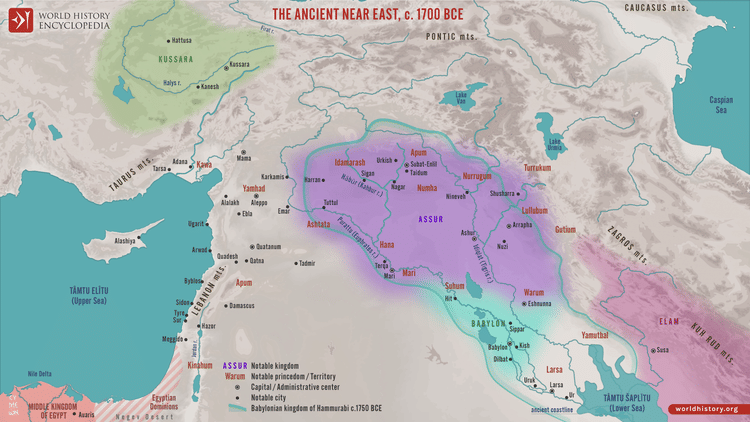
After securing Uruk and Isin, Hammurabi turned on his erstwhile allies, conquering Nippur and Lagash, before finally launching a decisive strike against Larsa itself. Here, he employed a devastating tactic previously attempted by his father but perfected by Hammurabi: the strategic damming of water sources. By either diverting water away to starve the city into submission or releasing dammed waters to flood it before an assault, Hammurabi effectively neutralized Larsa, the last stronghold of Rim Sin I. With the fall of Larsa, the entire southern region of Mesopotamia was brought under Babylonian control.
With the south secured, Hammurabi pivoted his attention to the north and west. The Amorite Kingdom of Mari, located in modern-day Syria, had long been a close ally of Babylon. Its king, Zimri-Lim, had achieved significant military successes in northern Mesopotamia, enriching Mari and establishing it as a city of immense wealth and architectural splendor, boasting one of the region’s largest and most opulent palaces. For Hammurabi, whose ambition was to make Babylon the preeminent city of Mesopotamia, Mari represented a direct rival for prestige and, more importantly, a crucial trade center controlling vital water rights on the Euphrates River.
In 1760 BCE, Hammurabi abruptly broke his long-standing alliance with Mari and launched a swift, brutal campaign. The reasons for his decision to utterly destroy Mari, unlike other conquered cities which were integrated and improved, remain a subject of scholarly debate. Some suggest it was a definitive move to eliminate a significant rival to Babylon’s burgeoning imperial aspirations, while others point to strategic resources. Zimri-Lim disappears from the historical record that year, presumed killed in the conflict. From Mari, Hammurabi continued his relentless march, conquering Ashur and the region of Assyria, and finally Eshnunna, again utilizing his water-damming technique. By 1755 BCE, Hammurabi had achieved his ultimate goal: he ruled over a unified Mesopotamia, an empire stretching from the Persian Gulf to the Syrian steppe.
Supporting Data: The Pillars of Hammurabi’s Rule
Hammurabi’s lasting impact stems not just from his military conquests but equally from his profound commitment to governance and the establishment of a coherent legal system in a complex and diverse society.
The Code of Hammurabi: Justice in a Diverse Empire
While Hammurabi spent considerable time on campaign, his administrative documents and personal letters reveal a ruler deeply invested in the well-being of his subjects. He earned the popular title bani matim, "builder of the land," due to the extensive public works projects he initiated, including the construction of numerous canals vital for irrigation and trade, and the beautification and development of cities under his control.
The prologue to his famous law code eloquently articulates his vision of divine mandate and social justice: "When the lofty Anu, King of the Annunaki and Bel, Lord of Heaven and Earth… called me, Hammurabi, the exalted prince, the worshipper of the gods, to cause justice to prevail in the land, to destroy the wicked and the evil, to prevent the strong from oppressing the weak, to enlighten the land and to further the welfare of the people." This self-portrayal underscored his role as a divinely appointed protector and benefactor, tasked with establishing order and prosperity.
The Code of Hammurabi, dating to approximately 1772 BCE, stands as a monumental achievement in legal history. Although predated by the Code of Ur-Nammu (circa 2100-2050 BCE), Hammurabi’s compilation addressed the unique challenges of a newly formed, multi-ethnic empire. As scholar Paul Kriwaczek explains, "Hammurabi’s laws reflect the shock of an unprecedented social environment: the multi-ethnic, multi-tribal Babylonian world." Earlier Sumerian-Akkadian legal systems often relied on a communal understanding of divine will and shared cultural values, where disputes might be settled with restitution. However, in Hammurabi’s diverse empire, where various West Semitic Amurru speakers and Akkadians coexisted with nomadic tribes, a unified and explicit legal framework was essential to prevent endless vendettas and blood feuds.
The Code codified laws for various societal strata, ranging from nobility to commoners and slaves, and stipulated punishments based on social standing. It is renowned for its embodiment of Lex Talionis, the principle of retributive justice, famously encapsulated as "an eye for an eye, a tooth for a tooth." For instance, it states: "If a man put out the eye of another man, his eye shall be put out. If he break another man’s bone, his bone shall be broken." This principle, later echoed in the Mosaic Law of the Old Testament (Exodus 21:22-25), marked a departure from earlier codes that often prescribed fines or property penalties. The Code also contained specific penalties for professional negligence, such as the famous stipulation: "If a builder build a house for someone, and does not construct it properly, and the house which he built fall in and kill its owner, then that builder shall be put to death. If it kill the son of the owner of the house, the son of that builder shall be put to death." This level of detailed accountability ensured public safety and professional integrity.
For the most serious crimes, such as adultery and sorcery, which were perceived as threats to social stability and divine order, Hammurabi’s Code still utilized the ancient practice of the ordeal. Accused individuals, particularly women, might be forced to "plunge into the divine river." Survival of this perilous test was interpreted as divine proof of innocence, leading to the accuser facing punishment for false witness, often death. This reliance on divine judgment through ordeal underscores the persistent spiritual dimension within the otherwise rationalized legal system.
Administrative Prowess and Public Welfare
Beyond lawmaking, Hammurabi’s administrative acumen was central to his success. He established a highly centralized bureaucracy, ensuring that royal decrees and administrative directives reached every corner of his vast realm. Documents from his reign reveal a meticulous attention to detail, covering everything from grain distribution during times of scarcity to the maintenance of complex irrigation networks and the construction of opulent temples dedicated to the gods, thus securing both the material and spiritual well-being of his populace. His strategic control over resources, including water rights and trade routes, allowed for economic stability and growth, which in turn fostered a sense of loyalty among his diverse subjects.
Official Responses: The King’s Own Narrative
Hammurabi was a master of self-presentation, carefully crafting his image as a divinely chosen ruler. In the prologue to his law code, he explicitly states that the gods Anu and Bel "committed the rule of all mankind to Marduk," and then "called me, Hammurabi… to cause justice to prevail." This declaration served as an official response to any potential challenge to his authority, grounding his rule in divine will.
He further solidified his imperial claims by adopting grandiose titles, proclaiming himself "the mighty king, king of Babylon, king of the Four Regions of the World, king of Sumer and Akkad." By linking himself to previous Mesopotamian imperialists like Sargon of Akkad (reign 2334-2279 BCE), Hammurabi sought to legitimize his conquests and assert his rightful place within a long lineage of powerful rulers. This narrative was crucial for integrating newly conquered territories and diverse populations into a unified Babylonian identity, positioning himself not merely as a conqueror, but as the ordained leader of a renewed and prosperous Mesopotamia.
Implications: A Lasting but Fragile Legacy
Hammurabi’s death in 1750 BCE marked a turning point for his meticulously constructed empire. He had reigned for an extraordinary 42 years, and in his final years, ailing and aged, many royal responsibilities had already fallen to his son, Samsu-Iluna, who assumed full reign in 1749 BCE.
The Aftermath of a Giant
The very successes of Hammurabi’s reign inadvertently created vulnerabilities. His conquest of Eshnunna, for instance, had removed a crucial buffer state that had long protected Mesopotamia’s eastern flank from incursions by nomadic tribes like the Hittites and Kassites. As news of the great king’s weakening health and eventual death spread, these external forces, sensing an opportunity, began to prepare their armies for invasion.
Samsu-Iluna faced an insurmountable challenge: to defend a vast, multi-ethnic empire against mounting external pressures while simultaneously maintaining control over the numerous cities and regions Hammurabi had forcibly united. Within a mere year of Hammurabi’s death, the expansive kingdom began to unravel. Cities that had been vassal states swiftly declared their autonomy, and the centralized authority of Babylon rapidly diminished. None of Hammurabi’s successors possessed the strategic genius or diplomatic prowess to restore the empire to its former glory.
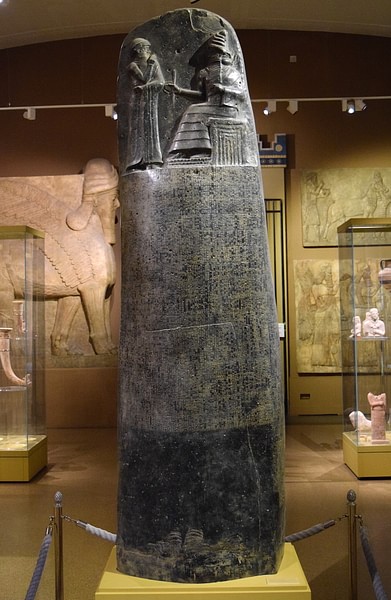
The subsequent centuries saw relentless invasions. In 1595 BCE, the Hittites sacked Babylon, marking a devastating blow. They were followed by the Kassites, who eventually inhabited and renamed the city, ushering in a new era. The Elamites, whom Hammurabi had decisively defeated decades earlier, re-emerged as a potent force, eventually invading Mesopotamia and carrying off the stele inscribed with Hammurabi’s Law Code. This monumental artifact, a symbol of Babylonian power and legal enlightenment, was discovered in the Elamite city of Susa in 1901, a testament to the ebb and flow of ancient empires.
Enduring Influence on Law and Governance
Despite the rapid disintegration of his political empire, Hammurabi’s legacy as a lawgiver and an architect of a unified state proved far more resilient. While his empire did not long outlive him, the legal framework he established continued to influence subsequent Mesopotamian and Near Eastern legal traditions. His code’s clarity and systematic nature provided a template for addressing complex societal issues through formal legal structures.
Crucially, Hammurabi’s approach to governance differed significantly from that of earlier imperialists like Sargon of Akkad. As scholar Gwendolyn Leick observes, "Hammurabi remains one of the great kings of Mesopotamia, an outstanding diplomat and negotiator who was patient enough to wait for the right time and then ruthless enough to achieve his aims without stretching his resources too far." Unlike Sargon’s multi-ethnic empire, which was perpetually plagued by internal strife and required constant reconquest, Hammurabi’s realm, once established, enjoyed a period of relative peace. This stability was largely due to his genuine interest in improving the infrastructure and living standards of the conquered populations, rather than simply exploiting them (with the notable exception of Mari, whose destruction remains an anomaly).
Hammurabi’s vision of a society governed by explicit, state-administered laws, where justice was dispensed to "prevent the strong from oppressing the weak," laid a critical foundation for the development of legal systems across millennia. His code, discovered centuries after his reign, continues to fascinate scholars and legal historians, serving as a powerful reminder of a king who not only conquered lands but also sought to conquer chaos with the enduring power of law. His reign, though a fleeting moment in the vast sweep of Mesopotamian history, irrevocably shaped the future of governance and justice in the ancient world.




Leave a Comment