
Until Death: Mary Berman’s Debut Novel Explores the Dark Side of Wedding Bliss and Family Bonds
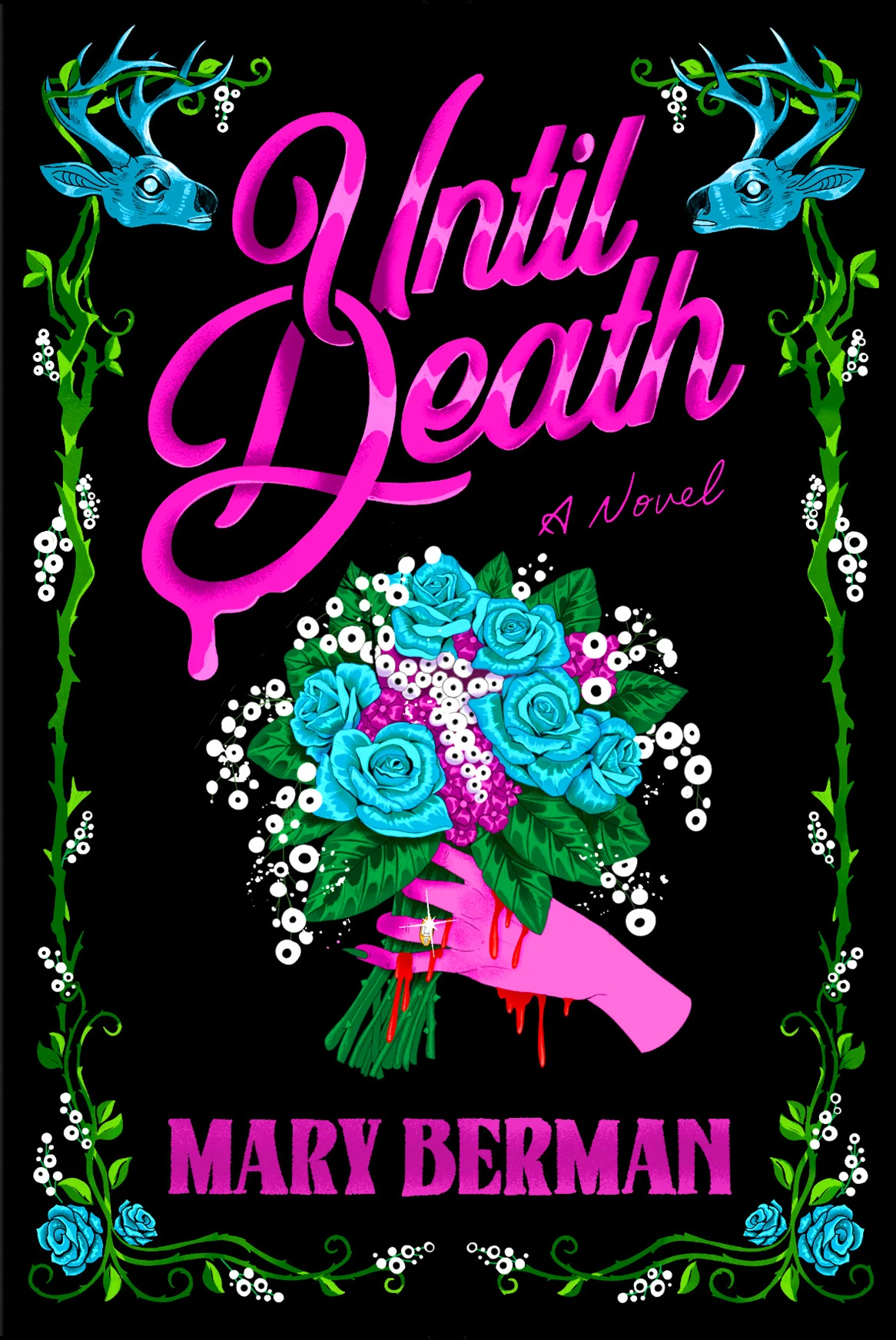
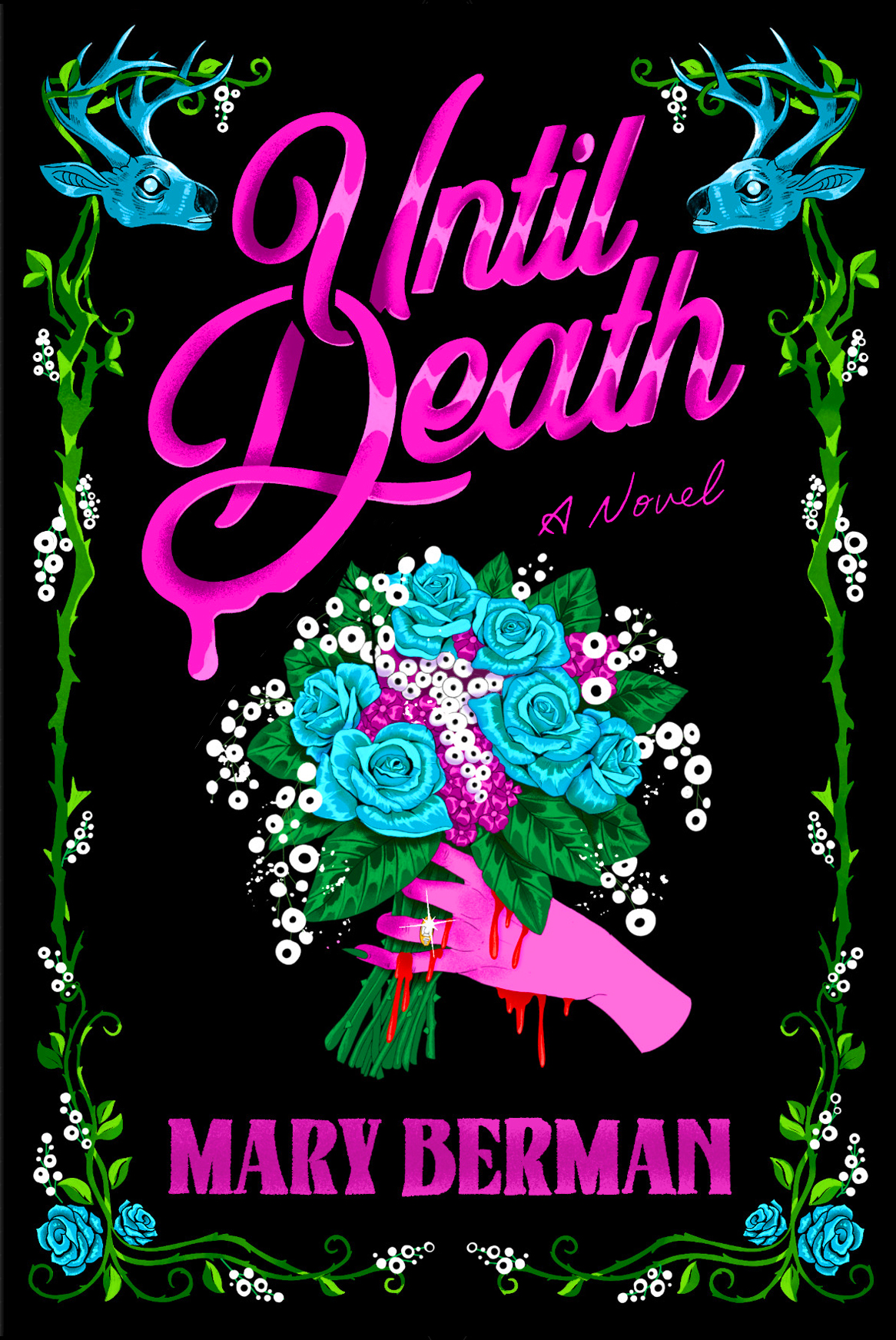
Philadelphia, PA – May 21, 2026 – Debut novelist Mary Berman’s chillingly witty new release, Until Death, plunges readers headfirst into the disorienting and often terrifying landscape of wedding planning, familial obligation, and the profound complexities of aging parents. The book, a potent blend of pitch-black horror, wicked humor, and unexpected romance, offers a darkly comedic send-up of the wedding industrial complex while simultaneously delving into a poignant mother-daughter relationship. Berman, a Philadelphia-based writer with an MFA from the University of Mississippi, draws upon personal observations and extensive research to craft a narrative that is as relatable as it is unsettling.
Until Death centers on Ophelia Cohen, a young woman whose ingrained skepticism about marriage, a lesson deeply impressed upon her by her parents, is challenged by the specter of her widowed mother’s advancing dementia. Faced with the prospect of her mother dying alone, Ophelia finds herself reconsidering her anti-marriage stance when she meets Luke, the man who seems to be her mother’s ideal match. However, Ophelia’s meticulously planned wedding preparations, aided by obsessive scrolling through online wedding forums, are woefully inadequate for the true nightmare that awaits. The novel unravels as Ophelia grapples with a demanding and increasingly erratic mother-in-law, a mysterious family obsession with hosting the wedding in their vineyard’s ancient chapel, and the unsettling realization that the price of her special day may be far steeper than she ever imagined.
In a series of insightful reflections accompanying the novel’s release, Berman shares five key lessons learned during the writing process, offering readers a unique glimpse into the creative journey behind Until Death. These lessons illuminate not only the thematic underpinnings of her novel but also broader societal observations on planning, family dynamics, and the often-overlooked realities of aging.
The Unforeseen Horrors of Wedding Planning
Berman candidly admits that her initial understanding of wedding planning was largely theoretical. "I had not yet planned a wedding when I wrote this book," she reveals. "I wasn’t even engaged." Her research relied heavily on the unfiltered experiences found on "Wedding Reddit," a digital forum where soon-to-be-weds share their triumphs and tribulations.
"Before Wedding Reddit, I would have assumed that the worst parts of wedding planning were the organization and the expense," Berman explains. "Most people are not simply born with high-level, large-scale event-planning skills, which is, you know, a whole career that requires experience and training. Still, I would have guessed that with budgeting and organization – a spreadsheet, maybe a three-ring binder or two – you could circumvent that problem and come out relatively unscathed."
However, her deep dive into hundreds of firsthand accounts, mirroring her protagonist Ophelia’s own descent into wedding-related chaos, revealed a far more profound truth. "Nay, nay," Berman asserts. "As I discovered through hundreds of firsthand accounts – and as my protagonist, Ophelia, discovers, through myriad run-ins with her terrible in-laws – the horrific parts of wedding planning aren’t the parts that can be solved with a spreadsheet. Hell Is Other People." This sentiment, starkly articulated, underscores the novel’s central critique of the social pressures and interpersonal conflicts that often overshadow the intended joy of a wedding. The meticulously crafted spreadsheets and organizational tools, so often touted as saviors in the face of wedding planning stress, prove utterly insufficient against the true antagonist: human nature, particularly when amplified by familial expectations and ancient traditions.
The Multifaceted Realities of Dementia
A central pillar of Until Death is Ophelia’s role as a caretaker for her mother, who is living with dementia. This aspect of the novel is deeply informed by Berman’s own experiences and her growing understanding of the illness.
"My protagonist’s mother has dementia, and my protagonist becomes her full-time caretaker," Berman states, acknowledging the potentially heavy subject matter while assuring readers of the book’s overall tone. "My own mother does not have dementia – we joke that she’s not going to get it, because she’s going to have to remember everything – but when I was a teenager, I witnessed close-up what it meant for her to care for her own mother through the illness."
Berman reflects on her younger self’s limited understanding of the disease. "For a long time, I didn’t even realize it was an illness. I thought that dementia and aging were synonymous. I didn’t realize there was a way to get old without losing your body and your mind." This realization brought a profound shift in her perspective. "Because I was so young, and because I didn’t really know what I was looking at, and because I didn’t provide the bulk of my grandmother’s care, I thought the dementia was the same as the forgetting. I didn’t recognize all the other symptoms: wandering (oh, so that’s why Nanny tried to walk to her sister-in-law’s house at two o’clock in the morning!), aggression (there is an excellent memoir, Slow Dancing with a Stranger by Meryl Comer, that talks about this), agitation, sundowning, mood shifts. It’s all really quite devastating."
Her observation extends to a broader societal concern: "Considering how many of us, God willing, grow old and need to either provide or accept some type of dementia care, I’m shocked that as a society, we don’t have better care systems in place." This poignant reflection highlights the novel’s exploration of the emotional and practical toll of caring for aging parents, a theme that resonates deeply in contemporary society.
Unearthing Pennsylvania’s Wine Country Charm
The setting of Until Death plays a crucial role in its unfolding mystery, with a significant portion of the narrative taking place in a vineyard. Berman’s research into this aspect led her to discover a surprising gem: Pennsylvania’s burgeoning wine country.
"I already knew, to a limited extent, of the existence of Pennsylvania’s wine country," Berman notes. "This is thanks not to my book, but to the spotted lanternfly." She elaborates on the invasive insect’s impact on public awareness. "The spotted lanternfly is an insect indigenous to China and Vietnam. I assume it’s harmless over there, but here, it’s very invasive. If you live on what I think of as the ‘Amtrak Northeast Corridor’ section of the continental United States, you will know all about the pernicious threat of the spotted lanternfly. And, a few years ago, when we finally managed, for once in our sorry lives, to march in lockstep as a society to stamp those buggers out, part of the messaging was that we had to kill the spotted lanternflies because otherwise they would threaten Pennsylvania wine country… which implied the existence of Pennsylvania wine country."
This indirect introduction to the region sparked further curiosity. "So I knew we had it, technically. But I didn’t know it was so nice!" Berman enthuses. Her research into Lancaster wineries for the book revealed a vibrant viticultural scene. "By my count, there are at least seven wineries within or around Lancaster County, an area otherwise mostly famed for its Amish quilts and Dutch Wonderland." The novel leverages this picturesque setting, contrasting its serene facade with the unfolding psychological and supernatural terrors.
A Pantheon of Saints for Troubled Relationships
Given the wedding setting and the inherent familial conflicts, it is perhaps unsurprising that Catholicism plays a significant role in Until Death. Berman, who herself was raised Catholic, understood the thematic resonance of a Catholic wedding within the narrative.
"This book is very Catholic," Berman states matter-of-factly. "I grew up Catholic myself, and I knew that if I was going to do a good job on a book about a wedding, the wedding in question would be a Catholic one. So the vineyard at which the wedding takes place has its own haunted Catholic chapel."
The exploration of Catholic traditions led Berman down a fascinating rabbit hole of patron saints. "Originally, I also had a whole bit where the Stations of the Cross (IYKYK) had been replaced by hand-carved panels of a series of female saints. Those panels are no longer in the book. But I learned about the saints nonetheless." She highlights some particularly relevant figures: "Saint Godelieve, patron saint of those with abusive in-laws! Saint Helena, patron saint of abandoned wives! Saint Wilgefortis, patron saint of women who wish to be liberated from their terrible husbands! All of them died in progressively more excruciating ways, but they live in on Catholic art, and in the third draft of my novel, which will not see the light of day." This detail adds a layer of historical and spiritual depth to the novel’s exploration of women facing difficult circumstances, suggesting that even within religious frameworks, there are figures who have grappled with similar struggles.
The Enduring Strength of Family Love
Perhaps the most personal and profound lesson Berman shares is the realization that despite the fictionalized conflicts and perceived transgressions, familial love remains a steadfast anchor. Until Death features a protagonist with biographical similarities to Berman herself, leading to moments of intense personal reflection during the writing process.
"This is a novel about a woman with some similar biographical details to mine, who is having a very, very difficult time with her mother," Berman explains. She immediately clarifies, "To be clear, my real-life mother is lovely and supportive. At the time of this writing, she has made plans to drive all up and down the Eastern Seaboard to kvell over me while I talk to crowds about the terrible mother in my book."
However, the creative process itself conjured moments of significant apprehension. "But three years ago, when I sat down to write this novel, I really thought she would read it and stop speaking to me. In the middle of drafting the first chapter, I fumbled around for a realistic detail, and I landed on my real-life mother’s real-life injured knee. And a sort of gentle background dread rose up within me. I thought, Oh, shit. This is going to be the one that makes it."
This initial flicker of dread evolved as Berman incorporated more personal details into the narrative, creating a heightened sense of vulnerability. "That dread expanded and solidified as I injected more details into this frankly bombastic book about an evil vineyard and a shitty fiancé. My mother’s jewelry. My father’s secular Jewish heritage. My partner’s haircut. My mother’s nickname for me. My father’s wire-rimmed glasses. My partner’s very specific career." She likens her writing process to a magician’s trick, where real elements are used to create an illusion, hoping the audience understands no actual harm has been done.
The fear of alienating her loved ones was palpable. "I was terrified that my mother – or, if not her, then somebody; my father, my partner, some random cousin, somebody – would read this book and think I had slandered my whole family in a public forum. That by writing and publishing this novel, I would destroy the relationships that meant the most to me."
Ultimately, this fear proved to be unfounded. "Obviously that has not happened. I made that fear up," Berman states with a sense of liberation. She notes that this is a common anxiety among writers. "And what’s more, I’ve expressed this fear to other writers; and it turns out to be a very common fear, and almost – not quite all, but almost – all of us just made it up. It wasn’t true."
The profound takeaway for Berman, and a lesson she believes her protagonist Ophelia also learns, is the resilience of love. "The people who love us love us. Love is not conditional." This sentiment offers a powerful counterpoint to the often-dark themes explored in Until Death, providing a hopeful and humanistic conclusion to both the author’s creative journey and the novel’s narrative arc.
About the Author and the Book
Mary Berman is a Philadelphia-based writer whose debut novel, Until Death, is already generating buzz for its unique blend of genres and sharp social commentary. She holds an MFA in creative writing from the University of Mississippi and a BA in writing seminars from Johns Hopkins University. Her short works have been featured in esteemed publications such as Cicada, PseudoPod, and Fireside.
Until Death is available through various retailers, including Bookshop.org, Amazon, Barnes & Noble, and Kobo. Readers can also support Mary Berman’s local independent bookstore, Headhouse Books. For those interested in connecting with the author, her website and newsletter offer further insights into her work and upcoming projects.




Leave a Comment