
The $250 Million Subnautica Dispute: A Landmark Court Ruling Against Krafton
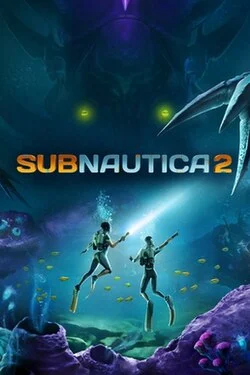
The high-stakes world of video game mergers and acquisitions has been rocked by a significant legal decision in the Delaware Court of Chancery. A judge has ruled against the South Korean gaming giant Krafton—the publisher behind the global phenomenon PUBG: Battlegrounds—in the first phase of a lawsuit brought by the founders of Unknown Worlds Entertainment, the developers of the critically acclaimed Subnautica series.
At the heart of the dispute is an alleged attempt by Krafton to avoid paying a massive $250 million "earn-out" bonus by firing the studio’s leadership under what the court has characterized as questionable circumstances. This ruling marks a pivotal moment for the industry, highlighting the delicate and often volatile relationship between independent creative studios and the massive conglomerates that acquire them.
Main Facts of the Case: A Contractual Crisis
In 2021, Krafton announced the acquisition of Unknown Worlds Entertainment. The deal was structured with a significant upfront payment—estimated at $500 million—supplemented by an "earn-out" agreement. An earn-out is a common contractual provision in M&A where the sellers (the founders) receive additional compensation if the business achieves certain financial or developmental milestones after the acquisition. In this instance, the potential payout was valued at $250 million, tied largely to the successful development and launch of the highly anticipated Subnautica 2.
The conflict began when Krafton moved to terminate the employment of the studio’s founders, including CEO Edward Gill, claiming the dismissals were "for cause." By firing the founders before the earn-out period concluded, Krafton effectively sought to nullify its obligation to pay the $250 million, arguing that the founders’ departure (and the alleged misconduct leading to it) breached the terms of the acquisition agreement.
The founders responded by filing a lawsuit in Delaware, alleging that the firings were a bad-faith maneuver designed specifically to "weasel out" of the payment. Following an intensive discovery phase, the judge has issued a scathing preliminary ruling. The court found that Krafton breached the contract, ordered the immediate reinstatement of Edward Gill, and extended the earn-out timeline to account for the period the founders were ousted from the company.
Chronology: From Acquisition to Litigation
To understand the gravity of the current legal standing, one must look at the timeline of the partnership between Krafton and Unknown Worlds:
1. The 2021 Acquisition
Krafton, flush with cash from the ongoing success of PUBG, sought to diversify its portfolio. Unknown Worlds, having achieved massive success with the original Subnautica and its expansion Below Zero, was an ideal target. The deal was framed as a way for Unknown Worlds to maintain its creative independence while gaining the back-end support of a global publisher.
2. The Development of Subnautica 2
Between 2022 and late 2024, Unknown Worlds focused on the development of Subnautica 2. As the project neared its Early Access milestones, internal tensions reportedly began to simmer. The earn-out targets, which once seemed distant, were becoming a tangible financial liability for Krafton.
3. The 2025 "Ouster"
In a sudden move that shocked the development community, Krafton terminated Edward Gill and other key founders. The official reason provided by Krafton was "dismissal for cause," a legal designation that usually implies gross negligence, fraud, or a direct breach of fiduciary duty. This move effectively locked the founders out of their own studio and jeopardized their claim to the $250 million bonus.
4. The 2026 Phase One Ruling
On March 17, 2026, the Delaware court released its findings on the first phase of the litigation. The judge determined that the "for cause" justification was unsubstantiated and that Krafton had acted in a manner that violated the spirit and the letter of the acquisition contract.
Supporting Data: Insights from the Discovery Documents
The discovery documents, shared publicly by industry figures like Rami Ismail, provide a fascinating, if troubling, look into the internal mechanics of a multi-million dollar gaming deal. The documents suggest that Krafton’s leadership viewed the $250 million earn-out not as a reward for success, but as an avoidable expense.
The "For Cause" Defense
Under Delaware law, "for cause" is a high bar to clear. It requires evidence of specific, damaging actions by an employee. The judge concluded that Krafton failed to meet this burden. Instead, the evidence suggested that the "cause" was manufactured to trigger a clause in the contract that would forfeit the earn-out.

Financial Stakes
The $250 million figure represents one of the largest earn-outs in the history of mid-sized studio acquisitions. For Krafton, paying this amount would significantly impact their quarterly earnings reports. For the founders, it represented the culmination of over a decade of work building the Subnautica IP.
The Court’s Mandate
The judge’s ruling was unusually firm. Not only was Edward Gill reinstated, but the court explicitly "enjoined [Krafton] from impeding Gill’s authority over the early access launch of Subnautica 2." This suggests the court recognized a risk that Krafton might try to sabotage the game’s launch to suppress its financial performance and, by extension, the earn-out value.
Official Responses and Industry Reaction
While Krafton has remained relatively tight-lipped regarding the specifics of the ruling, the company issued a brief statement noting that they "respect the judicial process" but intend to "vigorously defend their position" in the second phase of the trial.
The reaction from the broader gaming industry has been one of wary observation. Nicholas Lovell, founder of Gamesbrief, noted that the situation looks like a classic case of "buyer’s remorse." According to Lovell, Krafton likely paid a fair price in 2021 but regretted the earn-out structure once it became clear the developers were actually going to hit their targets.
Prominent indie advocate Rami Ismail highlighted the discovery documents as a cautionary tale for any developer looking to sell their studio. The sentiment among developers on social media has been overwhelmingly supportive of the Unknown Worlds founders, with many viewing the court’s decision as a rare victory for creators over corporate interests.
Implications: A Precedent for Future M&A
The fallout from Krafton v. Unknown Worlds will likely be felt for years. This case serves as a landmark for several reasons:
1. The Validity of Earn-outs
Earn-outs are often viewed with skepticism by developers because they rely on the "good faith" of the parent company. If a parent company can fire the developers or starve the project of resources to ensure targets aren’t met, the earn-out is worthless. This ruling reinforces the idea that Delaware courts will not allow parent companies to use administrative maneuvers to bypass financial obligations.
2. Creative Autonomy in Acquisitions
The court’s decision to protect Edward Gill’s authority over Subnautica 2 is a significant precedent. It suggests that when a studio is bought with the promise of independence, that independence is a legally enforceable component of the deal, particularly when financial compensation is tied to it.
3. The Future of Subnautica 2
The immediate concern for fans is the health of the Subnautica franchise. With the CEO reinstated but a legal war still raging, the working environment at Unknown Worlds is likely fraught with tension. However, the court’s protection of the Early Access launch ensures that the game has a chance to succeed on its own merits, rather than being a pawn in a corporate legal battle.
4. Phase Two: The Damages
The litigation is far from over. The second phase of the lawsuit will determine "whether Krafton’s actions wrongfully impaired the earnout, and whether any resulting money damages are owed." If the court finds that Krafton’s interference harmed the development or market potential of Subnautica 2, the final payout could exceed the original $250 million to include punitive damages.
Conclusion
The Krafton-Unknown Worlds dispute is a sobering reminder of the "messy" side of the games business. It pits the creative drive of a successful independent studio against the bottom-line imperatives of a public corporation. As the second phase of the trial approaches, the industry will be watching closely. For now, the creators of Subnautica have secured a major defensive victory, proving that while a giant like Krafton can buy a studio, they cannot simply rewrite the contract when the bill comes due.
The judge’s conclusion that Krafton breached its contract by firing the founders serves as a stern warning to the industry: earn-outs are not optional suggestions, and "cause" for termination must be more than a convenient excuse to save money. For Edward Gill and his team, the focus now returns to the deep waters of Subnautica 2, even as they navigate the equally treacherous waters of corporate litigation.



Leave a Comment