
Freak War: A Quirky Card Game Revolutionizing the Party and TCG Landscape
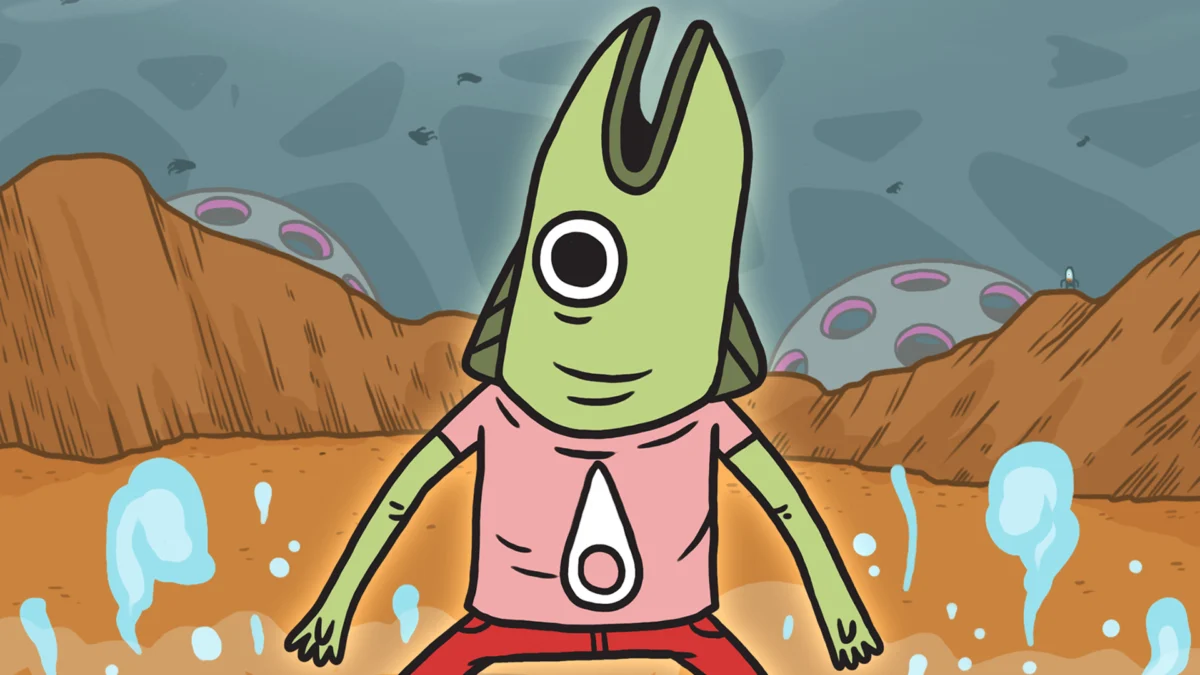
In an increasingly diverse and competitive landscape of tabletop gaming, a new contender has emerged, promising a refreshing blend of familiar mechanics with an unconventional twist. "Freak War," a party game and trading card game (TCG) hybrid, is capturing attention with its unique premise: imagine the evolving monsters of Pokémon, infused with the rapid-fire chaos of Exploding Kittens, all built upon the foundational simplicity of the classic card game War. This innovative creation from cartoonist Nate Galbraith, known online as sketchnate, offers a compelling alternative for both seasoned card game enthusiasts and casual players alike, sidestepping the often-intimidating barriers of complex rules and extensive deck-building.
The game’s immediate success on Kickstarter, swiftly surpassing its initial funding goal, underscores a clear demand for accessible yet engaging card games. Priced at an approachable $20 per deck, Freak War presents itself as a vibrant, family-friendly option designed for quick, spontaneous fun. With its distinctive art style featuring mutated, humorous creatures and a gameplay loop that emphasizes immediate action over intricate strategy, Freak War is poised to carve out a significant niche, proving that high entertainment value doesn’t always necessitate high complexity. Its anticipated delivery in June of next year promises a fresh addition to gatherings, perfect for holidays and casual play sessions.
The Genesis of a "Freak" Phenomenon: Chronology and Inspiration
The conception of Freak War is rooted in a charming, real-world observation that highlights the universal appeal of card games, regardless of their intended purpose. Nate Galbraith, the creative force behind the game, found his inspiration not in a dedicated brainstorming session, but while witnessing children attempting to orchestrate Pokémon battles using a deck of Uno cards. This impromptu, rule-bending play sparked an idea, further solidified when Galbraith suggested they transition to the more straightforward dynamics of the classic playing card game, War (also known as Battle). The resulting hybrid of these three disparate influences—the aspirational creature battles of Pokémon, the simple combat resolution of War, and the unexpected twists common in party games—formed the bedrock of Freak War.
From Playground Observation to Prototype
Galbraith’s initial observation of children adapting existing games to fit their imaginative play revealed a core desire for creature-based combat, even in the absence of official Pokémon cards. The simplicity of Uno’s numerical comparisons combined with the strategic depth (or lack thereof, in the children’s case) of Pokémon provided a fascinating starting point. However, it was the raw, unadulterated head-to-head confrontation of War that truly resonated, offering a clear, quick resolution to battles. This realization led Galbraith to ponder how these elements could be harmoniously combined into a new, original game. The solution was to graft a collection of strange, endearing, and often hilarious creatures onto a War-like framework, giving rise to the "Freaks" that define the game’s identity. This early inspiration underscores Freak War’s fundamental design philosophy: prioritize immediate fun and intuitive understanding over laborious setup and steep learning curves.
Developing the Core Mechanics
With the foundational concept in place, the development shifted to refining the mechanics that would differentiate Freak War from its inspirations while retaining their most appealing qualities. The key challenge was to integrate the "evolving monsters" concept without introducing the complexity of traditional TCG deck construction or extensive rulebooks. Galbraith achieved this by designing cards that not only possess inherent attack values but also carry special effects, including the ability to "evolve" into more powerful forms. This Pokémon-esque evolution is simplified, often triggered by specific card interactions or gameplay conditions, making it an exciting, in-the-moment development rather than a pre-game strategy.
Furthermore, the game borrowed the "shake things up" mentality from Exploding Kittens, introducing a variety of "modifier" cards. These cards are designed to inject unpredictability and strategic depth into the otherwise simple combat resolution. Modifiers can boost a creature’s strength, reduce an opponent’s power, or even swap cards, ensuring that no two battles feel exactly the same. The balance between straightforward combat and unexpected twists became central to the game’s appeal, catering to players who appreciate both simplicity and emergent complexity. The game’s design also cleverly allows for flexible player counts, accommodating more than the typical head-to-head TCG, further solidifying its party game credentials.
Crafting the World of Mutated Wonders
Beyond the mechanics, a crucial aspect of Freak War’s development was the creation of its distinct aesthetic and underlying lore. As a cartoonist, Nate Galbraith leveraged his artistic talents to populate the game with a menagerie of bizarre and whimsical creatures. The backstory – the emergence of a second sun that mutates familiar animals – provides a lighthearted, fantastical explanation for the eccentric designs. This narrative framework allows for endless creative possibilities, transforming mundane creatures into extraordinary "Freaks."
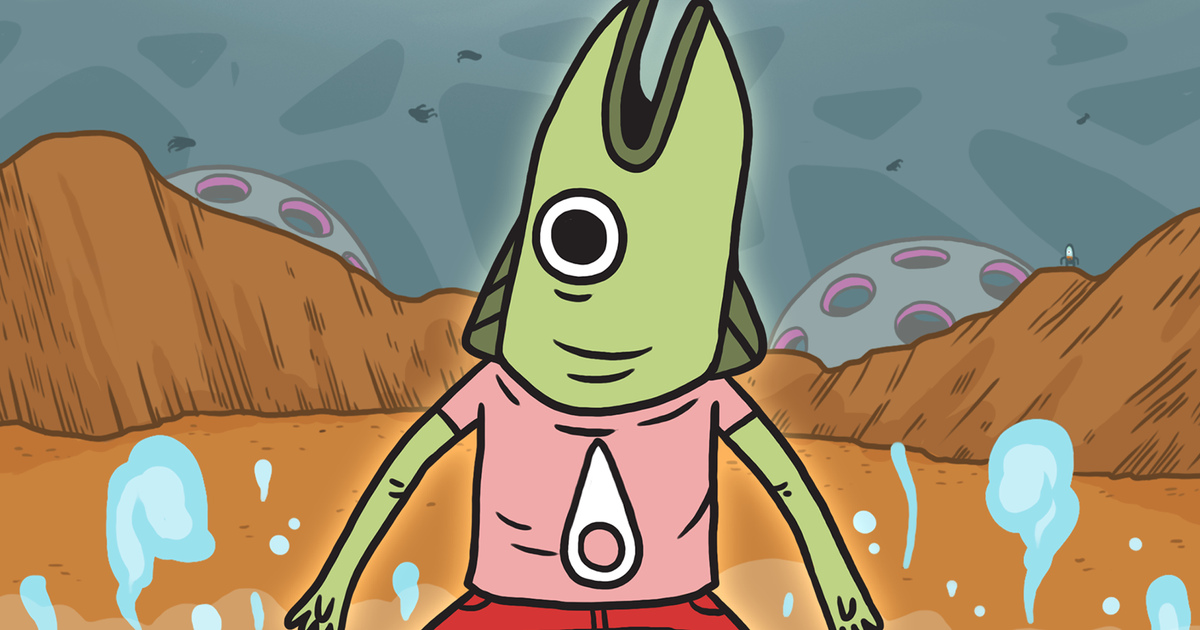
The creatures themselves are a testament to Galbraith’s unique artistic vision: from "muscly fishpeople" and a "time-travelling tiger" to a "partying platypus," a "dog with a goldfish bowl for a head," a "sad bee," and a "Man Cat" that appears to be a person in a feline costume. Each creature is not just a combatant but a character, imbued with a touch of humor and personality that enhances the game’s overall charm. The modifier cards also reflect this playful creativity, ranging from straightforward power-ups like a "Super Sword" and a "Super Duper Sword" to more meta, party-game-esque effects. For instance, the "scrap-loving Fly Guy" gains power if uneaten food is near the players, breaking the fourth wall and adding a layer of interactive fun that extends beyond the cards themselves. This rich, imaginative world-building, coupled with the accessible mechanics, is a cornerstone of Freak War’s burgeoning appeal.
Deeper Dive into Gameplay: Supporting Data and Mechanics
Freak War distinguishes itself through a deceptively simple yet strategically engaging gameplay system. It successfully marries the core concept of battling creatures with a variety of twists and modes that ensure replayability and cater to different player preferences. The genius lies in its ability to offer immediate fun while also providing avenues for deeper strategic engagement for those who seek it.
Core Gameplay Loop
At its heart, Freak War operates on a straightforward "highest number wins" principle, reminiscent of the classic War card game. Players begin by dividing a shuffled deck among themselves. In each round, all participating players simultaneously reveal a creature card. The creature with the highest attack level emerges victorious, claiming all cards played in that round and adding them to their "win pile." This pile is then reshuffled into the player’s main deck as they continue to play. The ultimate objective is to be the last player standing, having successfully claimed all cards from their opponents.
However, the game introduces a crucial layer of interaction: in the event of a tie in attack level, the battle escalates. The tied players must each discard a card face down before facing off again by playing another creature. This "War" mechanic adds a tension-filled sub-round, creating dramatic moments where fortunes can quickly change. This core loop is intuitive enough for newcomers to grasp within minutes, yet dynamic enough to keep experienced players engaged.
Strategic Layers: War vs. Battle Modes
Freak War offers two primary modes of play, allowing players to tailor the experience to their desired level of chaos or control:
-
War Mode: This mode embraces pure unpredictability. Players simply flip the top card of their individual decks to reveal their creature for the round. This reliance on chance makes War Mode ideal for quick, lighthearted sessions and introduces a high degree of spontaneous fun, perfect for party settings where laughter and surprise are paramount. It minimizes player decisions, making it incredibly accessible for all ages and experience levels.
-
Battle Mode: For players seeking more strategic depth, Battle Mode allows participants to choose a card from their hand. This introduces an element of tactical decision-making, as players must consider the strengths and weaknesses of their available creatures, anticipate opponents’ moves, and manage their hand effectively. Battle Mode transforms Freak War into a more cerebral experience, where card advantage and calculated risks become key to victory.
Both modes can be further modified by additional rulesets such as "King of the Hill" and team rules. King of the Hill might involve a central pile of cards that players fight over, adding another objective layer. Team rules allow for collaborative play, introducing new dynamics of cooperation and shared strategy, expanding the game’s versatility beyond individual competition. These variations ensure that Freak War remains fresh and engaging across numerous play sessions.
The Power of Evolution and Modifiers
The game truly shines in its implementation of "evolution" and "modifier" cards, which inject significant depth and unpredictability into each round:
-
Evolution: Mirroring its Pokémon inspiration, certain creature cards possess the ability to evolve. This mechanic allows a creature to transform into a more powerful version, often increasing its attack level or granting new special abilities. Evolutions are typically triggered under specific conditions, adding an exciting layer of anticipation and potential game-changing moments. Successfully evolving a creature at the opportune moment can turn the tide of a battle, creating memorable "hero" plays.
-
Modifier Cards: These cards are the game’s primary tool for injecting chaos and strategic manipulation. Ranging from straightforward attack boosts like the "Super Sword" and "Super Duper Sword" to more complex effects, modifiers can significantly alter the outcome of a round. Players can equip modifiers to their own creatures to enhance their strength, or strategically deploy them against opponents to reduce their power or disrupt their plans. Other modifiers might allow players to swap cards with rivals, cancel an opponent’s modifier, or even introduce a "flip coins for a power boost" mechanic, adding a gamble element. These cards demand tactical thinking in Battle Mode and create hilarious, unexpected turns in War Mode, embodying the "take-that" gameplay typical of party games.
Accessibility vs. Customization
One of Freak War’s most compelling features is its dual approach to game setup. It offers an incredibly low barrier to entry by requiring absolutely no pre-game deck building. Players can simply shuffle a complete deck and divide it, making it instantly playable. This "grab-and-go" philosophy is perfect for spontaneous gatherings and ensures that anyone, regardless of their prior experience with card games, can jump right in.
However, for those who crave a more personalized experience, Freak War thoughtfully includes the option to build custom decks. This allows players to experiment with different creature combinations, optimize for specific strategies, and explore the synergies between various Freaks and modifiers. This optional customization caters to the more strategic player, offering a deeper layer of engagement without alienating the casual audience. This flexibility is a key differentiator, allowing Freak War to appeal to a broad spectrum of tabletop gamers.
Expanding the Experience: Player Count and Variants
The game’s design is inherently scalable, comfortably accommodating up to four players and, by implication, potentially more with additional decks or house rules. This multi-player capability positions Freak War firmly in the party game genre, moving beyond the typical one-on-one combat of many TCGs. The dynamic of multiple players simultaneously revealing cards adds a layer of anticipation and social interaction, making each round a collective event.
Furthermore, the aforementioned "King of the Hill" and team rules exemplify the game’s modularity. These variants transform the basic "last player standing" objective, offering alternative win conditions and cooperative dynamics. King of the Hill could involve a central pool of valuable cards that players must fight to control, adding a territorial element. Team rules foster collaboration, encouraging players to strategize together and combine their creature’s strengths to overcome opposing teams. This adaptability ensures that Freak War can be customized to suit different group sizes, social dynamics, and desired levels of competition, enhancing its long-term appeal and replayability.
The Creator’s Vision and Community Reception: Official Responses
While direct quotes from Nate Galbraith are not extensively provided in the original article, his vision for Freak War can be clearly inferred from the game’s design, its playful aesthetic, and its remarkable crowdfunding success. The immediate embrace by the community, particularly on Kickstarter, serves as a powerful testament to the game’s resonance with a specific segment of the tabletop gaming market.
Nate Galbraith’s Philosophy
Galbraith’s decision to create Freak War appears rooted in a desire to democratize the fun of trading card games. By stripping away the complexities of extensive rulebooks and the often-costly endeavor of competitive deck-building, he has crafted a game that is inherently inclusive. His inspiration, drawn from children’s imaginative play, suggests a core philosophy centered on pure, unadulterated fun and accessibility. The game’s goofy, charming, and sometimes meta humor—evident in creature designs like the "Man Cat" or the "Fly Guy" gaining power from nearby uneaten food—points to a creator who prioritizes delight and laughter above all else. This approach positions Freak War as a refreshing counterpoint to more serious or intensely strategic TCGs, offering a lighter, more whimsical entry point into the genre. Sheltonshire Games, credited for the artwork, appears to be the vehicle for Galbraith’s creative output, indicating a cohesive vision for the game’s presentation and identity.

Kickstarter Triumph
The immediate and substantial success of Freak War’s Kickstarter campaign, which swiftly surpassed its modest $10,000 goal, is a resounding endorsement of Galbraith’s vision. This crowdfunding triumph is more than just a financial milestone; it signifies a strong community validation for a game that promises fun without friction. The swift backing indicates that there is a significant appetite for accessible, engaging party games that offer a fresh twist on familiar mechanics. For an independent creator like Galbraith, a successful Kickstarter campaign provides not only the necessary funds for production but also invaluable proof of concept and a dedicated early adopter community. It allows for direct engagement with potential players, fostering a sense of ownership and excitement even before the game’s release. The campaign’s ongoing duration until June 13th suggests further opportunities for stretch goals and community growth, potentially expanding the game’s initial offerings.
Critical Impressions (from the original article’s author)
The original article’s author expresses a distinctly positive and "charmed" impression of Freak War, offering a critical perspective that aligns with the game’s intended appeal. The reviewer highlights a personal fatigue with "copy-paste or just downright gross party games" (a clear reference to the proliferation of "Cards Against Humanity" clones), positioning Freak War as a much-needed breath of fresh air. The "goofy creations" and the "sprinkling of chaotic take-that gameplay" are specifically called out as appealing elements. The explicit inspiration from Pokémon card layouts is acknowledged, reinforcing the game’s clever appropriation of successful design elements.
Crucially, the reviewer anticipates Freak War will provide "solid, breezy fun for $20 a deck," particularly for "friends and family (especially younger players)." This emphasizes the game’s family-friendly nature and its value proposition. The intrigue extends to the potential for future expansions, with the reviewer expressing curiosity about Galbraith’s "interpretation of the nonsense of modern Pokémon evolutions," suggesting a long-term interest in the creative direction of the game’s universe. This initial positive critical reception is vital for building momentum and establishing Freak War as a legitimate, enjoyable entry in the party game and TCG market.
Broader Implications and Market Impact
Freak War arrives at a fascinating juncture in the tabletop gaming industry, where consumer preferences are diversifying, and the lines between genres are increasingly blurred. Its unique blend of TCG mechanics with party game accessibility positions it to make a significant impact on how players perceive and engage with card games.
Carving a Niche in the TCG Landscape
The trading card game market is dominated by behemoths like Pokémon, Magic: The Gathering, and Yu-Gi-Oh!, all known for their deep strategy, complex rules, and significant financial investment. Freak War deliberately sidesteps this competitive arena by offering an experience that is TCG-adjacent rather than directly competitive. By emphasizing simplicity and optional deck-building, it appeals to a segment of the audience that is intrigued by the concept of creature battles and card effects but intimidated by the commitment required by traditional TCGs.
Freak War creates a new niche: the "casual TCG." It serves as a gateway game, potentially introducing players to the joys of card interaction and strategic play without the steep learning curve or the pressure to constantly acquire new cards. Its party game foundation further distinguishes it, allowing it to coexist peacefully alongside established TCGs, rather than directly challenging them. This strategic positioning could allow Freak War to capture a broad audience that has historically been underserved by the mainstream TCG market.
The Rise of Accessible TCGs
Freak War is part of a growing trend towards more accessible and streamlined card games. In recent years, designers have recognized the demand for games that offer quick setup, easy-to-learn rules, and immediate fun. Games like Exploding Kittens, Sushi Go!, and Uno have demonstrated the immense popularity of simple card games that are perfect for diverse groups. Freak War leverages this trend by taking the compelling fantasy of creature combat—a core appeal of TCGs—and packaging it in a format that is digestible for anyone.
This accessibility is crucial for expanding the tabletop gaming hobby. By removing common barriers such as extensive rulebooks, complex meta-games, and the financial burden of booster packs, Freak War invites new players into the fold. It proves that depth and engagement can be found in simplicity, making it an exemplary model for future game designers looking to broaden the appeal of traditionally niche genres.
Economic Outlook and Future Potential
The successful Kickstarter campaign provides a strong economic foundation for Freak War. Crowdfunding allows creators like Nate Galbraith to gauge market interest, secure funding without traditional publishers, and build a direct relationship with their audience. The modest initial goal of $10,000, quickly surpassed, suggests efficient production costs and a healthy profit margin for initial print runs.
Looking ahead, Freak War has significant potential for expansion. The existing lore of "mutated animals" and the variety of creature types (buff penguins, cute snails) strongly imply future "packs" or expansions could easily introduce dozens more unique creatures and modifiers. This expansion model, common in TCGs, allows for sustained player engagement and recurring revenue. The $20 price point for a base deck is also strategically appealing, making it an impulse buy or an easy gift. Should the game gain traction, its approachable price and expansion potential could ensure a long and successful lifespan in the market, with strong appeal to both individual consumers and retailers.
A Fresh Alternative to "Gross" Party Games
Perhaps one of Freak War’s most significant implications lies in its role as a positive, family-friendly alternative within the often-controversial party game genre. The market has been saturated with games that rely on crude humor, offensive content, or "shock value" (often referred to as "Cards Against Humanity clones"). While these games certainly have their audience, there’s a clear demand for party games that prioritize genuine fun, creativity, and inclusivity.
Freak War steps into this void with its charmingly goofy art, playful lore, and engaging mechanics that don’t rely on adult themes. It offers a refreshing experience that can be enjoyed by a wide age range, making it ideal for family gatherings, casual get-togethers, and even as an icebreaker for new acquaintances. By providing a truly "breezy fun" experience without compromising on strategic depth or entertainment, Freak War sets a high standard for what a modern party game can and should be, potentially influencing future trends towards more wholesome yet equally engaging social gaming experiences. Its arrival is a welcome development for those seeking joyous, imaginative, and truly inclusive tabletop entertainment.



Leave a Comment