
Pope Leo XIV Issues Landmark Encyclical, "Magnifica Humanitas," Urging Caution and Human-Centricity in the Age of Artificial Intelligence

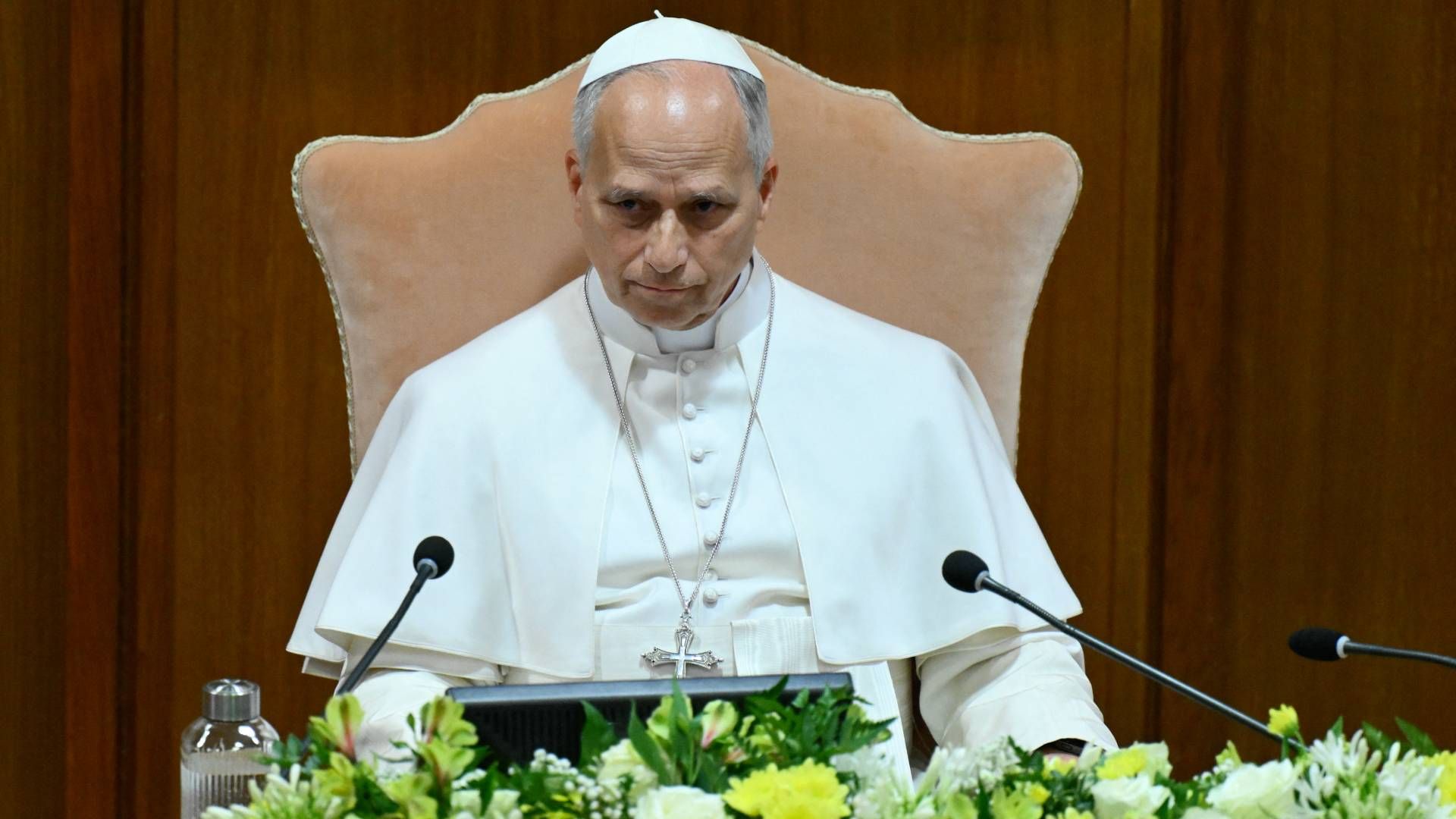
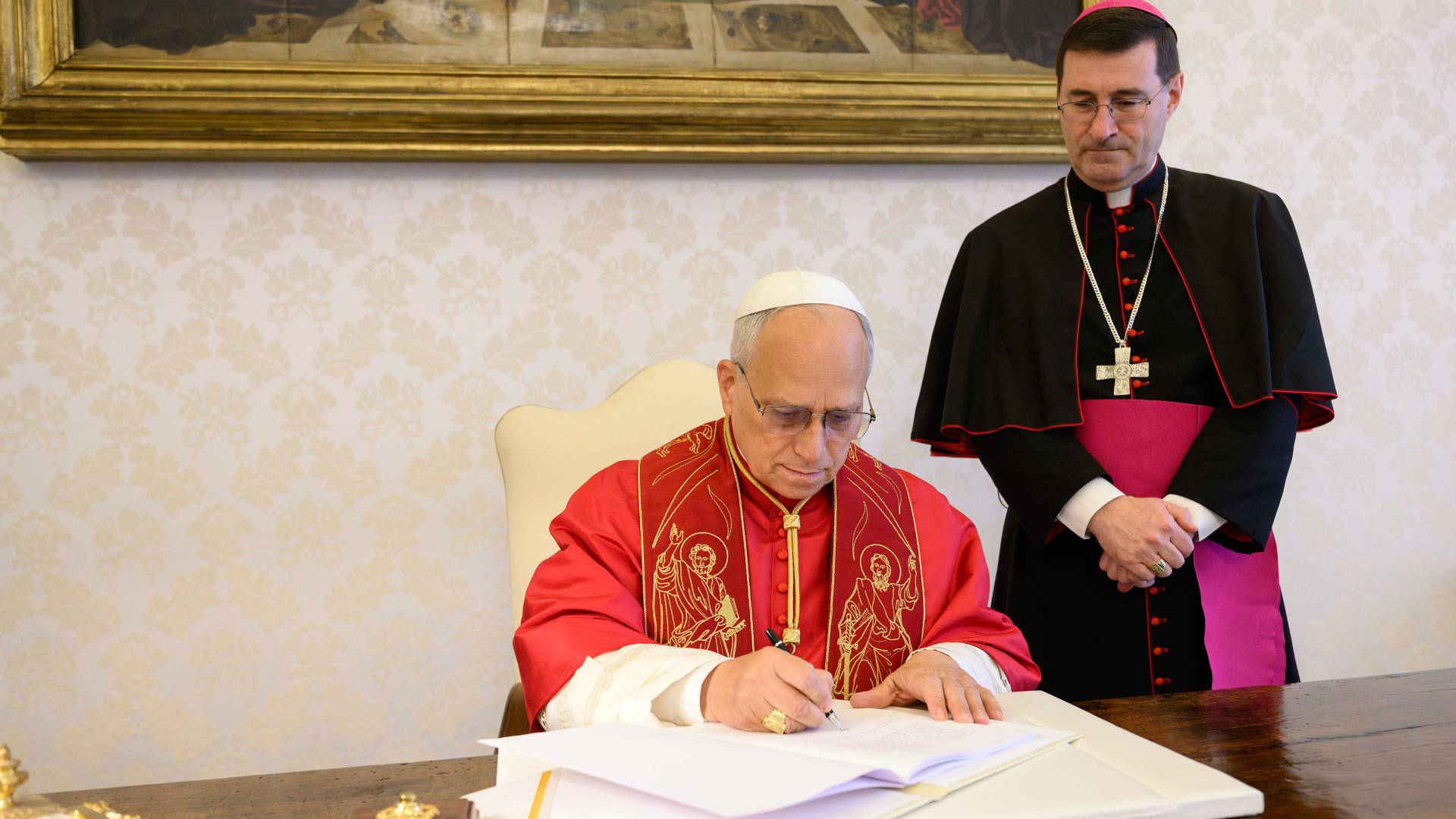
Vatican City – May 25, 2026 – In a move that has sent ripples through the global tech and religious communities, Pope Leo XIV today unveiled his first encyclical letter, "Magnifica Humanitas" (Magnificent Humanity). The document, released on the 135th anniversary of Pope Leo XIII’s seminal "Rerum Novarum," directly addresses the burgeoning influence of artificial intelligence, issuing a fervent call for its ethical development and deployment, prioritizing human dignity and the common good over unchecked technological advancement and profit.
The encyclical, penned by the pontiff elected in 2025, signals a significant pastoral engagement with one of the most transformative forces of the 21st century. It underscores a growing concern within religious and ethical spheres that the rapid evolution of AI, particularly in areas like generative models and autonomous systems, risks outpacing humanity’s capacity to manage its implications responsibly.
The Pope’s Pronouncement: A Call for Safeguarding Humanity
Pope Leo XIV’s "Magnifica Humanitas" is not merely a commentary on technology; it is a profound theological and ethical treatise that seeks to guide humanity through what he terms "the time of artificial intelligence." The letter’s title itself, "Magnificent Humanity," serves as a powerful reminder of the intrinsic value and unique capabilities of human beings, which the Pope argues must be safeguarded against the homogenizing and potentially dehumanizing effects of advanced AI.
A central theme of the encyclical is the critique of a "culture of power" that, according to the Pope, is driving the AI industry towards deregulation and rapid, often reckless, innovation. "Technology is never neutral," Pope Leo XIV writes, a stark assertion that highlights his belief that technological development is inherently shaped by the values, interests, and biases of its creators, financiers, regulators, and users. This perspective challenges the often-held notion of technology as an objective, amoral force, instead framing it as a reflection of human choices and societal priorities.
The Pope’s message is a clear call for a deliberate deceleration in the pace of AI development, urging the industry to "slow down and break fewer things." This plea is directed at the prevalent tendency to prioritize disruption and rapid deployment over careful consideration of consequences. He decries the "idolatry of profit" that, in his view, leads to the exploitation of vulnerable populations and the erosion of human values.
Historical Parallels and the Echo of Leo XIII
The choice of the papal name "Leo XIV" is far from coincidental. It is a deliberate homage to Pope Leo XIII, whose 1891 encyclical "Rerum Novarum" addressed the profound social and economic upheaval caused by the Industrial Revolution. By invoking this historical precedent, Pope Leo XIV draws a powerful parallel between the transformative, and at times disruptive, forces of industrialization and the current AI revolution.
"Rerum Novarum" was a groundbreaking document that addressed the plight of the working class, advocating for fair wages, humane working conditions, and the right to organize. It represented the Catholic Church’s engagement with the social question of its time, offering a moral framework for navigating the complex challenges of industrial capitalism.
The release of "Magnifica Humanitas" on May 15, the 135th anniversary of "Rerum Novarum," is a deliberate act by Pope Leo XIV to frame the current AI era as a similarly pivotal moment in human history. The encyclical implicitly argues that, just as Leo XIII championed the dignity of labor in the face of industrialization, Leo XIV must now champion the dignity of the human person in the face of artificial intelligence. This historical resonance imbues the new encyclical with a sense of historical weight and continuity, suggesting that the Church’s moral guidance remains a constant in the face of evolving societal challenges.
Critiques of AI’s Impact on Livelihoods and Creativity
Pope Leo XIV has not shied away from expressing his concerns about AI’s impact on human livelihoods and creative industries. As early as January 2026, he publicly warned that AI-generated content, often referred to as "slop," risks dismantling the foundations of human creative endeavors. He lamented that this trend is "turning people into passive consumers of unthought thoughts and anonymous products without ownership or love."
This critique highlights a concern that the ease with which AI can generate vast quantities of content may devalue human creativity, dilute the authenticity of artistic expression, and erode the personal connection between creators and their audiences. The Pope’s emphasis on "ownership or love" points to a deeper concern about the commodification of culture and the loss of the human touch that often imbues creative works with meaning and resonance.
AI in Warfare: Lowering the Threshold for Violence
The encyclical also tackles the increasingly complex issue of artificial intelligence in warfare. Pope Leo XIV expresses grave concern about the potential for AI to lower the threshold for the use of force. He argues that AI-powered defense systems, while ostensibly designed to protect civilians, can also create a dangerous detachment from the realities of conflict.
"While AI can enhance the defense and protection of civilians," the Pope writes, "it can also lower the threshold for the use of force, shield people from responsibility and foster a culture in which the enemy is reduced to a statistic and the victim to ‘collateral damage.’" This passage is a stark warning against the dehumanization that can occur when warfare is increasingly mediated by algorithms and autonomous systems. The reduction of human beings to mere statistics or "collateral damage" is a profound moral failing, and the Pope’s encyclical calls for a renewed emphasis on the inherent value of every human life, regardless of its perceived strategic importance.
The Peril of Imposed Morality and the Illusion of Consciousness
A significant portion of "Magnifica Humanitas" is dedicated to the ethical underpinnings of AI and the crucial distinction between artificial intelligence and genuine human consciousness. The Pope warns against the danger of allowing those who develop and control AI systems to impose their own moral frameworks, which could become the "invisible infrastructure" of these technologies.
"A more moral AI is not enough if that morality is determined by a few," he asserts, advocating for a broader, more inclusive approach to defining AI ethics. This call for a democratized ethical framework suggests that decisions about AI’s moral compass should not be left to a select group of developers or corporations but should involve a wider societal dialogue.
Furthermore, the Pope directly addresses the burgeoning debate around AI consciousness, cautioning against mistaking the sophisticated mimicry of human language and behavior for genuine sentience. He states unequivocally that "so-called artificial intelligences do not undergo experiences, do not possess a body, do not feel joy or pain, do not mature through relationships and do not know from within what love, work, friendship or responsibility mean."
He elaborates, "Nor do they have a moral conscience, since they do not judge good and evil, grasp the ultimate meaning of situations, or bear responsibility for consequences." This assertion is a direct challenge to those who might attribute consciousness or sentience to advanced AI based solely on their linguistic capabilities. The Pope’s definition of consciousness is deeply rooted in embodied experience, emotional depth, relational maturity, and a capacity for moral judgment – qualities that he argues are uniquely human and currently beyond the reach of artificial intelligence.
This perspective stands in contrast to some public pronouncements, such as that of evolutionary biologist Richard Dawkins, who has argued that AI models like Claude exhibit signs of consciousness. The Pope’s nuanced distinction between imitation and genuine understanding underscores the importance of critical thinking and philosophical rigor when evaluating the capabilities and potential of AI.
Implications for Policy and Industry
Pope Leo XIV’s encyclical carries significant weight, not only as a religious document but also as a moral and ethical framework that can inform public policy and industry practices. The call for a global AI regulatory framework, echoing sentiments previously expressed by the Catholic Church, is likely to gain further traction following this pronouncement.
The Pope’s emphasis on the "common good" and the "safeguarding of the human person" provides a clear ethical compass for governments and corporations grappling with the rapid advancement of AI. It suggests that regulatory efforts should not solely focus on preventing harm but also on actively promoting human flourishing and ensuring that AI serves humanity’s best interests.
The encyclical’s critique of the "culture of power" and the "idolatry of profit" is likely to resonate with those who advocate for greater corporate accountability and a more equitable distribution of the benefits derived from AI. It signals a growing moral imperative for the AI industry to move beyond a purely profit-driven model and to embrace a more responsible and humanistic approach to technological development.

A Future of "Magnificent Humanity"
In issuing "Magnifica Humanitas," Pope Leo XIV has positioned the Catholic Church as a leading voice in the global discourse on artificial intelligence. His encyclical is a powerful reminder that as humanity ventures further into the age of AI, it must do so with wisdom, caution, and an unwavering commitment to its own inherent dignity and values. The call for a slowdown, a focus on the common good, and a deep respect for the unique qualities of human consciousness offers a vital counterpoint to the unbridled optimism and technological determinism that often characterize discussions about AI. The future of "magnificent humanity" may well depend on heeding such calls for reflection and responsible stewardship.



Leave a Comment