
The Last Outlaw of Bellingham: Robb Horan and the Perpetual Legacy of Drew Hayes
By [Your Name/Journalist Name]
Special Report for The Comics Journal
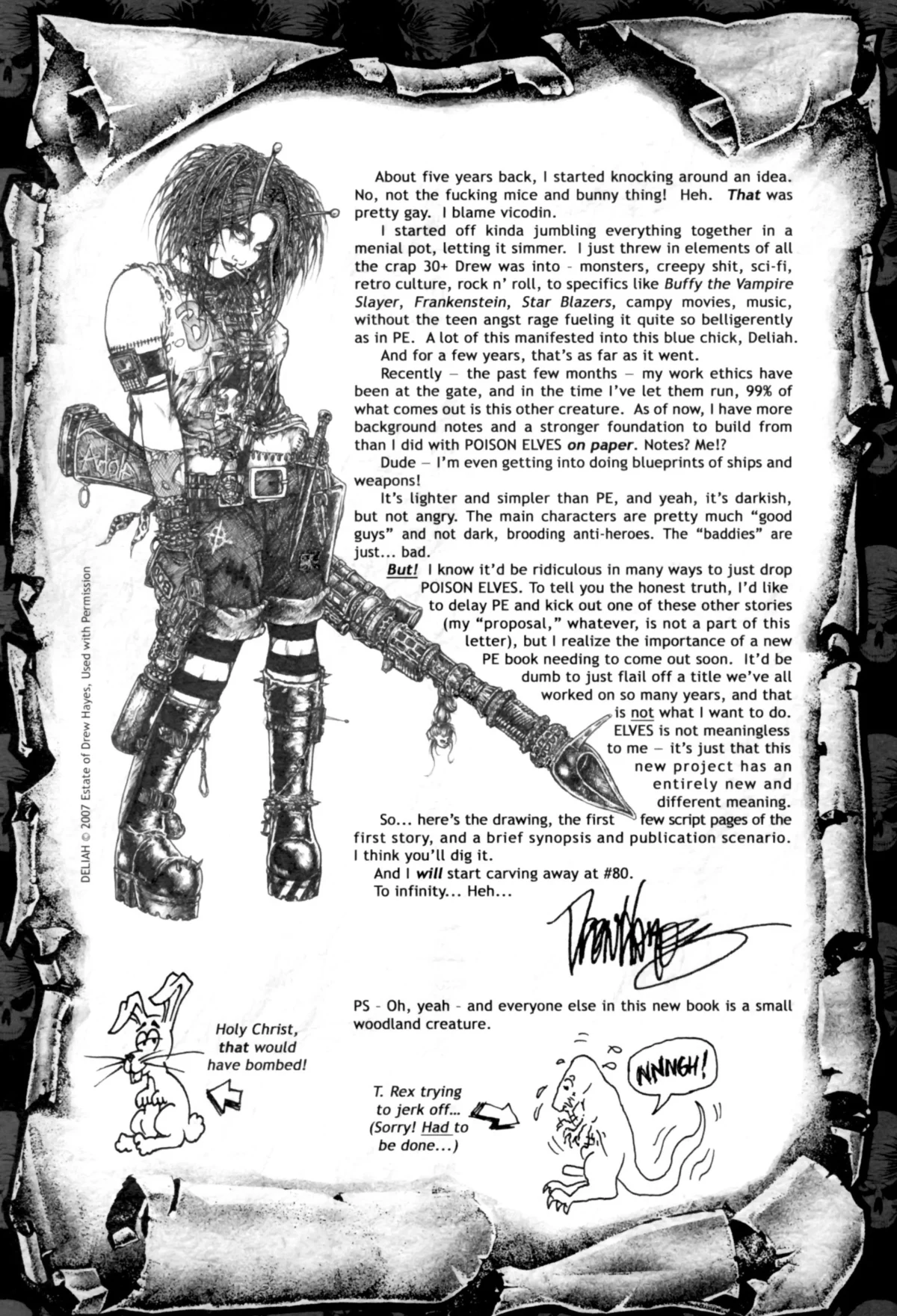
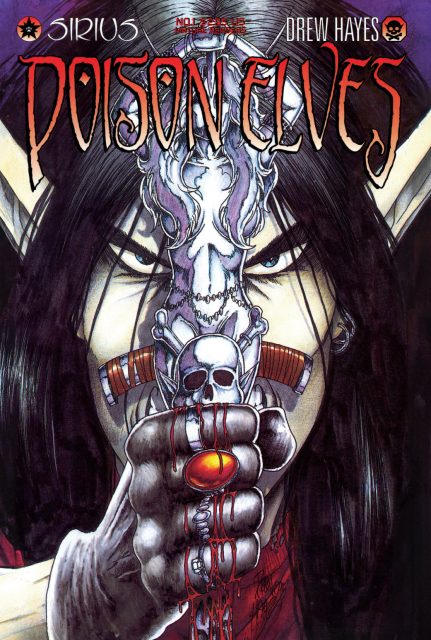
In the annals of independent comics, few figures loom as large or as tragically as Drew Hayes. From the rainy streets of Bellingham, Washington, Hayes crafted a dark fantasy epic that defied the conventions of the 1990s "indie boom." His series, Poison Elves, was a visceral, profane, and deeply personal journey through the life of Lusiphur, an elven assassin with a penchant for bad luck and worse company.
When Hayes died in 2007 at the age of 37, he left behind an unfinished masterpiece. Of a planned 300-issue cycle, Hayes completed just under 100. For nearly two decades, the stewardship of that legacy has rested on the shoulders of Robb Horan, the founder of Sirius Entertainment. In a recent extensive dialogue, Horan reflected on his complicated history with Hayes—a relationship that oscillated between professional mentorship, financial warfare, and genuine friendship—and revealed the roadmap for the future of one of the most enduring properties in "outlaw" comics.
I. Main Facts: The Enduring Shadow of Poison Elves
Poison Elves first appeared in 1991 under the title I, Lusiphur, published by Hayes’s own Mulehide Graphics. It was a time when the "Black and White Explosion" had settled into a gritty, often nihilistic "outlaw" comic scene. Hayes’s work stood out not just for its sharp, evolving art style, but for its voice. Lusiphur wasn’t a hero; he was a reflection of Hayes’s own anxieties, triumphs, and self-destructive tendencies.
The Scale of the Ambition
Hayes was famously inspired by Dave Sim’s Cerebus, committing himself to a massive, multi-decade narrative. While Sim aimed for 300 issues to chronicle the life of his titular aardvark, Hayes aimed for the same number to tell the story of the world of Amrahly’nn.
The Transition to Sirius
By issue #21, the burden of self-publishing became untenable. Robb Horan and Sirius Entertainment stepped in, providing Hayes with the infrastructure to focus on his art. This partnership turned Poison Elves into a pillar of 1990s independent comics, sitting alongside titles like Faust and Cry for Dawn in the "bad girl" and "outlaw" categories of the era.
A Legacy Interrupted
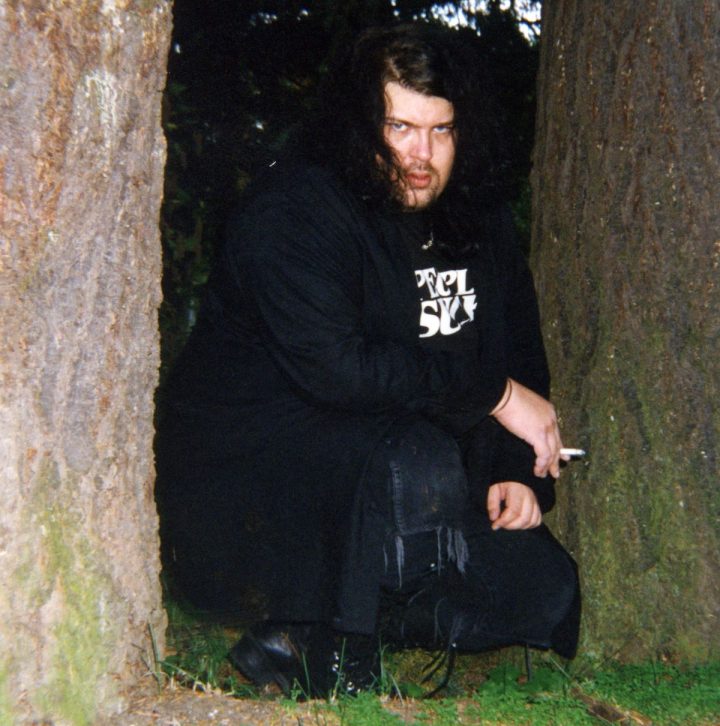
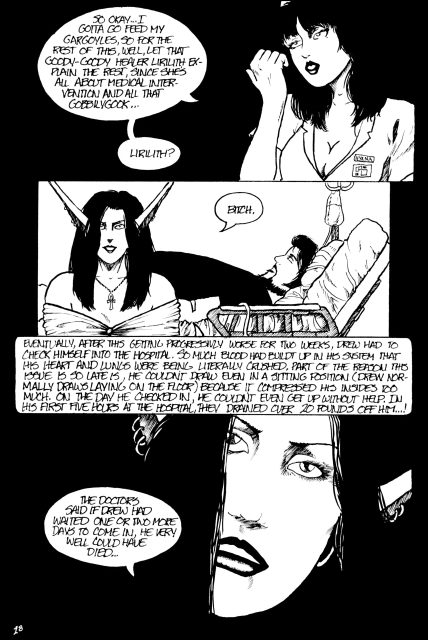
The sudden death of Drew Hayes in March 2007 sent shockwaves through the industry. He died of a heart attack while hospitalized for pneumonia, a culmination of years of chronic health issues. At the time, Sirius was forced to assemble a final posthumous issue (#80) from sketches, notes, and fragments, leaving fans to wonder where the story was truly headed.
II. Chronology: The Rise and Fall of a Comic Book Rock Star
The history of Poison Elves is inextricably linked to the personal timeline of its creator and his publisher.
- 1979–1990: Robb Horan establishes himself in the comics industry, moving from retail to distribution and eventually into publishing.
- 1991: Drew Hayes self-publishes I, Lusiphur #1.
- 1995: Sirius Entertainment takes over the publishing of the series. Issue #8 sees the title change to Poison Elves to distance the book from false accusations of Satanism.
- 1999: During the "Battle of Seattle" WTO protests, Horan and Hayes sign a landmark deal. Sirius purchases the rights to Poison Elves outright, providing Hayes with a guaranteed salary and a "regular paycheck" in exchange for the intellectual property.
- 2001–2005: Hayes’s productivity begins to wane. Despite the security of his contract, health issues and a "boisterous" lifestyle lead to significant delays. Only nine issues are produced over a six-year span.
- 2007: Drew Hayes passes away. Sirius publishes the commemorative Issue #80.
- 2012–2013: A brief attempt to continue the series via Ape Entertainment results in three issues before the publisher ceases operations.
- 2021–Present: Horan pivots to a purely archival role, launching a series of highly successful Kickstarters to produce definitive hardcover editions of the entire run.
III. Supporting Data: The "Rock Star" Reality
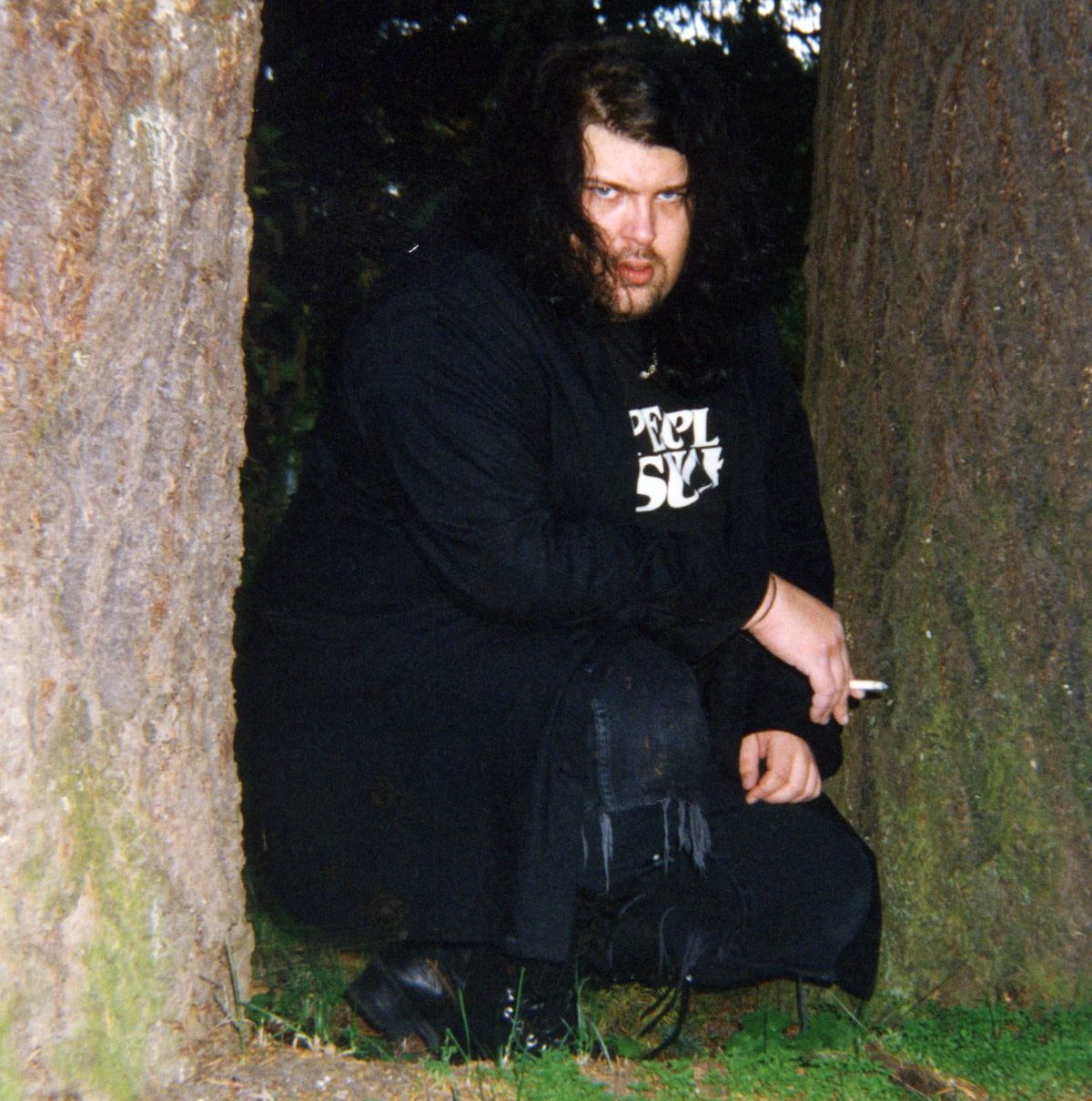
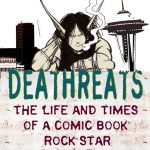
Robb Horan’s reflections provide a sobering look at the data behind the myth. Hayes was a man of immense talent, but his personal life was often in shambles—a fact he chronicled himself in his "Starting Notes" editorials. These essays were eventually collected in the award-winning book Deathreats: The Life and Times of a Comic Book Rock Star.
The Cost of Living
According to Horan, the 1999 acquisition of the rights was intended to stabilize Hayes’s life. "I would use the sledgehammer of, ‘You need to pay rent,’" Horan recalls of the early days. However, once the "sledgehammer" was replaced by a guaranteed stipend, the urgency to produce issues dissipated. The "rock star" lifestyle—comprising parties at Bellingham’s infamous "Freak Manor," tumultuous relationships, and a rockabilly band—took precedence over the drawing board.
Health and Hardship
Horan reveals that Hayes’s struggles were deeper than the public "Starting Notes" suggested. While the editorials mentioned sleep apnea and edema, Horan notes that Hayes had a history of drug issues and periods of homelessness in his youth. By the mid-2000s, the "outlaw" lifestyle had taken a permanent toll on his heart and lungs.
IV. Official Responses: The Steward’s Perspective
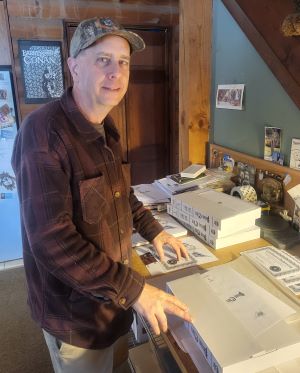
In his interview with Jason Bergman, Horan offers a candid assessment of his role as the "keeper of the flame." He acknowledges that his relationship with Hayes was often transactional, but grounded in a deep respect for the work.
On Archival Integrity
Horan has taken a hardline stance on the current hardcover reprints. Unlike many publishers who "remaster" old work, Horan refuses to fix typos or alter layouts. "Pure, unfiltered, unadulterated… Drew Hayes," Horan says. "I published what Drew turned in. That was the deal… I would never get in the way of that by making it look better."
On the Posthumous "Issue 80"
Assembling the final issue of the main run was a "piecemeal job" involving Hayes’s family and editor Keith Davidsen. Horan credits Davidsen with the "scholarly study" of Hayes’s notebooks that allowed them to provide fans with a sense of closure, however fragmented.
On the "Ape Entertainment" Era
Horan clarifies that the 2012 revival was an attempt to see if the property had "momentum" beyond Hayes. While Horan wrote eight issues for the project, only three were released. The experience served as a reminder of the unique, irreplaceable nature of Hayes’s voice. "I got a little bit of brow-beating at the time… It was my reminder, ‘You’re not Drew Hayes.’"
V. Implications: The Secret Ending and the Future of Amrahly’nn
The most significant revelation from Horan concerns the "keys to the kingdom"—the planned ending of the 300-issue saga. For years, fans have speculated on the ultimate fate of Lusiphur. Horan confirms that a definitive timeline exists, developed during a working retreat to Jamaica with Keith Davidsen.
The Great Reveal: Extinction
"Lusiphur does die," Horan confirms, adding a previously unknown detail: "By the end of Poison Elves, the entire human race is dead as well. The humans are on their way out. That’s really Mogre-Ur’s solution." This nihilistic conclusion fits the "outlaw" ethos of the series, suggesting that Hayes never intended for a traditional "happily ever after."
The Roadmap Ahead
Horan’s current focus remains the five-volume hardcover set. With three volumes funded and a fourth on the way, the project is more than halfway complete. Beyond the main series, Horan plans to collect:
- Spin-offs: Lusiphur and Lirilith and Parintachin.
- The "More Killing" Edition: A collection of the Lusiphur and Lirilith material.
- Tribute Art Book: Featuring color work from Hayes and modern professionals.
- RPG Expansion: Exploring the role-playing game roots of the world.
A Final Transition
Robb Horan’s evolution from a retail dealer to a "publisher-manager" and finally to an "archivist" reflects the changing nature of the comics industry. He is no longer looking to "exploit" the property in the traditional sense, but to ensure that Hayes’s voice remains accessible.
"I’m the archivist now," Horan concludes. While he doesn’t rule out future novels or a continuation by a "Poison Elves expert," he is content with his current mission. For the fans who followed Lusiphur from the gritty black-and-white pages of 1991 to the lavish hardcovers of 2026, the message is clear: the life of Drew Hayes was short, but the world he built is, in the hands of Robb Horan, essentially immortal.
Related Media:
- Poison Elves: The Mulehide Years
- Deathreats: The Life and Times of a Comic Book Rock Star
- Poison Elves Hardcover Volume 4 (Forthcoming on Kickstarter)

Leave a Comment