
Unearthing Truth Through the Lens: An Artist’s Journey of Memory and Resilience
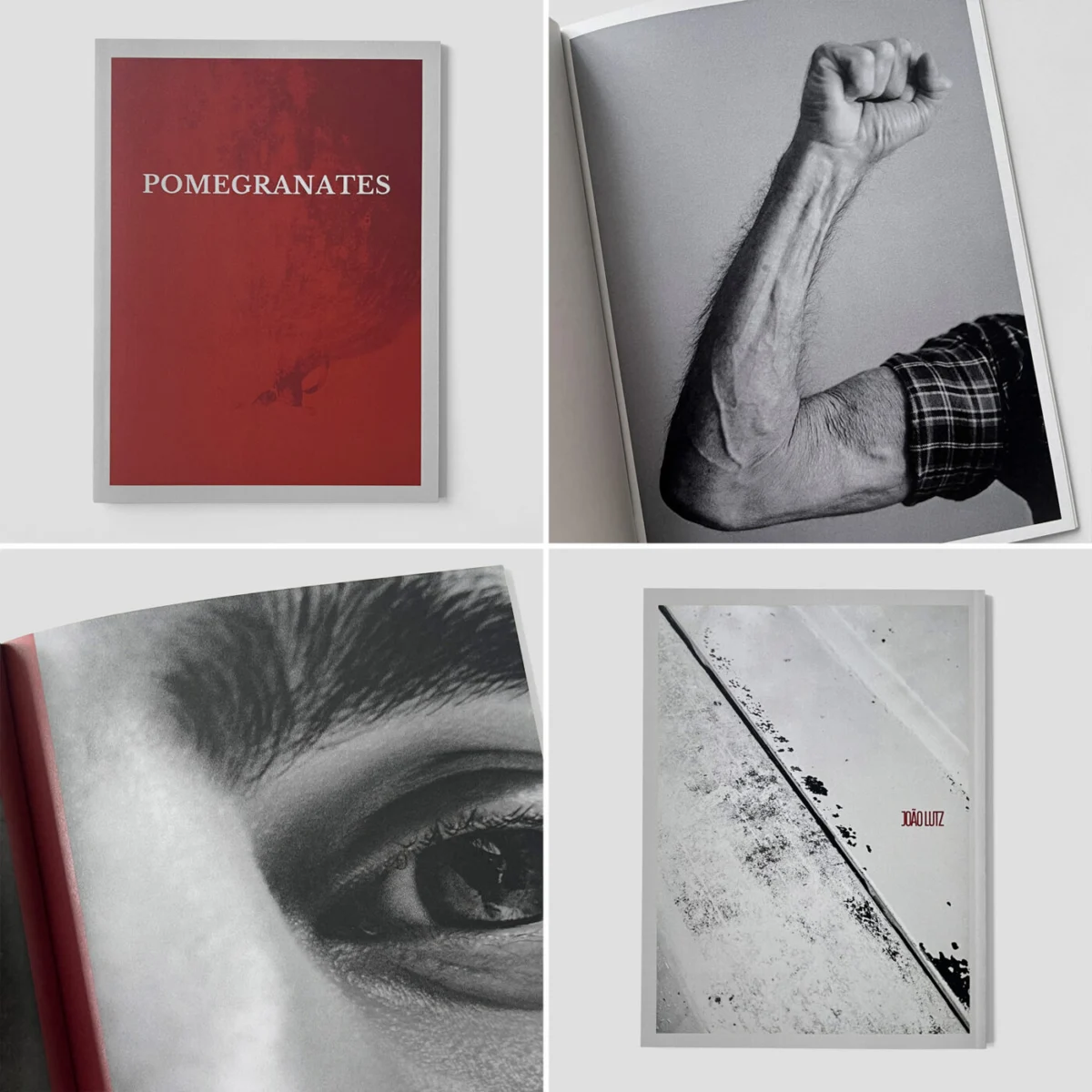
In a world often defined by curated narratives and polished exteriors, one artist is bravely delving into the raw, unvarnished truths of their past. Through the powerful medium of photography, they are reconstructing fragmented memories, challenging ingrained perceptions, and forging a path towards profound self-acceptance. This exploration, culminating in a deeply personal book, offers a poignant testament to the enduring strength of the human spirit and the transformative power of creative expression.
The Architect of Self: Three Defining Moments
The journey of self-discovery is rarely a linear path. For many, it’s a mosaic pieced together by pivotal experiences, each one leaving an indelible mark. When asked to distill their identity into just three life-altering moments, the artist candidly admits the inherent difficulty, a sentiment that resonates with the complexity of human experience. Yet, through contemplation, three distinct threads emerge, weaving the tapestry of who they are today.
The first, a foundational pillar of their formative years, lies in the prolonged journeys of their childhood. Growing up on a remote farm, far removed from the bustle of urban life, these lengthy car trips—often spanning ten to twelve hours—became immersive sanctuaries of thought. It was within these contemplative spaces, cocooned by the vastness of the landscape, that the artist’s parents fostered an environment of imaginative discourse. Their endless conversations, exploring every conceivable topic with boundless creativity, ignited within the artist a lifelong passion for exploring the depths of their own imagination. These journeys, more than mere transit, were expeditions into the boundless territories of thought and wonder, shaping a mind attuned to the nuances of storytelling and the potential of unbridled creativity.
The second defining moment, though its profound impact has only recently surfaced, is intimately tied to the narrative unveiled within their recently published book. This experience, shrouded in the mists of childhood, has only now come into sharp focus, revealing its intricate influence on their present self. The artist recognizes how this period has sculpted their compulsion to create visual memories, fundamentally altering their approach to interpersonal connections, their understanding of intimacy, and the very roots of many of their deepest-seated fears. Crucially, the artist emphasizes that these are not negative revelations but rather invaluable insights. Each day presents an opportunity to learn from these unearthed truths, fostering a deeper understanding of themselves and the world around them. This recent introspection has provided a lens through which to re-examine past experiences, transforming them from sources of potential pain into wellsprings of personal growth and self-awareness.
The third significant influence stems from profound conversations with individuals who have navigated similar terrains of adversity. The sheer act of realizing one is not alone in their struggles is a powerful catalyst for healing. Hearing the stories of others who are actively learning to traverse landscapes shrouded in uncertainty, and who are cultivating the courage to trust their own inner compass amidst the unknown, has been profoundly encouraging. This shared vulnerability and collective resilience have fostered a deep sense of solidarity, dismantling the isolating walls of personal struggle and replacing them with a burgeoning sense of belonging and shared humanity. These dialogues have provided not just solace but also practical wisdom, offering a roadmap for navigating challenging emotional territories and rebuilding trust in oneself.
The Crucible of Inspiration: Visa Woes and a Return to Roots
The currents of inspiration are often unpredictable, shaped by the ebb and flow of life’s circumstances. In recent times, the artist’s creative wellspring has been profoundly influenced by a dramatic shift in their personal landscape. The sudden loss of their Visa status in the United States, coupled with a stark ultimatum to depart within twenty days, served as a powerful, albeit challenging, catalyst. Now back in their native Brazil, the artist describes this period as both difficult and remarkably refreshing. The past three years spent in the U.S. have undeniably shaped them, fostering a profound sense of gratitude for the experiences and, perhaps most significantly, a newfound perspective on their homeland. This forced return has allowed them to see Brazil with fresh eyes, re-evaluating its familiar contours and rediscovering its subtle beauties.
This period of upheaval has also ignited a renewed focus on photography with a singular intent: the creation of memories. A potent wave of nostalgia has washed over them, evoking a longing for the tangible comfort of photo albums. The artist now finds profound meaning in the seemingly ordinary, recognizing that a simple photograph of their current apartment, mundane today, will hold immense sentimental value in the years to come. This shift in perspective underscores a growing appreciation for the ephemeral nature of life and the enduring power of visual documentation to preserve cherished moments. It’s a conscious effort to capture the present, knowing its future significance, a proactive approach to building a personal archive of lived experience.
The Art of Creation: Instinct vs. Intentionality
When delving into the creative process, a fundamental question arises: is the artist driven by raw instinct or meticulous intentionality? For this artist, the answer is unequivocally clear: 100% instinctual. The creative impulse typically manifests as a hyper-focused burst, drawing them into a solitary "creative cave" for an intense, unguided deep dive. The destination, and often even the direction, remains elusive during these periods. However, a growing awareness of the benefits of a more deliberate approach is emerging. The artist acknowledges a desire to cultivate greater intentionality in their creative endeavors, recognizing it as an area ripe for development and a crucial step in further refining their artistic practice. This self-awareness suggests a commitment to growth, a willingness to evolve beyond established patterns, and a recognition that even the most instinctual artist can benefit from strategic planning and conscious direction.
Photography as a Balm for the Wounds of Memory
The artist’s current project bravely confronts the ghosts of childhood, delving into difficult and often suppressed memories. The choice of photography as the medium for this profound exploration is not arbitrary but deeply resonant with the very nature of the experiences being unearthed. As the artist explains, one of the most significant hurdles in accepting these memories has been the dearth of visual recollections. This absence poses a particularly acute challenge for someone who identifies as a visually oriented individual, making it difficult to fully believe in and validate their own past.
In this context, photography has emerged not merely as a fitting medium but as an absolute necessity. It has become the bridge across the chasm of forgotten moments, the tool through which they can begin to fill in the missing pieces of their personal narrative. By wielding the camera, the artist is actively engaging in a form of visual reclamation, allowing them to "see what they can’t remember." This process transcends mere documentation; it is an act of profound healing, a visual dialogue with the self, and a powerful assertion of agency over their own history. The camera, in this instance, becomes an extension of their memory, a prosthetic limb for the mind, enabling them to reconstruct and integrate fragmented experiences into a cohesive whole.
A Non-Linear Narrative: Embracing the Flow of Memory
The structure of the artist’s book mirrors the fragmented and often non-linear nature of memory itself. This deliberate choice, rather than a consequence of external influence, emerged organically from the creative process. The artist explains that the book was written in the same way they would have recorded entries in their personal journal, meticulously following the exact chronological order in which their memories resurfaced. This "burst" of recollection, as they describe it, took time to accept and internalize. The courage to believe in the validity of these feelings and the authenticity of these recalled experiences was a significant hurdle to overcome.
However, the challenge of organization and sequencing presented a distinct hurdle. This project has proven to be the most instinctual undertaking to date. Typically, the artist dedicates time at the project’s conclusion to gain a detached, third-person perspective, allowing for the organization of material into a coherent narrative. In this instance, however, the visceral nature of the subject matter made such distance impossible. The memories remain too potent, too deeply ingrained, to be viewed with detachment. The artist acknowledges that this project will likely remain an indelible part of their being, a testament to the profound and ongoing impact of these deeply personal explorations. This inherent connection to the material has shaped its form, resulting in a work that feels less constructed and more unearthed, a direct conduit to the artist’s inner world.
The Reader’s Experience: Beyond Pity, Towards Understanding
The question of what the artist hopes readers will feel or think as they engage with their book is met with a disarming honesty. The artist confesses a struggle to envision readers experiencing pity or sorrow, stating that such an emotional response is not the intended outcome. The very act of self-exposure has been a formidable challenge, as the artist finds that dwelling on a victimhood narrative, while perhaps a natural initial response, ultimately becomes an anchor rather than a catalyst for positive movement or well-being.
Instead, the artist expresses a desire for readers to perceive the book as a personal challenge to trust memories that the mind may struggle to reconcile, yet which resonate profoundly with the heart. This is an invitation to a shared exploration of the complex relationship between intellect and emotion, between empirical evidence and intuitive knowing. It’s a call to acknowledge the validity of subjective experience, even when it defies conventional logic or empirical proof. The book, in this light, becomes a testament to the power of inner truth and the courage required to embrace it, fostering empathy and understanding through shared vulnerability rather than passive sympathy.
A Guiding Light: The Wisdom of Trust
In the labyrinthine journey of self-discovery and creative exploration, the impact of wise counsel cannot be overstated. The artist recounts a pivotal piece of advice, delivered by a cherished individual who had themselves traversed similar emotional landscapes. This person offered a simple yet profound directive: "Trust your feelings. If you feel them, they are real, and that is just enough." This seemingly understated wisdom served as the bedrock upon which the artist’s courage was built. It was this affirmation of their inner truth that empowered them to sit down and begin writing, to confront the challenging memories, and to allow their creative impulses to flow without the crippling weight of self-doubt. This advice acted as a vital permission slip, validating their subjective experience and providing the necessary confidence to embark on a deeply personal and transformative artistic endeavor.
Charting the Future: A Year of Purposeful Living
As the artist looks towards the coming year, their aspirations are grounded in a desire for a life intentionally crafted around what holds genuine meaning. The focus is on building a more fulfilling existence by prioritizing loved ones, cherishing time, and cultivating a strong sense of purpose, rather than adhering to externally prescribed notions of what constitutes a successful life. This is a conscious shift away from societal pressures and towards an internal compass, a commitment to defining success on their own terms. It’s about aligning actions with intrinsic values, fostering a life that is not only productive but also deeply resonant and personally satisfying.
A Lifetime’s Legacy: Memories and Stories
When contemplating a lifetime’s ambition, the artist’s desires are refreshingly devoid of grandiosity. Their ultimate aspiration is simple yet profound: to accumulate memories and good stories to tell. This understated ambition speaks volumes about their values. It suggests a prioritization of lived experience, of connection, and of the power of narrative to shape identity and foster understanding. In a world often driven by material accumulation and external validation, the artist’s lifelong goal is a testament to the enduring richness of human connection and the indelible legacy of shared experiences. It is a reminder that the most valuable possessions are often intangible, residing not in possessions, but in the tapestry of our lives and the stories we carry.

Leave a Comment