
Unearthing the Heart of Conflict: How a Character’s Greatest Fear Fuels Their Journey
A deep dive into the foundational element of compelling character arcs, revealing the secrets to unlocking potent motivations and organic storytelling.
In the intricate tapestry of storytelling, few elements are as potent and foundational as a character’s deepest fear. Beyond the external obstacles and stated desires, it is this primal, often unacknowledged dread that truly shapes a character’s arc, dictates their choices, and imbues their journey with genuine emotional weight. This profound insight is the focus of a compelling guide by renowned writing advisor Becca Puglisi, co-author of the acclaimed "The Emotional Thesaurus" series. Puglisi’s framework offers writers a practical, six-step approach to uncovering this crucial aspect of characterization, transforming nebulous motivations into tangible drivers of plot and development.
The significance of a character’s greatest fear cannot be overstated. It is the hidden engine that propels them forward, the silent hand that guides their actions, and the internal battleground where true transformation occurs. Identifying this core fear is not merely an academic exercise; it is the key to unlocking organic conflict, creating compelling temptations, and providing fertile ground for profound character growth. Whether a seasoned plotter or a discovery writer, understanding this fundamental fear can streamline the drafting process and prevent costly revisions down the line, ensuring that a character’s internal struggles resonate authentically with readers.
Puglisi’s expertise, honed through years of dissecting the emotional landscape of fictional beings, emphasizes that these deep-seated fears often stem from shared origins and are intrinsically linked to other facets of a character’s personality. This interconnectedness makes them not only discoverable but also integral to the fabric of a well-rounded protagonist.
The Foundation of Fear: Understanding Its Role in Character Development
The very essence of a character’s narrative trajectory is deeply intertwined with their greatest fear. This fear is not a superficial concern; it is a deeply ingrained element that permeates their backstory, influences their present actions, and shapes their future potential. As Puglisi highlights, this fear acts as both a historical artifact and a contemporary force, necessitating careful identification and strategic integration into the novel’s architecture. By understanding this core vulnerability, writers can meticulously select and craft conflict scenarios that present the most significant challenges and, consequently, the most impactful opportunities for growth.
For both meticulous plotters and intuitive pantsers, the process of identifying a character’s greatest fear serves as an invaluable compass during the drafting phase. It preempts the frustration of discovering mid-revision that a hastily assigned fear lacks the necessary depth or resonance. The inherent interconnectedness of deep fears with other characterization elements means that they are rarely isolated phenomena. Instead, they often emerge from shared wellsprings, making them accessible through a systematic exploration of a character’s inner world.
Unlocking the Vault: Six Pathways to Discovering Your Character’s Greatest Fear
Puglisi’s practical guide offers a clear and actionable roadmap for writers seeking to unearth the most significant fear that governs their characters. These six methods provide a comprehensive toolkit for delving beneath the surface and identifying the anxieties that truly drive a character’s narrative arc.
1. Excavating the Past: Backstory as the Bedrock of Fear
The most profound and impactful fears, Puglisi posits, often arise from deeply wounding events. Therefore, a primary avenue for uncovering a character’s greatest fear lies in examining their personal history and identifying the traumas they have endured. Much like real individuals, fictional characters carry the scars of past experiences, and it is crucial to pinpoint the specific event that catalyzed the fear that will ultimately become their most significant internal obstacle.
To effectively identify these emotional wounds, writers are encouraged to delve into their characters’ pasts. This exploration should consider formative periods, particularly childhood, when individuals often possess limited agency and coping mechanisms to protect themselves from harm. Childhood wounds, left unaddressed, can fester over time, giving rise to enduring fears that are exceptionally difficult to overcome.
Examples of such childhood wounds might include:

- Abandonment: The fear of being left alone or unloved, stemming from parental neglect or separation.
- Betrayal: A deep-seated mistrust of others, born from experiencing deceit or disloyalty from someone close.
- Inadequacy: A pervasive sense of not being good enough, often rooted in harsh criticism or constant comparison.
- Loss of Control: A feeling of helplessness and vulnerability, resulting from unpredictable or chaotic environments.
- Humiliation: A profound fear of public embarrassment or shame, stemming from deeply embarrassing experiences.
- Physical or Emotional Abuse: The lasting impact of mistreatment, leading to fears of vulnerability, powerlessness, or recurrence.
These deeply ingrained wounds often leave an indelible mark, and the fears associated with them can be particularly tenacious. Furthermore, a critical link between a character’s trauma and their present behavior can be observed by examining their current attitudes and actions. For instance, a character who exhibits extreme subservience or an overwhelming need for validation might be tracing their roots back to an upbringing characterized by abusive relationships or domineering parents. Every character’s behavior, worldview, and attitudes are underpinned by a ‘why.’ By excavating deep enough, writers can often unearth a traumatic experience and the lingering fear it engendered.
2. The Art of Avoidance: Mapping What Your Character Flees
Characters, by their very nature, tend to steer clear of that which instills fear in them. Consequently, a keen analysis of their avoidance patterns can serve as a powerful indicator of their deepest-seated anxieties. By meticulously observing what individuals, situations, or even abstract concepts a character consistently shies away from, writers can gain invaluable insights into their underlying fears.
This method involves charting the territories that trigger an instinctual urge to escape. Consider the following areas of avoidance:
- Specific People or Groups: Does the character consistently avoid interacting with authority figures, strangers, or those perceived as judgmental? This might signal a fear of judgment, rejection, or intimidation.
- Certain Locations or Environments: A character’s aversion to crowded spaces could point to a fear of suffocation or loss of control, while an avoidance of isolated areas might suggest a fear of vulnerability or attack.
- Particular Topics or Conversations: A character who actively deflects discussions about vulnerability, commitment, or failure likely harbors a profound fear related to these themes.
- Emotional Intimacy: An individual who consistently sabotages close relationships or avoids deep emotional connection may be terrified of the potential for hurt or abandonment.
By identifying the people, places, and subjects that propel a character into "escape mode," writers can effectively pinpoint potential underlying fears that shape their interactions and decisions.
3. The Triggered Response: Identifying Situations That Evoke Fear
Beyond conscious avoidance, certain circumstances can elicit disproportionate or unreasonable fear responses from characters. These "trigger" situations often act as powerful signposts, pointing directly to what a character fears most. When a character reacts with extreme distress, panic, or aggression to seemingly minor stimuli, it is a strong indication of a deeper, more ingrained phobia at play.
To effectively utilize this method, consider characters who exhibit the following tendencies:
- Overreactions to Criticism: If a character becomes defensive, aggressive, or withdraws completely in the face of even mild criticism, it suggests a profound fear of inadequacy or judgment.
- Paranoia in Social Settings: An individual who constantly perceives hidden threats or malicious intent in social interactions might be battling a deep-seated fear of betrayal or social ostracization.
- Irrational Fear of Failure: A character who avoids taking risks or pursuing ambitious goals due to an overwhelming dread of not succeeding is likely grappling with a fear of failure.
- Extreme Anxiety in Unfamiliar Environments: A character who becomes visibly distressed or disoriented when removed from their comfort zone might fear the unknown or a loss of control.
If criticism, for example, sends a character into a spiral of panic or aggression, it is highly probable that criticism itself is something they deeply fear. This hypersensitivity to specific triggers reveals the raw nerves of their internal landscape.
4. The Grip of Control: Unmasking Fears Through the Need for Power
While some individuals are naturally inclined towards control, an intense and pervasive need to manage every aspect of their environment can often be a telltale sign of underlying fear. When characters exhibit a "death grip" on certain situations or people, it frequently stems from a desperate attempt to ward off a deeper, more pervasive anxiety.
Consider the following manifestations of control as indicators of fear:
- Micromanagement: A character who meticulously oversees every detail of a project or task, often to the detriment of others, may fear incompetence or a loss of authority.
- Emotional Suppression: An individual who rigidly controls their own emotions and discourages emotional expression in others might fear vulnerability or the unpredictable nature of feelings.
- Financial Control: A character who hoards money or dictates financial decisions with an iron fist may be driven by a fear of scarcity or financial insecurity.
- Relationship Domination: An individual who dictates the terms of their relationships, often through manipulation or possessiveness, might be terrified of abandonment or losing their partner.
For instance, a character who insists on controlling every aspect of a collaborative project, from the smallest detail to the overall vision, might be driven by a profound fear of failure, believing that only their direct intervention can guarantee success. This need for control is a shield, desperately attempting to keep a more terrifying reality at bay.

5. The Burden of Secrets: Unveiling Fears Through Concealed Truths
A character’s deepest fears are often intimately entwined with the secrets they meticulously guard. These hidden truths, often born from emotionally wounding events, serve as a direct conduit to understanding a character’s most profound anxieties. The very act of keeping a secret implies a fear of exposure, judgment, or the consequences that might arise if the truth were to be revealed.
Exploring a character’s secrets can illuminate their greatest fears in several ways:
- Past Mistakes: A secret about a past transgression, such as a lie, theft, or infidelity, might be driven by a fear of being ostracized or deemed unworthy.
- Hidden Desires or Beliefs: A character might conceal unconventional desires or beliefs for fear of societal rejection or condemnation.
- Unacknowledged Weaknesses: A secret about a personal vulnerability or a perceived flaw could stem from a fear of being exploited or deemed inadequate.
- Traumatic Experiences: A secret about a past trauma, such as abuse or a life-altering accident, is often kept hidden due to a fear of reliving the pain or facing the stigma associated with it.
For example, a character who harbors a secret about a past act of cowardice might be driven by a profound fear of being perceived as weak or unheroic. This secret acts as a constant reminder of their perceived failing, fueling a relentless drive to appear strong and capable in the present. The weight of a secret often directly correlates with the magnitude of the fear it conceals.
6. The Muse of Imagination: Tapping into Personal and Speculative Fears
Writers, by their very nature, possess an insatiable curiosity and a remarkable capacity for imaginative exploration. They are drawn to conjuring impossible scenarios and are often captivated by the power of "what-if" questions. Within this imaginative landscape, fear naturally weaves its way through potential narrative threads, presenting a rich vein of material for developing character fears.
Furthermore, writers can tap into their own personal fears as a powerful source of inspiration. When a character’s greatest fear mirrors a writer’s own deeply held anxieties, the resulting narrative often possesses an exceptional level of personal resonance. This shared vulnerability provides a safe and cathartic means for both the writer and the reader to explore and confront difficult emotions. The act of imagining the worst-case scenarios for a character, even those that seem outlandish, can uncover the fundamental fears that lie at the core of human experience.
The Ripple Effect: Integrating Fear into the Narrative Fabric
While not every character in a story necessitates the presence of a deep-seated fear, the protagonists and pivotal figures undoubtedly do. Once a character’s greatest fear has been identified, the next crucial step is to understand the depth of its roots and to intricately weave it into the fabric of the narrative. This involves demonstrating the impact of fear across various dimensions of the character’s life.
Fear should not be relegated to internal monologues; it should manifest palpably in their relationships, influencing how they connect with others and the dynamics that emerge. It should be evident in the situations they actively avoid, painting a vivid picture of their vulnerabilities. Furthermore, their insecurities should act as a prominent beacon, guiding their actions and reactions. By consistently showcasing the pervasive influence of fear throughout a character’s life, writers can effectively convey its weight and significance to the reader, fostering empathy and deepening the overall impact of the story.
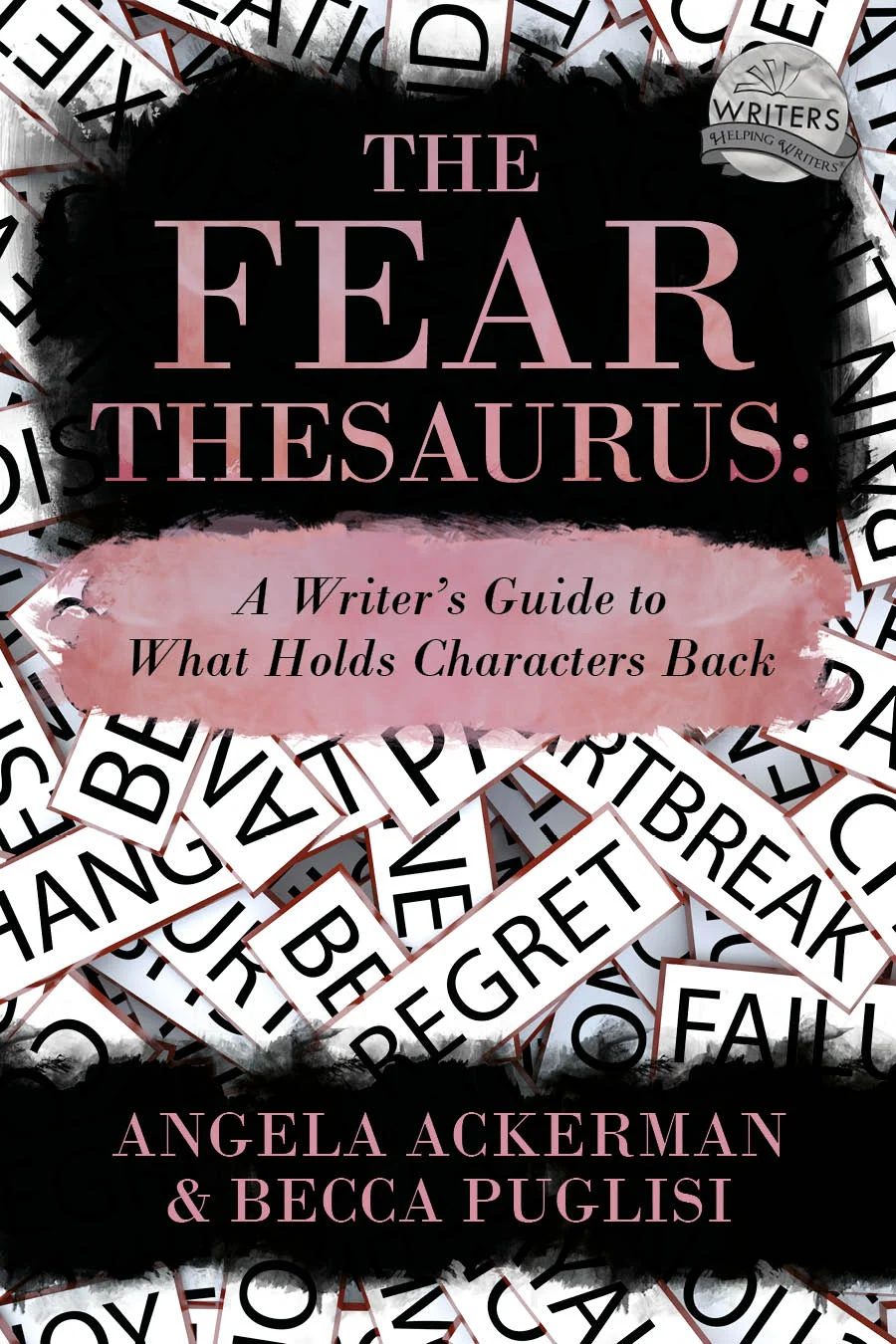
For writers seeking to further illuminate how a character’s greatest fear can shape their motivations, drive conflict, and propel their character arc, resources like "The Fear Thesaurus: A Writer’s Guide to What Holds Characters Back" by Angela Ackerman and Becca Puglisi offer an extensive exploration. This invaluable guide delves into the myriad ways fear impacts character behavior, internal struggles, and narrative progression. It examines the internal conflicts that fear engenders, the flaws that can develop from avoidance, the disruptions fear introduces into characters’ lives, and the specific circumstances most likely to expose their deepest vulnerabilities. Ultimately, this comprehensive resource provides writers with practical strategies for depicting fear on the page, leveraging it to create meaningful opportunities for character growth and profound transformation.
The question of a character’s greatest fear is not merely a detail; it is a fundamental pillar upon which compelling narratives are built. By diligently exploring the avenues Puglisi outlines, writers can unlock the true potential of their characters, transforming them from static figures into dynamic, relatable individuals whose journeys resonate long after the final page is turned.



Leave a Comment