
The Architecture of Dread: How A24’s ‘Backrooms’ Adaptation Honors Its Digital Origins Through the Async Reveal
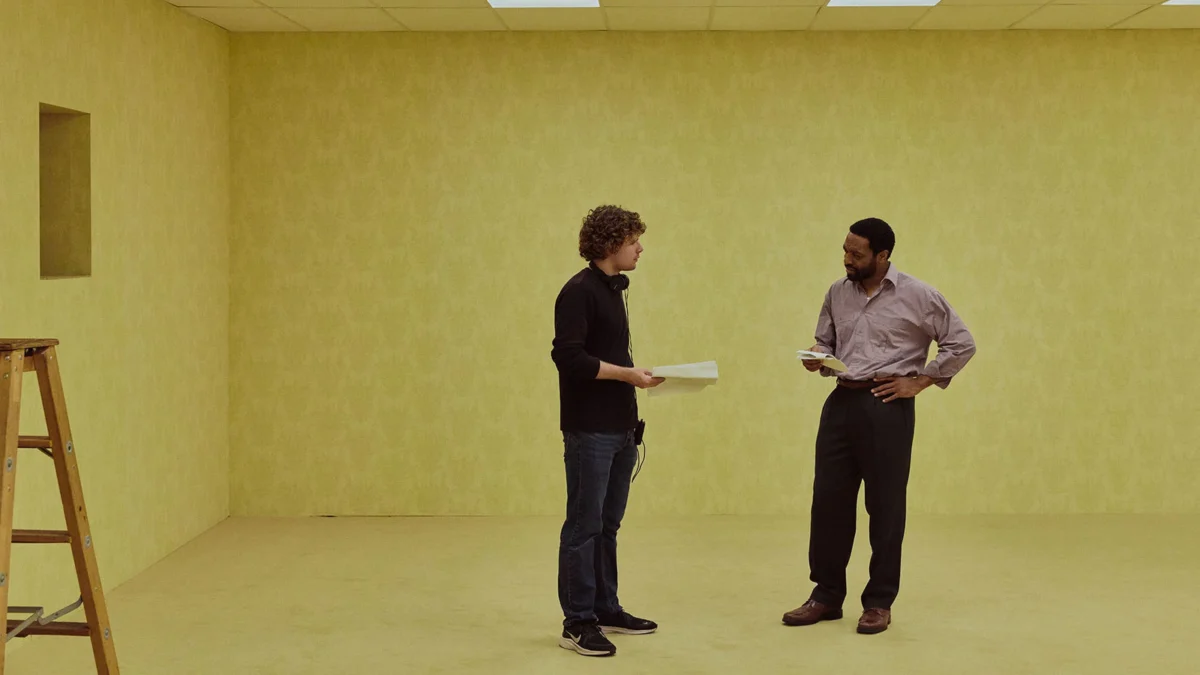
The transition from a viral internet "creepypasta" to a prestige horror feature is a journey fraught with narrative pitfalls. Yet, with the release of A24’s Backrooms, director Kane Parsons has seemingly achieved the impossible: translating the hollow, repetitive dread of a digital urban legend into a cinematic experience that satisfies both hardcore lore-enthusiasts and uninitiated audiences. At the heart of this success is a pivotal narrative anchor—the inclusion of the Async Research Institute—a reveal that bridges the gap between Parsons’ seminal YouTube series and this new, expanded universe.
Main Facts: The Intersection of Internet Lore and Prestige Cinema
Backrooms, written by Will Soodik and directed by the nineteen-year-old prodigy Kane Parsons (known online as Kane Pixels), represents a watershed moment for the "analog horror" genre. The film, which arrived in theaters to significant critical acclaim and robust box office projections, centers on the concept of "liminal spaces"—eerie, transitional environments like empty office hallways and deserted malls that evoke a sense of misplaced nostalgia and mounting anxiety.
The central plot of the film follows Mary (played by Renate Reinsve), a woman who accidentally "no-clips" out of reality and finds herself trapped in a seemingly infinite labyrinth of yellow-wallpapered rooms. While the film maintains the skin-crawling atmosphere of the original webseries, it introduces a structured antagonist in the form of the Async Research Institute. For long-time fans, the appearance of Async is more than a mere Easter egg; it is the definitive confirmation that the film exists within the "Parsons-verse," a specific iteration of the Backrooms lore that emphasizes pseudo-scientific exploration over supernatural ambiguity.
Chronology: From 4chan Threads to A24 Soundstages
To understand the weight of the film’s reveals, one must trace the unconventional timeline of the property’s development.
- The 4chan Genesis (May 2019): The concept originated on 4chan’s /x/ board, where an anonymous user posted an image of a slanted, yellow room with the caption describing a place one enters by "glitching" out of reality. This sparked a collaborative writing effort across the internet, defining the "Backrooms" as a multi-level dimension of architectural decay.
- The Kane Pixels Revolution (January 2022): Then-16-year-old Kane Parsons uploaded "The Backrooms (Found Footage)" to YouTube. Unlike previous iterations, Parsons introduced a 1980s/90s aesthetic and, crucially, the Async Research Institute—a group of scientists attempting to exploit the space for storage and real estate.
- The A24 Partnership (February 2023): Following the massive success of the webseries, which garnered over 100 million views, A24, Atomic Monster, and Chernin Entertainment announced they would produce a feature film directed by Parsons during his summer vacation.
- The Feature Release (May 2026): The film debuts, marking the first time a major studio has handed a multi-million dollar budget to a creator whose primary medium was short-form digital analog horror.
Supporting Data: The Lore of Async and ‘The Complex’
The feature film expands on the "Async" mythology in ways the webseries only hinted at. In the film, the Backrooms are referred to internally by researchers as "The Complex." The narrative provides a grounded, albeit chilling, backstory for the organization.
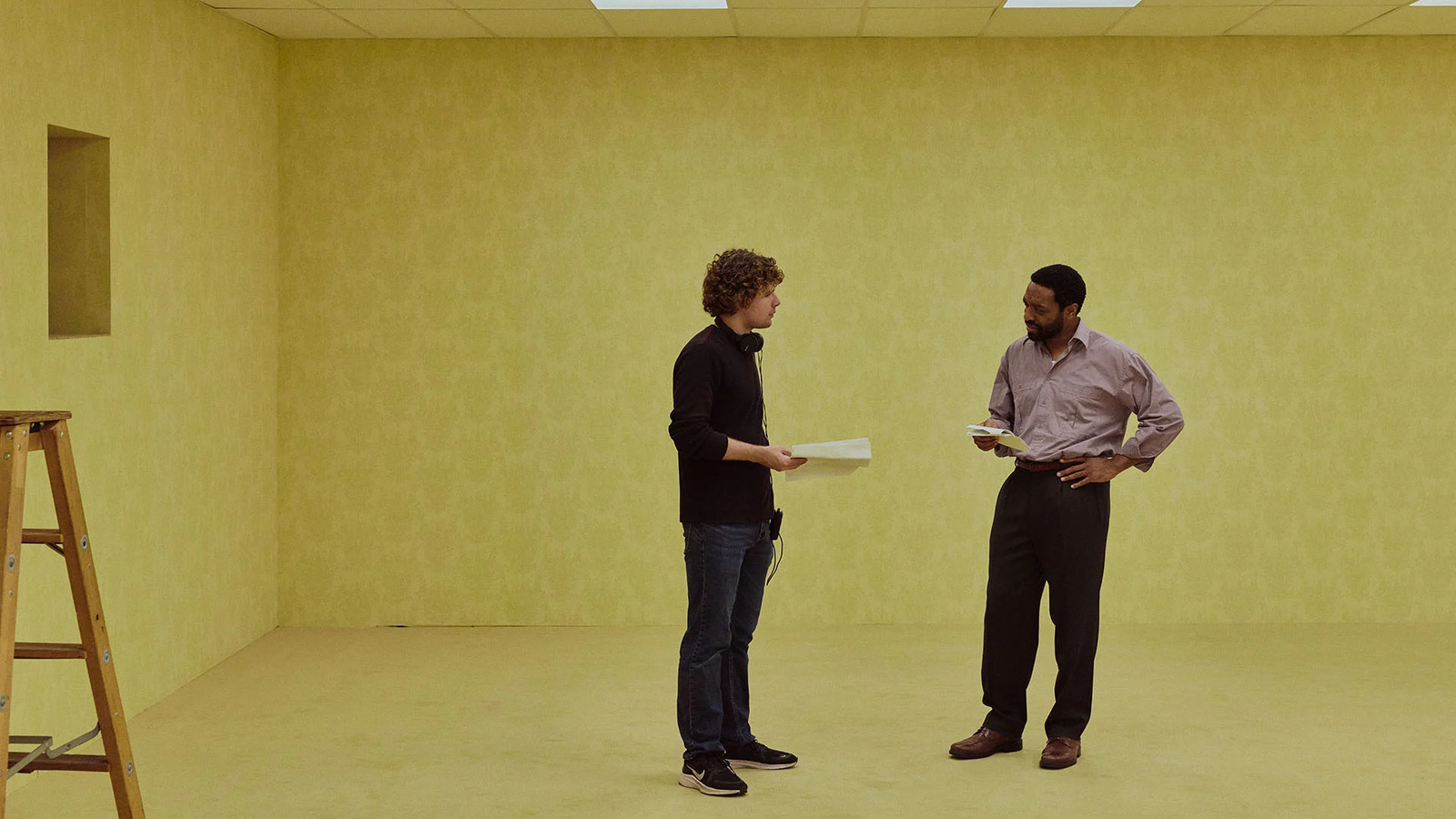
As revealed in the film’s third act, Async was not always a shadowy government-adjacent entity. Phil (Mark Duplass), an Async operative, reveals to Mary that the company began as a manufacturer of Magnetic Resonance Imaging (MRI) machines. It was during high-energy magnetic testing that they inadvertently tore a hole in the fabric of spacetime, discovering the "Low-Proximity Magnetic Distortion System," which opened the gateway to The Complex.
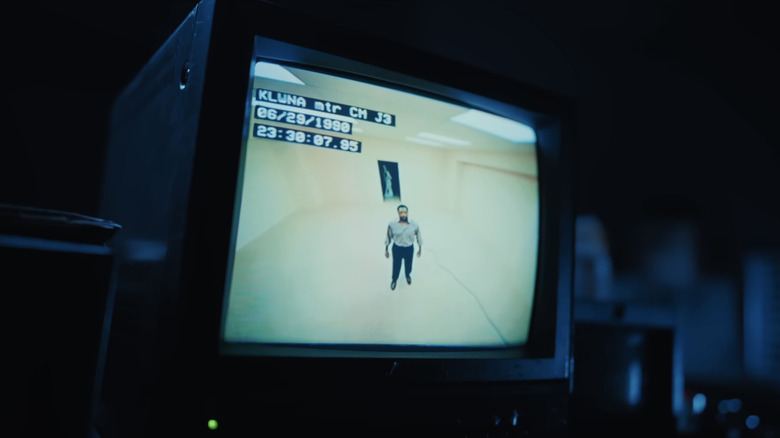
This data point is crucial for fans because it provides a "hard science" explanation for the horror. By framing the Backrooms as a byproduct of industrial accidents rather than a demonic realm, Parsons leans into the "Industrial Horror" subgenre. The film utilizes VHS-style monitoring footage to show that Async has been sending employees into the Complex for years, often with fatal results. The "found footage" within the movie serves as a meta-commentary on the YouTube videos that made the franchise famous, creating a recursive loop of storytelling that rewards deep-lore investigation.
Official Responses: A New Direction for Horror Creators
The production of Backrooms has been closely watched by industry analysts as a litmus test for "Creator-Led" cinema. James Wan’s Atomic Monster, which co-produced the film, has been vocal about the need for fresh blood in the horror genre.
"What Kane did on a zero-dollar budget in his bedroom was more terrifying than most studio features," a representative for A24 noted during the film’s press junket. "Our goal was to provide him with the resources—the cast, the high-end sound design, and the distribution—without Diluting the ‘liminal’ essence that made the original shorts viral."
Writer Will Soodik addressed the challenge of writing for a world that thrives on mystery. "The biggest hurdle was Async. If you explain too much, the rooms stop being scary. If you explain too little, the audience has nothing to hold onto. We decided to treat Async as a mirror to the rooms themselves: bureaucratic, repetitive, and ultimately indifferent to human life."
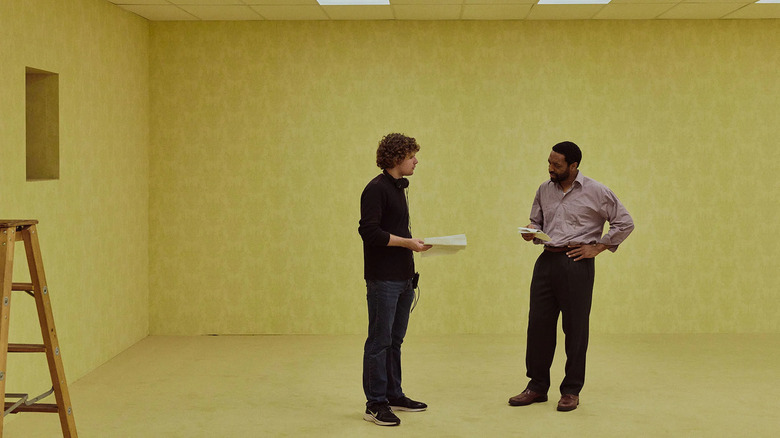
Actor Mark Duplass, who portrays the enigmatic Phil, described his character as the "human face of a corporate nightmare." His performance has been highlighted by critics for its unsettling calm, representing the banality of evil that often accompanies scientific "progress."
Implications: The Future of Analog Horror and Digital IP
The success of Backrooms and the specific payoff of the Async storyline have profound implications for the future of the film industry.
1. The Death of the Traditional Urban Legend
The Backrooms represents the evolution of the urban legend into the "Creepypasta 2.0." Unlike the Slender Man—which saw a critically panned film adaptation that failed to understand its source material—Backrooms succeeds because it was helmed by its primary architect. This suggests that studios are beginning to realize that the creators of internet lore are often better suited to adapt them than veteran Hollywood screenwriters.
2. The "Lore-ification" of Cinema
The film’s ending, which leaves Mary’s fate ambiguous and Async’s true motives hidden, points toward a burgeoning franchise. By establishing Async as a recurring entity, A24 has laid the groundwork for a cinematic universe that functions like a wiki-page: interconnected, dense with detail, and designed for repeat viewings and online theorizing.
3. Psychological Impact of Liminality
Beyond the business implications, the film’s focus on Async highlights a modern psychological fear: the fear of being "processed" by a system. The horror of Backrooms isn’t just the monsters (the "Lifeforms" or "Entities"); it is the realization that a massive corporate entity has discovered a hellish dimension and their first instinct was to see if they could put a cubicle in it.
The film concludes with Mary asking if she can go home, to which Phil responds with a haunting lack of agency. This ending suggests that the "Backrooms" are not just a physical place, but a state of being—once you are seen by Async, you are part of the architecture.
Conclusion
A24’s Backrooms is more than a horror movie; it is a successful bridge between the chaotic, decentralized creativity of the internet and the structured storytelling of Hollywood. By centering the "Async" reveal, Kane Parsons has rewarded his long-time followers while proving that he is a formidable new voice in cinema. As the film continues its theatrical run, the "yellow-wallpapered" nightmare is no longer confined to YouTube screens—it has officially claimed its place in the pantheon of modern cinematic horror. For fans of the series, the message is clear: Async is watching, and the Complex is only getting larger.

Leave a Comment