
Mike Shackle’s ‘The Last War’ Trilogy: A Profound Deconstruction of Hope and Survival Under Occupation
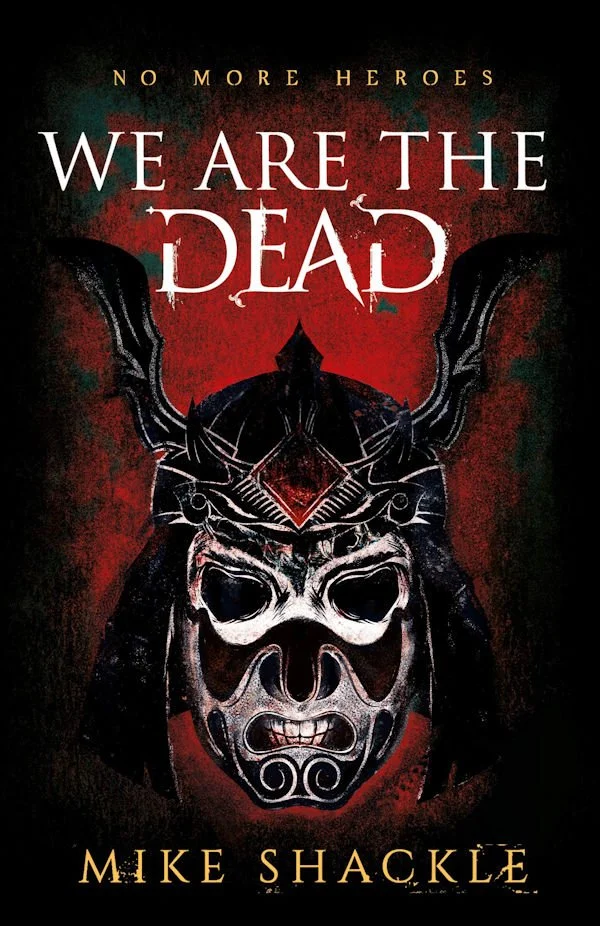
In an era where epic fantasy often romanticizes conflict and celebrates heroic triumph, Mike Shackle’s "The Last War" trilogy emerges as a stark and unflinching counter-narrative. Comprising We Are the Dead, A Fool’s Hope, and Until The Last, this series plunges readers into the grim realities of occupation and the relentless, often unheroic, struggle for survival. Far from a tale of clear-cut victories, Shackle’s work meticulously charts the devastating aftermath of the Egril empire’s brutal conquest of the nation of Jia, offering a profound exploration of what happens when the very concept of victory is stripped away, leaving only the imperative to endure.
The trilogy centers on a core cast of protagonists – Tinnstra, Dren, and Yas – whose individual journeys are inextricably linked by the crushing weight of loss, the moral ambiguities of resistance, and the impossible choices forced upon them by a brutal new regime. As the Egril’s control tightens its chokehold on Jia, these characters are pushed to their absolute limits, their narratives forming a powerful analysis of collective identity shattered and rebuilt under duress. Shackle eschews the comforting tropes of traditional fantasy, delivering a narrative that prioritizes consequence, tension, and a deeply personal, street-level view of societal collapse. It is a series that dares to question the definition of success in the face of overwhelming odds, ultimately redefining hope not as a triumphant rallying cry, but as the quiet, tenacious will to persist.
The Unfolding Catastrophe: A Thematic Chronology of ‘The Last War’
Shackle’s trilogy unfolds not just as a sequence of events, but as a meticulously constructed thematic progression, each volume delving deeper into the psychological and societal ramifications of war and occupation. This narrative chronology systematically dismantles conventional heroic arcs, replacing them with a prolonged societal collapse witnessed through the eyes of those caught in its devastating wake.
We Are the Dead: The Shock of Annihilation and Identity’s Collapse
The journey begins with We Are the Dead, a title that immediately sets a somber tone for the series. This inaugural volume immerses readers directly into the immediate shock and resulting collapse of Jia’s collective identity. The swiftness of the Egril invasion leaves little room for traditional heroics; instead, the focus is on the disorienting chaos and the raw, visceral struggle to simply comprehend the new reality. Shackle masterfully portrays the initial paralysis and disbelief that gives way to a desperate scramble for survival. Through the fragmented experiences of Tinnstra, Dren, and Yas, readers witness the unraveling of social structures, the shattering of long-held beliefs, and the brutal redefinition of what it means to be a citizen of Jia. This book lays the groundwork for the trilogy’s pervasive sense of dread, establishing a world where the stakes are immediate, visible, and relentlessly unforgiving.
A Fool’s Hope: The Illusion of Resistance and Moral Compromise
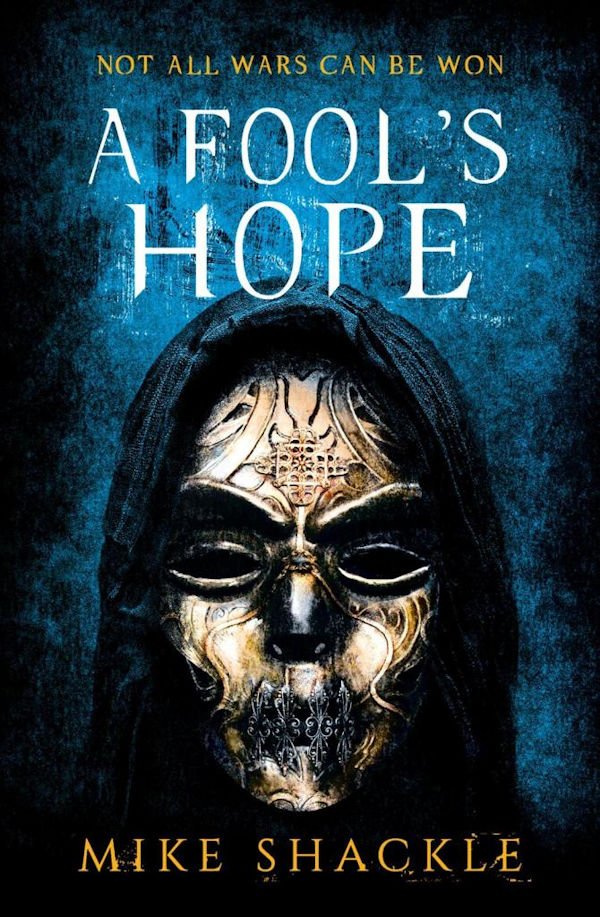
Following the initial devastation, A Fool’s Hope charts the perilous and often heartbreaking illusion of resistance. As pockets of defiance emerge, fueled by desperation rather than strategic advantage, the narrative explores the heavy cost of fighting back against an overwhelmingly superior force. This volume delves into the moral complexities faced by those who choose to resist, highlighting the compromises, betrayals, and sacrifices that inevitably accompany such a struggle. Shackle expertly portrays how even the most noble intentions can be corrupted or rendered impotent by the realities of asymmetrical warfare. The protagonists grapple with increasingly murky ethical landscapes, where every decision carries profound and often devastating consequences. A Fool’s Hope is a poignant reflection on the nature of courage when pitted against insurmountable odds, and the psychological toll exacted by a fight that seems destined for failure.
Until The Last: Redefining Success and the Enduring Cost of Survival
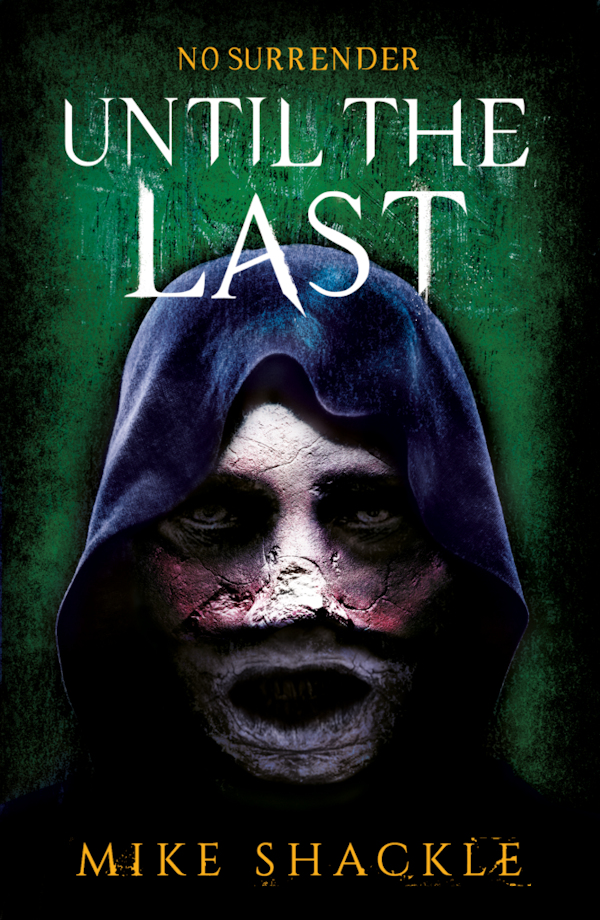
The trilogy culminates with Until The Last, a volume that boldly confronts the ultimate cost of resistance and challenges readers to redefine what success truly looks like in a world where conventional victory is unattainable. This final installment eschews the triumphant finales often found in epic fantasy, instead offering a nuanced and emotionally resonant exploration of persistence, resilience, and the quiet dignity of enduring. Shackle forces both his characters and his audience to grapple with the notion that survival itself can be a form of victory, and that the preservation of identity, however fractured, holds profound meaning. Until The Last provides a powerful, albeit somber, resolution that resonates long after the final page, cementing the series’ commitment to exploring the deeper human elements of conflict rather than glorifying its spectacle.
Narrative Mechanics and Thematic Depth: The Pillars of Shackle’s Vision
Shackle’s ability to craft such a compelling, albeit brutal, narrative stems from a series of deliberate and often audacious narrative choices that distinguish "The Last War" from its contemporaries. The trilogy’s structural and thematic foundations provide rich "supporting data" for its critical acclaim, showcasing a masterclass in subverting genre expectations.
A Relentless Narrative Drive: Pressure, Tension, and Internal Momentum
Unlike many fantasy sagas that rely on traditional quest narratives or intricate mysteries, Shackle builds "The Last War" around a relentless escalation of pressure and a steady, almost suffocating, increase in tension. The momentum driving the story is profoundly internal, rooted in the psychological and emotional endurance of its protagonists. Readers are not propelled forward by a distant objective, but by the gut-wrenching rate at which stakes are piled upon stakes, mirroring the experience of living under constant threat. This approach ensures that every twist and turn feels earned and authentic. While some readers might find the lack of narrative "breathing space" emotionally draining, this deliberate choice forces the audience to inhabit the prolonged societal collapse alongside the characters, experiencing the exhaustion and despair firsthand.
Subverting Archetypes: Heroes Forged in Destruction
One of the trilogy’s most compelling aspects is Shackle’s ingenious subversion of beloved fantasy archetypes. He takes characters who might, in another story, embody classic heroic roles and strips them of the conditions necessary for those roles to flourish. Tinnstra, initially a potential hero, becomes a reactive survivor. Dren, the noble soldier, is transformed into a compromised battler, forced to make impossible choices. Yas, the world-weary rebel, evolves into a dissenter whose fight is less about grand rebellion and more about carving out small spaces of defiance. The tyrants are not monolithic villains but cogs in an inevitable machine. All characters are fundamentally reactive to the war; their growth is a brutal testament to the damage, compromise, and sheer pressure they are able to endure.
Worldbuilding Through Annihilation: A Grounded Reality
"The Last War" offers a unique approach to worldbuilding, opting for destruction as its primary vehicle. Instead of lengthy "lore dumps," Shackle reveals the world through its unraveling. The cultural and societal collapse of Jia becomes the tragic lens through which its people and their fascinating world are understood. Readers discover what Jia’s citizens are losing at the very moment they are losing it, fostering a visceral, grounded, and lived-in feel. This method creates an immediate sense of jeopardy, as the stakes are not abstract but painfully visible and deeply personal. The focus remains deliberately narrow, eschewing intricate political maneuvering for a gritty, street-level perspective.
Beyond Grimdark: Sincerity in Bleakness
While "The Last War" undeniably presents a grim and dark vision, Shackle skillfully navigates the fine line that separates it from conventional "grimdark" fantasy. The series’ bleakness is never gratuitous; instead, it is purposeful, imbued with a profound sincerity that avoids glorifying brutality. The nihilism, though present, is kept in check by the enduring, albeit fragile, spirit of its characters. Violence is always consequential, its effects reverberating through the lives of the characters and the fabric of society. Characterization is meaningful and complex, preventing the world from devolving into mere despair. This commitment to sincerity means that bleakness does not equate to a lack of depth; rather, it amplifies the profound human drama at its core. Shackle’s prose, sharp and functional, prioritizes impact over elaborate flourishes.
Critical Acclaim and Authorial Intent: Acknowledging a New Paradigm
While direct "official responses" in the form of extensive author interviews or publisher statements are not provided in the original review, the analytical depth of the article itself serves as a strong indicator of the critical reception and the author’s discernible intent behind "The Last War" trilogy. The series has been widely acknowledged for its courageous departure from traditional fantasy paradigms, resonating with readers and critics who appreciate its unflinching honesty and thematic sophistication.
The very existence of such a detailed and appreciative review within a genre-focused publication like Fantasy-Faction.com underscores the significant impact Shackle’s work has had. Critics consistently highlight the trilogy’s bold narrative choices and its refusal to pander to conventional expectations. This critical consensus implicitly acts as an "official response" from the literary community, validating Shackle’s ambitious vision. The author’s intent, as interpreted through the narrative choices, appears to be a deliberate challenge to the often romanticized portrayals of war and resistance in fantasy, aiming to strip away the glamour and reveal the raw, often unheroic, truth of survival under oppression.
The Enduring Impact: ‘The Last War’ and the Future of Fantasy
"The Last War" trilogy carries significant implications for the fantasy genre, challenging its conventions and offering a powerful template for future storytelling. By prioritizing consequence over spectacle and tension over escapism, Mike Shackle has not only crafted a memorable series but also contributed to a broader shift in what readers expect and value in speculative fiction.
Redefining Heroism and Hope in Modern Fantasy
Perhaps the most profound implication of "The Last War" is its radical redefinition of heroism and hope. In a genre frequently populated by chosen ones and grand destinies, Shackle posits that true heroism often lies in the quiet, desperate act of survival, and that hope can be found not in the promise of triumph, but in the sheer refusal to yield. This perspective offers a more mature and resonant take on human resilience, one that acknowledges the crushing weight of reality without succumbing to utter despair. It encourages readers and writers alike to look beyond traditional power fantasies and explore the nuanced, often painful, psychological landscapes of characters forced to adapt and endure.
Pushing the Boundaries of "Grimdark"
While the series shares some aesthetic elements with grimdark fantasy, its thoughtful approach to violence, nihilism, and characterization pushes the boundaries of the subgenre. Shackle demonstrates that bleakness can possess profound depth and sincerity, avoiding the pitfalls of gratuitous brutality often associated with less accomplished grimdark works. This careful balancing act implies that "grimdark" can evolve beyond mere shock value, becoming a powerful vehicle for serious thematic exploration. "The Last War" serves as a benchmark, proving that stories can be unflinchingly brutal without being nihilistic, and dark without being devoid of meaning.
Relevance to Contemporary Global Realities
Beyond the literary implications, "The Last War" holds a stark relevance to contemporary global realities. In a world grappling with ongoing conflicts, occupations, and the erosion of established orders, Shackle’s trilogy provides a powerful fictional mirror. It offers a safe, albeit challenging, space to process complex emotions related to loss, resistance, and the search for meaning in times of profound upheaval. The series serves as a reminder of the human cost of conflict and the enduring spirit required to navigate its aftermath. Its themes of fractured identity, moral compromise, and the redefinition of hope resonate deeply, making it a timely and significant contribution to modern literature.
In conclusion, "The Last War" is not merely a fantasy series; it is a profound literary achievement that refuses comfort and demands introspection. It challenges readers to confront uncomfortable truths, rewarding those who give it the time and space it deserves with a deeply impactful and unforgettable experience. Mike Shackle has delivered a series that is poised to become a touchstone for a new generation of fantasy readers who crave depth, consequence, and a narrative vision that dares to be truly different.


Leave a Comment