
A Love That Transcends: The Extraordinary Journey of Robbie Fox and Kelli Peters
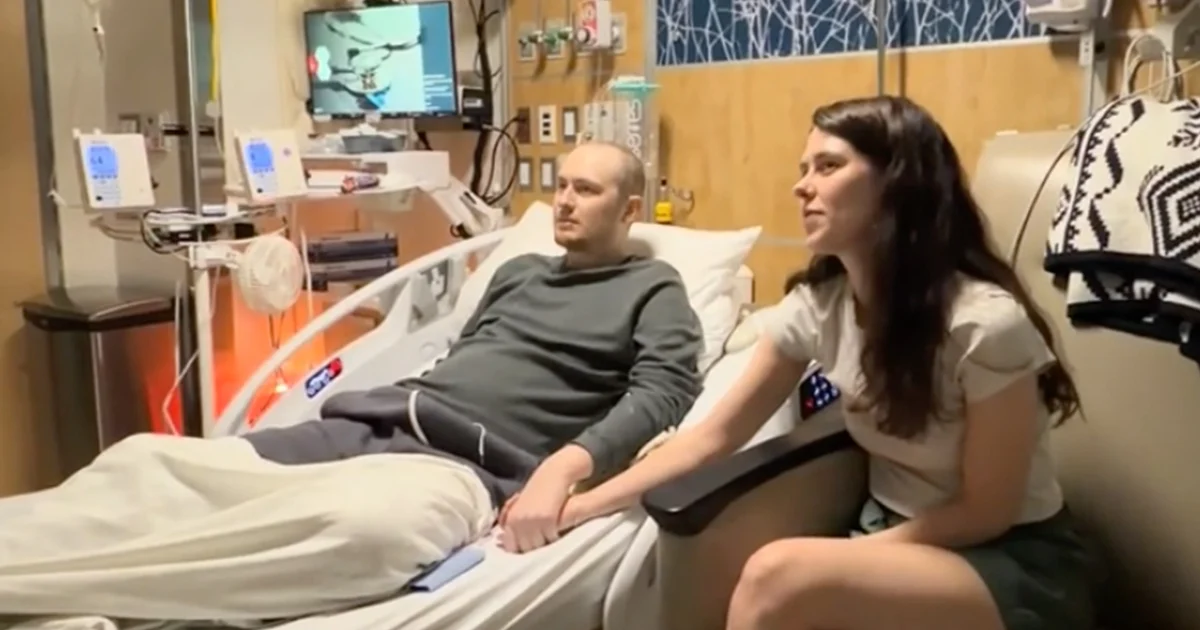
In the quiet corridors of Boston’s most prestigious medical institutions, where the air is often heavy with the weight of clinical diagnoses and the rhythmic hum of life-support machinery, a story unfolded that reminded the world of the indomitable nature of the human spirit. The marriage of Robbie Fox and Kelli Peters was not a traditional fairy tale, but it was a profound testament to a love that refused to be silenced by the finality of a terminal illness.
College sweethearts who shared an eight-year history, Robbie and Kelli exchanged vows at Brigham and Women’s Hospital, supported by the Dana-Farber Cancer Institute, just ten days before Robbie succumbed to Ewing sarcoma. Their story, which captured the hearts of millions through social media, serves as a poignant intersection of medical struggle, municipal compassion, and an enduring romantic legacy.
Chronology of a Connection: From Elon University to Boston
The foundation of this love story began long before the shadow of illness emerged. Robbie Fox and Kelli Peters met as freshmen at Elon University in North Carolina. What began as a campus friendship blossomed into a deep romantic commitment by their junior year. Friends and family describe the pair as a perfect match—Robbie, known for his infectious optimism and loyalty, and Kelli, whose devotion would eventually be tested in ways few twenty-somethings can imagine.
By 2024, the couple was navigating the early stages of their professional lives, having been engaged for a year and planning a future together. However, those plans were abruptly halted when Robbie began experiencing symptoms that led to a diagnosis of Ewing sarcoma.
Ewing sarcoma is a rare and aggressive form of pediatric bone cancer that, while most common in children and adolescents, can also strike young adults in their twenties. The diagnosis marked the beginning of a grueling two-year odyssey through the American healthcare system. Robbie was admitted to the Dana-Farber Cancer Institute in Boston, a global leader in oncology, where he underwent a rigorous regimen of chemotherapy, radiation, and dozens of blood transfusions.
In 2025, there was a brief window of hope. Robbie’s medical team announced that he had entered remission. For a few months, the couple dared to look toward the horizon again. However, the nature of Ewing sarcoma is notoriously volatile. By late 2025, the cancer returned with increased aggression, spreading to a degree that exhausted the available curative options.
The Final Chapter: Hospice and a Hospital Altar
As 2026 progressed, Robbie’s condition necessitated a transition from curative treatment to palliative care. He was moved to hospice care at Brigham and Women’s Hospital. Throughout this transition, Kelli Peters remained a constant presence. In her own words, she felt a divine calling to be his primary caregiver, stating, "I believe I was put on this Earth to care for him and love him."
As Robbie’s health declined, the couple decided that their engagement, which had lasted over a year, needed to culminate in a formal union, regardless of the setting. They chose April 15, 2026, as their wedding date—a day of immense significance as it marked exactly eight years to the day since they had first met at Elon University.
The logistical challenges of a hospital wedding are significant, but the City of Boston rose to the occasion. With the assistance of the city registrar and the blessing of Mayor Michelle Wu’s administration, the legal requirements were expedited to ensure the ceremony could take place at Robbie’s bedside.
The ceremony was intimate, attended only by immediate family and close friends. Robbie, though weakened by his battle with cancer, was described as being filled with a visible joy. Kelli shared the moment on TikTok, where she wrote: "My fiancé was on hospice and we decided to finally get married after a year of being engaged! Thank you to the city of Boston… our love transcends lifetimes."
Robbie Fox passed away on April 25, 2026, exactly ten days after saying "I do." He was 27 years old.
Supporting Data: Understanding Ewing Sarcoma and the Research Gap
To understand the weight of Robbie Fox’s battle, one must understand the clinical reality of Ewing sarcoma. This malignancy occurs in the bones or the soft tissue around the bones. According to the American Cancer Society, it accounts for only about 1% of all childhood cancers, making it a "rare" disease. Because of its rarity, Ewing sarcoma often suffers from a lack of research funding compared to more common adult cancers like breast or lung cancer.
Clinical Characteristics:
- Aggression: Ewing sarcoma is known for its high rate of metastasis. Even when the primary tumor is treated, microscopic cells often remain, leading to the type of recurrence Robbie experienced in 2025.
- Demographics: While the median age of diagnosis is 15, young adults in their 20s represent a "gap" population. They are often treated with pediatric protocols which are incredibly taxing on the adult body, yet they lack the specialized support systems often found in pediatric wards.
- Survival Rates: For localized Ewing sarcoma, the five-year survival rate is approximately 70% to 80%. However, if the cancer has metastasized or returned after initial treatment—as was the case with Robbie—the survival rate drops significantly, often falling below 30%.
The "Robbie Fox Memorial Ewing Sarcoma Fund" was established specifically to address these gaps. The fund focuses on supporting research into new therapeutic targets for recurrent Ewing sarcoma and providing resources for families navigating the financial and emotional toll of long-term hospice care for young adults.
Official Responses and Social Impact
The story of Robbie and Kelli resonated far beyond the walls of Brigham and Women’s Hospital. The involvement of the City of Boston highlighted a growing trend of "human-centric" governance, where municipal offices work alongside healthcare providers to facilitate end-of-life wishes.
Mayor Michelle Wu, who was tagged in Peters’ viral video, has often spoken about the importance of community support during times of crisis. The city registrar’s willingness to perform the ceremony in a clinical setting provided a sense of dignity and normalcy to a situation defined by trauma.
On social media, the reaction was overwhelming. The TikTok video documenting the wedding became a focal point for a global community of "cancer warriors" and their caregivers. For many, Kelli’s strength represented the "silent army" of young caregivers who sacrifice their early adulthood to support their partners through terminal illness.
The Robbie Fox Fund has already seen a surge in donations following the viral spread of the story. These funds are directed toward the Dana-Farber Cancer Institute, ensuring that Robbie’s struggle contributes directly to the potential cure for future patients.
Implications: The Enduring Legacy of the "Pookie" Bond
The death of Robbie Fox at age 27 is a tragedy, but the narrative constructed by Kelli Peters and the Fox family is one of triumph over despair. The implications of their story are three-fold:
1. The Importance of Young Adult Oncology
Robbie’s journey highlights the unique needs of the "Adolescent and Young Adult" (AYA) cancer population. This demographic faces distinct challenges, including the interruption of careers, the strain on young marriages, and the psychological impact of facing mortality while peers are hitting life milestones. The Robbie Fox Fund aims to bring visibility to this specific group.
2. The Power of Advocacy
By sharing her story on social media, Kelli Peters transformed a private grief into a public mission. Her use of hashtags like #EwingsSarcomaAwareness and #FuckCancer has channeled the collective anger and sadness of the community into a productive force for medical fundraising.
3. A Redefinition of "Whole"
In her final reflections on her husband, Kelli noted that Robbie made her feel "whole." This sentiment challenges the conventional view of terminal illness as a "loss." In the eyes of those who witnessed their union, Robbie and Kelli achieved a lifetime’s worth of devotion in eight years.
As the Robbie Fox Memorial Ewing Sarcoma Fund continues to grow, Robbie’s name will remain associated not just with a disease, but with a movement. His family’s statement serves as a final, powerful reminder: "He fought fearlessly for more time, reminding all those around him how precious it is… and how love is truly the only thing that endures beyond it."
Robbie Fox is survived by his wife, Kelli Peters, and a community of supporters dedicated to ensuring that his ten-day marriage marks the beginning of a legacy that will eventually help end Ewing sarcoma for good.
How to Help:
To contribute to research and support for those battling this rare cancer, visit the Robbie Fox Fund website. Your support helps provide the resources necessary for Dana-Farber researchers to continue their life-saving work.




Leave a Comment