
AI Controversy Rocks Prestigious Eisner Awards, Prompts Industry-Wide Reflection on Creator Policy
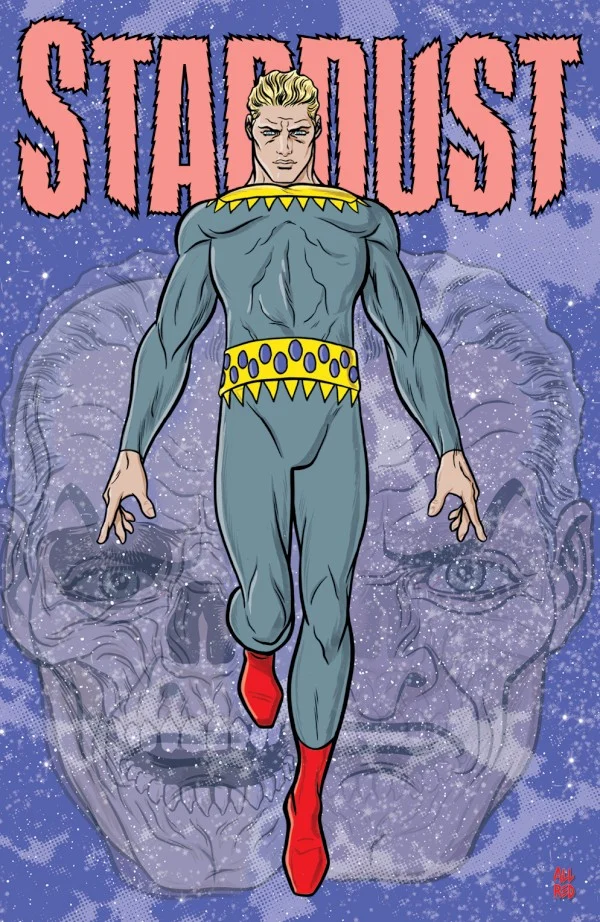
San Diego, CA – The esteemed Eisner Awards, often heralded as the "Oscars of the comic book industry," have found themselves at the center of a significant controversy following the discovery of AI-generated content within a nominated anthology. The incident has led to the withdrawal of Stardust the Super Wizard Anthology from contention and a commitment from San Diego Comic Convention (SDCC), the awards’ host, to develop a comprehensive policy addressing artificial intelligence in creative works.
This development underscores the rapidly evolving challenges and ethical considerations posed by generative AI within the arts, prompting a broader conversation about authorship, integrity, and the future landscape of creative industries. Simultaneously, the comics world is witnessing other shifts, from burgeoning labor movements at major publishers like Dark Horse Comics to the rediscovery of lost media and the celebration of literary excellence.
AI Controversy Rocks Eisner Awards, Prompts Policy Review
A Nomination Unravels: The Stardust Anthology Controversy
The controversy erupted around Stardust the Super Wizard Anthology, which had been nominated in the coveted Best Anthology category for the 2025 Eisner Awards. The anthology, an homage to Fletcher Hanks’ public domain superhero from the 1940s, was edited by Van Jensen and successfully crowdfunded on Zoop in 2023, raising over $39,000 from 614 backers.
The issue stemmed from a single, one-page story within the collection, penned by writer Michael Todasco under the guise of an "AI persona" he dubbed Alex Irons. While the anthology was initially released in 2025, the inclusion of AI-generated text was not widely scrutinized until the Eisner nominations were announced on May 14. Almost immediately, the nomination ignited a firestorm within the comics press and among the Eisner Awards judging panel, raising urgent questions about the eligibility of works containing AI-generated elements.
The Chronology of Conflict and Withdrawal
The timeline of the controversy unfolded swiftly:
- May 14: Comic-Con announced the nominations for the Eisner Awards, including Stardust the Super Wizard Anthology.
- Prior to Nomination: The use of generative AI in Todasco’s contribution had reportedly been noted by some project backers upon the anthology’s initial release.
- May 14 – May 18: Following the nomination announcement, the presence of AI content garnered widespread attention and intense debate across social media, comics news outlets, and among the judging panel.
- May 18: Comic-Con officially announced that editor Van Jensen had voluntarily withdrawn the anthology from consideration.
In a statement to Publisher Weekly, a spokesperson for Comic-Con clarified the judges’ position: "In light of the recent disclosure that Artificial Intelligence was included in a work submitted for Eisner Award consideration, the judges have indicated that had they been aware of this information, they would not have voted for its inclusion." The statement further confirmed, "The editor of the anthology in question has also rescinded this submission for inclusion. Therefore, the submission has been removed from the list of nominees and will not appear on the ballot."
Official Stance and Future Policy
Beyond addressing the immediate incident, Comic-Con signaled a broader commitment to navigating the complex terrain of AI in art. "It is clear that the ever evolving landscape of technology, as it relates to art, will benefit from further review and discussion," the spokesperson added. "For this reason, San Diego Comic Convention will undertake that effort and will produce a policy that better reflects its long-standing efforts in the protection of artists and creators alike."
This commitment highlights the urgency with which traditional creative institutions are confronting AI. While the Eisner judges broadly agreed that Stardust would not have been nominated if the AI component had been known upfront, there was internal debate about the precedent of rescinding a nomination after the fact. Concerns were raised about the potential impact on other, non-AI contributors to the anthology and the absence of a pre-existing official Eisner policy on AI. The episode underscores the need for clear, proactive guidelines as AI tools become increasingly sophisticated and integrated into creative workflows.

Wider Implications for Creative Industries
The Eisner controversy is a microcosm of a much larger debate gripping the entire creative sector, from literature and film to visual arts and music. Questions of originality, copyright, fair compensation, and the very definition of "authorship" are being vigorously contested. Awards bodies, publishers, and platforms are now grappling with how to adapt their submission criteria and ethical frameworks to account for generative AI.
This incident is likely to accelerate the development of explicit AI policies across various awards and industry organizations. It forces a critical examination of transparency—requiring creators to disclose AI usage—and the distinction between AI as a tool for human artists versus AI as a primary generator of content. For many, the core concern remains the protection of human artistic endeavor and the recognition of the labor and creativity involved. The Eisner Awards’ decision to review and formulate a robust AI policy will undoubtedly set a precedent and influence similar discussions across the global creative community.
Labor Movements Gain Ground: Dark Horse Comics Workers Seek Union Recognition
In another significant development within the comics industry, employees at Dark Horse Comics, one of the most respected independent publishers, have announced their intent to unionize. Under the banner of Dark Horse Workers United, employees are formally requesting voluntary recognition of their union by interim CEO Jay Komas and company leadership by June 3.
The Call for Collective Bargaining
The unionization effort stems from a desire among Dark Horse employees for a stronger collective voice in workplace decisions, improved working conditions, and fair compensation. The workers emphasize their commitment to preserving the creative environment that has defined Dark Horse, home to iconic titles such as Hellboy, Sin City, Black Hammer, and The Umbrella Academy. By seeking voluntary recognition, the group hopes to bypass a potentially protracted and adversarial election process and move directly into negotiations for their first contract. They are calling on leadership to refrain from union-busting tactics, fostering a collaborative path forward.
A Growing Trend in Creative Sectors
This initiative at Dark Horse Comics is not an isolated event but rather part of a burgeoning wave of unionization efforts across various creative industries. Workers in comics, video game development, animation, and entertainment—sectors historically characterized by passionate but often underpaid labor, long hours, and precarious employment—are increasingly organizing to advocate for their rights. Recent years have seen successful union drives at companies like Image Comics, as well as significant organizing efforts within the video game industry and animation studios.
The motivations are multifaceted:
- Economic Security: Demands for better wages, benefits (health, retirement), and job security are central, especially in an industry often reliant on contract work or offering salaries that do not keep pace with the cost of living.
- Creative Control and Voice: Workers seek a greater say in editorial decisions, production processes, and the overall creative direction of their projects, aiming to protect artistic integrity and prevent exploitation.
- Workplace Fairness: Addressing issues such as workload, harassment, discrimination, and lack of transparency in decision-making are also key drivers.
- Industry Standards: Unionization aims to establish and uphold higher industry-wide standards for labor practices, ensuring that creative talent is valued and treated equitably.
The Dark Horse Workers United movement highlights a growing recognition among creative professionals that collective action is a powerful tool to secure a more stable, equitable, and sustainable future for themselves and their craft. The outcome of their recognition request will be closely watched as a bellwether for labor relations in the independent comics publishing landscape.
Rediscovering Lost Treasures: Classic BBC Horror Episode Emerges After Decades
In an exciting development for television history enthusiasts and horror fans, a long-lost episode of the chilling BBC anthology series Late Night Horror has been unearthed after almost 60 years. Titled "No Such Thing as a Vampire," the episode was believed to have been destroyed, a fate common to a significant portion of BBC’s early output.

"No Such Thing as a Vampire" Resurfaces
Late Night Horror was a six-episode series that first aired in 1968, quickly gaining a reputation for its deeply unsettling narratives and graphic content. Accounts from the time describe it as "notoriously gory," featuring "severed limbs, creatures of the night, and ghastly tales." Contemporary reactions noted "complaints it was too scary" and even reported BBC technicians "buckling at their knees" due to its intensity. BFI film curator Atlas Obscura confirmed, "It was quite shocking, I think it was controversial."
Just two years after its initial broadcast, the series vanished from screens and the BBC archives. While many BBC programs from the 1960s and 1970s were intentionally purged to free up expensive videotapes—a practice that led to the infamous loss of over 90 Doctor Who episodes—a 2007 BBC news feature speculated that the sheer horror content of Late Night Horror might have contributed to its rapid disappearance.
Of the original six episodes, four—"William and Mary," "The Triumph of Death," "The Bells of Hell," and "The Kiss of Blood"—remain lost to time. In 2016, archivist Chris Perry managed to recover "The Corpse Can’t Play" after a three-decade search. Now, a decade later, "No Such Thing as a Vampire" has resurfaced, based on a short story by the acclaimed I Am Legend novelist Richard Matheson.
The Discovery and Future Screening
The remarkable discovery was made by cinema projectionist Darren Payne, who found the film reel in a small storage area within The Regent, a 1930s art deco cinema and theatre in Christchurch, Dorset. This unexpected find brings back a piece of television history that has not been seen in nearly six decades.
In conjunction with BBC Archives, the episode is slated for a public airing in Dorset on September 20, as part of the three-day Grindfest event. This event will offer a rare opportunity for audiences to experience a piece of early British horror television that was once thought to be permanently lost, highlighting the ongoing importance of media preservation and the thrill of rediscovery for cultural heritage.
Celebrating Literary Excellence and Genre Explorations
Beyond the breaking news of industry shifts, the world of speculative fiction and genre literature continues to thrive with new awards and thoughtful analyses.
Shirley Jackson Awards Announce 2025 Nominees
The Shirley Jackson Awards, dedicated to recognizing outstanding achievement in the literature of psychological suspense, horror, and the dark fantastic, have announced their 2025 nominees. These awards honor works that embody the spirit and legacy of Shirley Jackson’s unique literary vision, celebrating narratives that delve into the unsettling, the uncanny, and the psychologically complex. The full list of nominees, spanning categories like Novel, Novella, Novelette, Short Story, and Anthology, is available for readers keen to explore the cutting edge of unsettling fiction.
Helen Phillips’ "Hum" Wins 2026 Climate Fiction Prize

In recognition of literature’s vital role in addressing contemporary global challenges, the Climate Fiction Prize 2026 has been awarded to Helen Phillips for her novel, Hum. This prize highlights works that creatively engage with themes of climate change, ecological crisis, and humanity’s relationship with the environment. Phillips’ Hum joins a growing canon of "cli-fi" that uses speculative elements to explore potential futures, provoke thought, and inspire action regarding the planet’s ecological destiny. Such awards are crucial in bringing critical environmental narratives to a wider audience and fostering dialogue about our shared future.
The Enduring Allure of the Mad Scientist
CrimeReads recently published an insightful essay, "An Aria to the Mad Scientist," celebrating the enduring appeal and narrative power of the mad scientist archetype in fiction. The author posits that the mad scientist serves as a quintessential "inciting character," capable of catapulting protagonists—and indeed, entire worlds—out of their ordinary existence and into compelling, often catastrophic, conflicts.
The essay argues that mad scientists are "a veritable cornucopia of incendiary incidents," constantly pushing plots forward by creating "conundrums of every type—physical, moral, psychological, philosophical." The quintessential example, of course, is Victor Frankenstein from Mary Shelley’s foundational novel. Frankenstein embodies the archetype’s core traits: brilliant ambition, often bordering on hubris; a profound disconnect from conventional morality; single-mindedness; and a romantic, often doomed, isolation.
Crucially, the essay highlights the fascinating duality of the mad scientist: their initial intentions are often "good," or at least aspire to benefit humanity. Victor Frankenstein, driven by grief over his mother’s death, sought to conquer disease and defy death itself. Yet, like many of his fictional successors, his "superiority complex" and "single-mindedness" blinded him to the "ripple effects" and potential for horrific unintended consequences of his grand designs. This inherent conflict—noble aspiration colliding with catastrophic hubris—is what makes the mad scientist an inexhaustible source of dramatic tension and philosophical inquiry, capable of exploring the darkest corners of human ambition and ethical responsibility.
Guiding Lights: Mentors in Science Fiction and Fantasy
James Davis Nicoll, writing for Reactor, delved into the essential role of "Five Mostly Helpful Mentors in SF and Fantasy," showcasing characters who, despite their quirks or unconventional methods, guide protagonists through their journeys. One notable example highlighted is Aahz from Robert Asprin’s Another Fine Myth series.
Aahz, a demon stripped of his magic by a playful but ultimately fatal prank, reluctantly becomes the mentor to the inept wizard’s apprentice, Skeeve. Forced into this role by circumstance—the original wizard Garkin’s death and the fate of worlds hanging in the balance—Aahz’s "help" is often gruff, self-serving, and laced with exasperation. Yet, his guidance, however begrudging, is instrumental in Skeeve’s development and the resolution of various magical crises. The dynamic between Aahz and Skeeve perfectly illustrates how mentors in SF/Fantasy don’t always conform to the wise, benevolent archetype, often bringing their own flaws and struggles to the teaching role, yet still proving invaluable to their protégés’ growth.
Author Spotlight: Celebrating Max Gladstone’s Innovative Contributions
Today marks the 42nd birthday of Max Gladstone, a celebrated author whose genre-bending works have significantly enriched the landscape of modern speculative fiction. Renowned for his innovative approach to magic systems, world-building, and collaborative storytelling, Gladstone has carved out a unique space in contemporary literature.
A Birthday Tribute to a Genre-Bending Visionary
Gladstone first captured critical attention with Three Parts Dead, the inaugural novel in his acclaimed Craft Sequence. This series masterfully blends necromancy, corporate law, and complex social systems into a unique fantasy universe. Paul Weimer, in a tribute, describes being initially hesitant but quickly drawn into the series, which he now follows avidly. The Craft Sequence is praised for its intricate magic, exploration of old gods, and the interplay of power structures, allowing Gladstone to delve into a rich tapestry of themes and ideas. His engagement with this universe extends beyond novels, with Gladstone having also penned text games set within the Craft Sequence world.

Beyond his flagship series, Gladstone’s diverse body of work includes several other notable contributions. He collaborated on the serial Bookburners with Mur Lafferty, Andrea Phillips, Amal El-Mohtar, and others, reimagining the concept of occult operatives dealing with magically empowered objects with fresh invention.
Weimer also highlights Last Exit as "possibly the best road trip SF novel out there." This work is described as Gladstone’s homage to Zelazny’s "shadow walking" and multiversal travel, yet it cleverly deconstructs the concept by demonstrating how one’s inner self accompanies and influences these journeys. Its innovative structure and thematic depth make it a standout in his bibliography.
Impact and Influence
Perhaps Gladstone’s most widely celebrated and critically lauded work is This Is How You Lose the Time War, co-authored with Amal El-Mohtar. This epistolary novella, a poetic and profound exploration of time travel, espionage, and an unlikely romance, is described as sui generis. Its unique collaborative nature makes it impossible to disentangle individual contributions, yet its impact is undeniable. The novella is credited with revitalizing science fiction poetry and, significantly, with influencing the decision to elevate poetry to the status of a Hugo Award category for the 2025 and 2026 Worldcons.
Max Gladstone’s career exemplifies the power of imaginative storytelling to explore complex ideas, challenge genre conventions, and leave a lasting mark on the literary world. His birthday offers an opportunity to celebrate his substantial contributions and look forward to his continued innovation.
Furthering Dialogue: ASU’s Imaginary Papers Explores Futures and Fiction
The ASU Center for Science and the Imagination (CSI) has released the latest issue of Imaginary Papers, its quarterly newsletter dedicated to science fiction worldbuilding, futures thinking, and the broader role of imagination in shaping our understanding of tomorrow. The new issue offers a diverse collection of essays that delve into themes highly relevant to contemporary discourse.
Latest Issue Delves into Community, AI, and Climate
The May 2026 issue features three compelling articles:
- CY Ballard contributes an essay examining the 2019 video game Mutazione, focusing on its portrayal of forging community in the aftermath of catastrophe. This piece explores how narrative and interactive media can illuminate pathways to resilience and connection in challenging times.
- Jason Nabi revisits Isaac Asimov’s seminal 1942 short story "Runaround" and its famous Three Laws of Robotics. Nabi’s analysis recontextualizes Asimov’s foundational principles within the current landscape of artificial intelligence and large language models (LLMs), prompting reflection on the ethical frameworks governing AI development today.
- Vandana Singh reports on "An Educator’s Guide to Climate Science and Colonialism," a recent project that addresses the critical intersection of climate education and the historical legacies of colonialism. This work underscores the importance of a nuanced, justice-oriented approach to understanding and responding to the climate crisis.
Imaginary Papers continues to serve as an important platform for interdisciplinary thought, bridging the gap between science fiction, academic inquiry, and practical applications of futures thinking. The latest issue offers valuable insights into how creative works and critical analysis can help us navigate complex societal challenges, from environmental crises to the ethical dilemmas of advanced technology.
The varied developments across the comics, literature, and media industries—from the immediate challenges posed by AI to ongoing labor advocacy and the celebration of enduring literary tropes—underscore a period of dynamic evolution. As creators, institutions, and audiences grapple with new technologies and shifting paradigms, the commitment to artistic integrity, fair practice, and imaginative exploration remains at the heart of these vibrant cultural sectors.

Leave a Comment