The Enduring Power of Myth: Unpacking the Heart of "Mythic Fiction" for the Modern Storyteller
In an era saturated with narratives, a persistent fascination with "mythic fiction" and "archetypal storytelling" continues to captivate both creators and audiences. While these terms often evoke a sense of profound importance and transformative potential, their precise definitions can remain elusive, shrouded in a comfortable fogginess. This exploration delves into the evolving understanding of mythic fiction, dissecting its core components, distinguishing between studying myth and actively writing it, and ultimately arguing for its crucial relevance, especially during times of significant cultural upheaval.
Decoding the Resonance: Modern Interpretations of Mythic Fiction and Archetypes
Contemporary writers are increasingly drawn to mythic fiction, sensing in it a potent resonance that feels both powerful and significant. The allure of crafting "something important" is undeniable, yet the exact nature of mythic fiction often remains abstract.
At its heart, the current interest in mythic fiction can be traced to a deep-seated engagement with ancient storyforms. Even as specific frameworks like "The Hero’s Journey" may have evolved from their initial obsessive popularity, the underlying power of myths, fairy tales, cultural symbolism, and psychological archetypes continues to enthrall. However, a critical question arises: have we, in our modern fascination, truly grasped the fundamental reasons for their enduring meaning?
We primarily encounter the concept of mythic fiction through several key lenses. Firstly, there are the foundational old stories themselves – the fairy and folk tales like "Beauty and the Beast" or "Vasilisa the Beautiful," and the grand mythological narratives often rooted in interpretations of the supernatural, such as the tales of Kronos and the Titans, or Thor and Odin.

Secondly, our understanding is shaped by anthropological and psychological perspectives. Scholars like Joseph Campbell and Clarissa Pinkola Estés have not only collected these ancient narratives but have meticulously studied their underlying similarities, recurring patterns, and profound symbolic messages. This academic rigor has illuminated the shared human experiences embedded within these stories.
Furthermore, the influence of archetypal psychology, particularly the work of Carl Jung, has brought an internalized dimension to our understanding. Jung’s theories emphasize the symbolic language of the unconscious, giving rise to modern interpretations of ancient narrative structures like the Hero’s Journey.
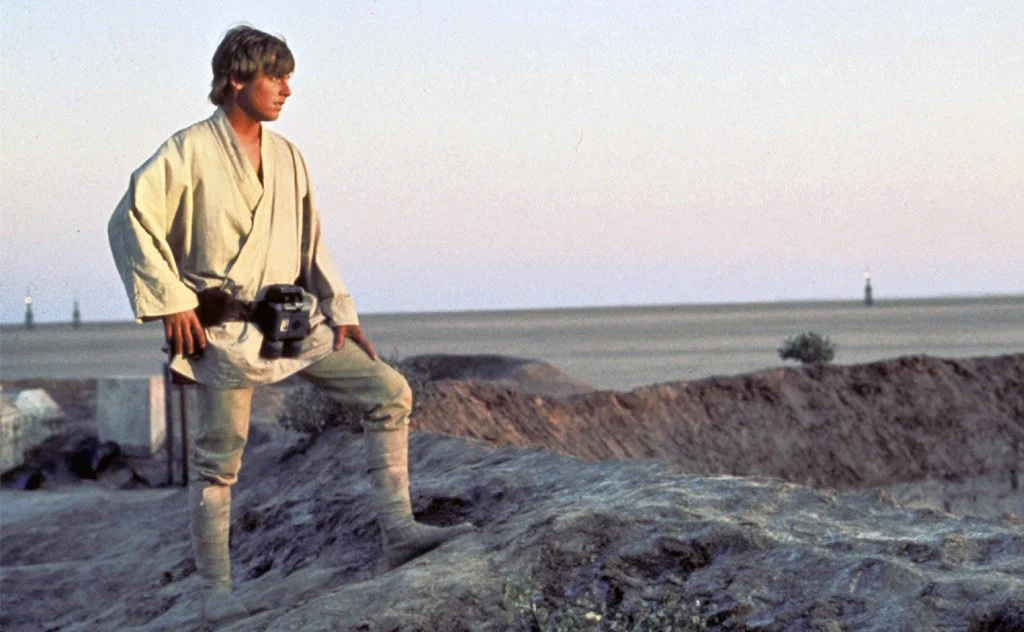
In the contemporary landscape, popular culture has become a significant interpreter of myth and archetype. From the foundational impact of Star Wars to a vast array of subsequent stories, media has sought to understand and harness the deep power and resonance of these ancient storyforms. While some narratives explicitly retell or allude to their mythic inspirations, as seen in the perennial popularity of Hades and Persephone retellings or the Percy Jackson series, it’s important to note that not all such adaptations delve into the deeper symbolic layers of the originals. The author argues that truly "mythic" fiction transcends mere character cosplay of ancient figures, asserting that many of our most impactful modern myths are, in fact, entirely original creations that speak to our contemporary subconscious.
The Crucial Distinction: Studying Myth vs. Crafting Mythic Fiction
As storytellers, regardless of genre, there’s an inherent drive to explore the symbolism and structural beats of mythic narratives. The enduring mysteries within these ancient tales resonate with our modern minds, creating an irresistible pull towards the "wyrd" stories of our ancestors and the liminal space between history and fantasy.

However, a crucial distinction lies between studying myth and writing genuinely mythic fiction. While retellings of old stories can certainly achieve mythic status, they are not inherently so. True mythic fiction, the author posits, is more than a mere rehashing of ancient narratives.
The inherent duality of myth lies in its symbolic language, which points to deeper, objective truths. Yet, as the author highlights, these ancient stories are subject to the phenomenon of "reconsolidation of memory." Each time a memory or an old story is accessed and retold, subtle alterations occur, gradually reshaping both its text and subtext. Even with extant written records, our ongoing engagement with these stories and symbols molds not only our individual perceptions but also broader cultural understanding.
This dynamic, while a source of myth’s enduring power – its ability to evolve and become deeply personal – can also lead to a thinning of our connection to its potency. We risk over-intellectualizing these narratives, attempting to "decode" their plot structures and character archetypes rather than tapping into their underlying generative force. The author’s central thesis emerges here: the path to writing truly mythic fiction for contemporary authors lies not in replicating ancestral narratives, but in accessing and channeling our own mythic interior to create stories relevant to our own times.
Borrowing Symbols vs. Accessing the Source of Symbol-Making
There is undeniable value in studying, appreciating, and internalizing the symbolic wisdom passed down through generations. These stories are recognized as mythic precisely because they transcend the mundane, speaking to us across millennia with a resonance that can be felt even when not consciously understood. However, a fundamental difference exists between borrowing existing myths and symbols and accessing our own personal connection to the raw, generative power of symbolism and narrative.

The author contends that in the creation of mythic fiction, the specific stories or characters themselves are often secondary. True mythic resonance doesn’t arise from mimicking plot structures or character archetypes verbatim. Instead, it stems from that electrifying moment of connection – when something within us ignites, and we experience a recognition that our symbolic mind grasps even before our conscious intellect can articulate it.
For contemporary writers aspiring to craft mythic fiction, the true quest is not merely to identify familiar symbols but to gain access to the inner wellspring of symbol-making itself. This requires delving deeper than intellectual exploration of ancient mythologies; it demands finding our way to the same primal source that empowered our ancestors to create stories so potent they remain foundational touchstones for humanity.
Inherited Myth vs. Living Myth: Cultivating an Inner Source
While inherited stories offer a valuable map for navigating our own mythic territories, generating truly profound fiction requires looking inward. The dream space from which stories arise is inherently mythic, a realm where storytellers can commune with spirits and symbols. When we delve deeply into this experience, our conscious attempts to dictate narrative outcomes often recede, replaced by a more organic process of "following along behind our characters and watching what they do," as famously described by William Faulkner. This state of creative flow is a direct gateway to mythology and archetype, even if its origins are not consciously recognized.
The Indispensable Role of Mythic Fiction in Times of Cultural Transformation
The distinctions explored are not merely academic exercises; they underscore the profound importance of mythic fiction, particularly during periods of societal flux. Mythic fiction, arguably the bedrock of all storytelling, possesses a unique capacity for initiating healing and growth through its potent, living symbolism. Its inherent ability to awaken a sense of aliveness within us, even when its meaning remains elusive, is what draws us in.

This capacity becomes critically important during moments of profound cultural transition. Humans have historically turned to stories for reorientation, not just entertainment, as societies undergo deconstruction and reinvention. Mythic narratives act as catalysts for processing change, their symbolism and metaphor enabling us to grapple with experiences too vast or strange for the conscious mind to fully comprehend.
The author outlines four key reasons why the creation of mythic fiction is particularly vital in our current era:
1. The Fading Resonance of Ancient Narratives
Despite their nominal prevalence, many of our ancient myths have faded from experiential understanding, or their deeper resonance has been diminished. In some cultures, these foundational stories have been actively suppressed, while in others, the passage of time and translation have rendered them mere historical curiosities or commoditized entertainment. The example of the film Gods of Egypt, which reduced a complex myth to an action spectacle, illustrates how fundamental alteration can fundamentally change our relationship with these powerful narratives.
2. The Essential Partnership of Intuition and Intellect
A common pitfall in engaging with myths and archetypes is an over-reliance on intellectualization. Archetypes can be reduced to a mere checklist of character types, and mythic narratives dissected solely for their plot mechanics. While studying and categorizing these elements holds value, the author emphasizes that archetype, symbol, and myth do not reside solely in the left brain. When they are confined to purely intellectual analysis, they become pale imitations of their true, vibrant selves. The true power lies in their ability to cross over into the intuitive and emotional realms.

3. Reconnecting Writers to the Deep Source of Story
For those who embrace an "inside-out" approach to writing, the current storytelling zeitgeist offers a powerful opportunity to find originality not by external observation but by seeking inspiration from within. Archetypes and myths are not exclusive gifts; they are an inherent birthright, residing within all of us. While technical skill is necessary for translating these inner visions onto the page, the true "genius" lies in accessing this innate capacity. Every story, intentional or not, carries archetypal weight. Writers, as creatives working with symbolism, are the keepers of these archetypes. The journey of a writer, much like a mythic quest, involves embracing this inherent magical capacity, trusting in the power of imagination to tap the deep subconscious. While learning from and mimicking others can build muscle memory, true mythic creation emerges when we surrender to the raw, intuitive truths of our own creative flow.
4. The Urgent Need for New Myths in a Shifting World
Perhaps most crucially, the author theorizes that society is on the cusp of needing "new" myths – stories that transcend the familiar and spark something novel within our collective imaginations. While foundational mythic structures like the Hero’s Journey are likely to persist due to the cyclical nature of life and narrative itself, our access point to their deeper vibrancy must be continually reinvented. Contemporary examples like Star Wars, Lord of the Rings, Harry Potter, and more recent phenomena such as Stranger Things and the A Court of Thorns and Roses series demonstrate the profound cultural impact of stories that tap into these archetypal currents, often within speculative fiction genres where symbolism naturally aligns with mythic language. While realism can also be mythic, its techniques can sometimes present challenges in translation.
The crucial insight here is that "new" myths will likely not be fundamentally different in their symbolic or thematic underpinnings from those that have come before. Instead, the innovation lies in how storytellers reinvent their connection to these enduring truths, creating stories that resonate with contemporary audiences on a profound, visceral level.
Reconnecting to Living Myth and the Symbolic Imagination
Ultimately, mythic fiction is not about imitation or the mere insertion of symbolic imagery. It is about cultivating trust in the persistent wellspring of symbolism that gave rise to the ancient myths, a wellspring that remains alive within us. The old stories serve as vital guides, helping us recognize the landscape of the deep and reminding us that storytelling has always been humanity’s portal to this sacred dream space.

The writer’s ultimate task is not merely to preserve mythology but to actively participate in it. This involves moving beyond intellectualization and embracing the practical, intuitive aspects of creative process. The author concludes by promising further exploration into concrete methods for reconnecting with living myth, including insights into intuition, dreamwork, symbolism, and the intricate relationship between archetype and story structure.
In conclusion, the enduring appeal of mythic fiction lies in its ability to connect us to something primal and universal within ourselves. In a world undergoing constant transformation, the creation of new myths, born from our own deep wells of imagination and symbolism, is not just an artistic pursuit but a vital act of cultural reorientation and personal growth. The power to weave these resonant narratives resides within each writer, waiting to be rediscovered and unleashed.