
The "Golden Note": Inside the Controversial Push for a $250 Bill Featuring Donald Trump
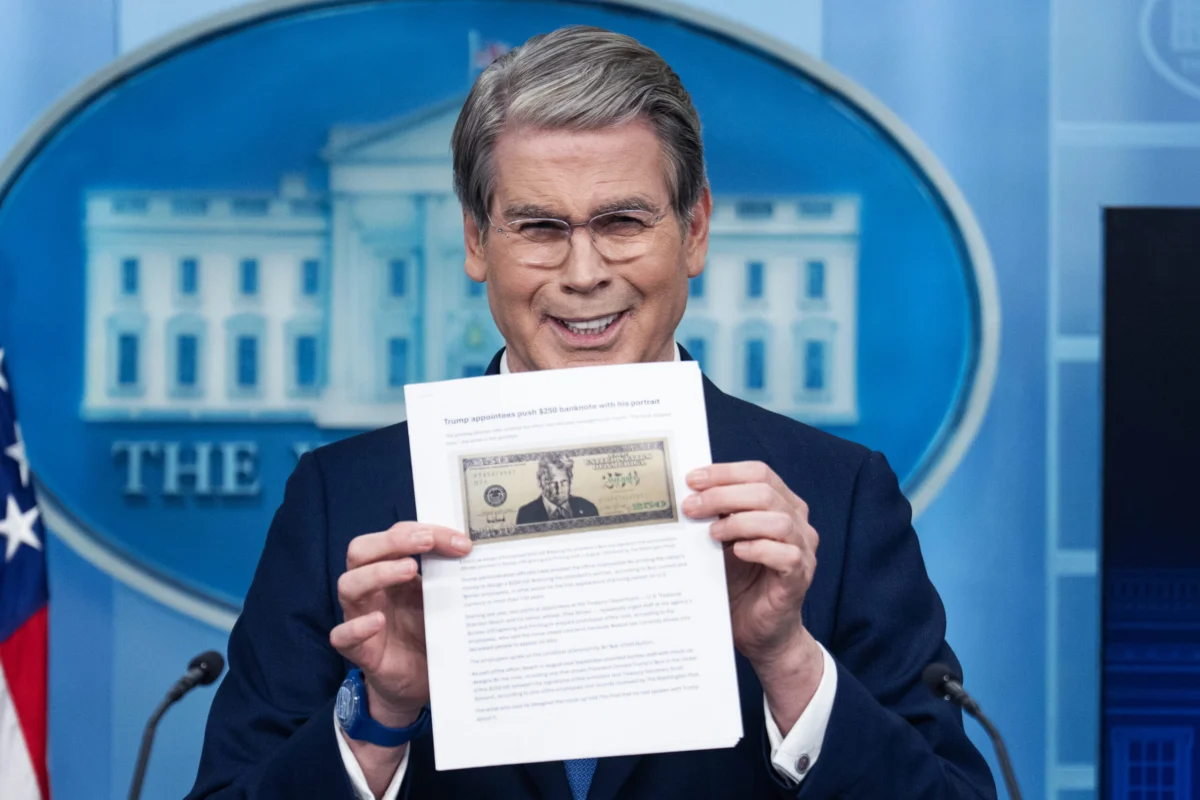
In an unprecedented move that has sent shockwaves through the halls of the Department of the Treasury and the Bureau of Engraving and Printing (BEP), reports have emerged detailing a high-level effort to introduce a $250 denomination to U.S. currency. According to investigative reporting by The Washington Post, two political appointees within the Treasury Department have been aggressively lobbying for the production of prototypes featuring the visage of Donald Trump.
The proposal, which ostensibly commemorates the upcoming 250th anniversary of the United States in 2026, represents a radical departure from nearly 160 years of American monetary tradition and law. Beyond the fiscal implications of introducing a new denomination, the project has ignited a firestorm of debate over the politicization of national symbols and the technical feasibility of altering the nation’s currency on an abbreviated timeline.
Main Facts: The Semiquincentennial Proposal
The core of the controversy centers on a $250 bill design commissioned from British contemporary artist Iain Alexander. Alexander, known for his vibrant, pop-art-influenced portraits of celebrities and political figures, has reportedly been in direct contact with the administration regarding the project.
According to Alexander, the project is not merely a conceptual exercise but a serious administrative ambition. The artist claims to have received direct aesthetic feedback from the President, who requested that the bill be "more colorful" and include a specific "logo"—a request that diverges sharply from the intricate, monochromatic intaglio printing that has defined U.S. banknotes for over a century.
The proposed bill features a dual-thematic structure:
- The Obverse (Front): A portrait of Donald Trump, intended to celebrate his role in the nation’s contemporary history.
- The Reverse (Back): A theme of "women’s liberation" featuring Betsy Ross, the Philadelphia seamstress traditionally credited with sewing the first American flag.
While the Treasury Department’s political leadership has championed the design as a bold tribute to the American Semiquincentennial, career officials at the U.S. Mint and the BEP have raised significant alarms regarding the legality, security, and logistical viability of the "Trump Note."
Chronology: From Concept to Bureaucratic Conflict
The timeline of the $250 bill project reflects a rapid escalation from an artistic concept to a legislative push.
- Late 2024 – Early 2025: Initial discussions begin within the Treasury Department regarding unique ways to mark the 250th anniversary of the Declaration of Independence. Political appointees suggest a new denomination—the $250 bill—to match the years of the republic.
- Spring 2025: Iain Alexander is brought into the fold. He begins drafting mock-ups and presents them to administration officials. According to Alexander, he eventually discusses the designs with the President directly, receiving notes to brighten the palette and incorporate branding elements.
- Late 2025: As the designs materialize, the administration realizes the legal roadblock presented by the 1866 Act of Congress. A quiet legislative effort begins to draft an exemption bill that would allow a living president to appear on currency.
- May 2026: Investigative reports reveal the extent of the project. Whistleblowers within the U.S. Mint express concern to the media, highlighting the disconnect between political desires and technical realities.
- Present: The Treasury Department faces mounting pressure to clarify whether taxpayer funds are being used for the prototyping of notes that are currently illegal to produce.
Supporting Data: The Legal and Technical Barriers
To understand the magnitude of this proposal, one must look at the rigid framework governing American currency.
The 1866 Legal Prohibition
Since the mid-19th century, U.S. law has strictly forbidden the depiction of any living person on federal securities or currency. This law was born out of a desire to distance the American Republic from European monarchies, where the faces of living kings and queens were common on coins and notes.
The specific statute, codified in 31 U.S. Code § 5114(b), states: "Only the portrait of a deceased individual may appear on United States currency and securities." This law was enacted following a scandal involving Spencer Clark, the first superintendent of the National Currency Bureau, who placed his own portrait on a 5-cent fractional note. The resulting public outcry led Congress to permanentize the "no living person" rule.
The Logistics of Banknote Production
Beyond the legal hurdles, the technical challenges are immense. Modern U.S. currency is among the most sophisticated printed products in the world. According to the Bureau of Engraving and Printing, the development cycle for a new banknote design typically takes 7 to 10 years.
Key technical requirements include:
- Anti-Counterfeiting Features: New notes must incorporate 3D security ribbons, color-shifting ink, watermarks, and security threads. Integrating these into a "colorful" design as requested by the President would require a complete overhaul of current security architecture.
- ATM and Vending Compatibility: Every automated teller machine and vending machine in the world that accepts U.S. dollars would need to be recalibrated to recognize a $250 denomination.
- Durability Testing: Currency must withstand thousands of folds, exposure to moisture, and chemical contact. Career officials note that "printing something overnight," as suggested by appointees, would result in a note that fails these basic reliability standards.
Official Responses and Internal Friction
The reaction within the federal government has been characterized by a sharp divide between political loyalists and career civil servants.
The Treasury’s Political Stance
Spokespeople for the political appointees involved have defended the project as an "innovative celebration of American excellence." They argue that the 250th anniversary justifies a break from tradition and that the $250 bill would become an instant collector’s item, potentially generating "seigniorage" profit for the government.
The "Deep State" of the Mint
Career employees at the U.S. Mint and the BEP have been far more skeptical. Speaking on the condition of anonymity, one senior Mint employee told The Washington Post:
"These guys think you can just print something overnight and it’s going to work in an ATM. It’s just crazy. It takes years and years to produce these notes so they are reliable for the public. You can’t just bypass the physics of engraving and the chemistry of security inks because of a political deadline."
The Artist’s Perspective
Iain Alexander remains optimistic but acknowledges the friction. While he speaks warmly of his interactions with the President—noting that Trump "likes to call me his favorite British artist"—he admitted to the Post that the project has slowed. He cited the President’s busy schedule as a reason for "difficulties getting regular feedback" on other 250th-anniversary art projects.
Implications: Currency as a Political Tool
The push for the "Trump $250 Note" carries profound implications for the future of American governance and the global perception of the U.S. Dollar.
1. The Erosion of Institutional Norms
For over a century, the design of U.S. currency has been treated as a matter of national heritage rather than partisan politics. By attempting to place a living president on a bill, the administration is seen by critics as attempting to transform the "Greenback"—a symbol of global stability—into a tool of personal branding. This mirrors a broader trend of challenging long-standing bureaucratic guardrails.
2. Global Market Confidence
The U.S. Dollar is the world’s primary reserve currency. Its value is rooted in the "full faith and credit" of the United States government. Financial analysts warn that treating currency design as a whim of the executive branch could signal a move toward the "personality cult" economies often associated with unstable regimes. If the world perceives that the Treasury Department is governed by political aesthetics rather than rigorous security and economic standards, it could impact the dollar’s status on the international stage.
3. The "Harriet Tubman" Precedent
The haste with which the $250 Trump bill is being pushed stands in stark contrast to the long-delayed effort to place Harriet Tubman on the $20 bill. That project, which began during the Obama administration, has faced repeated setbacks and delays. The juxtaposition of a decade-long delay for a historical figure like Tubman versus a "fast-tracked" note for a sitting president has drawn accusations of ideological hypocrisy.
4. The Future of the Semiquincentennial
As 2026 approaches, the debate over the $250 bill may overshadow other celebratory efforts. If the administration succeeds in passing a legislative exemption to the 1866 law, it would set a precedent for every future president to seek their own denomination, potentially leading to a fractured and confusing monetary system.
Conclusion
The proposed $250 bill remains, for now, a series of prototypes and a point of intense bureaucratic contention. While the vision of a "colorful" note featuring the 45th and 47th President and Betsy Ross appeals to the administration’s desire for a landmark anniversary tribute, it faces a formidable wall of legal statutes and technical requirements.
As the artist Iain Alexander continues to wait for feedback and Treasury appointees continue to push the BEP for progress, the "Trump Note" serves as a vivid case study in the tension between political ambition and the slow, deliberate machinery of the American state. Whether the bill ever reaches an ATM or remains a footnote in the history of unproduced currency will likely depend on the willingness of Congress to upend 160 years of precedent.




Leave a Comment