
Uncanny Magazine Podcast Unveils Episode 70A: A Testament to Speculative Fiction Excellence
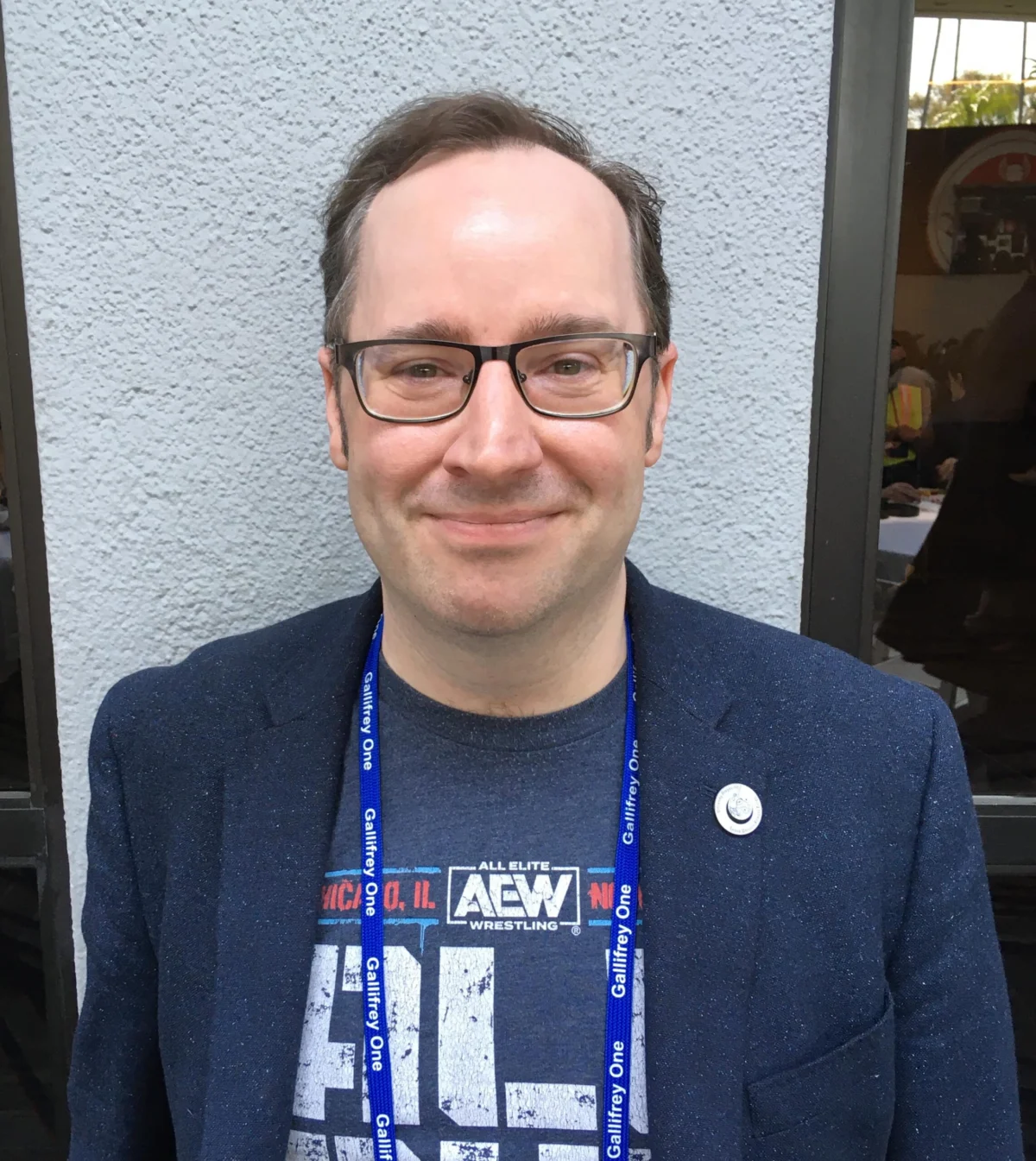
URBANA, IL – [Current Date] – Uncanny Magazine, a name synonymous with award-winning speculative fiction, has released Episode 70A of its acclaimed podcast, continuing its tradition of delivering high-quality audio content to a global audience. Curated and introduced by the magazine’s esteemed publisher and editor-in-chief, Michael Damian Thomas, the latest installment features a compelling short story, an evocative poem, and an insightful interview, further solidifying Uncanny‘s position as a cornerstone of the science fiction and fantasy landscape.
Episode 70A showcases the talents of both established and emerging voices within the genre, presenting a meticulously crafted auditory experience that exemplifies the magazine’s commitment to literary excellence and diverse storytelling. The episode is a vibrant tapestry woven from narrative artistry, poetic depth, and engaging discourse, offering listeners a multifaceted journey into the realms of the fantastic.
Main Facts: Unveiling Uncanny Magazine Podcast Episode 70A
The Uncanny Magazine Podcast, an offspring of the Locus Award-winning digital magazine, has consistently garnered critical acclaim and a dedicated following since its inception. Episode 70A, introduced by Michael Damian Thomas, is no exception, presenting a carefully selected array of content designed to captivate and provoke thought.
A Deep Dive into the Episode’s Offerings
The heart of Episode 70A lies in its curated literary selections. Listeners are first treated to "The Snatchers," a short story by the increasingly prominent author Eugenia Triantafyllou. Known for her unique blend of speculative elements with profound emotional depth, Triantafyllou’s work in "The Snatchers" promises to be a memorable addition to her growing bibliography. The story is brought to life through the skillful narration of Matt Peters, whose vocal talents imbue the narrative with an additional layer of immersion and dramatic resonance. Peters, a respected voice actor in the speculative fiction audio community, is adept at capturing the nuances of complex characters and intricate plots, ensuring Triantafyllou’s vision is faithfully conveyed.
Following the narrative journey, the podcast transitions to the poetic realm with "A Mermaid Looks at 40" by Fran Wilde. Wilde, a celebrated author and poet, brings her distinctive lyrical style to this piece, exploring themes that are both fantastical and deeply human. Her poetry often challenges conventional perspectives, inviting readers and listeners to contemplate the world through a fresh lens. The poem is read by Erika Ensign, whose interpretive delivery is known for enhancing the emotional impact and artistic subtleties of the works she performs. Ensign’s voice lends an ethereal quality to Wilde’s verses, creating a truly enchanting listening experience.
Concluding the episode is an illuminating interview where Michael Damian Thomas engages in a conversation with Eugenia Triantafyllou, the author of "The Snatchers." These interviews are a hallmark of the Uncanny Magazine Podcast, offering listeners a rare glimpse into the creative process, inspirations, and thematic underpinnings of the featured works. Thomas, with his extensive background in editing and publishing, is particularly skilled at drawing out insightful responses from authors, enriching the audience’s understanding and appreciation of the stories and the minds behind them. This segment serves not only as a deeper exploration of "The Snatchers" but also as a broader discussion about the craft of writing speculative fiction in the contemporary landscape.
The Creative Minds Behind the Mic
The production quality of the Uncanny Magazine Podcast is consistently high, a testament to the dedicated team working behind the scenes. Episode 70A, like its predecessors, was expertly produced by Erika Ensign and Steven Schapansky, collectively known as "The Uncanny Podcats." Their meticulous attention to audio engineering, pacing, and overall sound design ensures a seamless and professional listening experience. The podcast also features original music created by Null Device, a band whose unique soundscape perfectly complements the speculative and often ethereal nature of Uncanny Magazine‘s content. The collaboration between these talented individuals culminates in an auditory product that is both technically polished and artistically resonant. The copyright for the content is notably attributed to Michael Damian Thomas, dated 2026, indicating a forward-thinking approach to intellectual property and content management for the magazine’s robust archives.
Chronology: The Enduring Legacy of Uncanny Magazine and its Podcast
The release of Episode 70A is not merely a standalone event but another chapter in the rich history of Uncanny Magazine and its pivotal role in the speculative fiction genre. The magazine, founded on principles of inclusivity, literary merit, and imaginative storytelling, has quickly ascended to become one of the most respected platforms for science fiction and fantasy.
From Print to Podcast: A Journey of Excellence
Uncanny Magazine launched in 2014, quickly establishing itself as a "Space Age Magazine with a Fantasy Heart." From its inception, it has been committed to publishing diverse voices and groundbreaking narratives, attracting both established luminaries and promising new talents. The magazine’s dedication to quality quickly translated into a cascade of prestigious awards, including multiple Hugo Awards, British Fantasy Awards, World Fantasy Awards, and the Locus Award, among others.
The Uncanny Magazine Podcast emerged as a natural extension of the magazine’s mission, offering an accessible audio format for its celebrated content. Recognizing the growing popularity of podcasts and the demand for high-quality audio fiction, Uncanny embraced the medium, bringing its stories and poems to life through professional narration and production. This strategic move expanded its reach, allowing listeners to engage with speculative fiction during commutes, workouts, or quiet moments, fostering a deeper connection with the genre. The podcast itself has been honored with a Parsec Award, highlighting its excellence in the audio storytelling space and further cementing Uncanny‘s multi-platform success. The podcast format has allowed the magazine to reach an even wider audience, breaking down barriers of traditional print media and embracing the digital frontier of storytelling.
Michael Damian Thomas: A Pillar of Speculative Fiction
At the helm of Uncanny Magazine is Michael Damian Thomas, whose influence on the speculative fiction community extends far beyond his current role. Thomas is not just the publisher and editor-in-chief; he is a visionary whose career has been dedicated to championing imaginative literature. His extensive list of accolades speaks volumes about his impact. He has personally won nine Hugo Awards, a British Fantasy Award, a World Fantasy Award, and a Parsec Award in his various capacities, primarily for his work with Uncanny.
Before co-founding Uncanny Magazine, Thomas served as the Hugo Award finalist Managing Editor of Apex Magazine from 2012 to 2013, where he honed his editorial skills and developed a keen eye for exceptional storytelling. His editorial prowess is further evidenced by his work on several acclaimed anthologies, including the Hugo Award finalist essay collection Queers Dig Time Lords (Mad Norwegian Press, 2013), co-edited with Sigrid Ellis, and Glitter & Mayhem (Apex Publications, 2013), co-edited with John Klima and Lynne M. Thomas. He also co-edited the Locus Award finalist The Best of Uncanny (Subterranean Press, 2019) with Lynne M. Thomas, a collection that encapsulates the magazine’s journey of excellence.
Beyond his editorial duties, Thomas has been a significant voice in the SFF podcasting community, contributing to the popular SF Squeecast (alongside luminaries like Elizabeth Bear, Paul Cornell, Seanan McGuire, Lynne M. Thomas, and Catherynne M. Valente) and Down and Safe—Blake’s 7 podcast. He currently serves as the Content Editor of the widely popular It’s Storytime with Wil Wheaton podcast, further demonstrating his versatile contributions to the digital storytelling landscape.
Thomas’s professional life is complemented by a deeply personal narrative. He was formerly the full-time caregiver for his late daughter, Caitlin, who lived with the rare congenital disorder Aicardi syndrome. This personal experience undoubtedly imbues his work with a profound sense of empathy and a commitment to stories that explore the complexities of the human condition, even within fantastical settings. Michael Damian Thomas continues to reside in Urbana, Illinois, where he remains a driving force in the world of speculative fiction.

Supporting Data: The Pillars of Speculative Storytelling
The success of Uncanny Magazine and its podcast is built upon the strength of its contributors and the consistent quality of its content. Episode 70A highlights this by featuring authors and artists who are making significant contributions to the genre.
Eugenia Triantafyllou and "The Snatchers": A Voice to Watch
Eugenia Triantafyllou is a Greek writer whose work has quickly gained international recognition. Her stories often blend elements of horror, fantasy, and science fiction with a distinctive literary sensibility. She is known for exploring themes of identity, memory, and cultural heritage, frequently through the lens of unsettling or surreal situations. "The Snatchers" is likely to exemplify her signature style, challenging readers to confront uncomfortable truths wrapped in imaginative narratives. Her previous works have appeared in esteemed publications, earning her nominations and accolades, positioning her as a significant new voice whose narratives resonate deeply with contemporary anxieties and hopes. Her inclusion in Uncanny Magazine is a testament to her rising star in the SFF world.
Fran Wilde’s Poetic Resonance: "A Mermaid Looks at 40"
Fran Wilde is a multifaceted author, a Nebula Award winner, and a highly regarded poet whose work often blurs the lines between science fiction, fantasy, and literary fiction. Her poetry is celebrated for its vivid imagery, emotional depth, and insightful commentary on the human experience. "A Mermaid Looks at 40" suggests a poignant exploration of aging, identity, and the timeless allure of mythical figures in a modern context. Wilde’s ability to infuse the fantastical with profound realism makes her poetry particularly impactful. Her contributions to Uncanny have consistently elevated the magazine’s poetic offerings, demonstrating the vital role of poetry within the broader speculative fiction genre. Her command of language and her unique perspective make her a cherished voice among SFF enthusiasts.
The Art of Narration and Production
The quality of a podcast relies heavily on its narrators and producers. Matt Peters and Erika Ensign are seasoned professionals in the audio drama and audiobook world. Matt Peters has lent his voice to numerous speculative fiction stories, known for his clear diction and ability to convey a wide range of emotions, making him a sought-after narrator. Erika Ensign, in addition to her narration, is a formidable producer, alongside Steven Schapansky. Together, "The Uncanny Podcats" bring a wealth of experience in audio production, sound editing, and mixing. Their expertise ensures that each episode is not just a reading but a carefully constructed audio experience, free of technical glitches and rich in atmospheric detail. The background music by Null Device, known for their electronic and synth-pop influences, provides an additional layer of texture, subtly enhancing the mood without overshadowing the spoken word. This synergistic relationship between writers, narrators, and producers is what elevates the Uncanny Magazine Podcast to its award-winning status.
Uncanny Magazine‘s Award-Winning Trajectory
Uncanny Magazine‘s impressive collection of awards is not just a matter of prestige; it’s a quantitative measure of its consistent quality and impact. The multiple Hugo Awards signify recognition from the global science fiction community, chosen by fans themselves. The British Fantasy Award, World Fantasy Award, and Locus Award further underscore its literary merit and influence within the professional SFF landscape. These accolades are a direct result of the magazine’s editorial vision, which prioritizes compelling storytelling, diverse perspectives, and a commitment to pushing the boundaries of genre fiction. The podcast’s own Parsec Award is a testament to its excellence in the specific domain of audio content, demonstrating that Uncanny‘s commitment to quality extends across all its platforms.
Official Responses: Cultivating a Haven for Imagination
While the article doesn’t provide direct quotes for Episode 70A, Uncanny Magazine‘s enduring success allows for an interpretation of its "official response" as its established mission and the philosophy articulated by its leadership over time.
Michael Damian Thomas on the Vision for Uncanny
Michael Damian Thomas, as the driving force behind Uncanny, has consistently articulated a clear vision for the magazine and its podcast: to create a "Space Age Magazine with a Fantasy Heart" that champions diverse voices and exceptional speculative fiction. This vision translates into a commitment to publishing stories that are both thought-provoking and emotionally resonant, exploring complex themes with nuance and originality. In various interviews and editorials, Thomas has emphasized the importance of fostering a welcoming and inclusive space for creators and readers alike, one that reflects the breadth and depth of human experience through the lens of the fantastic. The podcast is an extension of this ethos, providing an accessible and engaging platform for these narratives to reach a wider audience, ensuring that the magic of Uncanny‘s stories is not limited by format. He often speaks of the podcast as a way to deepen the connection between the stories and the listeners, adding another sensory layer to the experience of reading.
The Magazine’s Commitment to Diverse Voices
Uncanny Magazine‘s "official response" is also embodied in its consistent dedication to promoting diverse voices and perspectives. The magazine has been a vanguard in publishing works by authors from various backgrounds, ensuring that the speculative fiction landscape is rich with a multitude of experiences and viewpoints. This commitment is evident in the selection of authors like Eugenia Triantafyllou and Fran Wilde, whose works often explore themes that resonate with contemporary societal discussions. By actively seeking out and showcasing a wide array of talent, Uncanny not only enriches its own content but also contributes significantly to the ongoing evolution and diversification of the genre as a whole. This proactive approach to inclusivity has earned it a reputation as a progressive and influential force in SFF.
Implications: Shaping the Future of Speculative Fiction Media
The ongoing success of the Uncanny Magazine Podcast, as exemplified by Episode 70A, carries significant implications for the future of speculative fiction and digital media.
The Podcast as a Gateway to Genre Exploration
For many listeners, podcasts serve as an invaluable gateway to discovering new authors, subgenres, and literary movements within speculative fiction. The Uncanny Magazine Podcast, with its carefully curated content, acts as a trusted guide, introducing audiences to the innovative storytelling that defines the genre today. By presenting a short story, a poem, and an interview in each episode, it offers a well-rounded introduction to the magazine’s aesthetic and the broader SFF landscape. This accessibility is crucial for attracting new readers and listeners, transforming casual interest into dedicated engagement with the genre. The audio format makes complex narratives more digestible and emotionally immediate, fostering a deeper connection with the material.
The Broader Impact on SFF Literature
The podcast’s influence extends beyond individual listener engagement. By providing an additional platform for its published works, Uncanny Magazine amplifies the reach and impact of its authors and poets. This visibility is vital for emerging writers like Eugenia Triantafyllou, helping them build their careers and connect with a wider audience. For established authors like Fran Wilde, it offers another avenue to share their work and reinforce their presence in the literary world. Moreover, the podcast contributes to the ongoing conversation about what constitutes "speculative fiction" in the 21st century, showcasing its versatility and its capacity to address pressing contemporary issues through imaginative narratives. It underscores the genre’s literary merit and its evolving role in the cultural discourse.
Accessibility and the Digital Frontier
In an increasingly digital world, the Uncanny Magazine Podcast represents the cutting edge of literary dissemination. Its availability on various podcast platforms makes high-quality speculative fiction accessible to anyone with an internet connection, regardless of geographical location or traditional reading habits. This digital accessibility democratizes literature, breaking down barriers that might exist with physical publications. Furthermore, the format caters to diverse learning styles and preferences, allowing individuals to consume stories in a way that best suits their lifestyle. The continued evolution and success of such podcasts signal a robust future for digital storytelling and the enduring appeal of speculative fiction in all its forms. The Uncanny team’s foresight in embracing this medium has cemented their place as innovators in the field.
Conclusion
Episode 70A of the Uncanny Magazine Podcast is more than just another installment in a popular series; it is a reaffirmation of the magazine’s unwavering commitment to excellence in speculative fiction. Under the masterful guidance of Michael Damian Thomas and the expert production of The Uncanny Podcats, the episode delivers a rich and diverse listening experience, featuring compelling narratives, evocative poetry, and insightful discussions. As Uncanny Magazine continues to garner awards and expand its influence, its podcast remains a vital component of its mission to champion imaginative storytelling, nurture diverse voices, and shape the evolving landscape of science fiction and fantasy for years to come. The future of speculative fiction, delivered directly to the ears of a global audience, continues to sound uncanny.


Leave a Comment