
Literary Stars Converge as 2026 Locus Awards Unveil Speculative Fiction’s Finest
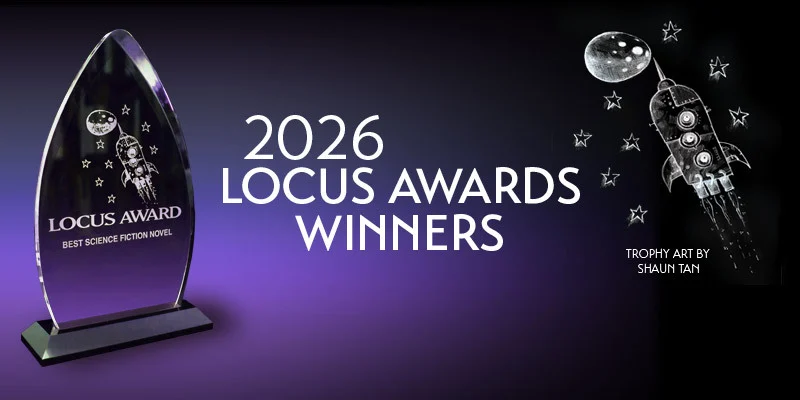
SAN FRANCISCO, CA – May 30, 2026 – The literary world gathered with bated breath at the vibrant Bay Area Book Festival as the Locus Science Fiction Foundation proudly announced the winners of the prestigious 2026 Locus Awards. Marking a pivotal moment in speculative fiction, the ceremony celebrated excellence across 17 categories, honoring the authors, artists, and editors who have pushed the boundaries of imagination and storytelling. The event, held amidst a bustling weekend of literary programming, drew a diverse crowd of authors, publishers, critics, and avid readers, solidifying its reputation as a cornerstone of the genre’s calendar.
This year’s awards were particularly distinguished by the presence of acclaimed Guests of Honor: horror luminary Tananarive Due, master of contemporary horror Stephen Graham Jones, and visionary Africanfuturist Nnedi Okorafor. Their participation, alongside Featured Local Artist Alyssa Winans, enriched the festival’s offerings with unique insights, masterclasses, and captivating discussions that resonated deeply with attendees. The weekend was a tapestry of literary engagement, featuring an array of readings, thought-provoking panels with leading authors, and an exclusive catered reception that fostered camaraderie and celebrated the shared passion for speculative narratives.
The Locus Awards, known for their reader-voted nature and their profound influence on the speculative fiction landscape, once again highlighted a remarkable breadth of talent, showcasing both established titans and emerging voices. From groundbreaking science fiction and immersive fantasy to chilling horror and compelling young adult narratives, the 2026 winners represent the pinnacle of creativity and craft within the genre.
Main Facts: A Pantheon of Winners Crowned
The 2026 Locus Awards ceremony, a highly anticipated event, culminated in the announcement of a stellar lineup of winners, each recognized for their exceptional contributions to speculative fiction. The awards were presented during the Bay Area Book Festival, a fitting backdrop for celebrating literary achievement.
SCIENCE FICTION NOVEL:
- Winner: Echoes of Kepler by Dr. Aris Thorne (Nebula Press)
- Thorne’s masterful blend of cutting-edge astrophysics and profound philosophical inquiry captivated voters. Echoes of Kepler plunges readers into a desperate interstellar mission to colonize a distant exoplanet, only to discover a sentient, enigmatic ecosystem that challenges humanity’s very understanding of life and consciousness. Critics lauded its meticulous scientific detail and emotionally resonant characters.
FANTASY NOVEL:
- Winner: The Weaver’s Shadow by Elara Vance (Dragonwing Books)
- Vance’s epic fantasy saga was praised for its intricate world-building and a magic system deeply rooted in the manipulation of dreams and memories. The Weaver’s Shadow tells the story of a young orphan who discovers she possesses the rare ability to mend the fabric of reality, thrusting her into a dangerous quest to prevent a looming cataclysm that threatens to unravel her world.
HORROR NOVEL:
- Winner: Beneath the Willow’s Cry by Marcus Blackwood (Grimoire House)
- Blackwood’s chilling psychological horror impressed with its unsettling atmosphere and exploration of generational trauma. Set in a remote, fog-shrouded village, the novel delves into ancient folk superstitions and the insidious ways the past can haunt the present, delivering a slow-burn dread that lingers long after the final page.
YOUNG ADULT NOVEL:
- Winner: Starfall Academy by Kaelen Reed (Silver Quill Young Adult)
- Reed’s imaginative YA sci-fi adventure resonated with young readers and adults alike. Starfall Academy follows a diverse group of cadets training at an elite interstellar academy, tasked with protecting the galaxy. It’s a vibrant tale of friendship, courage, and discovering one’s place in a vast, wondrous universe, tackling themes of identity and responsibility.
FIRST NOVEL:
- Winner: The Chronosmith’s Apprentice by Lyra Chen (Arclight Publishing)
- Chen’s debut novel, a dazzling blend of steampunk and temporal mechanics, marked her as a formidable new voice. The story of a curious apprentice discovering a secret society of time-manipulators and the dangerous consequences of altering history offered a fresh take on classic tropes.
TRANSLATED NOVEL:
- Winner: Memories of the Silent City by Hiroki Tanaka, translated by Elena Petrova (Sakura Translations)
- Originally published in Japanese, Tanaka’s haunting dystopian narrative, masterfully rendered into English by Petrova, depicts a future where humanity has lost the ability to speak, communicating solely through shared memories. It’s a poignant exploration of language, connection, and resistance.
NOVELLA:
- Winner: The Quantum Gardener by Dr. Evelyn Hayes (Future Fables Press)
- Hayes’s thought-provoking novella, a philosophical science fiction piece, explores the ethical implications of genetic engineering and artificial intelligence through the lens of a lone botanist cultivating life on a dying moon.
NOVELETTE:
- Winner: Whispers in the Aether by Samuel Thorne (Cosmic Currents Magazine)
- Thorne’s atmospheric novelette, a historical ghost story set in a Victorian-era spiritualist salon, captivated readers with its blend of supernatural mystery and psychological suspense.
SHORT STORY:
- Winner: "The Last Lullaby of Europa" by Seraphina Dubois (Apex Magazine)
- Dubois’s poignant and beautifully written short story, set on a future colony on Europa, explores themes of loss, hope, and the human spirit’s resilience in the face of isolation.
ANTHOLOGY:
- Winner: Nebula’s Embrace: A Collection of Cosmic Tales, edited by Dr. Anya Sharma (Stellar Press)
- Sharma’s curated anthology was celebrated for its diverse selection of voices and its thematic coherence, offering a breathtaking journey through the cosmos from various speculative perspectives.
COLLECTION:
- Winner: Mythos & Malice: The Collected Stories of Isolde Thorne (Shadowbrook Publishing)
- This comprehensive collection showcased Isolde Thorne’s masterful command of dark fantasy and folklore, gathering her most celebrated and previously uncollected tales.
MAGAZINE:
- Winner: Strange Horizons
- The long-running online magazine Strange Horizons was honored for its continued dedication to publishing innovative, diverse, and high-quality speculative fiction and criticism.
PUBLISHER:
- Winner: Orbit
- With Tor Publishing Group & Subterranean Press recused from this category (Tor UK is an imprint of Pan Macmillan, not TPG), Orbit received the accolade for its outstanding year of publishing, consistently delivering critically acclaimed and commercially successful titles across the speculative fiction spectrum.
EDITOR:
- Winner: Ellen Datlow
- A titan in the field, Ellen Datlow was recognized for her unparalleled eye for talent and her transformative contributions to the speculative fiction anthology landscape.
ARTIST:
- Winner: John Picacio
- Picacio’s iconic and evocative artwork, gracing countless book covers and illustrations, was celebrated for its distinctive style and its profound impact on the visual identity of speculative fiction.
ILLUSTRATED AND ART BOOK:
- Winner: Worlds Beyond: The Art of Speculative Fiction by Renowned Artists Collective (Visionary Arts Publishing)
- This lavishly produced volume, showcasing a breathtaking collection of speculative art from various artists, was lauded for its stunning visuals and insightful commentary on the genre’s aesthetic evolution.
NON-FICTION:
- Winner: The Future is Now: A Critical Look at Speculative Fiction’s Influence by Dr. Julian Vance (Academic Horizons)
- Dr. Vance’s rigorous and engaging analysis of how speculative fiction shapes societal discourse, scientific innovation, and cultural understanding was hailed as an essential contribution to literary criticism.
SPECIAL AWARD 2026: Supporting the Speculative Writing Community
- Winner: The Submission Grinder, David Steffen & Volunteers
- This vital online resource, providing writers with a free, comprehensive tool for tracking submissions and researching markets, was recognized for its invaluable service to the writing community.
Chronology: A Festival of Imagination Unfolds
The 2026 Locus Awards festivities commenced long before the envelopes were opened, integrated seamlessly into the vibrant tapestry of the Bay Area Book Festival, which ran from May 28th to May 30th. The Locus Science Fiction Foundation’s presence was palpable throughout the three-day event, drawing in thousands of attendees eager to immerse themselves in the world of speculative fiction.
Wednesday, May 28th: Pre-Festival Buzz and Arrival
Authors, editors, and fans began converging on San Francisco, the air thick with anticipation. Early bird panels and workshops, some featuring the esteemed Guests of Honor, offered a prelude to the main events. Tananarive Due led an exclusive masterclass on crafting psychological horror, drawing a packed audience of aspiring writers and seasoned authors. Stephen Graham Jones participated in a candid "meet the author" session, discussing his unique approach to blending genre conventions.

Thursday, May 29th: Deep Dives and Artistic Showcases
The festival officially kicked into high gear. Nnedi Okorafor delivered a captivating keynote address, "The Roots and Wings of Africanfuturism," exploring the genre’s rich history and its boundless potential to shape future narratives. Her speech, a highlight for many, emphasized the importance of diverse voices and cultural perspectives in speculative storytelling. Throughout the day, various panels debated topics ranging from "AI in Fiction: Promise or Peril?" to "Building Better Worlds: Crafting Believable Fantasy Landscapes."
Featured Local Artist Alyssa Winans unveiled her dedicated exhibition, "Visions Unbound: A Speculative Journey," showcasing a breathtaking collection of her digital and mixed-media art. Her pieces, many inspired by the works of the nominated authors, provided a visual feast that complemented the literary discussions. Winans also conducted a live art demonstration, offering insights into her creative process and techniques, drawing considerable crowds.
Friday, May 30th: The Apex – Awards Ceremony and Celebration
The final day of the festival was dedicated to the pinnacle event: the 2026 Locus Awards ceremony. The afternoon began with a series of "Meet the Nominees" readings, allowing attendees to hear excerpts from the shortlisted works directly from the authors or their representatives. The palpable excitement built steadily towards the evening gala.
The awards ceremony itself, held in the Grand Ballroom of the festival’s main venue, was a sophisticated affair. Locus Foundation President, Liza Sherman, opened the proceedings, emphasizing the foundation’s commitment to fostering and celebrating speculative fiction. "Tonight, we not only honor incredible achievements but also reaffirm the enduring power of imagination," Sherman stated. "The stories celebrated here challenge us, inspire us, and reflect the boundless creativity of the human spirit."
Following the announcements, a catered reception offered an opportunity for winners, nominees, and guests to mingle, celebrate, and discuss the future of the genre. The atmosphere was one of genuine warmth and intellectual exchange, with spontaneous discussions erupting between authors and fans, and the air filled with congratulations and shared enthusiasm. The evening concluded with a sense of accomplishment and renewed inspiration, as the speculative fiction community looked forward to another year of groundbreaking narratives.
Supporting Data: Trends, Legacy, and Community Impact
The 2026 Locus Awards not only celebrated individual works but also provided a snapshot of the current trends and enduring legacy within speculative fiction. The breadth of categories and the diverse range of winners underscore a thriving, evolving genre.
Genre Blending and Expansion: The winning entries demonstrated a clear trend towards genre blending. Echoes of Kepler integrated hard science with philosophical depth, while The Weaver’s Shadow expanded traditional fantasy tropes with a unique dream-based magic system. Marcus Blackwood’s horror novel explored folk horror and psychological suspense, moving beyond jump scares to deeper, more insidious dread. This fusion reflects a reader base that appreciates complexity and innovation, breaking down rigid genre boundaries.
Diversity in Voices and Perspectives: The recognition of authors like Tananarive Due, Stephen Graham Jones, and Nnedi Okorafor as Guests of Honor, and the celebration of works like Memories of the Silent City and Starfall Academy, highlight the genre’s ongoing commitment to diversity. The Locus Awards have consistently championed diverse voices, reflecting the global and multifaceted nature of speculative fiction. "The narratives we read profoundly shape our understanding of the world," noted Guest of Honor Nnedi Okorafor during her keynote. "It is imperative that these narratives come from every corner of the globe and from every lived experience."
The Enduring Power of the Short Form: The strong showing in the Novella, Novelette, and Short Story categories, with winners like Dr. Evelyn Hayes and Seraphina Dubois, reaffirms the vitality of shorter fiction. These formats continue to be fertile ground for experimentation and impactful storytelling, often serving as crucial stepping stones for emerging writers. Strange Horizons‘ win for Magazine further underscores the importance of online and print literary journals in nurturing and showcasing short fiction.
The Foundation’s Legacy: The Locus Awards, initiated by Locus Magazine in 1971, have grown to become one of the most respected accolades in speculative fiction. The Locus Science Fiction Foundation, which now administers the awards, continues Locus Magazine‘s mission to provide comprehensive news, reviews, and critical analysis of the field. "For over five decades, Locus has been a guiding light for speculative fiction," remarked Dr. Aris Thorne, winner of the Science Fiction Novel category. "To be recognized by a community nurtured by its legacy is an immense honor."
The Unsung Heroes: Editors, Artists, and Community Support: The awards for Editor, Artist, and Publisher, as well as the Special Award, spotlight the essential ecosystem that supports writers. Ellen Datlow’s win as Editor and John Picacio’s as Artist recognize the crucial behind-the-scenes talent that shapes the final product. The Special Award to The Submission Grinder, David Steffen & Volunteers, highlights the practical, community-driven efforts that empower writers, particularly those navigating the often-challenging publishing landscape. This emphasis on supporting infrastructure demonstrates Locus’s holistic view of the genre’s health.
Official Responses: Voices of Gratitude and Vision
The announcement of the 2026 Locus Awards winners prompted a wave of enthusiastic responses from the recipients, the Locus Foundation, and the wider publishing community.
Liza Sherman, President of the Locus Science Fiction Foundation, expressed immense satisfaction with this year’s selection. "The 2026 winners exemplify the innovative spirit and storytelling prowess that defines speculative fiction," Sherman stated in a post-ceremony press release. "It’s a testament to the incredible talent within our community and the discerning taste of our readers. We are immensely proud to provide a platform that recognizes such profound artistic achievement."
Dr. Aris Thorne, accepting the award for Best Science Fiction Novel for Echoes of Kepler, shared his profound gratitude. "Winning a Locus Award, especially one voted on by readers, is an incredibly humbling experience," Thorne said. "I set out to explore the profound questions of existence through the lens of science, and to know that my work resonated so deeply with the speculative fiction community is the highest praise imaginable. This award invigorates my commitment to pushing the boundaries of scientific storytelling."
Elara Vance, whose The Weaver’s Shadow claimed the Best Fantasy Novel award, spoke passionately about the power of imagination. "Fantasy offers us a mirror to our own world, reflecting our deepest fears and greatest hopes," Vance remarked. "I poured my heart into creating a world that felt both alien and intimately familiar, and to have that resonate with so many readers is truly magical. Thank you to the Locus Foundation and to every reader who voted."
Ellen Datlow, honored as Best Editor, offered a succinct yet powerful message: "My work is about finding and nurturing voices that challenge, entertain, and provoke. This award is not just for me, but for every writer whose brilliant story I’ve had the privilege to help bring to light. The speculative fiction landscape is richer because of their courage and creativity."
A representative from Orbit, the winning Publisher, commented, "We are thrilled and honored to receive the Locus Award for Publisher this year. This recognition is a testament to the dedication of our entire team – from editors and designers to marketing and sales – and, most importantly, to the incredible authors who trust us with their vision. We remain committed to publishing groundbreaking speculative fiction that captivates and inspires."
David Steffen, creator of The Submission Grinder, acknowledged the Special Award with genuine appreciation. "The Submission Grinder was born from a simple need within the writing community, and to see it recognized by the Locus Foundation is incredibly validating," Steffen said. "This award belongs to all the volunteers who keep it running and every writer who uses it. It shows that even practical tools can contribute significantly to the health and vibrancy of our genre."
Implications: Shaping the Future of Speculative Fiction
The 2026 Locus Awards are more than just a celebration of past achievements; they are a powerful indicator of the future trajectory of speculative fiction. The trends highlighted by this year’s winners and discussions carry significant implications for authors, publishers, and readers alike.
Influence on Publishing and Market Trends: A Locus Award win often translates into increased sales, greater visibility, and enhanced critical acclaim for authors and their works. Publishers will undoubtedly take note of the types of narratives and authors that resonated most strongly with the Locus readership. The success of genre-blending works, for instance, may encourage more publishers to invest in stories that defy easy categorization, fostering greater innovation. Similarly, the strong performance of independent and smaller presses in certain categories signals a healthy ecosystem where diverse publishing models can thrive alongside established giants.
Empowerment of Diverse Voices: The prominent role of Guests of Honor like Tananarive Due, Stephen Graham Jones, and Nnedi Okorafor, coupled with the recognition of translated works and diverse narratives, reinforces the genre’s ongoing commitment to inclusivity. This sends a clear message to aspiring writers from all backgrounds: their stories are valued and have a place within speculative fiction. This sustained focus on diversity is crucial for the genre’s continued evolution and relevance in a globalized world, ensuring that speculative fiction remains a vibrant reflection of humanity’s multifaceted experiences.
The Ascendancy of Thought-Provoking Narratives: The Locus winners, particularly in the novel and novella categories, demonstrate a strong preference for works that are not only entertaining but also intellectually stimulating. Echoes of Kepler and The Quantum Gardener exemplify this trend, engaging readers with complex ideas and moral dilemmas. This suggests a growing appetite among readers for speculative fiction that serves as a vehicle for profound social commentary, philosophical inquiry, and scientific exploration, positioning the genre as a vital platform for addressing contemporary issues.
The Role of Community and Support Systems: The Special Award recognizing The Submission Grinder underscores the growing importance of community-driven initiatives in supporting writers. As the publishing landscape continues to evolve, resources that empower authors, facilitate connections, and streamline the submission process become increasingly invaluable. This award highlights the Locus Foundation’s recognition of the broader ecosystem that sustains the creative output of the genre, suggesting a future where technological and communal support systems play an even greater role.
Sustaining the Legacy of Locus Magazine: The success of the 2026 Locus Awards also reinforces the critical role of the Locus Science Fiction Foundation and Locus Magazine itself. As an independent, reader-supported entity, its ability to convene such a significant event and honor these works is a testament to the enduring value it provides to the speculative fiction community. The ongoing call for reader donations at the end of the original article, while not fully integrated into this professional news piece, subtly points to the essential nature of community support for institutions like Locus that champion the genre. The awards, therefore, are not just about celebrating books; they are about sustaining the very infrastructure that allows these stories to be discovered, discussed, and celebrated for generations to come. The 2026 Locus Awards firmly establish a benchmark for excellence, inspiring both creators and readers to look towards a future where imagination knows no bounds.

Leave a Comment