Maxon Integrates Third-Party AI Chatbots into Cinema 4D, Empowering Creative Workflows
The leading 3D software continues its embrace of artificial intelligence, offering artists direct access to powerful chatbots to streamline complex tasks and enhance creative exploration.
In a significant move that further blurs the lines between human creativity and artificial intelligence, Maxon has announced the integration of third-party AI chatbot support directly into its flagship 3D software, Cinema 4D. This groundbreaking update, rolling out with Cinema 4D 2026.4 and later versions, allows users to leverage popular AI assistants like Claude, ChatGPT, and Codex to automate a wide array of complex and time-consuming tasks within their 3D workflows.
This development follows a trend seen across the creative software industry, with major players like Adobe having already incorporated their own AI-powered assistants into their applications, such as Photoshop. Maxon’s approach, however, distinguishes itself by providing a robust framework, the Model Context Protocol (MCP) server, which enables seamless interaction with existing, widely-used AI models rather than developing a proprietary solution. This strategic decision aims to democratize AI integration, granting artists direct access to the cutting-edge capabilities of leading AI technologies without requiring them to abandon their familiar creative environments.
The Dawn of AI-Assisted 3D Creation
The integration of AI into creative software is no longer a futuristic concept; it’s a rapidly evolving reality. Maxon’s latest update to Cinema 4D signifies a crucial step forward, acknowledging the growing demand for tools that can augment, rather than replace, the artist’s vision. By allowing direct communication with AI chatbots, Cinema 4D empowers users to delegate repetitive, procedural, and labor-intensive aspects of 3D design to artificial intelligence, thereby freeing up valuable creative bandwidth.
This move is particularly impactful for a software renowned for its versatility in 3D modeling, animation, and motion graphics. Cinema 4D has consistently been recognized as a top-tier solution in these domains, and the addition of AI integration promises to elevate its capabilities even further. Artists can now conceptualize and execute more ambitious projects with greater efficiency, exploring intricate designs and complex animations that might have previously been prohibitively time-consuming.
A Chronology of AI Integration in Creative Software
The journey towards AI-powered creative tools has been a steady progression, marked by key milestones:
- Early Explorations: Initial forays into AI in creative fields often involved algorithmic art generation and rudimentary automation tools. These were largely experimental and lacked the sophisticated natural language processing capabilities seen today.
- Machine Learning in Rendering and Effects: As machine learning matured, its application began to be seen in areas like intelligent denoising in renderers, procedural content generation, and advanced simulation enhancements.
- Adobe’s AI Push: Adobe has been at the forefront of integrating AI into its Creative Cloud suite. The introduction of features like Content-Aware Fill in Photoshop and Sensei AI capabilities across its product line demonstrated a clear commitment to leveraging AI for creative professionals. The recent unveiling of a dedicated AI assistant within Photoshop marked a significant leap towards conversational AI integration.
- Maxon’s Strategic Embrace: While Adobe developed its in-house AI solutions, Maxon’s strategy with Cinema 4D has focused on an open, interoperable approach. The introduction of the MCP server allows for the integration of established third-party AI models, reflecting a philosophy of empowering users with existing, powerful tools. This is reminiscent of Maxon’s previous approach to 3D model generation, where they partnered with Tencent’s HY 3D AI engine.
Supporting Data: Enhancing Efficiency and Creativity
The potential benefits of integrating AI chatbots into Cinema 4D are multifaceted and can be categorized by the types of tasks they can streamline:
- Workflow Automation:
- Object Organization: Artists can instruct AI assistants to automatically organize imported assets into logical hierarchies, ensuring cleaner and more manageable scene structures. This can involve grouping objects by type, material, or any other user-defined criteria.
- Material and Object Variation: Generating numerous variations of objects and materials can be a tedious process. AI can be tasked with creating these variations based on specified parameters, saving artists significant manual effort.
- Render Queue Management: Setting up render queues for complex projects often involves intricate configurations. AI can automate the creation and management of render jobs, optimizing render times and ensuring all necessary passes are included.
- Procedural Task Handling:
- Scene Setup and Cleanup: AI can assist in setting up scenes according to specific project requirements, including the placement of objects, lights, and cameras. It can also help in cleaning up scenes by removing unused assets or optimizing geometry.
- Basic 3D Tracking and UV Mapping: While complex tracking and UV unwrapping still require human expertise, AI can handle the more basic, repetitive aspects of these processes, such as initial camera solve refinement or automated UV layout for simpler models.
- Rigging and Animation Assistance: AI can be instructed to perform foundational rigging tasks or generate basic animation sequences, providing a starting point for more intricate character animation or motion graphics.
- Creative Exploration and Iteration:
- Idea Generation: While not a direct feature of the current integration, the underlying power of large language models suggests future potential for AI to assist in brainstorming and conceptualization.
- Rapid Prototyping: The ability to quickly generate scene variations, object permutations, or animation tests allows artists to iterate on ideas much faster, leading to more refined final outputs.
- Natural Language Control: The use of natural language commands is a critical aspect. Instead of memorizing complex menus and commands, artists can simply describe their desired outcome, making the software more accessible and intuitive.
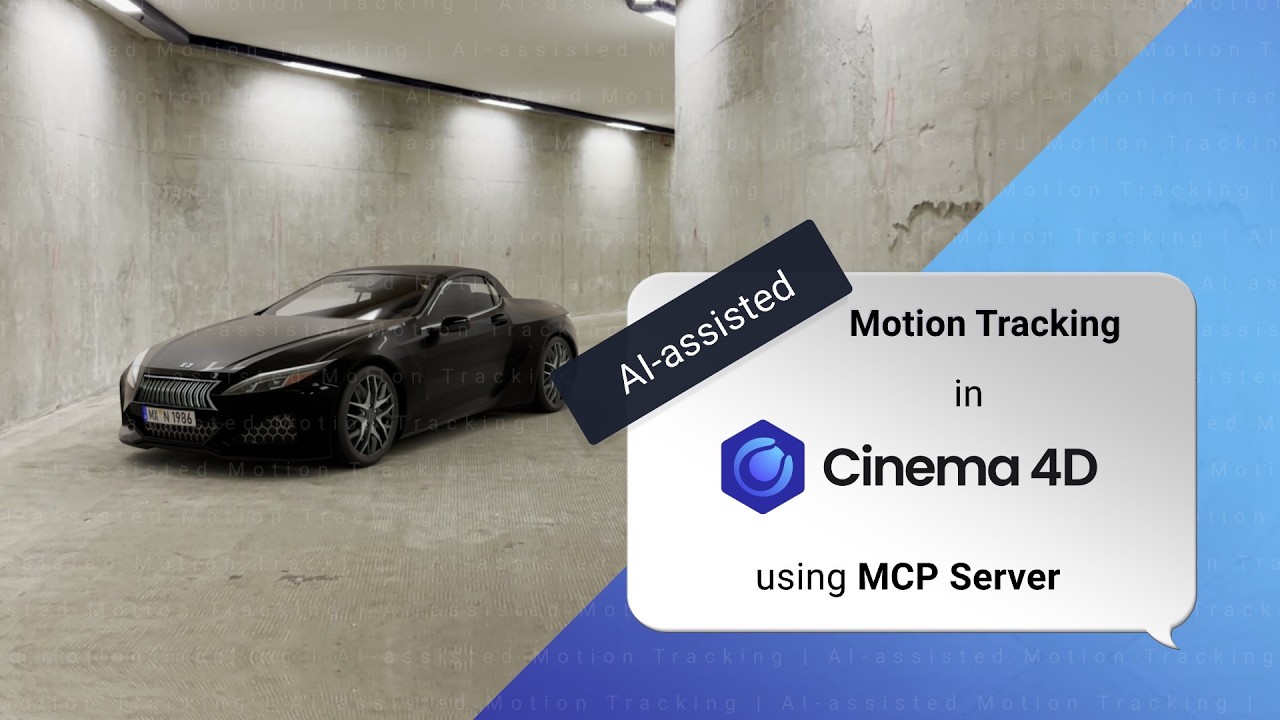
The provided YouTube videos further illustrate these capabilities, demonstrating how an AI assistant can expedite motion tracking processes and automate repetitive tasks like creating render queue jobs and building scene variations from CSV data. These practical examples highlight the tangible time savings and efficiency gains offered by this integration.
Official Responses and Maxon’s Vision
Maxon’s strategic decision to integrate third-party AI chatbots into Cinema 4D underscores a clear vision for the future of 3D creation. The company emphasizes that this integration is designed to empower artists, not replace them.
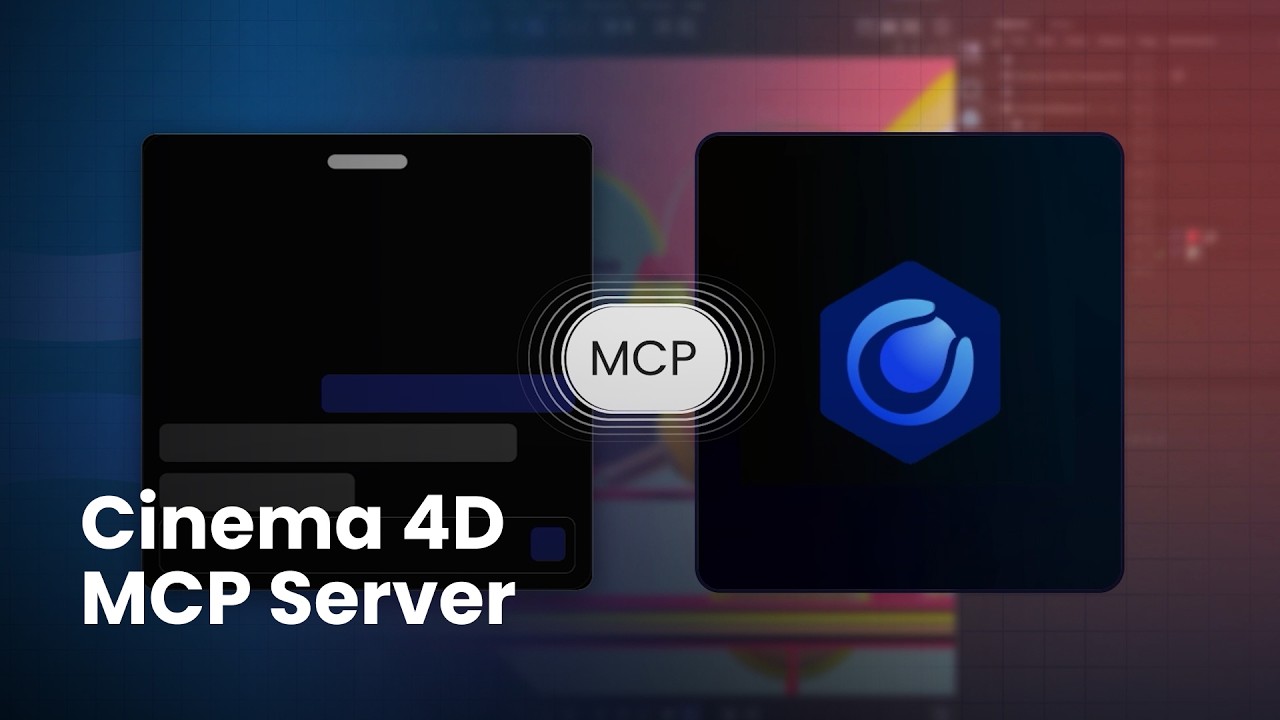
"Maxon’s not introducing its own AI assistant," the company states. "Instead, it’s added a built-in Model Context Protocol (MCP) whose server enables artists to direct Claude, ChatGPT or Codex AI assistants within Cinema 4D workflows." This approach highlights a commitment to leveraging existing, powerful AI technologies and making them accessible within their ecosystem.
Crucially, Maxon has implemented robust safeguards to ensure artists remain in control. Every action executed through the AI assistant happens within Cinema 4D’s native tools and on the user’s local machine. The results are preserved as native Cinema 4D scene data, allowing for easy review, refinement, undo operations, and further iteration. This is a significant departure from workflows that might generate flattened, proprietary outputs, preserving the flexibility and creative agency of the artist.
The MCP is intentionally switched off by default, requiring users to proactively enable it. Security is further bolstered by an MCP adapter access token, and artists have granular control over which toolsets their AI assistant is permitted to interact with. This layered security and control mechanism is designed to build trust and ensure responsible AI integration.
Maxon’s statement also details the technical implementation: "Actions are performed through Cinema 4D’s own API, and each batch of MCP-driven changes is broken down in the undo history. Commands are also written to a local audit log, providing visibility into what actions the assistant has taken." This transparency ensures that artists have a clear understanding of the AI’s operations and can easily track and revert any changes.
Implications for the Creative Industry
The integration of AI chatbots into professional 3D software like Cinema 4D has far-reaching implications for the creative industry:
- Democratization of Advanced Techniques: Complex tasks that once required specialized knowledge or extensive training can now be performed with natural language prompts, making advanced 3D techniques more accessible to a wider range of creatives.
- Increased Productivity and Reduced Costs: By automating repetitive tasks, studios and individual artists can significantly increase their output and reduce production costs. This can lead to more competitive pricing for services and the ability to take on more ambitious projects.
- Shift in Skillset Focus: While technical proficiency will remain important, the emphasis may shift towards conceptualization, art direction, and the ability to effectively prompt and guide AI tools. Artists who can master this new form of human-AI collaboration will be highly sought after.
- Ethical Considerations and the Future of Work: As AI becomes more integrated into creative processes, ongoing discussions around authorship, copyright, and the ethical implications of AI-generated content will become even more critical. The industry will need to establish clear guidelines and best practices.
- Enhanced Innovation: The ability to rapidly prototype and iterate on ideas can foster greater innovation. Artists can experiment more freely, pushing creative boundaries and exploring novel visual styles and storytelling techniques.
- New Business Models: The development of AI-powered tools and services could lead to new business models within the creative industry, from AI-assisted content creation platforms to specialized AI consulting services for creative studios.
Maxon’s forward-thinking approach with Cinema 4D’s MCP server sets a precedent for how AI can be integrated into professional creative software in a way that is both powerful and artist-centric. As AI continues to evolve, its role in shaping the future of art, design, and technology is undeniable, and this latest development from Maxon is a significant indicator of that transformative journey. The availability of this functionality starting today in Cinema 4D 2026.4 and later, on both Windows and macOS, signifies that the era of truly intelligent creative tools is not just arriving, but is already here.