A Hero’s Journey Reimagined: Inside ‘Dragon Quest: The Dive’ and the Future of Immersive Retrospectives
Forty years ago, the landscape of interactive entertainment was forever altered by a series of handwritten notes. What began as a conceptual draft by Yuji Horii at Chunsoft—penciled onto standard Enix company stationery—has blossomed into one of the most enduring and iconic intellectual properties in global gaming history. Dragon Quest is more than a franchise; in Japan, it is a cultural institution, a rite of passage, and the foundational blueprint for the Japanese Role-Playing Game (JRPG) genre.
To celebrate four decades of slimes, swords, and sorcery, a new experimental exhibition titled "Dragon Quest: The Dive" has opened in Tokyo’s Harajuku district. This retrospective seeks to answer a difficult question for any long-running franchise: How do you honor forty years of history without becoming a dry, static museum? The answer, according to the organizers, lies in the integration of Virtual Reality (VR) and sensory immersion. However, as the exhibition pushes the boundaries of how fans interact with their favorite worlds, it also raises questions about the cost of immersion and the balance between archival education and theme-park spectacle.
Main Facts: Celebrating Four Decades of the JRPG Pioneer
"Dragon Quest: The Dive" is a multi-sensory exhibition designed to commemorate the 40th anniversary of the series. Located in the heart of Tokyo, the event is partitioned into three distinct zones, each utilizing different methods to engage the audience.
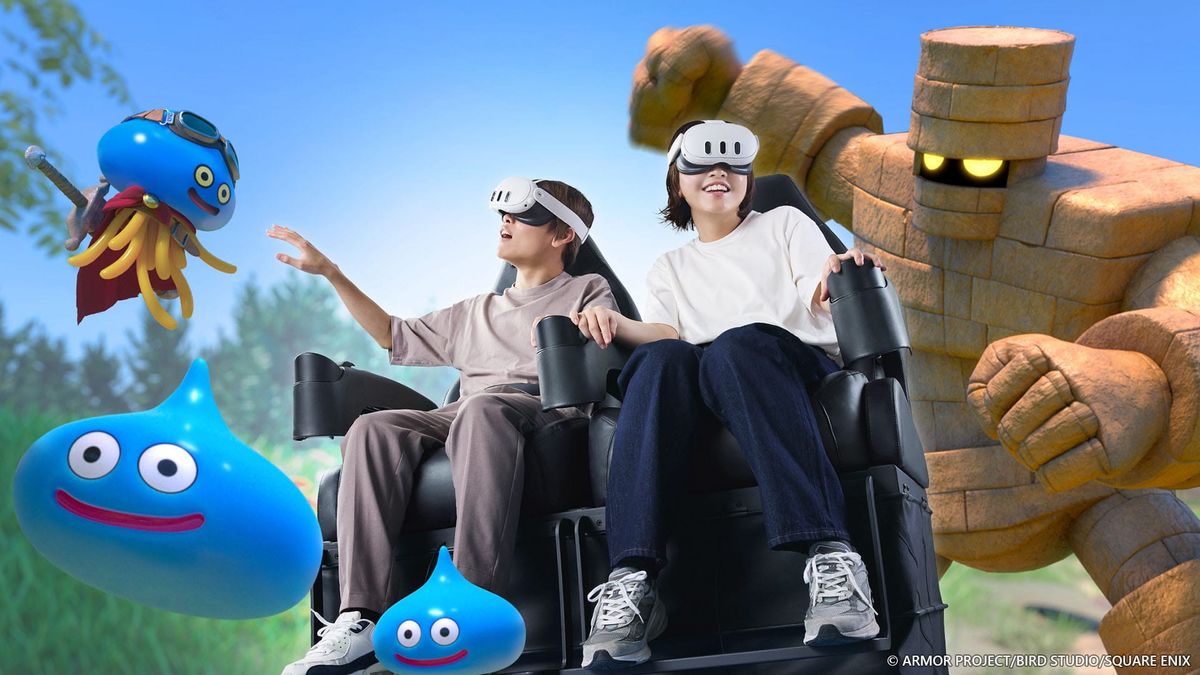
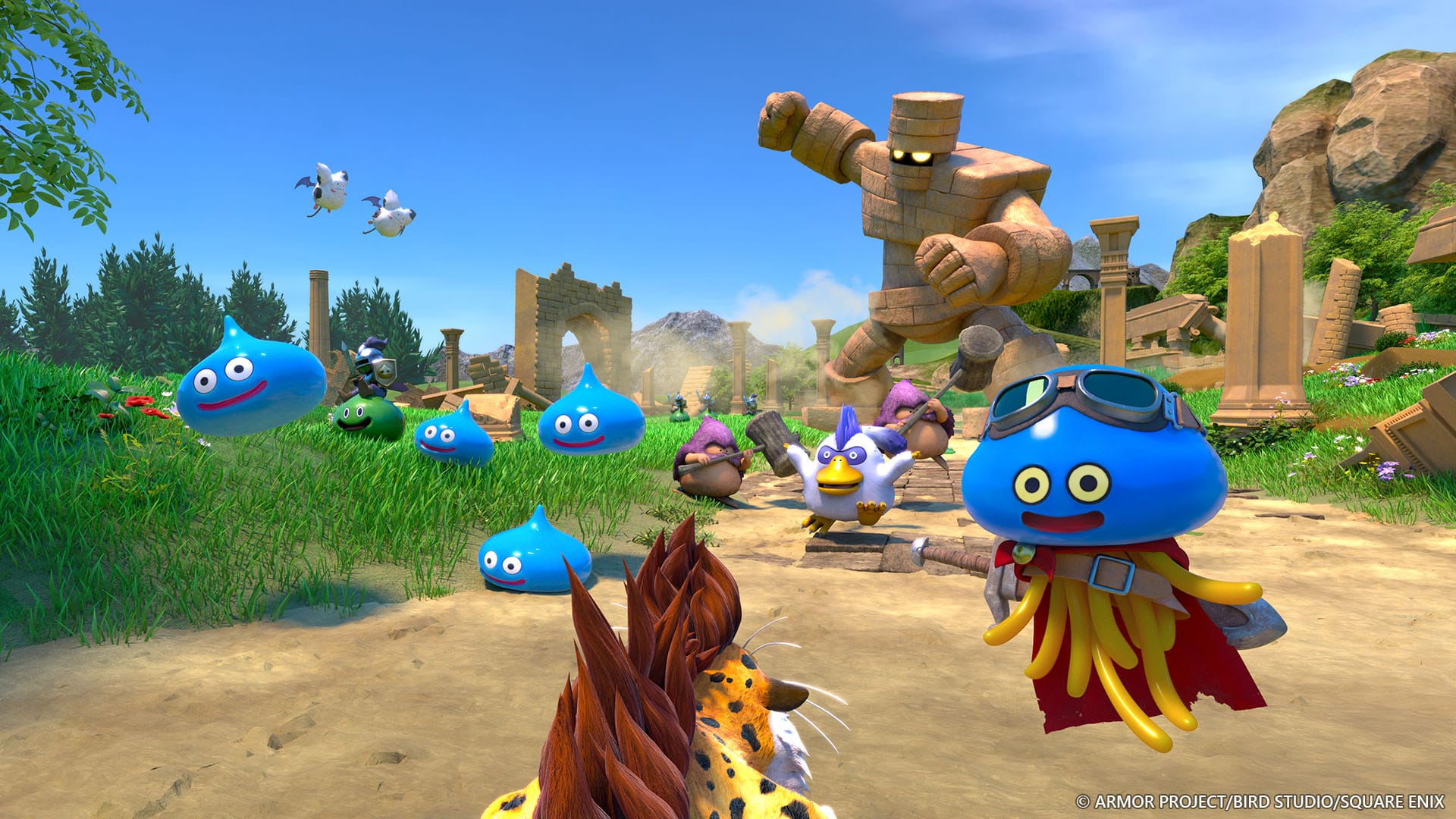
The centerpiece of the experience is a five-minute, high-intensity VR attraction that utilizes Meta Quest 3 headsets and 4DX-style motion seating. Unlike traditional museum exhibits that rely on placards and glass cases, "The Dive" attempts to literally transport the visitor into the world of Alefgard and beyond.
Key components of the exhibition include:
- The Archive Vault: A rare look at the original 1986 design documents, including character sketches by the late Akira Toriyama.
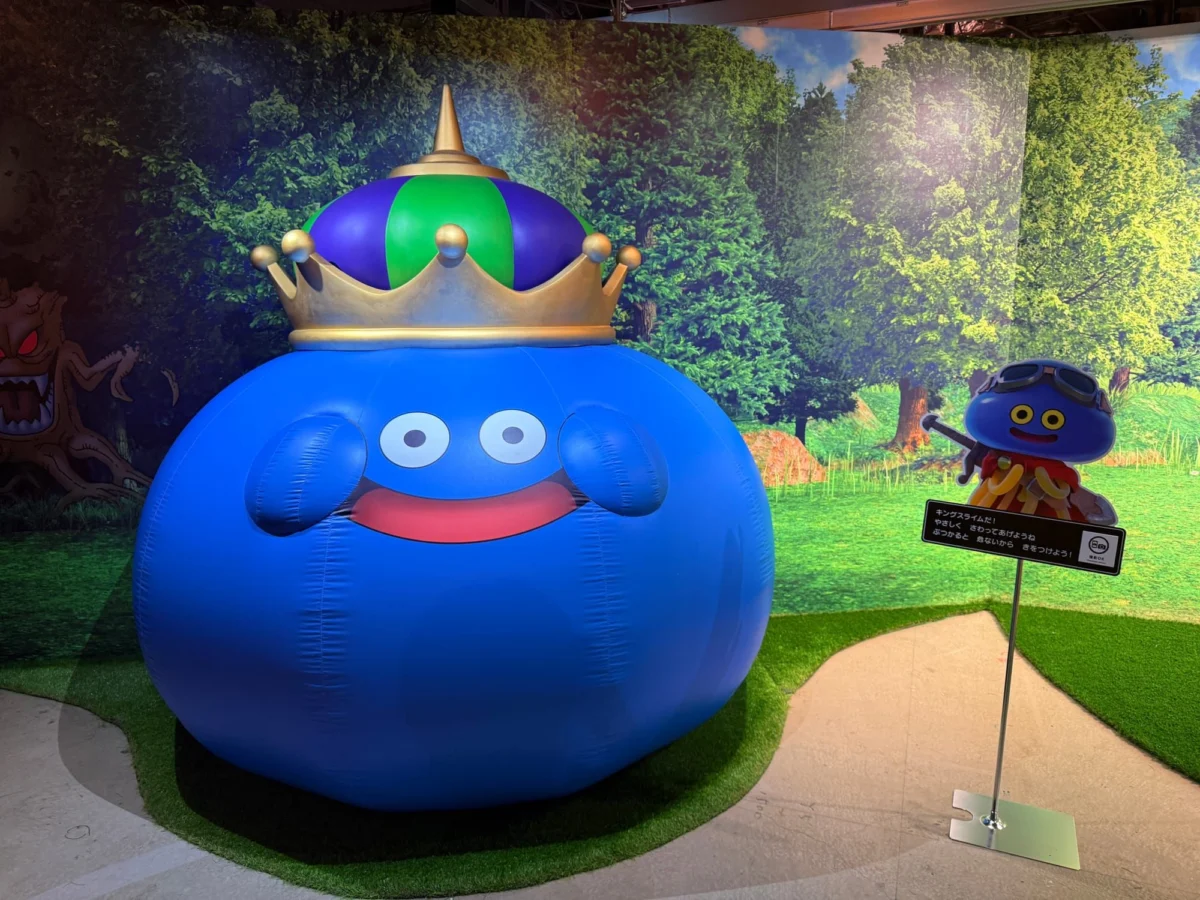
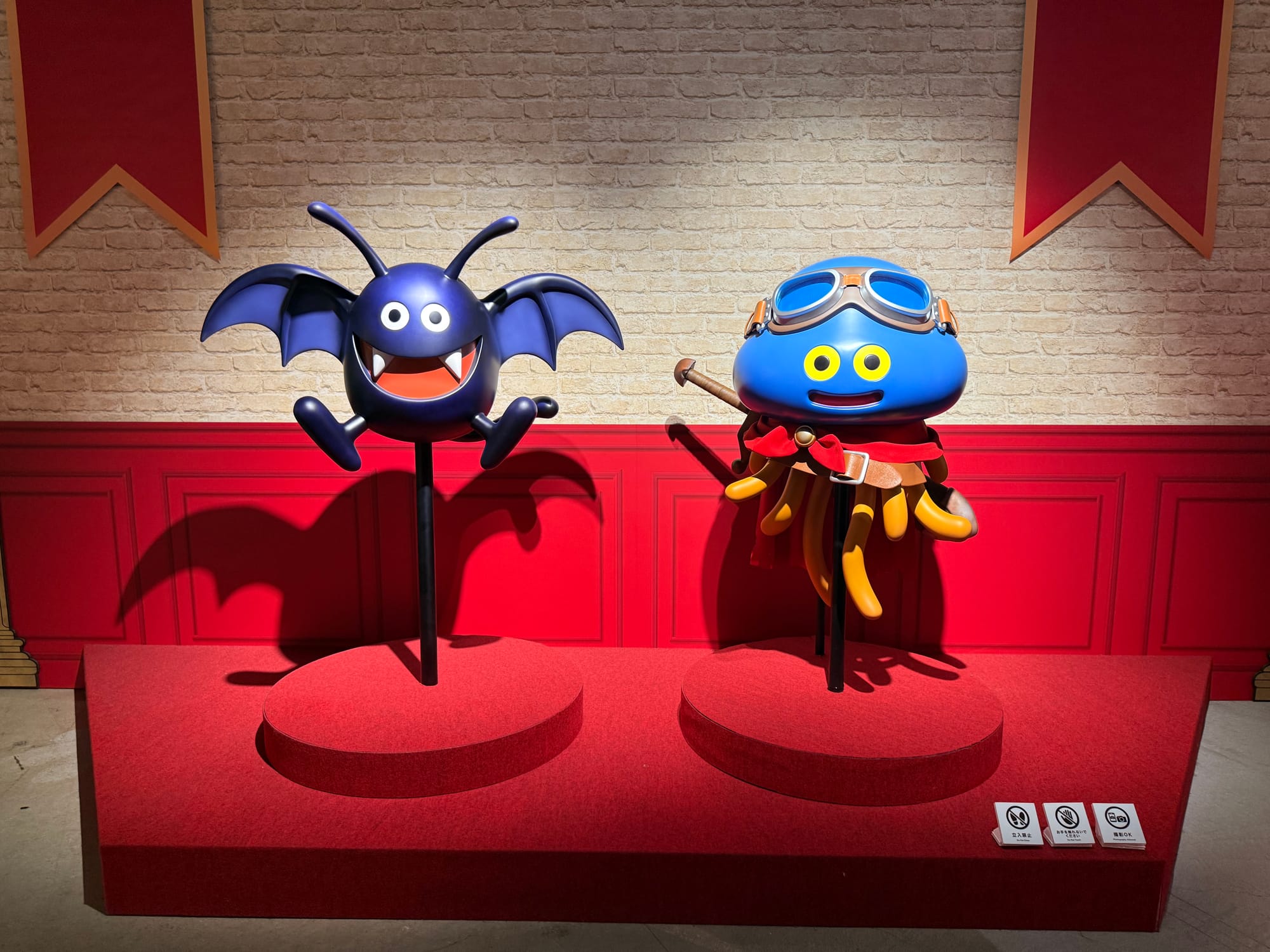
- The Interactive Bestiary: A physical space featuring life-sized recreations of monsters and sensory "touch" stations.
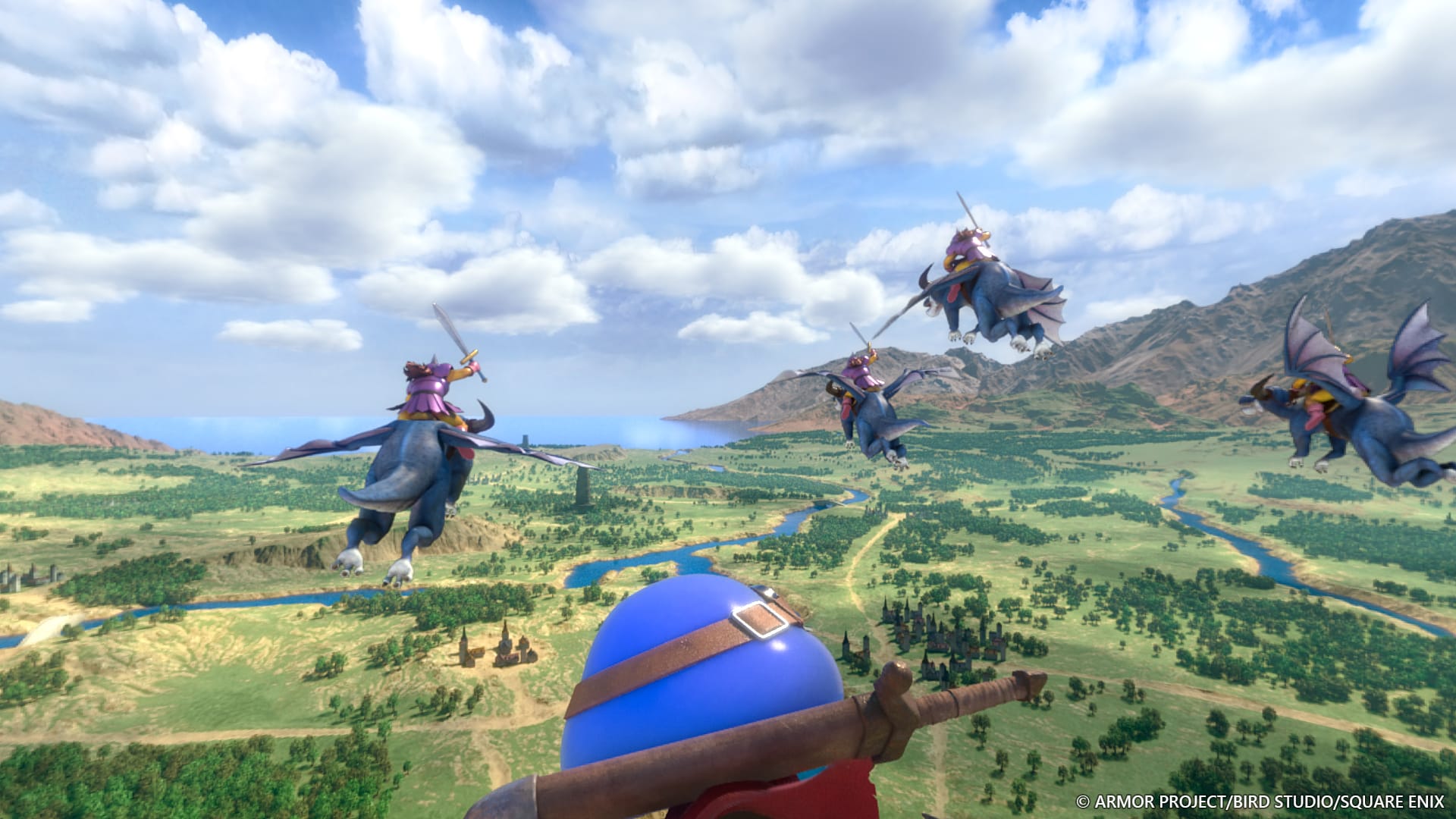
- The VR Ride: A 4DX immersive experience that places the visitor on the back of a Killer Panther in a cinematic battle against classic series villains.
- The Price Point: At 4,400 yen (approx. $30 USD), the exhibition is positioned as a premium experience, significantly higher than standard Japanese museum entries.
A Chronology of Legacy: From Graph Paper to Virtual Reality
To understand the weight of "The Dive," one must understand the timeline of the series it celebrates.
1986: The Birth of a Legend
The exhibition’s first area (labeled as the third and final section of the walkthrough) serves as a chronological anchor. Here, the "Vault" houses the genesis of the series. The original 1986 proposal for Dragon Quest is on display, revealing the small, tight-knit team that birthed the genre. Even at this nascent stage, the documents highlight the involvement of Akira Toriyama, whose monster designs—most notably the Slime—would become global icons.
The archives show the meticulous, "nerdy" necessities of 1980s game design: large tables of handwritten stat increases for leveling balance, hand-drawn dungeon maps on graph paper, and musical notations for the main theme composed by Koichi Sugiyama. This section is a stark reminder of the series’ humble beginnings on the Famicom (NES).
2024: The Passing of a Titan
The exhibition takes on a poignant tone in its middle section, which showcases designs for the upcoming Dragon Quest XII: The Flames of Fate. This includes what are likely the final character designs created by Akira Toriyama before his sudden passing in early 2024. This chronological bridge connects the 40-year history to the uncertain future of the franchise’s visual identity.
The Present: The "Dive" into VR
The final evolution of this chronology is the VR experience itself. It represents the modern era of the franchise—one that seeks to move beyond the 2D sprites of the 80s and the 3D models of the 2000s into a space where the player is no longer looking through a screen, but standing within the world.
Supporting Data: The Mechanics of Immersion
The "immersion" promised by the title is achieved through a combination of high-end hardware and physical effects.
The VR Hardware
The exhibition utilizes Meta Quest 3 headsets, providing a high-resolution, standalone experience. The content is an on-rails, pre-rendered 3D video that offers a 360-degree view of the Dragon Quest world. While the experience is non-interactive (the viewer cannot move or attack freely), the visual fidelity is designed to mimic the aesthetic of modern Dragon Quest cinematics.
The 4DX Integration
What sets "The Dive" apart from a standard VR home experience is the physical integration. Visitors are strapped into specialized motion chairs that provide:
- Haptic Jolts: Syncing with the movement of the Killer Panther mount.
- Environmental Cues: Simulating the drops into ravines or the turbulence of river rapids.
- Sensory Feedback: The chairs are described as "intensive," more akin to a theme park roller coaster than a typical museum seat.
Comparative Pricing Data
The exhibition has drawn scrutiny for its entry fee. At 4,400 yen, it sits at a much higher price bracket than similar attractions:
- Standard Tokyo Anime/Game Exhibits: Typically 1,500 – 2,200 yen.
- VR Attractions (Kabukicho Tower): Approx. 1,000 – 1,500 yen per ride.
- Dragon Quest Island (Awaji Island): A full theme park experience starting at roughly 3,400 – 4,500 yen.
Design Philosophy and Official Context: Moving Beyond the "Dry" Archive
The organizers of "Dragon Quest: The Dive" have opted for an emotional design philosophy rather than a purely educational one. The goal was to capture the feeling of being a fan over the last four decades.
In the second area of the exhibit, this philosophy is manifest in physical recreations. Visitors can "hug" inflatable slimes or touch a "Rockbomb" that has been engineered to feel warm to the touch, simulating the creature’s internal volcanic energy. There is also a "Kin Monster" scanner—a playful piece of tech that analyzes the visitor to determine which series monster they most resemble (ranging from the iconic Slime to the "Bunny Girl" NPCs).
The official stance reflected in the exhibit’s layout suggests that Square Enix and the organizers believe the history of Dragon Quest is already well-documented in books and online wikis. Therefore, a physical exhibition in 2024 must offer something the internet cannot: a tactile and visceral connection. By placing the VR experience at the start, the exhibition "primes" the visitor’s emotions, making the subsequent viewing of statues and archival documents feel like a homecoming rather than a history lesson.
Implications: The Intersection of Technology, Cost, and Cultural Preservation
"Dragon Quest: The Dive" serves as a case study for the future of intellectual property exhibitions. However, its execution reveals several critical implications for the industry.
The VR-as-Enhancement Model
The exhibit follows a growing trend in Japan where AR and VR are used to supplement physical displays. A recent Ghost in the Shell exhibition used AR glasses to provide audio-visual context to static cells and concept art. In contrast, "The Dive" uses VR as the main event. The implication here is a shift in value: the technology is no longer an "extra" but the primary justification for the ticket price.
The Risk of the "Premium" Barrier
The high cost of entry (4,400 yen) for a five-minute VR ride and a relatively small archival room raises concerns about accessibility. While the VR ride is a "must-try" for enthusiasts, the brevity of the experience compared to the price may alienate casual fans. If this becomes the standard for anniversary celebrations, there is a risk that the "history" of gaming becomes a luxury experience rather than a shared cultural celebration.
Testing Grounds for Future Installations
Industry analysts suggest that "The Dive" may be a paid "test run" for a more permanent installation. The high production value of the VR content and the 4DX seating suggests it could eventually be moved to a permanent location, such as a Square Enix Cafe or the "Dragon Quest Island" theme park. As a temporary exhibition, it feels slightly hollow; as a prototype for a theme park attraction, it is a triumph.
The Legacy of the Creators
Finally, the exhibition reinforces the "Holy Trinity" of Dragon Quest: Yuji Horii (Design), Koichi Sugiyama (Music), and Akira Toriyama (Art). With the recent passing of both Sugiyama and Toriyama, "The Dive" represents one of the final times their collaborative work will be presented as a "living" contemporary project. The transition from the VR world back to the silent, handwritten documents of 1986 serves as a powerful reminder that while the technology used to experience these worlds will change, the human element—the "nerdy necessities" of a handwritten idea—remains the heart of the franchise.
In conclusion, "Dragon Quest: The Dive" is a bold, albeit expensive, experiment. It successfully uses modern technology to evoke the wonder of a 40-year-old series, even if it struggles to balance the weight of its ticket price against the depth of its content. For those who wish to feel the warmth of a Rockbomb or the wind on their face as they ride a Hades Condor, it is an unparalleled experience. For those seeking a comprehensive historical archive, the quest continues.