A Nation’s Mourning: The Assassination of Abraham Lincoln and Its Enduring Legacy
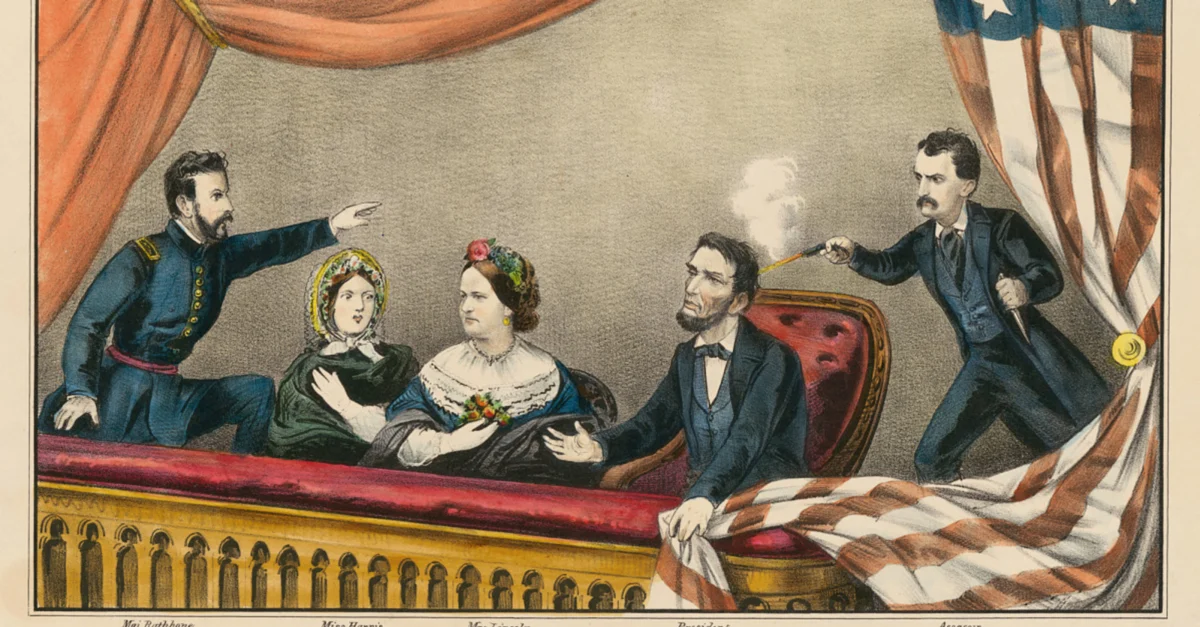
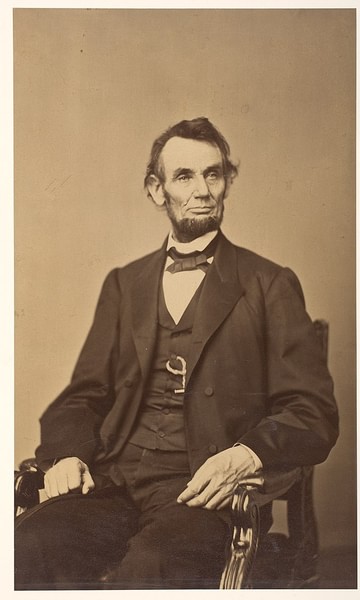
WASHINGTON D.C. – April 15, 1865 – On the evening of April 14, 1865, just five days after Confederate General Robert E. Lee’s surrender effectively ended the American Civil War, President Abraham Lincoln was tragically shot in the back of the head by John Wilkes Booth while attending a performance at Ford’s Theatre in Washington, D.C. He succumbed to his wounds the following morning, plunging a still-fractured nation into profound grief and uncertainty. This heinous act, a calculated strike against the very heart of the Union, not only silenced the architect of victory but irrevocably altered the course of American Reconstruction, leaving an indelible mark on the nation’s struggle to heal its deepest wounds.
The assassination, a meticulously planned conspiracy that also targeted Vice President Andrew Johnson and Secretary of State William H. Seward, shocked a populace that had barely begun to celebrate the cessation of hostilities. Lincoln, a figure of immense moral authority and a symbol of national unity, had envisioned a magnanimous path to reintegration for the defeated Southern states. His sudden death left a leadership vacuum and ignited fierce debates over the future of the Union, the rights of newly freed African Americans, and the very definition of justice in a post-war America.
Chronology of a Catastrophe: From Jubilation to Despair
The events leading up to Lincoln’s assassination unfolded against a backdrop of conflicting emotions across the United States – euphoria in the North, despair in the South, and a pervasive sense of exhaustion everywhere.
The Echoes of Peace: A Brief Respite
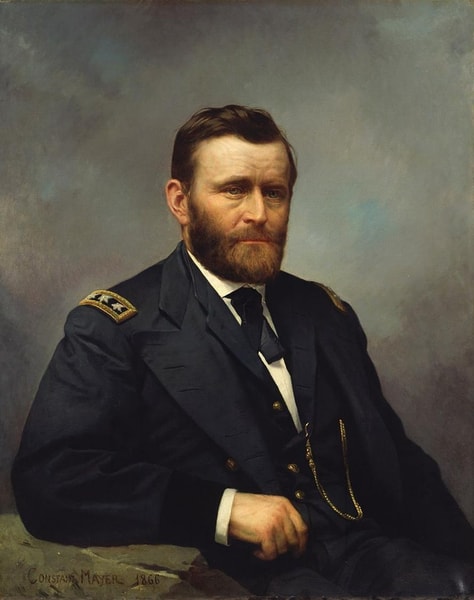
The morning of April 10, 1865, dawned in Washington D.C. with a sound that, for four long years, had signaled terror: cannon fire. Yet, this time, the booming salvos heralded not conflict but triumph. A resounding 500-gun salute dramatically cut through the early morning air, announcing the momentous news that Confederate General Robert E. Lee had surrendered to Union General Ulysses S. Grant at Appomattox Court House the previous day. Despite dreary weather, the city erupted in spontaneous celebration. Journalist Noah Brooks, who was sharing breakfast with the President, vividly recounted the scene: "The streets, horribly muddy, were alive with people, cheering and singing, carrying flags and saluting everybody." Throughout that day, bands played celebratory tunes, tears of joy flowed freely, and as night fell, the dark sky was illuminated with fireworks, painting a picture of a nation relieved, if not yet fully restored.
A President’s Sober Vision
The festive atmosphere, however, did not fully extend to the White House. On the evening of April 11, crowds gathered on the White House lawn, eager to hear President Lincoln address the nation for the first time since the news of surrender broke. They expected jubilant pronouncements, a shared celebration of victory. Instead, they were met with a somber, almost gaunt figure. Weary from the immense burden of leading a divided nation through its bloodiest conflict, Lincoln stood at a second-story window under the north portico, reading from a manuscript illuminated by the flickering light of a candle held by Brooks. His young son, Tad, collected the dropped pages at his feet.
Lincoln’s speech was not a triumphant ode to past victories but a forward-looking, pragmatic assessment of the challenges ahead. He spoke of the arduous process of Reconstruction, the imperative to bind the nation’s wounds, and the urgent need to restore harmony between all states. Crucially, he broached the controversial topic of extending suffrage to African Americans, particularly those who had served bravely in the Union army. His address underscored a profound truth: while the war of arms might be concluding, the war for a truly united and just nation had only just begun. Many in the crowd, confused or disheartened by the lack of celebratory rhetoric, dispersed into the light drizzle that began to fall.
Booth’s Dark Resolve
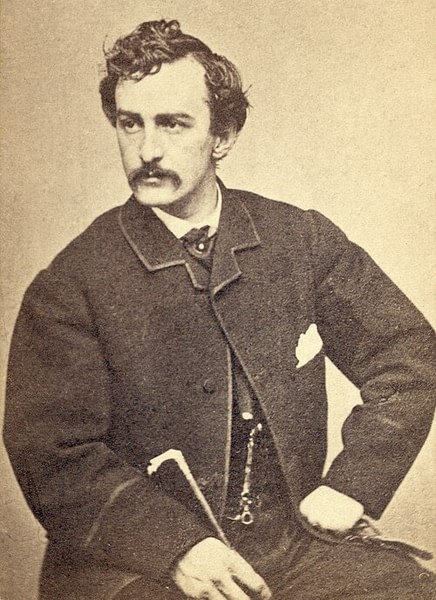
Among the disappointed onlookers was John Wilkes Booth, a young, charismatic actor renowned for his Shakespearean performances. Unlike his Unionist older brother, Edwin, John Wilkes Booth was a fervent Southern sympathizer. He had yearned to enlist in the Confederate army but had been dissuaded by his mother. As the war raged, Booth felt a bitter helplessness, watching the Confederacy’s fortunes wane. For months, he had harbored a desperate plot to kidnap Lincoln and ransom him for Confederate prisoners, even enlisting several co-conspirators. But with the war effectively over, his desperate scheme morphed into something far more sinister.
Lincoln’s speech on April 11th, particularly his mention of Black suffrage, ignited a murderous fury in Booth. Turning to his co-conspirator Lewis Powell, Booth declared with chilling conviction, "That is the last speech he will ever make." The resolve to assassinate the President, born of a twisted patriotism and a deep-seated hatred for Lincoln’s policies, now solidified into an unshakeable plan.
Lincoln’s Last Day: April 14, 1865
Good Friday, April 14, 1865, began for President Lincoln in his office at 7 a.m. Despite a severe headache the previous night, his spirits were notably high. His eldest son, Robert Todd Lincoln, was visiting from Virginia for the Easter holiday, a rare family reunion. After attending to a stream of supplicants, Lincoln joined his wife, Mary, and Robert for breakfast around 11 a.m. Robert presented his father with a portrait of the recently defeated Robert E. Lee, making a lighthearted joke. Lincoln, polishing his glasses, softly observed, "It’s a good face. I am glad the war is over." A sentiment echoed by a weary nation.
Returning to work, Lincoln met with Speaker of the House Schuyler Colfax and Senator John Cresswell. "Creswell, old fellow," Lincoln greeted, "everything is bright this morning. The war is over. It has been a tough time, but we have lived it out." After concluding their business, Lincoln signed appointments and granted a military discharge. Amidst these presidential duties, he dispatched a messenger to Ford’s Theatre on 10th Street to reserve the State Box for that evening’s performance of the popular comedy, Our American Cousin. He optimistically informed the theatre management that General Grant, the Union’s celebrated savior, would be his special guest, ensuring a large turnout.
In the early afternoon, Lincoln walked to the War Department to meet with Grant and several cabinet members. The discussion centered on the lingering Confederate forces, particularly General Joseph E. Johnston’s army. Unperturbed, Lincoln expressed confidence in imminent good news, citing a peculiar dream he had experienced repeatedly before every major event of the war—Fort Sumter, Antietam, Gettysburg. In this dream, he was alone on a raft, "floating, floating away on some vast and indistinct expanse, toward an unknown shore." He was certain it portended Johnston’s surrender.
Following the meeting, Lincoln detained Grant, eager to confirm their evening plans. To his dismay, Grant politely declined, citing a pre-existing commitment to visit his children in Philadelphia with his wife, Julia. Both men, however, understood the unspoken truth: Mary Todd Lincoln’s recent jealousy of the Grants, and Julia’s reluctance to risk a public scene at the theatre, had led to the convenient excuse.
Lincoln, unwilling to press the issue, returned to his office, his earlier good mood noticeably diminished. His bodyguard, William H. Crook, observed the President’s depression and heard him lamenting his reluctance to attend the theatre. At 4:30 p.m., as Crook’s shift ended, Lincoln bade him an uncharacteristically solemn "Good-bye, Crook," rather than his usual "Good night." The farewell struck the bodyguard as strangely ominous.
By the time he joined Mary Todd in her carriage for the ride to the theatre, Lincoln’s spirits seemed to have lifted. He held her hand, sharing dreams of a post-presidency life: a trip to Europe, then a return to Springfield, Illinois, to resume his law practice. They picked up Major Henry Rathbone and his fiancée, Clara Harris—the last-minute replacements for the Grants—before arriving at Ford’s Theatre around 8:30 p.m. Though late, the orchestra immediately struck up "Hail to the Chief" as the Lincolns entered the State Box. The 1,700-strong audience rose in a thunderous cheer. As the applause subsided, they settled to watch the show. Mary Todd, touched by her husband’s affection, found herself clinging to his arm. "What will Miss Harris think of my hanging on to you so?" she whispered. Lincoln, his attention fixed on the stage, replied, "Why, she will think nothing about it."
Booth’s Deadly Preparation
While Lincoln was discussing war and peace at the War Department, John Wilkes Booth was meticulously setting his plan in motion. He appeared at Ford’s Theatre earlier that afternoon, "faultlessly dressed in a suit of dark clothes and wore a tall silk hat," as one witness recalled, "he had on a pair of kid gloves of a subdued color, a light overcoat was slung over his arm, and he carried a cane." He spoke with Harry Ford, one of the theatre owners, who gleefully informed him that Our American Cousin would be playing and that "The President is going to be here tonight with General Grant." Ford jokingly added, "They’ve got General Lee as a prisoner. We’re going to put him in the other box!" Booth, utterly humorless, snapped, "Never! Lee would never let himself be used as the Romans used their captives and be paraded."
Ford, taken aback by Booth’s intensity, clarified that his joke about Lee was merely that, but Lincoln was indeed coming. Booth left and, walking down 10th Street, encountered John F. Coyle, editor of the National Intelligencer. Booth launched into a tirade about the surrender and the Confederacy’s downfall. The conversation took a darker turn when Booth inquired what would happen if Lincoln and all his immediate successors were simultaneously killed. Coyle guessed "Anarchy… But what nonsense: they don’t make Brutuses nowadays." Booth agreed, the wheels of his conspiracy churning. He then called at Kirkwood House, where Vice President Andrew Johnson was staying, to inquire about his presence. A little later, the sight of 440 Confederate prisoners of war, a horrifying spectacle to Booth, further solidified his murderous resolve.
At 8:00 that evening, Booth summoned his co-conspirators to a clandestine, candlelit meeting at Herndon House. The time for kidnapping, he declared, was over. Assassination was the only option. "It would be the greatest thing in the world," he exclaimed, revealing his audacious plan to decapitate the entire federal government and plunge the nation into chaos, thereby avenging the defeated South. He swiftly assigned targets: Lewis Powell, an ex-Confederate soldier, would kill Secretary of State William H. Seward, who was bedridden from a carriage accident. George Atzerodt, a German-American repairman, was tasked with assassinating Vice President Johnson at Kirkwood House. When Atzerodt balked, claiming he had only signed on for kidnapping, Booth, in a crazed rage, threatened him, forcing his reluctant agreement. Booth himself would kill Lincoln, with David Herold, a fourth conspirator, aiding in their escape. Each murder was to occur simultaneously around 10 p.m.
The would-be assassins dispersed into the night, preparing for their grisly assignments. Booth made his way back to Ford’s Theatre, armed with a .41 caliber Deringer pistol and a large Bowie knife. He entered the theatre at 10:10 p.m. As a renowned actor, he had unrestricted access to all parts of the building, and his presence drew no suspicion. He was recognized by several acquaintances, including actress Jeannie Gourlay, who later recalled him looking "pale as death." At 10:14 p.m., Booth quietly slipped into the corridor behind the State Box, closing the door behind him and using a wooden board to jam it shut. He waited in the shadows, listening for a specific line from the play that he knew would elicit a burst of laughter from the audience. Presently, he heard it:
"Don’t know the manners of good society, eh? Wal, I guess I know enough to turn you inside out, you sockdologizing old mantrap!"
As anticipated, the audience erupted with laughter. This was Booth’s moment. "I care not what becomes of me," he would later write in his diary. "I struck boldly, for my country and that alone." He stepped forward, drew his pistol, and fired.
The Assassination and Its Aftermath
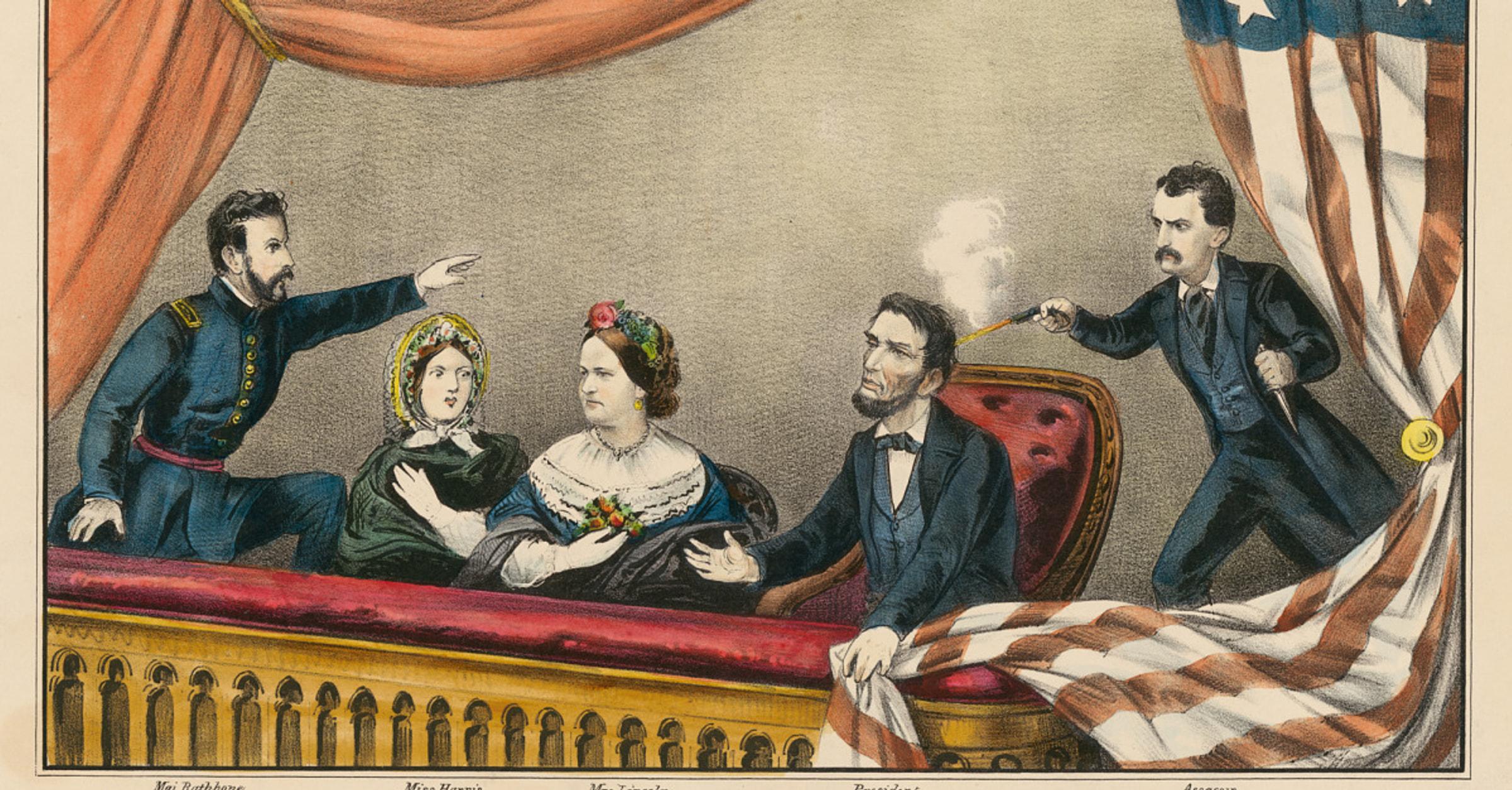
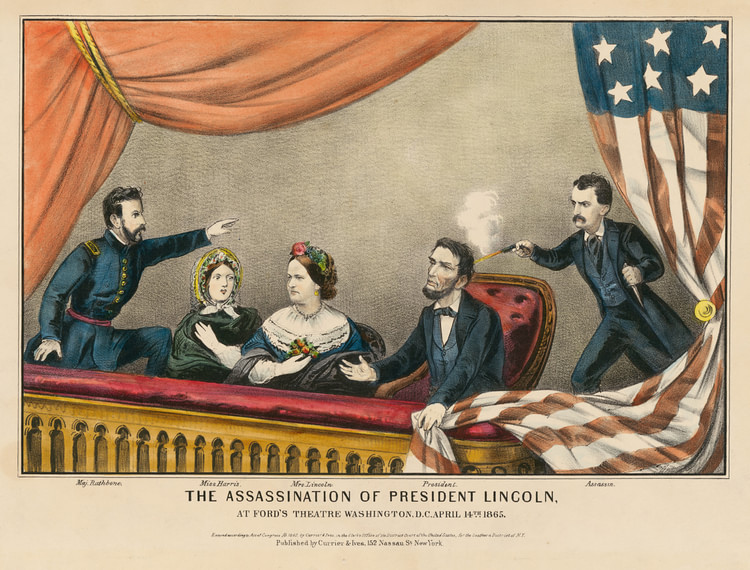
A flash, a half-muffled explosion, and Lincoln slumped forward in his rocking chair, his head dropping onto his chest as the bullet struck him just behind the left ear. Major Rathbone, the Lincolns’ last-minute guest, instinctively lunged at the assassin, wrapping his arms around him. Booth, like a trapped animal, struggled violently, snarling, "Let go of me, or I will kill you!" Rathbone held fast, managing to grab Booth by the throat when the assassin, with a sudden jerk, freed his right arm, wrenched his Bowie knife from his pocket, and plunged it deep into the major’s arm. Rathbone cried out in pain and released Booth, who then vaulted over the railing of the box, dropping twelve feet onto the stage below. He landed with a sickening crunch, breaking the fibula in his left leg.
Yet, in that adrenaline-fueled moment, the triumphant assassin felt no pain. He rose, brandished the bloody knife above his head, and, in a moment of theatrical melodrama, shouted either " sic semper tyrannis " (‘thus always to tyrants’, the state motto of Virginia) or "the South is avenged," or perhaps both. He then turned and limped off the stage. The audience sat in stunned silence, utterly bewildered by the horrific spectacle they had just witnessed. Their haze was shattered by a heartrending wail from Mrs. Lincoln, and Major Rathbone’s frantic cries to "stop that man!" Those closest to Booth observed his "lips were drawn against his teeth, and he was panting" as he muttered to himself, "I-I have done it." The assassin exited through a stage door into an alley, where the theatre’s teenage bill-carrier, Joseph ‘Peanuts’ Borroughs, stood holding his horse. With immense effort, the injured Booth pulled himself onto the horse and rode away into the night. By the time soldiers and theatregoers emerged from the theatre in pursuit, he was gone.
Meanwhile, a 23-year-old surgeon named Charles Leale, among the first to reach the President, rushed into the State Box. Leale recalled Lincoln lying stretched out in his chair, appearing as if in a deep sleep. It took him little time to recognize the wound as mortal. Despite the grim prognosis, he and two other physicians who joined him decided to move the President across the street to a boarding house owned by William Petersen. There, Lincoln was carried into a cramped nine-by-fifteen-foot bedroom and placed on a bed too short for his tall frame. Leale and the other surgeons worked feverishly, surrounded by an increasingly crowded room of cabinet members and other officials.
Vice President Johnson was among those present—Atzerodt, tasked with his assassination, had failed to muster the courage to act. Similarly, Lewis Powell’s attack on Secretary of State Seward, though brutal, had not been fatal; Seward would recover. Only Booth had succeeded in his murderous mission. Senator Charles Sumner, a fervent champion of the Union and civil rights, broke down in tears upon seeing the President. Secretary of the Navy Gideon Welles would later record his observations: "His features were calm and striking. I had never seen him to better advantage than for the first hour, perhaps, that I was there. After that his right eye began to swell and become discolored."
Mrs. Lincoln, inconsolable in her grief, was led to an adjoining room, her weeping echoing through the solemn house. The surgeons, despite their valiant efforts, soon realized the futility of their work. All that remained was to pray. At 7:22 a.m. on April 15, 1865, approximately nine hours after he was shot, President Abraham Lincoln drew his final breath and died. The room fell silent, save for the quiet sobs of those gathered. It was then that Secretary of War Edwin Stanton uttered those immortal words, imbued with both profound sorrow and historical gravity: "Now he belongs to the ages."
Supporting Data and Context
Lincoln’s assassination occurred at the precise moment of triumph and transition. The Civil War had just concluded, but the nation faced the daunting task of Reconstruction. Lincoln’s vision, outlined in his Second Inaugural Address—"With malice toward none, with charity for all"—was a plea for reconciliation and healing. His Emancipation Proclamation, issued two years prior, had transformed the war from a fight to preserve the Union into a moral crusade against slavery, further fueling Booth’s Southern resentment.
Booth, a fervent believer in the Confederate cause, saw Lincoln as a tyrant who had waged war against his people and threatened the Southern way of life. His deep hatred for Lincoln’s policies, particularly the prospect of Black suffrage, cemented his belief that eliminating the President was a heroic act necessary to save the South. The conspiracy, involving multiple individuals and targets, underscored the desperate, fanatical nature of Booth’s commitment to his cause.
The public reaction to Lincoln’s death was immediate and overwhelming. Washington D.C., which had just celebrated peace, was plunged into a state of shock and national mourning. Church bells tolled across the country, businesses closed, and flags were lowered to half-mast. Millions of Americans lined the railway tracks as Lincoln’s funeral train carried his body on a two-week journey back to Springfield, Illinois, a solemn testament to the profound impact of his leadership and his loss.
Medically, the bullet wound was instantly fatal. Modern medical interventions were non-existent, and the surgeons could do little more than try to make the President comfortable. The bullet, a .41 caliber round from a derringer, had entered behind his left ear and lodged behind his right eye, causing massive brain damage.
Official Responses and the Manhunt
The government’s immediate response was a mixture of panic and decisive action. Secretary of War Edwin Stanton swiftly assumed effective control, declaring a state of emergency and orchestrating an unprecedented manhunt for Booth and his co-conspirators. Washington D.C. was placed under martial law, and all possible escape routes were sealed.
Andrew Johnson, a Southern Unionist, was sworn in as the 17th President of the United States just hours after Lincoln’s death. His ascension to the presidency, though constitutionally mandated, was fraught with challenges. He inherited a nation in mourning, a cabinet in disarray, and the monumental task of leading Reconstruction without the moral authority and political acumen of his predecessor.
The manhunt for John Wilkes Booth became one of the largest in American history. Posters offering a reward of $100,000 (an astronomical sum at the time) were plastered across the nation. For 12 days, Booth, aided by David Herold, evaded capture, his broken leg making his escape arduous. He was finally cornered in a tobacco barn near Port Royal, Virginia, on April 26. Refusing to surrender, the barn was set ablaze. Booth was shot by Union Sergeant Boston Corbett and died shortly after, reportedly uttering, "Tell my mother I died for my country" and "Useless, useless."
The remaining conspirators were quickly apprehended and subjected to a military tribunal. Mary Surratt, Lewis Powell, George Atzerodt, and David Herold were convicted and hanged on July 7, 1865, for their roles in the plot. Others received lengthy prison sentences. The swift and severe punishment reflected the nation’s outrage and determination to bring justice for the assassinated President.
Implications: A Nation Reshaped
The assassination of Abraham Lincoln was a turning point for the United States, irrevocably altering the trajectory of Reconstruction and the nation’s healing process.
-
Shift in Reconstruction Policy: Lincoln’s vision for Reconstruction was one of leniency and reconciliation, focused on quickly bringing the Southern states back into the Union "with malice toward none." His successor, Andrew Johnson, attempted to follow a similar moderate path but lacked Lincoln’s political skill and moral standing. This led to a bitter power struggle with the "Radical Republicans" in Congress, who sought harsher punishments for the South and greater protections for African Americans. Lincoln’s death emboldened these Radical Republicans, leading to a more punitive and interventionist Reconstruction policy that ultimately proved deeply divisive and short-lived in its full intent.
-
National Mood and Legacy: Lincoln’s martyrdom cemented his place as a national hero and an almost mythical figure. His death intensified the grief and anger already present in the North, leading some to demand harsher treatment of the former Confederates. His image as the "Savior of the Union" was elevated, and his words, particularly the Gettysburg Address and Second Inaugural, became foundational texts for American identity and liberty. The assassination also cast a long shadow, reminding Americans of the fragility of their democracy and the ever-present threats to national unity.
-
Presidential Security: The assassination exposed glaring vulnerabilities in presidential security. Before Lincoln, there was no formal protection for the President. The events at Ford’s Theatre underscored the necessity of robust security measures, eventually leading to the establishment of the U.S. Secret Service (though initially created to combat counterfeiting, its protective role was expanded after later assassinations).
-
Racial Justice: Lincoln’s death robbed the nation of its most influential voice for racial equality at a crucial moment. While his stance on Black suffrage was evolving, he possessed the unique authority to guide the nation toward a more inclusive future. His absence allowed for greater resistance to civil rights advancements in the South and contributed to the eventual rollback of many Reconstruction-era gains, paving the way for decades of racial segregation and discrimination.
-
Enduring Questions: The assassination continues to fascinate and haunt American consciousness. The "what ifs" of history—what if Lincoln had lived? How would Reconstruction have differed? Would the nation have healed more smoothly?—remain potent questions. The event serves as a stark reminder of how individual actions, particularly those of political violence, can profoundly shape the destiny of a nation.
The assassination of Abraham Lincoln was not merely the tragic end of a great leader; it was a convulsive act that ripped through the fabric of a nation struggling to redefine itself after an epochal war. As Secretary Stanton so eloquently stated, "Now he belongs to the ages," and indeed, the echoes of that fateful Good Friday continue to resonate through American history, shaping its identity and its ongoing pursuit of a more perfect Union.