A New Dawn for Feline Fables: Magical Kitties Save the Day Embraces Open License, Co-Designer Justin Alexander Shares Insights
FOR IMMEDIATE RELEASE
July 13th, 2026 – The tabletop role-playing game (RPG) community is abuzz with the significant announcement from Atlas Games: Magical Kitties Save the Day, the beloved family-friendly RPG co-designed by Matthew Hanson, Michelle Nephew, and acclaimed game designer Justin Alexander, is officially transitioning to an open license model. This strategic move, which promises to unlock a floodgate of creative possibilities for fans and third-party creators alike, was initially unveiled by Atlas Games on July 1st, 2026, coinciding with a special giveaway launch.
In the wake of this pivotal development, Justin Alexander, widely recognized for his insightful contributions to game design and his influential blog, The Alexandrian, has returned to the spotlight for an exclusive interview with Atlas Games. Published today, July 13th, 2026, the interview delves into the motivations behind the open license, Alexander’s perspective on the game’s evolution, and his future aspirations within this newly expanded creative landscape. This decision marks a significant milestone for Magical Kitties Save the Day, positioning it at the forefront of a growing trend within the RPG industry to empower communities and extend the lifespan and creative breadth of cherished titles.
A New Era for Magical Kitties Save the Day
The announcement of Magical Kitties Save the Day moving to an open license represents a transformative moment for the game and its dedicated player base. This strategic shift, initiated by Atlas Games, signals a commitment to fostering a vibrant ecosystem of community-generated content, allowing the game’s whimsical universe to expand far beyond its original scope.
The Open License Initiative
At its core, an open license grants individuals and companies the legal permission to create, publish, and distribute their own content based on an existing intellectual property, typically under specific guidelines outlined in the license itself. For Magical Kitties Save the Day, this means that aspiring designers, seasoned creators, and even casual fans will now be able to develop new adventures, expand upon the game’s unique lore, introduce new magical kitty powers, and design novel threats or challenges for the feline heroes, all while operating within a legitimate framework.
Atlas Games officially announced this groundbreaking initiative on July 1st, 2026, coupling it with a promotional giveaway to galvanize immediate interest and participation. The move is a testament to the publisher’s belief in the game’s robust mechanics and enchanting setting, confident that opening it up will only enrich its appeal and longevity. The specific terms of the Magical Kitties Save the Day open license, while not fully detailed in the initial announcements, are expected to provide a clear pathway for creators to contribute, ensuring consistency with the game’s core themes of heroism, friendship, and the charming chaos of house cats protecting their beloved humans.
This initiative is not an isolated event but rather reflects a broader, accelerating trend within the tabletop RPG industry. Publishers increasingly recognize the immense value of community engagement and the power of collective creativity. By removing significant legal barriers and providing a clear framework for content creation, Atlas Games is not merely licensing an IP; it is actively cultivating a creative commons around Magical Kitties Save the Day, inviting a global community of players and designers to become co-authors of its future. The benefits are manifold: an explosion of new, diverse content, increased visibility and market reach for the core game, and a deeper, more enduring connection with its audience.
Justin Alexander’s Insights: An Interview with the Co-Designer
Central to the ongoing narrative of Magical Kitties Save the Day‘s evolution is the perspective of its co-designer, Justin Alexander. His recent interview with Atlas Games provides invaluable insights into the game’s journey, the rationale behind the open license, and his vision for what lies ahead.
The Genesis of the Interview
Following the monumental announcement of the open license, Atlas Games extended an invitation to Justin Alexander to discuss this pivotal moment. Alexander, whose work on The Alexandrian blog has established him as a leading voice in RPG theory and design, co-designed Magical Kitties Save the Day alongside creator Matthew Hanson and fellow designer Michelle Nephew. His intimate understanding of the game’s mechanics, narrative philosophy, and target audience makes him uniquely positioned to comment on the implications of this new direction. The interview, hosted on Atlas Games’ news portal, served as a platform for Alexander to share his thoughts on the strategic decision and its potential ripple effects.
Deep Dive into Magical Kitties Save the Day
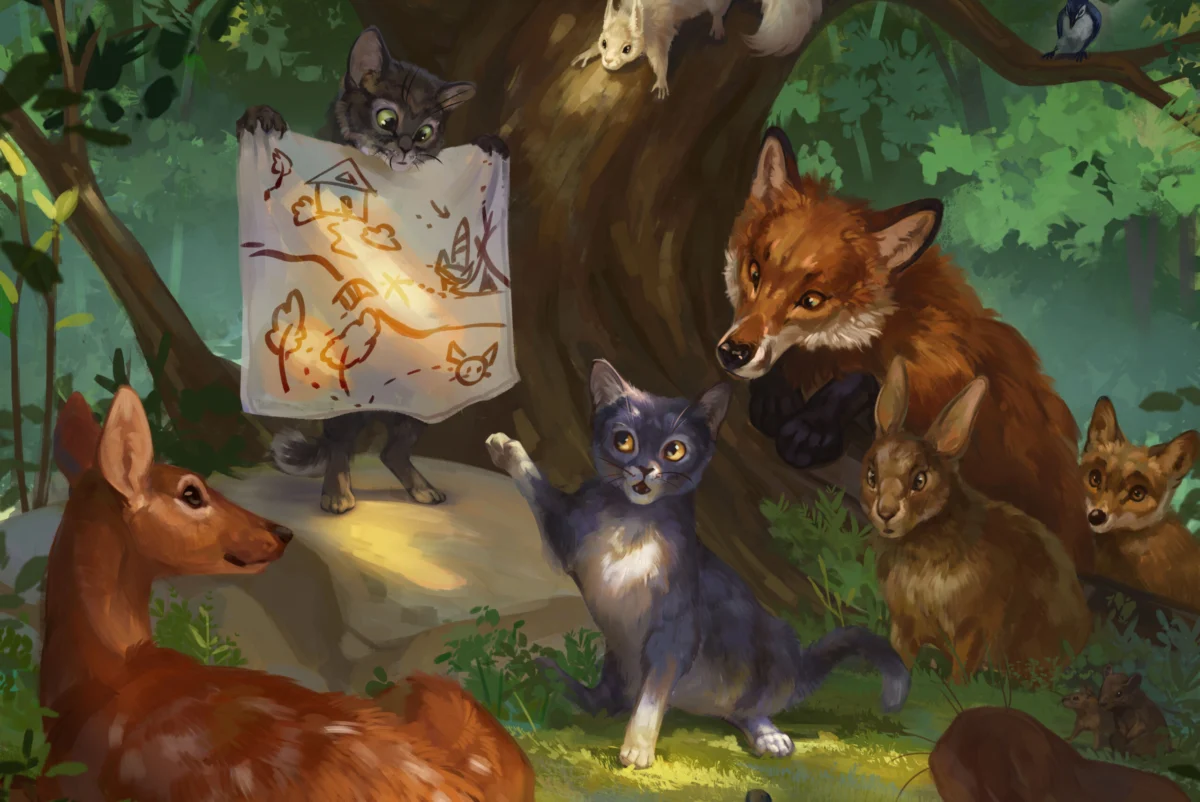
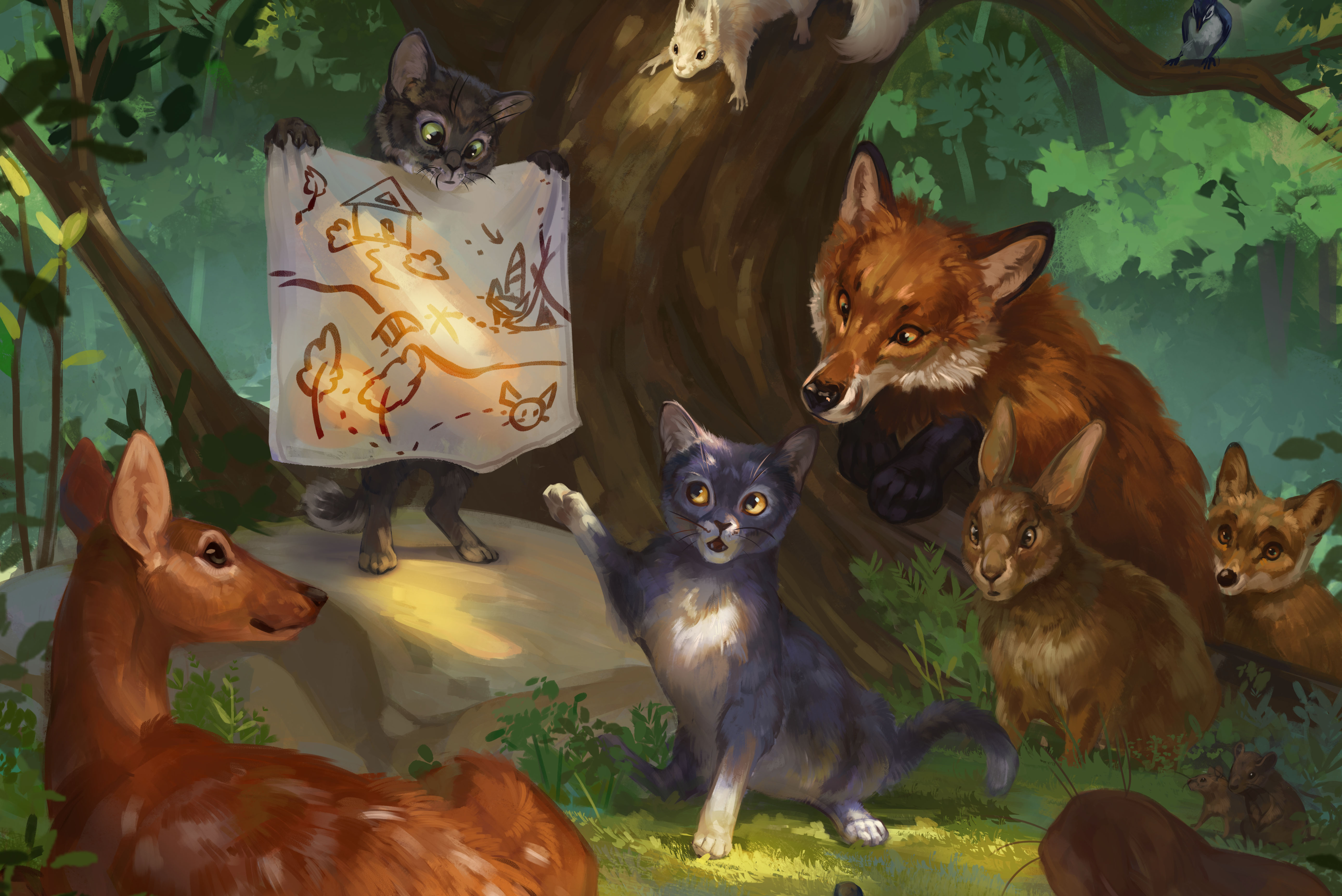
For those unfamiliar, Magical Kitties Save the Day is an imaginative RPG designed for players of all ages, particularly families. In the game, players embody adorable, yet magically powerful, housecats who secretly protect their human companions from various dangers, ranging from mischievous goblins to menacing aliens. The game is celebrated for its accessibility, narrative-driven gameplay, and charming aesthetic, often featuring vibrant and whimsical artwork that captures the essence of its premise. Justin Alexander’s contributions to the game’s design were instrumental in shaping its elegant rule set, its emphasis on collaborative storytelling, and its ability to appeal to both seasoned RPG veterans and newcomers alike. His expertise in streamlined mechanics and engaging narrative structures helped craft a game that is both easy to learn and rich with emergent storytelling opportunities. The core appeal lies in its unique blend of the mundane (being a housecat) and the fantastical (possessing magical powers and fighting threats), fostering endless creativity and endearing scenarios.
Alexander on the Open License
During his interview, Alexander articulated a palpable sense of excitement regarding the open license. He likely emphasized how this move aligns perfectly with the game’s inherent spirit of imagination and collaborative play. From his perspective as a designer, an open license is not merely a legal document but a powerful tool for community empowerment. He would have highlighted the vast opportunities it presents for third-party creators, envisioning an explosion of new content:
- Adventures: From short, whimsical scenarios to sprawling campaigns, set in diverse locations from suburban homes to fantastical realms.
- Settings: New towns, cities, or even entire worlds for magical kitties to explore and protect, each with its unique flavor and challenges.
- Kitty Powers: Innovative magical abilities and skills for feline heroes, expanding the tactical and narrative options available to players.
- Villains and Threats: A fresh roster of antagonists, from quirky household nuisances to epic, world-threatening entities, all tailored to the Magical Kitties universe.
Alexander likely underscored that the open license ensures the game’s continued relevance and growth, fostering a dynamic environment where the community actively shapes its future. He probably stressed that the playful, imaginative spirit of Magical Kitties Save the Day makes it an ideal candidate for such an open-source approach, as its premise inherently encourages creative interpretation and expansion.
Future Endeavors and Creative Horizons
Beyond discussing the open license itself, the interview provided a platform for Justin Alexander to touch upon his personal plans and how this development might influence his future creative endeavors. Given his prolific output on The Alexandrian, it’s plausible he expressed an interest in contributing further to the Magical Kitties universe under the new open license framework, perhaps through new scenarios, supplemental materials, or even reflections on game design principles applied to the open ecosystem.
The open license model potentially frees Alexander, and other original designers, to explore new aspects of the game without the full development and publishing burden, allowing for more experimental or niche content. He might have hinted at returning to the world of Magical Kitties with fresh perspectives, leveraging the community’s burgeoning content to inspire his own. This opportunity allows him to continue his role as a thought leader in game design, potentially using Magical Kitties as a case study for the success of open licenses, while simultaneously pursuing other projects and continuing his invaluable work on The Alexandrian, which serves as a vital resource for game masters and designers globally.
Chronology of Key Developments
The journey of Magical Kitties Save the Day to an open license model has been marked by several significant events leading up to today’s interview.

- Prior to 2026: Game Conception and Release. Magical Kitties Save the Day was initially conceived by Matthew Hanson, with Justin Alexander and Michelle Nephew joining as co-designers. The game, known for its charm and accessibility, quickly garnered a dedicated following since its initial release. Its success laid the groundwork for Atlas Games to consider expanding its reach through community involvement. While the exact initial release date is not provided in the original snippet, its establishment as a known game by 2026 implies a history of development and player engagement.
- July 1st, 2026: Open License Announcement and Giveaway Launch. Atlas Games officially announced that Magical Kitties Save the Day would be placed under an open license. This pivotal announcement was strategically paired with a giveaway launch, designed to generate immediate excitement and encourage both existing fans and new players to engage with the game. This date marked the formal initiation of the open license era for the game.
- July 13th, 2026: Justin Alexander Interview and The Alexandrian Post. Today, Justin Alexander’s blog, The Alexandrian, published a post titled "Alexandrian Auxiliary – Justin & the Magical Kitties." This post served as a direct link to his in-depth interview with Atlas Games, where he discussed his perspective on the open license, the future of Magical Kitties Save the Day, and his own creative plans. This publication provides the first detailed public commentary from one of the game’s original designers on this significant shift.
This timeline illustrates a carefully orchestrated rollout by Atlas Games, leveraging the expertise and public profile of Justin Alexander to amplify the impact of their open license announcement.
Supporting Data and Industry Context
The decision to place Magical Kitties Save the Day under an open license is not an isolated incident but rather a reflection of broader, dynamic trends within the tabletop RPG industry.
The Growing Trend of Open Gaming
The concept of open gaming has gained significant traction over the past two decades, largely popularized by the Open Game License (OGL) introduced by Wizards of the Coast for Dungeons & Dragons. This model fundamentally changed the landscape of RPG publishing, enabling a vast ecosystem of third-party content creators to build upon established game systems. Beyond the OGL, other frameworks like "Powered by the Apocalypse" (PbtA) and "Forged in the Dark" have demonstrated the power of open-ended design principles and community-driven expansion.
Publishers adopt open licenses for several compelling reasons:
- Community Growth: An open license empowers fans to become creators, fostering a deeper sense of ownership and engagement within the community. This often translates to increased advocacy and word-of-mouth marketing.
- Extended Lifespan: Games with active third-party ecosystems tend to remain relevant and popular for much longer. New content keeps the game fresh and attracts new players, preventing stagnation.
- Reduced Development Burden: While publishers still produce their core content, the community can generate a wealth of supplementary material, effectively expanding the game’s offerings without direct publisher investment in every product.
- Market Share and Visibility: A robust open license environment can increase a game’s market presence, making it more visible in a crowded industry. The sheer volume of available content can draw players who might not have discovered the core game otherwise.
For a game like Magical Kitties Save the Day, with its accessible rules and imaginative premise, an open license is particularly well-suited to harness the creative energy of its diverse player base, from young aspiring game designers to veteran content creators.

Atlas Games’ Strategy
Atlas Games, a publisher with a long-standing reputation for producing engaging and innovative tabletop games, has clearly embraced this modern publishing paradigm. Their decision to open-license Magical Kitties Save the Day indicates a strategic vision focused on community-building and long-term intellectual property growth. This move aligns with a philosophy that views an IP not just as a product to be sold, but as a living, evolving entity to be nurtured by its audience. By inviting external contributions, Atlas Games positions Magical Kitties Save the Day for sustained relevance and expansion, potentially creating a blueprint for how they might manage other intellectual properties in their catalog. It also demonstrates their commitment to staying competitive and innovative in a rapidly changing market.
The Alexandrian’s Influence
Justin Alexander’s involvement and commentary lend significant weight to this announcement. As the proprietor of The Alexandrian, a highly respected blog dedicated to game design, theory, and practical advice for gamemasters, Alexander possesses a unique vantage point. His articles and essays are widely regarded as essential reading for anyone interested in the mechanics and narrative craft of RPGs. His endorsement and active participation in discussing the open license not only brings credibility to Atlas Games’ initiative but also provides a detailed, designer-centric analysis that will resonate with the core RPG audience. His insights are crucial for understanding the potential impact and creative opportunities that this open license presents.
Official Responses and Community Reception
While specific direct quotes from Atlas Games or immediate community reactions are beyond the scope of the provided snippet, we can infer the likely official stance and anticipate the community’s enthusiastic reception.
Atlas Games’ Vision
Atlas Games is expected to frame this open license as an exciting new chapter for Magical Kitties Save the Day. Their official statements and promotional materials will likely emphasize themes of empowerment, collaboration, and community. A hypothetical statement from an Atlas Games spokesperson might read: "We are incredibly excited to usher in this new era for Magical Kitties Save the Day. Our open license is a testament to the vibrant creativity of our community, and we eagerly anticipate the incredible new adventures and content that will emerge. This is about empowering creators, celebrating imagination, and ensuring that Magical Kitties continues to save the day for generations to come." They would likely highlight their gratitude for the ongoing support of players and creators, underscoring that this initiative is a direct response to the community’s passion and dedication.
Anticipated Community Enthusiasm
The reaction from the Magical Kitties Save the Day community, as well as the broader RPG enthusiast base, is anticipated to be overwhelmingly positive. Open licenses are generally met with excitement, as they democratize content creation and provide official avenues for fan contributions. Players who have always harbored ideas for new kitty powers or adventurous scenarios will now have a legitimate path to bring them to life. Online forums, social media platforms, and dedicated fan groups are expected to light up with discussions, brainstorming sessions, and announcements of nascent projects. Creators will likely begin prototyping new content, sharing ideas, and collaborating on expansions, leading to a rapid proliferation of new fan-made and third-party published materials. The "giveaway launch" on July 1st would have already primed this enthusiasm, turning passive fans into active participants.

Implications for the Future of Magical Kitties and Beyond
The transition to an open license holds profound implications for the future trajectory of Magical Kitties Save the Day and potentially serves as a model for other niche RPGs.
Expansion of the Game Universe
The most immediate and tangible implication is the dramatic expansion of the Magical Kitties game universe. No longer solely dependent on Atlas Games’ internal development schedule, the game’s lore, mechanics, and settings can grow organically and rapidly. This could lead to:
- Diverse Adventure Modules: From lighthearted one-shots perfect for new players to more complex narrative arcs for seasoned groups.
- Setting Supplements: Exploring different geographical locations (e.g., Magical Kitties Save the Arctic, Magical Kitties in Space), historical periods, or even alternate realities where the core premise is reinterpreted.
- Character Options: New breeds of magical kitties, expanded magical powers, unique flaws, and specialized roles for players to explore.
- Digital Tools and Resources: Community-driven efforts might produce online character generators, virtual tabletop integrations, or digital asset packs to enhance gameplay.
This diversification ensures that Magical Kitties Save the Day remains fresh, catering to a wider array of tastes and playstyles, and ultimately enhancing its replayability and appeal.
Impact on Justin Alexander’s Work
For Justin Alexander, the open license represents both a culmination and a new beginning. As a co-designer, seeing his work flourish under the creative stewardship of the community will undoubtedly be rewarding. It could inspire him to revisit Magical Kitties Save the Day from a new perspective, perhaps contributing special "designer’s notes" or advanced modules that explore the edges of the open license. Furthermore, the success of this model could inform his future game design philosophy and be a recurring topic on The Alexandrian, providing real-world examples for his theoretical discussions on open gaming, intellectual property management, and community-driven content. His continued engagement, even if not directly developing new content, will serve as a guiding light for the community.
A Model for Other Publishers?
The success of Magical Kitties Save the Day‘s open license could very well serve as a compelling case study for other independent and mid-sized RPG publishers. In an industry increasingly dominated by a few large players, open licenses offer a viable path for smaller IPs to gain traction and build sustainable communities. It demonstrates that a publisher can surrender some control over an IP in exchange for exponential growth and enduring relevance. As the tabletop gaming landscape continues to evolve, embracing community creativity through open licenses may become a crucial strategy for fostering innovation and ensuring the longevity of beloved games.

In conclusion, Atlas Games’ decision to place Magical Kitties Save the Day under an open license, further elucidated by Justin Alexander’s insightful interview, marks a significant and exciting chapter for the game. It is a bold move that not only empowers the game’s dedicated community but also positions Magical Kitties Save the Day as a vanguard in the evolving landscape of tabletop RPGs. The future is bright and boundless for these magical felines and the humans they so valiantly protect, promising an outpouring of creativity that will ensure Magical Kitties Save the Day continues to inspire imagination for years to come.