From Parody to Production: Mighty Coconut Unveils Walkabout Dungeon Golfer and Strategic Publishing Expansion

AUSTIN, TX — In a move that highlights the increasingly blurred lines between community engagement and product development, Mighty Coconut, the acclaimed studio behind the VR sensation Walkabout Mini Golf, has officially announced that its "Walkabout Dungeon Golfer" project is moving into full production. Originally presented as an elaborate April Fools’ Day prank earlier this year, the project has transitioned into a cornerstone of the studio’s future roadmap.
The announcement served as the centerpiece of the inaugural "Mighty Coconut Presents" digital showcase, a presentation that also signaled a significant strategic pivot for the company: its entry into third-party game publishing. Alongside the dungeon-crawling golf hybrid, the studio revealed a new lawn-mowing simulator titled Grass and provided a first look at the "Gloop Lair" DLC for its flagship title.
Executive Summary: The Three Pillars of the Announcement
The "Mighty Coconut Presents" broadcast established three distinct trajectories for the Austin-based developer. First, the formalization of Walkabout Dungeon Golfer represents an expansion of the studio’s intellectual property into the roguelike genre, leveraging their industry-leading physics engine for a new style of gameplay. Second, the announcement of Grass, developed by Cosmic Dog, marks Mighty Coconut’s debut as a publisher, suggesting an intent to curate a portfolio of "cozy" and simulation-heavy titles. Finally, the reveal of the Gloop Lair DLC reinforces the studio’s commitment to its existing player base, continuing the high-cadence content cycle that has kept Walkabout Mini Golf at the top of the VR charts for years.
The Chronology: From April Fools’ Joke to Summer 2027 Target
The journey of Walkabout Dungeon Golfer began on April 1, 2026, when Mighty Coconut released a trailer for a seemingly preposterous concept: a 100% golf-based roguelike dungeon crawler. The initial social media post invited players to "explore dungeons, collect power-ups, and defeat foes with your putter in hand." While the trailer was high-quality, the timing led the industry to dismiss it as a standard holiday prank.
However, the community response was unexpectedly fervent. Within days of the "joke," the studio’s social media channels were inundated with requests to make the game a reality. On April 5, the studio broke character, stating, "Walkabout Dungeon Golfer was initially a joke, but we got excited about it the more time we spent with it! No promises, but we’re starting to play with some prototypes."
The transition from prototype to full production was confirmed during today’s presentation. While development is in the early stages, Mighty Coconut founder Lucas Martell confirmed that the studio is targeting a Summer 2027 release window. This timeline suggests a significant development cycle intended to ensure the game meets the high physics standards established by their previous work.
Technical Deep Dive: Mechanics and Innovation in Dungeon Golfer
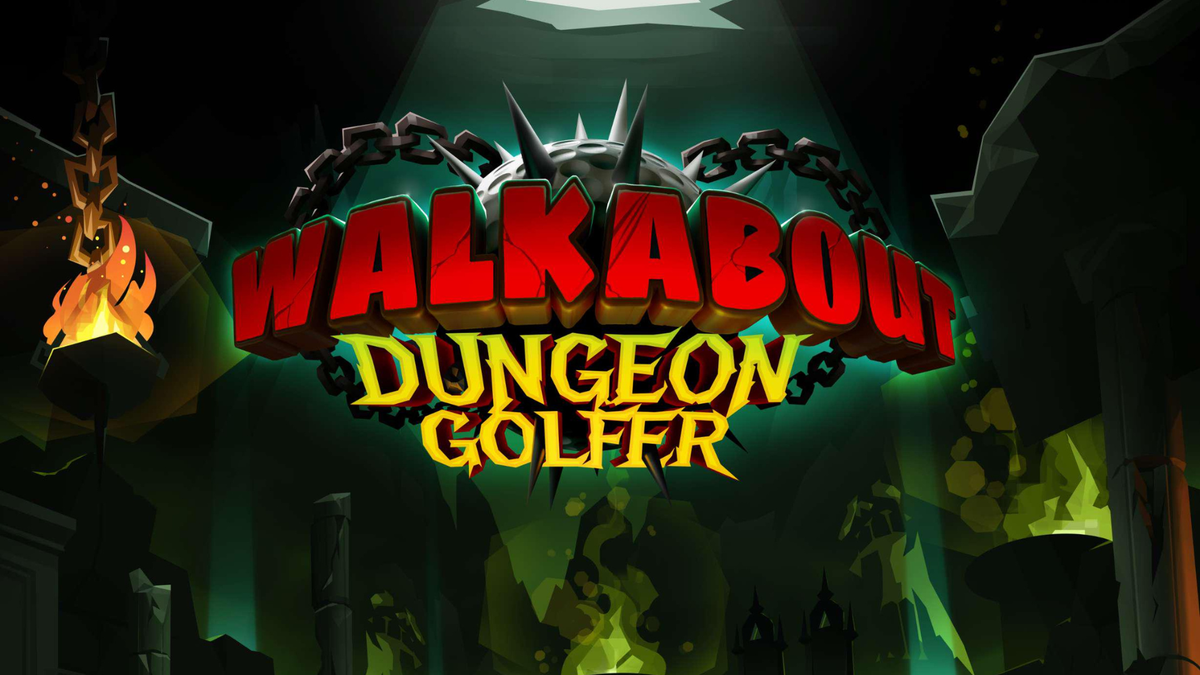
Walkabout Dungeon Golfer is described as a "hybrid title," a term that carries significant weight in the current gaming landscape. Unlike Walkabout Mini Golf, which was built from the ground up for virtual reality, Dungeon Golfer is being designed with cross-platform parity in mind. It will support full crossplay between traditional "flatscreen" platforms (PC and consoles) and VR headsets.
Leveraging the Physics Engine
The core of the game’s appeal lies in its mechanical foundation. Martell confirmed that the game utilizes the exact same physics engine that made Walkabout Mini Golf a critical success. This engine is renowned for its realism, particularly in how it handles friction, momentum, and surface geometry. In Dungeon Golfer, these mechanics are repurposed for combat and exploration. Instead of simply aiming for a hole, players will use their putting skills to trigger traps, solve environmental puzzles, and strike monsters.
Roguelike Integration
The game will incorporate traditional roguelike elements, including:
- Procedural Generation: Dungeons will be randomized to ensure replayability.
- Ability Leveling: Players will collect power-ups that modify the properties of their golf ball or putter, potentially adding elemental damage or trajectory-altering physics.
- Cooperative Play: The game is being built as a social experience, allowing groups of friends to navigate dungeons together, blending the "chill" atmosphere of mini-golf with the tension of a dungeon crawl.
Strategic Expansion: Mighty Coconut as a Third-Party Publisher
Perhaps the most surprising revelation of the showcase was Mighty Coconut’s expansion into the publishing sector. The studio’s first signed title is Grass, a "cozy co-op lawn mowing simulator" developed by the independent outfit Cosmic Dog.
The Logic of "Grass"
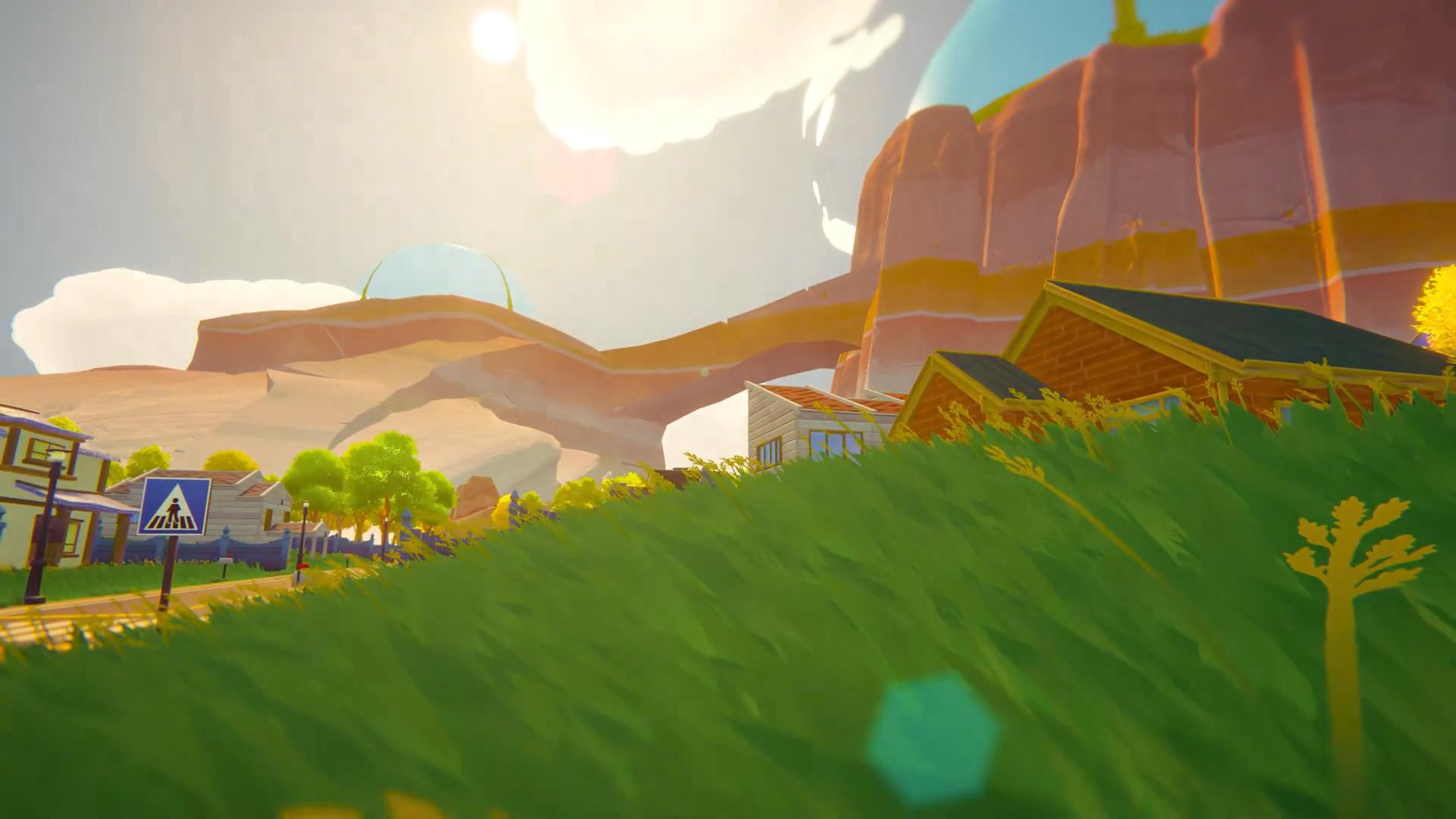
Grass tasks players with controlling remote-operated mowers in a variety of serene environments. While seemingly a departure from golf, the title fits perfectly within the "Mighty Coconut aesthetic"—games that prioritize relaxation, satisfying mechanical loops, and social interaction. By publishing Grass on Steam and Xbox, Mighty Coconut is diversifying its revenue streams and establishing itself as a tastemaker in the burgeoning "cozy sim" genre.
This move follows a trend seen with other successful indie developers, such as Team17 or Coffee Stain Studios, who leveraged their internal success to fund and mentor smaller developers. For Mighty Coconut, this provides a way to maintain a presence on non-VR platforms while their internal team focuses on the resource-intensive development of Dungeon Golfer.
Gloop Lair and the Sustained Success of Walkabout Mini Golf
While the future looks toward dungeons and lawnmowers, the present remains focused on Walkabout Mini Golf. Game Director Jeremy Wynn introduced the trailer for the latest DLC course, Gloop Lair, which is set to launch this Thursday.
The "Evil Lairs" Narrative
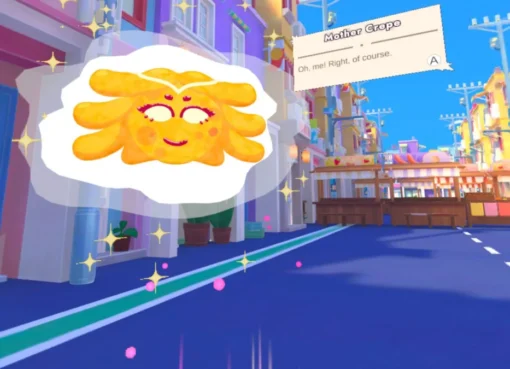
Gloop Lair is the latest entry in the "Evil Lairs" series, a thematic collection of courses that imagine the headquarters of various supervillains. The aesthetic for this course is a "90s metropolis," heavily inspired by the neon-drenched, slightly grimy art style of 1990s comic books and animated series.
The narrative hook involves a city whose water supply has been contaminated and transformed into "hazardous gloop." From a gameplay perspective, this introduces new environmental hazards. The "gloop" acts as a specialized surface with unique friction properties, requiring players to adapt their putting style to navigate the toxic sludge. This level of environmental storytelling has become a hallmark of the Walkabout experience, turning simple mini-golf into an immersive world-building exercise.
Official Responses and Studio Vision
During the presentation, Lucas Martell emphasized that the studio’s growth is fueled by a desire to "follow the fun."
"We never expected a joke trailer to turn into a multi-year development project," Martell noted during the stream. "But the core idea—that the physics of golf can be the basis for an adventure game—felt so right once we started prototyping it. We aren’t just making a golf game; we’re making a ‘Walkabout’ game, which to us means a focus on social connection and tactile, satisfying mechanics."
Regarding the move into publishing, Martell added that the studio is looking for projects that share their DNA. "When we saw Grass, we saw the same kind of meditative, rewarding gameplay that we strive for. It’s a natural fit for our brand."
Industry Implications: The Hybrid Future of VR and Simulation Gaming
The announcements made by Mighty Coconut reflect several broader trends in the gaming industry:
- The "Joke-to-Product" Pipeline: As community feedback loops become tighter through social media, developers are increasingly using April Fools’ Day as a low-risk testing ground for radical ideas. Walkabout Dungeon Golfer joins the ranks of games like Yakuza: Like a Dragon (which transitioned to turn-based combat after a "joke" video) as a project birthed from viral interest.
- The Rise of Cross-Reality (XR) Play: By committing to a hybrid VR/flatscreen release for Dungeon Golfer, Mighty Coconut is addressing one of VR’s biggest hurdles: the "fragmented friend group." Allowing VR users to play seamlessly with friends on traditional consoles is becoming the gold standard for social VR titles.
- The Professionalization of Indie Studios: Mighty Coconut’s shift to publishing indicates a maturing of the VR-first developer tier. No longer content to be a single-hit wonder, these studios are building ecosystems.
Looking Ahead
As the "Mighty Coconut Presents" showcase concluded, the studio directed interested fans to the "Walkabout Connection" newsletter. This will serve as the primary hub for development updates and recruitment for upcoming playtests.
While Summer 2027 is a distant horizon for Walkabout Dungeon Golfer, the immediate release of Gloop Lair and the upcoming launch of Grass ensure that the studio remains a dominant force in the "cozy" and social gaming sectors. For now, the message from Mighty Coconut is clear: whether you are putting through a toxic metropolis, mowing a virtual lawn, or slaying monsters with a putter, the future of gaming is about the simple joy of the "click" and the friends you share it with.
Media Contact:
For further information on Walkabout Dungeon Golfer, Grass, or upcoming Walkabout Mini Golf DLC, please visit the Mighty Coconut official website or follow @WalkaboutMG on social media platforms.