Robert Eggers Unleashes Primal Terror: "The Werewolf" Trailer Promises a Visceral Descent into Gothic Horror
The acclaimed director of "The Witch" and "The Lighthouse" returns with a chilling vision of 13th-century England, showcasing a unique visual palette and a star-studded cast. Early footage suggests a cinematic experience that will leave audiences breathless.
Introduction
Horror aficionados have been eagerly anticipating Robert Eggers’ next cinematic offering, and the release of the trailer for "The Werewolf" (originally titled "Werwulf") has only amplified the excitement. Following the critical and commercial success of his recent reimagining of "Nosferatu," Eggers is poised to once again redefine the boundaries of the genre with a film slated for a December release. The initial trailer has already captivated audiences with its striking visuals, masterful typography, and evocative cinematography, hinting at another cult classic in the making. This article delves into the details of "The Werewolf," exploring its narrative, visual artistry, thematic depth, and the anticipation it has generated within the film community.
The Primal Fear: Unpacking the Narrative and Cast
"The Werewolf" plunges viewers into the grim realities of 13th-century England, a setting ripe for the kind of historical and psychological horror that has become Robert Eggers’ signature. At the heart of the story is a cursed farmer, brought to life by the compelling performance of Aaron Taylor-Johnson. The trailer hints at a harrowing transformation, a descent into a monstrous existence that is as much psychological as it is physical. This narrative choice taps into ancient fears and folklore, exploring themes of isolation, guilt, and the monstrous within the human condition.
Aaron Taylor-Johnson, known for his versatile performances in films like "Kick-Ass," "Godzilla," and "Bullet Train," is no stranger to intense roles. His casting as the cursed farmer suggests a powerful portrayal of internal struggle and external torment. The supporting cast, while not fully detailed in the initial promotional material, is expected to be as meticulously chosen as Eggers’ previous ensembles, promising a rich tapestry of characters to populate this dark medieval world. The synergy between Eggers’ directorial vision and Taylor-Johnson’s acting prowess is a primary driver of anticipation for the film.
A Symphony of Shadows: The Unique Visual Language of "The Werewolf"
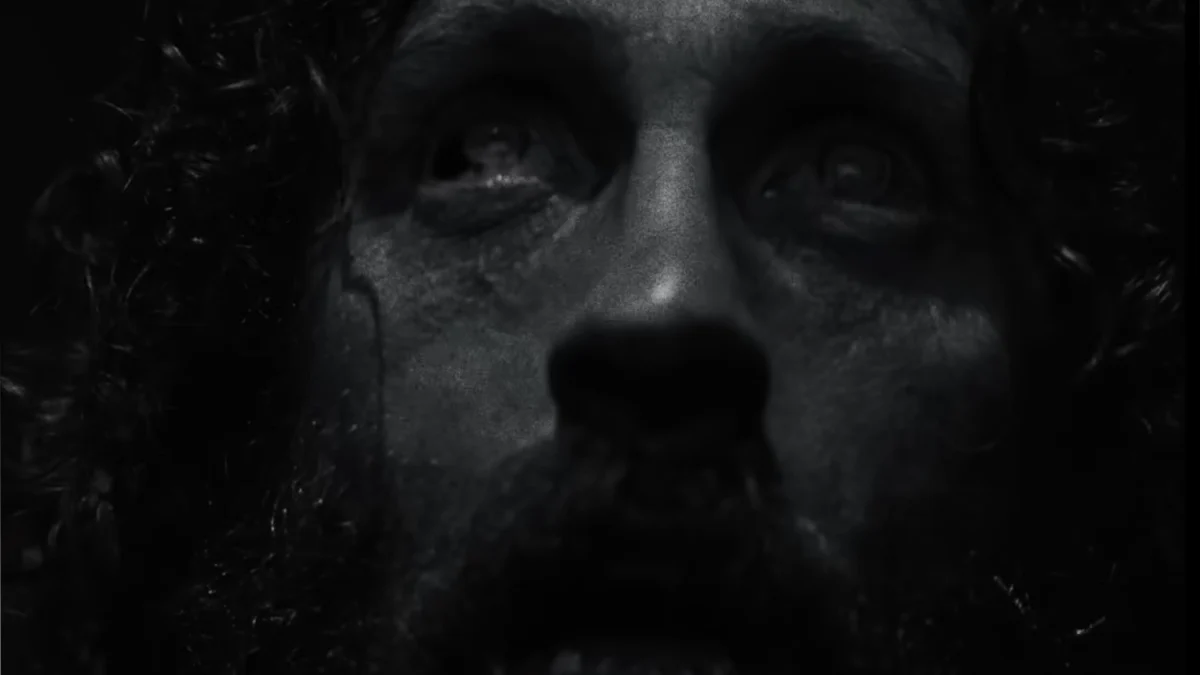
One of the most arresting aspects of "The Werewolf" trailer is its distinct visual aesthetic. Eggers has eschewed the common practice of utilizing a stark black-and-white palette for period horror, opting instead for a unique and unsettling color grading. This deliberate choice is rooted in the emulation of orthochromatic film, a photographic stock highly sensitive to blue and green light while completely insensitive to red.
The Orthochromatic Aesthetic: A Visual Deep Dive
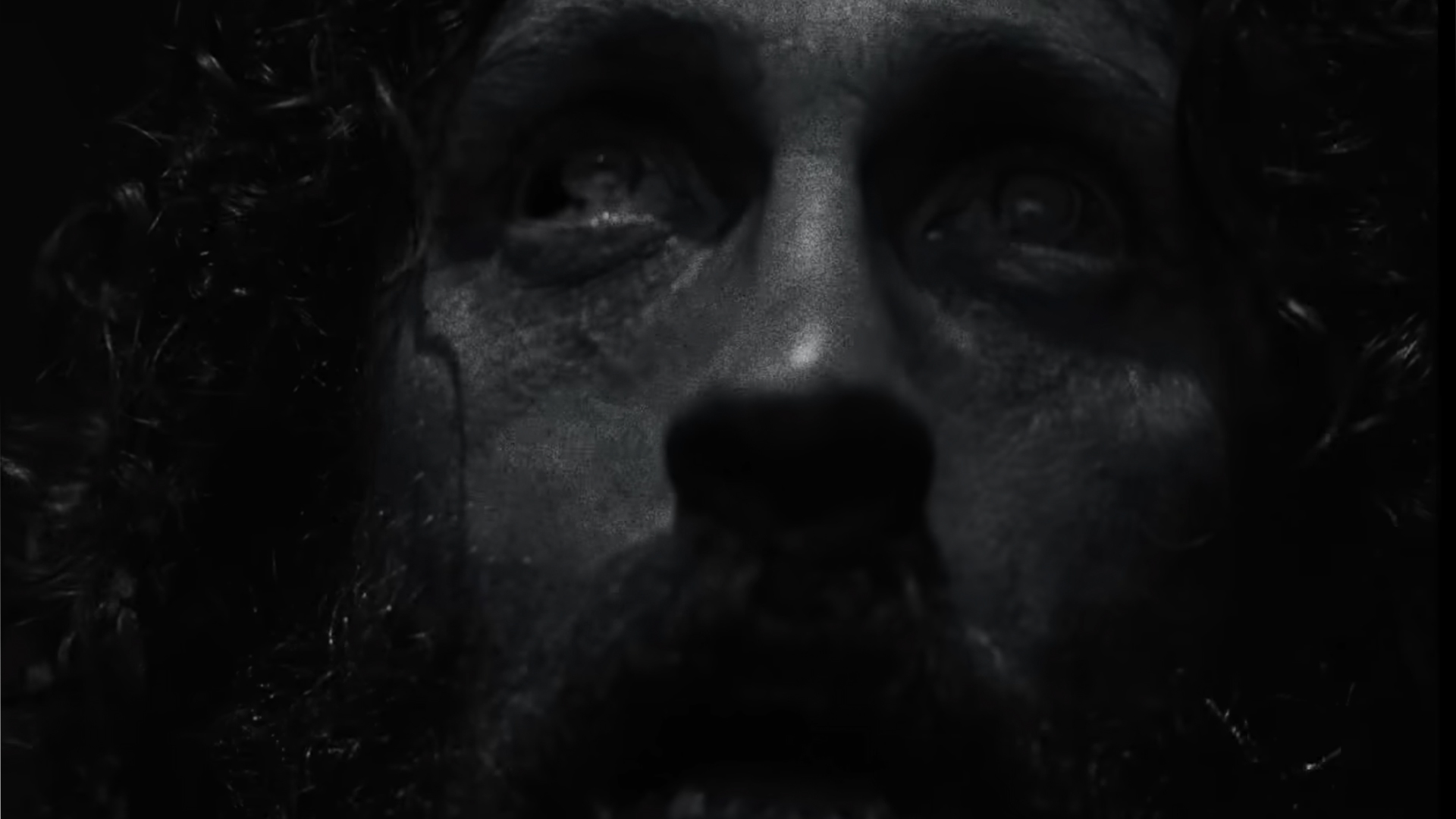
Shot on color 35mm film, the post-production manipulation of "The Werewolf" amplifies shadows and brings forth a dominant spectrum of blues and greens. This creates a murky, foreboding atmosphere that is both familiar and alien. The absence of red light, a color often associated with blood, passion, and vitality, contributes to a chilling, almost sterile feel, even as the subject matter is inherently visceral. This deliberate subversion of audience expectations, where a "color" film evokes a sense of uncanny discomfort, is a testament to Eggers’ commitment to pushing visual boundaries. The resulting palette creates a subtle yet pervasive unease, a constant reminder of the unknown lurking just beneath the surface of this seemingly ordinary medieval life.
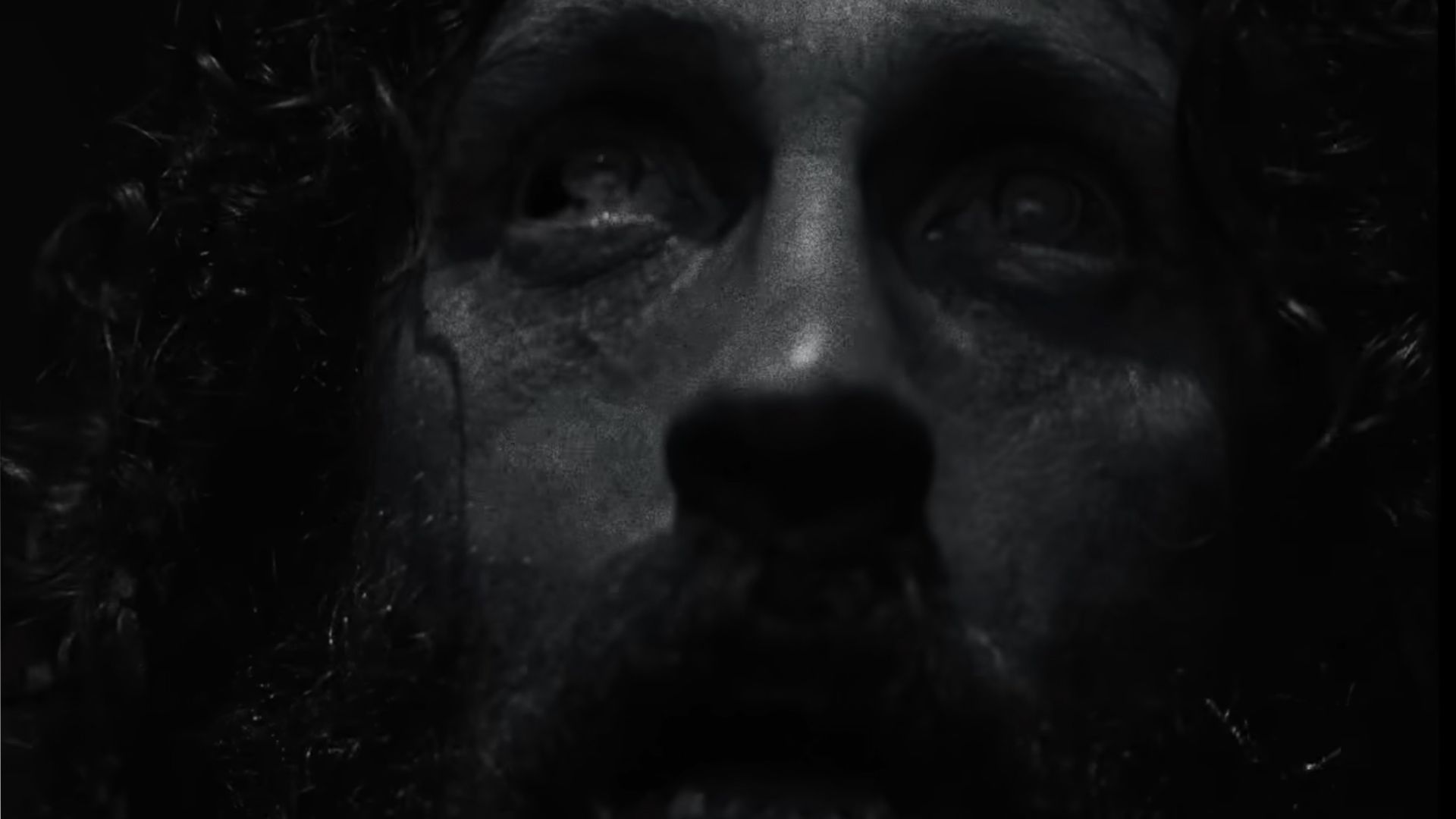
The cinematography, described as "delicious" by early observers, likely employs the meticulous framing and atmospheric lighting that Eggers is renowned for. Each shot in the trailer suggests a carefully composed tableau, where the environment itself becomes a character, reflecting the internal turmoil of the protagonists and the oppressive nature of their world. The interplay of light and shadow, the texture of the medieval landscapes, and the detailed costume and production design all coalesce to create an immersive and deeply unsettling visual experience.
Chronology of Anticipation: From "Nosferatu" to "The Werewolf"
Robert Eggers’ trajectory in the horror genre has been marked by a consistent rise in critical acclaim and audience engagement. His debut feature, "The Witch" (2015), a meticulously researched folk horror film set in 17th-century New England, announced his arrival as a unique voice. Its atmospheric dread and unsettling realism garnered significant attention.
This was followed by "The Lighthouse" (2019), a surreal and claustrophobic psychological thriller that further cemented his reputation for distinct visual style and thematic depth. The film’s monochromatic cinematography and enigmatic narrative captivated critics and audiences alike, earning it widespread praise.
In 2024, Eggers took on the challenge of a remake with "Nosferatu." This project, long in development and shrouded in mystery, finally saw the light of day, delivering a gothic horror that paid homage to the original while infusing it with Eggers’ signature unsettling tone. The success of "Nosferatu" set the stage for "The Werewolf," with expectations now reaching an all-time high. The trailer’s release in the wake of "Nosferatu" suggests a strategic rollout, building on the momentum and the director’s established fanbase. The December release date positions "The Werewolf" as a potential holiday season counter-programming choice, offering a darker alternative to traditional festive fare.
Supporting Data: The Power of Visual Storytelling in Horror
The effectiveness of a horror film often hinges on its ability to engage multiple senses and evoke visceral reactions. "The Werewolf" trailer demonstrates this through its masterful use of sound design and music. The "slicing score" and "spine-chilling sound design" mentioned in the initial report are crucial elements in building atmosphere and suspense. In horror, sound can be as potent as visuals, capable of creating jump scares, building dread, and amplifying the psychological impact of the narrative.
The trailer’s emphasis on the visuals as the primary source of terror is particularly noteworthy. In an era where many horror films rely on explicit gore or jump scares, Eggers’ approach suggests a more insidious form of fear, one that arises from the uncanny, the unfamiliar, and the deeply unsettling atmosphere he crafts. The orthochromatic-inspired palette, by manipulating our perception of light and color, creates a subtle but potent psychological effect, making the audience feel as though they are seeing the world through a distorted lens, mirroring the protagonist’s own warped reality.
The typography featured in the trailer also contributes to the film’s overall aesthetic. The choice of fonts, their arrangement, and their movement are all elements of visual design that can reinforce thematic concerns. In the context of "The Werewolf," the typography likely complements the historical setting and the film’s ominous tone, adding another layer of deliberate artistry to the promotional material.
Official Responses and Industry Buzz
While specific official statements regarding "The Werewolf" beyond the trailer release are limited, the industry’s reaction has been overwhelmingly positive. Film critics and horror enthusiasts have lauded the trailer for its ambition and its distinctive visual style. The consensus is that Eggers is once again pushing the envelope, delivering a film that promises to be both artistically significant and genuinely terrifying.
The anticipation surrounding "The Werewolf" is a testament to Robert Eggers’ growing stature as a master of modern horror. His ability to blend historical accuracy with psychological depth and a unique visual sensibility has earned him a devoted following and critical acclaim. The film’s early buzz suggests that it is poised to become another landmark entry in his already impressive filmography.
Implications and Future of Horror Filmmaking
"The Werewolf" has significant implications for the future of horror filmmaking. Robert Eggers’ willingness to experiment with visual palettes and narrative conventions challenges the established tropes of the genre. His success with films like "The Witch" and "The Lighthouse" has paved the way for more auteur-driven horror, where directors are given the creative freedom to explore unique visions.
The film’s emphasis on atmospheric dread and psychological horror over gratuitous violence suggests a growing audience appetite for more nuanced and thought-provoking scares. The orthochromatic aesthetic, in particular, is a bold artistic choice that could inspire other filmmakers to explore unconventional visual approaches.
Furthermore, Eggers’ meticulous attention to historical detail, even when applied to fantastical elements, lends a grounding realism to his horror narratives. This approach can elevate the genre beyond simple genre entertainment, allowing for deeper explorations of human nature and societal anxieties. As "The Werewolf" prepares for its release, it stands as a beacon of innovative and artistically driven horror, promising to leave an indelible mark on the cinematic landscape. The film is not just a werewolf movie; it is an invitation to explore the primal fears that lie dormant within us, refracted through a hauntingly beautiful and deeply unsettling visual prism.