
A Ray of Hope in the Dust: "Confidence," the 1933 Cartoon That Battled the Great Depression
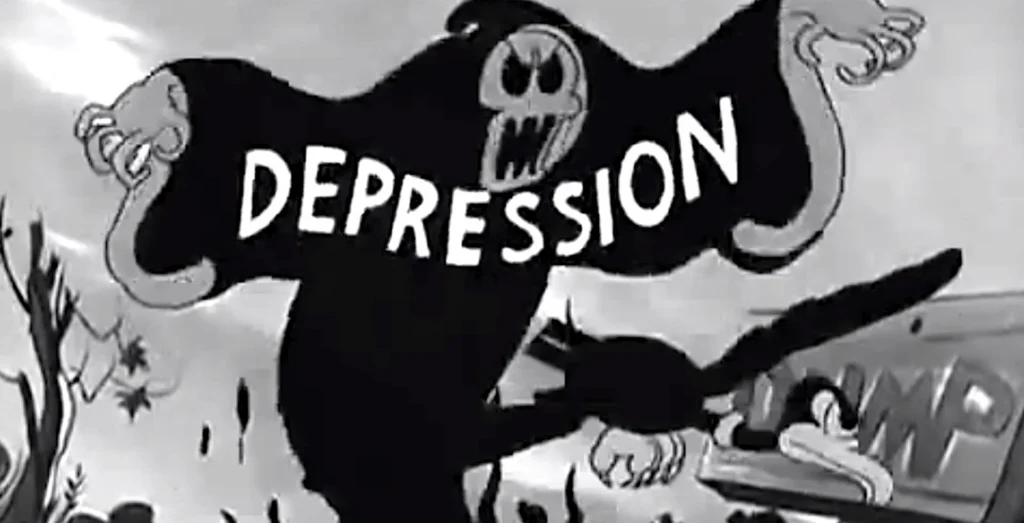
New York, NY – May 6th, 2026 – In the annals of American cinematic history, few works manage to encapsulate the profound societal anxieties of an era while simultaneously offering a beacon of hope. The year 1933, a nadir of the Great Depression, saw the release of "Confidence," a vibrant musical animation that, through its unique blend of escapism and prescient social commentary, offered a much-needed psychological balm to a nation grappling with unprecedented hardship. Starring a nascent Franklin Delano Roosevelt and the precursor to Mickey Mouse, Oswald the Lucky Rabbit, this short film stands as a testament to the power of animation and popular culture to navigate times of crisis.
The original article, published on May 6th, 2026, on Open Culture, highlights the enduring relevance of "Confidence" by presenting its embedded YouTube video and offering a concise overview of its context and impact. While the original piece provides a valuable snapshot, a deeper dive into the historical backdrop, the creative forces at play, and the lasting implications of such a production reveals a more complex and compelling narrative.
The Shadow of the Depression: A Nation in Despair
The Great Depression, ignited by the Wall Street Crash of 1929, plunged the United States into a decade of economic devastation. Unemployment soared to an estimated 25%, businesses shuttered, and poverty became a pervasive reality for millions. The very fabric of American society was strained, and a pervasive sense of hopelessness threatened to take root. In such a climate, entertainment and escapism became not just a luxury, but a vital necessity.
As the original article notes, the film industry, paradoxically, thrived during this period. Movie theaters offered a temporary sanctuary from the grim realities outside, providing audiences with glimpses of glamour, romance, and happy endings – fantasies that offered a stark contrast to their own struggles. Films like "The Purple Rose of Cairo," though produced much later, capture this desire for escapism, where audiences sought solace in narratives far removed from their everyday lives. The allure of opulent lifestyles, sophisticated urban settings, and neatly resolved romantic entanglements provided a temporary reprieve from the gnawing anxieties of unemployment and financial insecurity.
"Confidence": A Bold Creative Vision Amidst Despair
Against this backdrop, director Bill Nolan, often hailed as the "Father of Rubber Hose Animation," made a daring choice with "Confidence." Instead of purely offering escapist fantasy, Nolan dared to acknowledge the pervasive gloom of the Depression. The animation plunges its cheerful barnyard characters, led by Oswald the Lucky Rabbit, into a nightmarish landscape personified by a cowled figure of Death, laying waste to the land. This visual representation of the economic crisis was a stark departure from the usual lighthearted fare, and its inclusion is particularly striking. The juxtaposition of hyper-cheerful vintage barnyard animals and a rogue monkey experiencing such graphic despair would have been, as the original article suggests, "weirdly upsetting" for audiences accustomed to unadulterated cheer.
The very premise of Oswald seeking counsel from the newly elected President Franklin Delano Roosevelt is a powerful narrative device. It reflects a nation looking towards its leadership for solutions and a sense of direction. The inclusion of FDR, a figure who would come to embody hope and resilience during this era, imbues the animation with a sense of historical significance. While the original article mentions the President’s campaign promises being "tailored to the demands of musical comedy," this refers to his broader political persona and later portrayals, particularly in musicals like "Annie," where he was depicted offering comfort and inspiration. The creators of "Confidence" were prescient in their inclusion of FDR, foreshadowing his crucial role in galvanizing the nation.
The Chronology of Hope: From Despair to Determination
The narrative arc of "Confidence" mirrors the evolving sentiment of the nation. Oswald, initially despairing and fleeing from the personification of the Depression, eventually finds a solution. This solution, as described in the original article, is presented through a "Presidential-sanctioned giant syringe" as a tool to revive Depression-era America. This potent metaphor, while potentially unsettling in its literal depiction, speaks volumes about the perceived need for decisive action and a forceful intervention to combat the economic malaise.
The "figurative injection of confidence" is then translated into a "literal" and liberal dose delivered in a manner that brings the "barnyard back on its singing, dancing feet." This imagery powerfully conveys the idea of a collective resurgence, a return to vitality and optimism, driven by a renewed sense of purpose and a belief in recovery. The cartoon’s climax, where Oswald’s frown is turned upside down by the "can-do spirit" embodied by FDR’s New Deal philosophy, encapsulates the underlying message of resilience and determination that would come to define the era.
The original article’s note about an earlier version appearing in 2014 underscores the enduring interest in this piece of historical animation. This suggests that "Confidence" is not merely a forgotten relic, but a subject that continues to resonate with historians, animation enthusiasts, and those interested in the cultural impact of economic hardship.
Supporting Data: The Power of Propaganda and Morale
The effectiveness of "Confidence" as a morale booster can be understood within the broader context of propaganda and its role during times of national crisis. While "Confidence" might not have been overt political propaganda in the same vein as wartime efforts, its intent was undeniably to influence the public mood. The animation served as a form of psychological support, offering a visual narrative of overcoming adversity.
The inclusion of Oswald the Lucky Rabbit, a character already popular with audiences, would have further amplified its reach and impact. Oswald, a creation of Walt Disney before the advent of Mickey Mouse, represented a familiar and beloved figure, making the message of hope more accessible and relatable. The association with President Roosevelt, a leader who was actively working to implement policies aimed at economic recovery, lent the animation an air of official endorsement and reinforced the notion that the government was actively engaged in addressing the nation’s woes.
The original article’s mention of "Private Snafu," World War II propaganda cartoons created by luminaries like Dr. Seuss and Frank Capra, highlights the long-standing tradition of using animation for public messaging. While "Confidence" predates these more overtly propagandistic efforts, it shares the fundamental goal of shaping public perception and fostering a particular mindset. The "rubber hose animation" style, characterized by its fluid, exaggerated movements, was inherently engaging and visually dynamic, making its message all the more impactful.
Official Responses and the Enduring Legacy of "Confidence"
While direct "official responses" to "Confidence" in 1933 are not extensively documented in the original article, the very creation and release of such a film, featuring the President, suggest a level of tacit approval or at least an understanding of its potential to bolster national morale. President Roosevelt himself was a master communicator, and his willingness to be depicted in such a prominent animation likely signaled his recognition of the power of popular culture to connect with the masses.
The enduring legacy of "Confidence" lies in its ability to transcend its historical moment. It serves as a poignant reminder of how art and animation can be potent tools for social commentary and psychological resilience. The original article’s connection to other related content, such as photographs documenting the Great Depression and recipes from the era, further contextualizes "Confidence" within a broader cultural landscape of coping and recovery.
The "permeable division" between entertainment and nation-leading, as alluded to in the original article, is a concept that remains highly relevant today. In an era of social media and constant digital connectivity, the lines between celebrity, politics, and public discourse are more blurred than ever. "Confidence," by seamlessly integrating a political leader with a popular animated character, foreshadowed this trend, demonstrating how entertainment could be harnessed to communicate important social and political messages.
Implications for Today: Lessons from the Past
The re-emergence of "Confidence" in the digital age, as highlighted by its presence on Open Culture, speaks to its enduring value. The cartoon offers several key implications for contemporary society:
- The Power of Metaphor in Crisis: The use of the giant syringe as a symbol of revitalizing the economy is a powerful and memorable metaphor. It highlights how complex issues can be distilled into relatable imagery to convey a sense of urgency and the need for decisive action. This lesson is pertinent in today’s world, where nuanced policy debates often require clear and impactful communication.
- Animation as a Tool for Social Commentary: "Confidence" demonstrates that animation is not merely for children’s entertainment. It can be a sophisticated medium for addressing serious societal issues, offering unique perspectives, and engaging audiences on an emotional level. This underscores the potential of animation in educational contexts and in sparking important conversations.
- The Importance of Hope and Resilience: The core message of "Confidence" – that even in the darkest of times, hope and a "can-do" spirit can prevail – remains a timeless and crucial one. In a world often bombarded with negative news and anxieties, such narratives of resilience and recovery are more vital than ever.
- The Intertwined Nature of Culture and Politics: The cartoon serves as a historical example of how popular culture can reflect, and even shape, political discourse and national sentiment. This interconnectedness is a recurring theme throughout history and continues to be a significant factor in contemporary society.
In conclusion, "Confidence" is more than just a historical curiosity; it is a valuable artifact that offers profound insights into the American psyche during the Great Depression. Through its innovative use of animation, its bold narrative choices, and its optimistic message, the cartoon provided a much-needed dose of courage and resilience. As we continue to navigate our own challenges, the lessons embedded within this 1933 animation remain remarkably relevant, reminding us of the enduring power of hope, creativity, and collective determination in the face of adversity.



Leave a Comment