
A Second Act for a Cinematic Shockwave: "The Transformers: The Movie" Returns to Theaters for its 40th Anniversary
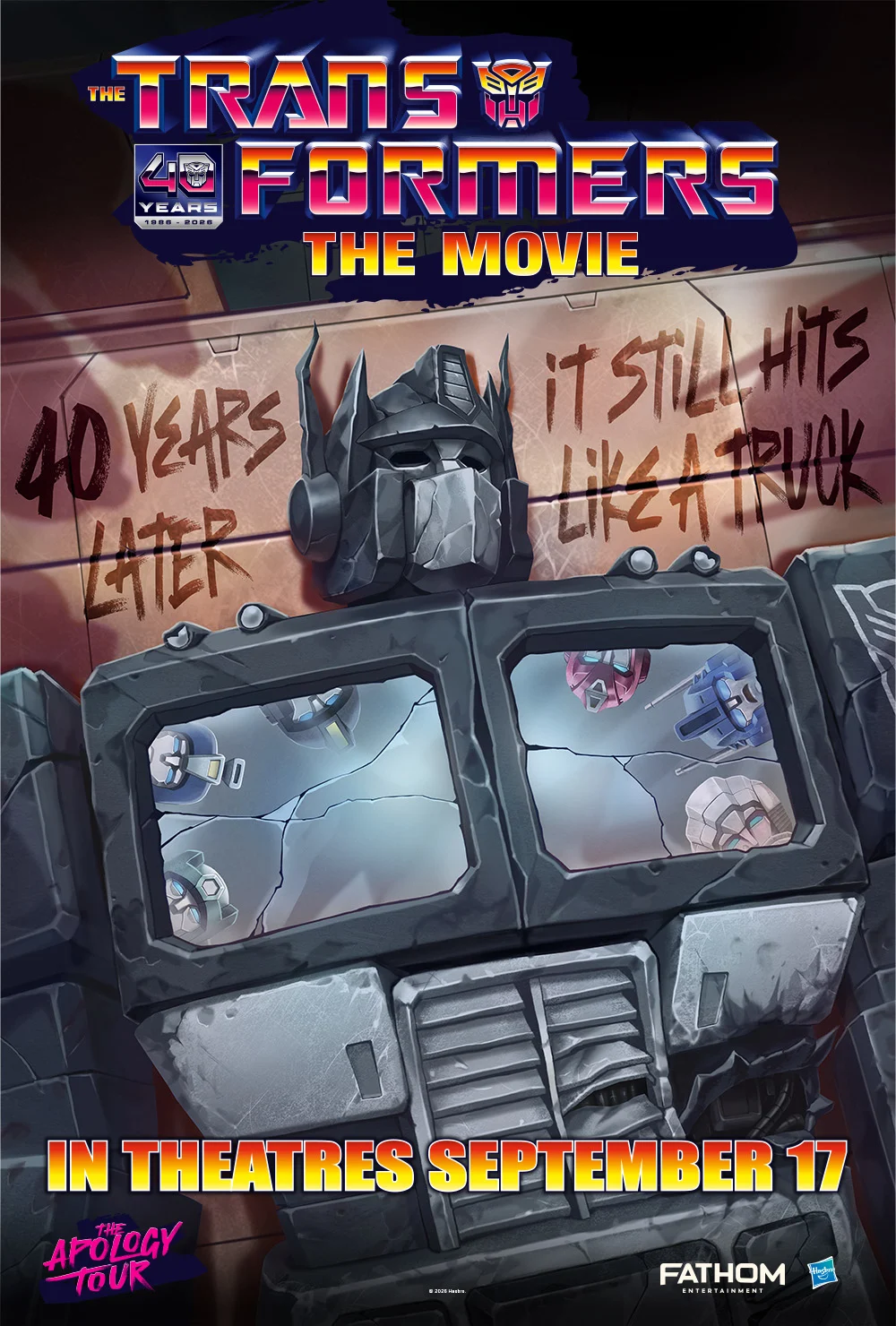
The enduring impact of a surprisingly dark animated classic is being celebrated with a 4K theatrical rerelease, promising to reignite nostalgia and perhaps offer a touch of catharsis for a generation scarred by a pivotal on-screen demise.
Hasbro is set to revisit one of the most emotionally resonant and, for many, traumatizing moments in animation film history by bringing the 1986 animated cult classic, The Transformers: The Movie, back to the big screen. This special 40th-anniversary engagement, scheduled to run from September 17th through September 21st, will feature a brand-new 4K remaster, offering audiences a chance to experience the film with enhanced visual fidelity. The rerelease is being orchestrated through a strategic partnership with Fathom Entertainment, a prominent player in the niche yet impactful world of theatrical distribution for special events.
This cinematic revival is being billed, with a knowing wink, as part of Hasbro’s "Apology Tour." This tongue-in-cheek campaign directly addresses the profound and lasting emotional impact that the death of Optimus Prime, the beloved leader of the Autobots, had on young audiences during the film’s initial release. The shocking and unflinching portrayal of his demise was a departure from the generally lighter tone of the preceding television series, and it remains one of the franchise’s most defining and unforgettable moments. This bold narrative choice, while controversial at the time, undeniably contributed to the film’s significant cultural legacy, far exceeding its initial box office performance and cementing its status as a landmark in animated storytelling.
The Genesis of a Generation’s Trauma: A Look Back at the 1986 Film
The Transformers: The Movie was a significant undertaking, helmed by director Nelson Shin and brought to life through the collaborative efforts of Sunbow Productions and Marvel Productions, with animation duties handled by the esteemed Toei Animation. The film was envisioned to expand the universe of the wildly popular Transformers television series, and it was granted a considerably larger budget than its small-screen predecessor. This financial backing allowed for a more ambitious scope, a darker and more mature thematic undertone, and a remarkably star-studded voice cast that lent an unexpected gravitas to the proceedings.
The film’s narrative plunged audiences into a galaxy-spanning conflict between the heroic Autobots and the malevolent Decepticons. Set in the year 2005, the story depicted a desperate struggle for survival as the Autobots, reeling from a devastating attack on their homeworld Cybertron, found themselves fighting on Earth against overwhelming odds. The introduction of new characters and the revelation of ancient cosmic entities added layers of complexity to the established mythology.
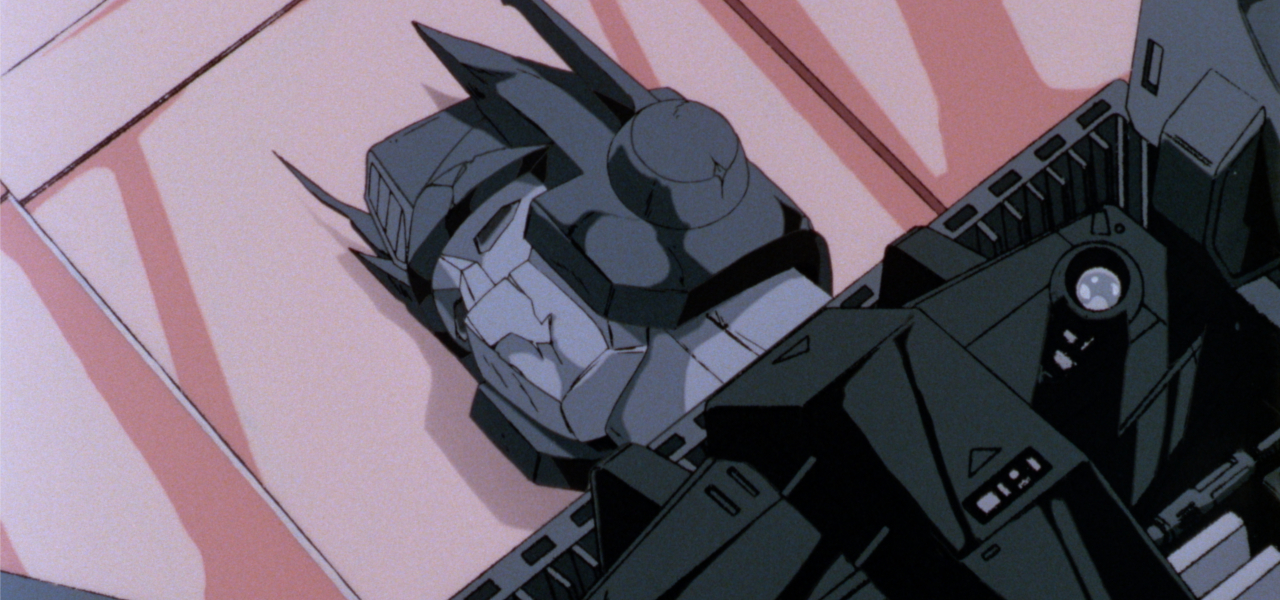
However, it was the film’s willingness to confront the reality of mortality, even within the context of a children’s animated feature, that truly set it apart. The death of Optimus Prime, portrayed with poignant vulnerability by Peter Cullen, was not a mere plot device but a profound emotional turning point. The scene, characterized by its stark depiction of loss and the grief of his Autobot comrades, resonated deeply with viewers and has since become a touchstone for discussions about the impact of storytelling on young audiences. The film also famously featured the final cinematic performance of the legendary Orson Welles, who lent his iconic voice to the planet-devouring Unicron, a character whose cosmic menace was amplified by Welles’s masterful delivery.
The impressive voice ensemble also included the talents of Frank Welker, reprising his role as Megatron and voicing other key characters; Leonard Nimoy, bringing gravitas to the stoic Galvatron; Judd Nelson as Hot Rod/Rodimus Prime; Eric Idle of Monty Python fame as Wreck-Gar; and Robert Stack as the unflappable Ultra Magnus. This caliber of talent underscored the ambitious nature of the production and contributed to the film’s lasting appeal.
The "Apology Tour": A Nostalgic and Cathartic Rerelease
The decision to bring The Transformers: The Movie back to theaters 40 years later is more than just a commercial venture; it’s a cultural event acknowledging the film’s enduring legacy. The "Apology Tour" framing by Hasbro is a clever marketing strategy that taps into the shared experience of a generation. For many who grew up in the 1980s, the film represents a formative encounter with complex themes of loss, sacrifice, and the consequences of war. The emotional resonance of Optimus Prime’s death was so potent that it transcended the boundaries of a typical children’s movie, leaving an indelible mark on its viewers.
This rerelease provides a unique opportunity for those who experienced the film’s emotional impact firsthand to revisit it in a communal setting, perhaps finding a sense of shared nostalgia and even catharsis. For newer generations, it offers a chance to witness a pivotal piece of animation history and understand the cultural phenomenon that The Transformers became. The 4K remaster promises to enhance the viewing experience, bringing out the vibrant animation and detailed character designs that were hallmarks of the era.
A Legacy Beyond the Box Office: Supporting Data and Cultural Impact
While The Transformers: The Movie may not have been a blockbuster in the traditional sense, its cultural footprint has been immense. The film’s narrative departures and its willingness to tackle mature themes helped to elevate animated storytelling, demonstrating that animation could be a medium for complex and emotionally resonant narratives. The impact can be seen in several key areas:
.png)
- Fan Engagement: The film has cultivated a dedicated fanbase that has kept its memory alive through decades of online discussions, fan art, and continued appreciation for its unique tone.
- Merchandising and Franchise Expansion: The movie not only introduced new characters and plotlines but also spurred the creation of a wave of new toys and merchandise, further solidifying the Transformers brand. The success of these ancillary products has been crucial to the franchise’s longevity.
- Influence on Subsequent Media: The film’s darker tone and willingness to explore themes of loss have influenced subsequent animated series and films, setting a precedent for more sophisticated storytelling within the genre. The character of Unicron, in particular, remains an iconic villain, representing a cosmic threat that has been echoed in various forms across different media.
- Critical Reappraisal: While initially met with mixed reviews, The Transformers: The Movie has undergone a significant critical reappraisal over the years. It is now widely recognized for its ambitious storytelling, its memorable characters, and its significant contribution to the history of animation. Online aggregators and fan reviews consistently rank it highly among animated films of its era.
Official Responses and Future Prospects
Hasbro’s decision to bring The Transformers: The Movie back to theaters is a strategic move that capitalizes on the enduring popularity of the franchise. The "Apology Tour" concept, while playful, acknowledges the deep connection fans have with the characters and their stories.
"We’re incredibly excited to bring The Transformers: The Movie back to the big screen for its 40th anniversary," stated a representative from Hasbro’s entertainment division. "This film holds a special place in the hearts of so many fans, and we wanted to offer them a chance to relive those powerful moments in a way that honors its legacy. The ‘Apology Tour’ is our way of celebrating the film’s impact and acknowledging the emotional journey it took audiences on."
Fathom Entertainment, known for its expertise in bringing special event programming to cinemas, is instrumental in the logistics of this rerelease. "We are thrilled to partner with Hasbro on this landmark anniversary," said a Fathom spokesperson. "The enduring appeal of The Transformers: The Movie is undeniable, and we are confident that audiences will flock to see this beloved classic on the big screen in a stunning new 4K remaster. It’s a testament to the film’s timeless storytelling and its lasting impact on popular culture."
Beyond the theatrical rerelease, Hasbro has indicated that additional anniversary promotions are in the works. These are expected to include a range of new toys, collectible merchandise, and publishing initiatives that will further engage fans and celebrate the film’s four-decade milestone. Ticket sales are anticipated to open later this summer, with plans for international screenings to coincide with the U.S. rollout, suggesting a global celebration of this animated icon.
Implications and The Future of Nostalgia-Driven Cinema
The success of The Transformers: The Movie‘s rerelease could have significant implications for the future of nostalgia-driven cinema and the way beloved older films are presented to contemporary audiences. In an era where intellectual property and established brands are highly valued, the power of a well-executed anniversary rerelease cannot be underestimated.
The emphasis on a high-quality remaster, such as the 4K presentation, is crucial. It signals a commitment to honoring the original work while enhancing the viewing experience for a modern audience accustomed to crisp visuals and immersive sound. This approach can revitalize interest in older films, introducing them to new generations and recontextualizing them within the current media landscape.
Furthermore, the "Apology Tour" concept offers a blueprint for how studios can engage with their fan bases in a more authentic and relatable way. By acknowledging the emotional impact of their storytelling, even the more challenging aspects, brands can foster deeper connections with their audiences. This form of meta-commentary can transform a simple rerelease into a cultural event, generating buzz and encouraging discussion.
As audiences prepare to revisit the epic battles, the memorable characters, and the poignant moments of The Transformers: The Movie, it’s clear that the film’s legacy continues to resonate. The 40th-anniversary rerelease is not just a trip down memory lane; it’s a testament to the enduring power of animation to capture hearts, spark imaginations, and, occasionally, leave a lasting emotional imprint that even time cannot erase. The "Apology Tour" may be tongue-in-cheek, but the sentiment it represents—a recognition of the profound impact of storytelling—is very real.


Leave a Comment