Aang Soars Back to the Big Screen: "Avatar Aang: The Last Airbender" Unveils Limited Theatrical Run, Sparking Oscar Speculation
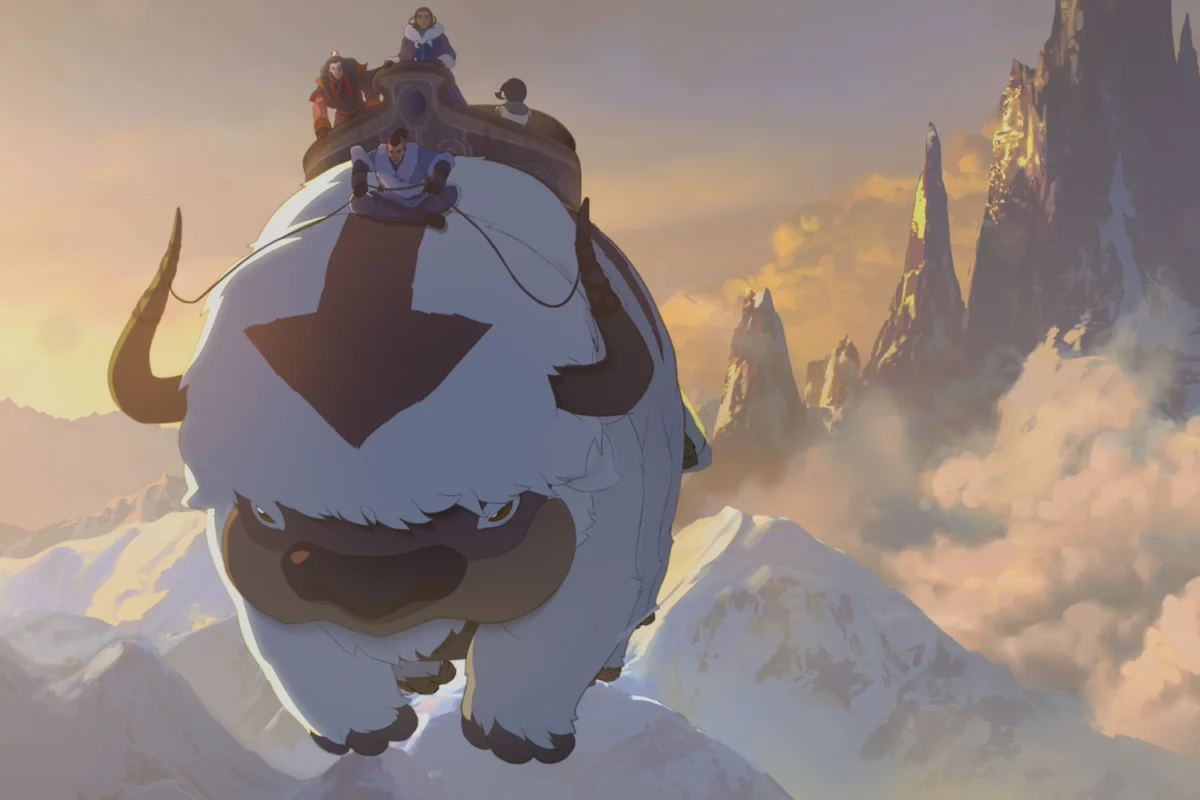
New York, NY & Los Angeles, CA – The highly anticipated animated feature, Avatar Aang: The Last Airbender, is set to make a fleeting, yet significant, appearance on the big screen, much to the delight of dedicated fans and the keen observation of industry analysts. Paramount Pictures has confirmed an exclusive, one-week theatrical engagement in select cinemas across New York and Los Angeles, a move widely interpreted as a strategic play for eligibility in next year’s Academy Awards. This limited release precedes its global streaming debut on Paramount+, setting the stage for a critical and commercial journey that begins this July.
Exclusive Theatrical Engagement
From July 24th to July 30th, fans in the entertainment capitals will have a unique opportunity to experience the next chapter of the beloved Avatarverse in a theatrical setting. The film will hold three daily showings at two prominent locations: AMC Burbank Town Center 6 in Los Angeles, California, and AMC Empire 25 in Manhattan, New York. This curated release window provides a rare chance for enthusiasts to witness Aang’s latest adventure with the immersive quality of cinema, a stark contrast to its immediate streaming future.
Adding to the excitement, attendees of the renowned San Diego Comic-Con will also be afforded an early glimpse, with a special big-screen showing scheduled for July 24th. This strategic Comic-Con premiere serves not only as a fan-service gesture but also as an invaluable platform for generating early buzz and critical discussion, leveraging the passionate community gathered at one of the largest pop culture events globally. Tickets for these exclusive screenings are currently available, signaling a high demand among the franchise’s fervent followers. For those unable to attend these select theatrical engagements, the film will become widely accessible on Paramount+ starting July 25th, just one day after its initial cinema debut.
The Strategic Play for Oscar Gold
The decision by Paramount to grant Avatar Aang: The Last Airbender a limited theatrical release, particularly in the crucial Los Angeles and New York markets, is a time-honored industry tactic. As initially reported by Variety, this move "signals that Paramount will likely be campaigning Avatar Aang for next year’s Oscar for best animated feature and other accolades." The Academy of Motion Picture Arts and Sciences mandates specific eligibility criteria for films vying for an Oscar nomination, including a minimum theatrical run of at least seven consecutive days in at least one commercial theater in Los Angeles County. By meeting this requirement, Paramount ensures the film qualifies for consideration, positioning it for potential critical acclaim beyond its commercial success on streaming.
This early-bird strategy, occurring months before the traditional awards season, aims to establish the film’s artistic merit and visibility among Academy voters. While the theatrical window is brief, it allows for critical reviews to emerge, building a narrative around the film’s quality and impact that can be sustained through subsequent promotional efforts leading up to nomination deadlines. For an animated feature, especially one from a beloved franchise, an Oscar nomination can significantly elevate its profile, enhance its legacy, and draw new audiences to the expansive world of Avatar.
A Legacy Reimagined: The Chronology of the Avatarverse and Aang’s New Adventure
The Avatar universe, co-created by Michael Dante DiMartino and Bryan Konietzko, has captivated audiences for nearly two decades, evolving from a critically acclaimed animated series into a global phenomenon. Avatar Aang: The Last Airbender represents a pivotal new chapter, expanding upon a rich tapestry of storytelling that blends intricate world-building, profound philosophical themes, and breathtaking action sequences.
From Phenomenon to Franchise
The journey began with Avatar: The Last Airbender (2005-2008), which introduced viewers to Aang, the last surviving Airbender and the Avatar, a spiritual bridge between the human and spirit worlds. Tasked with mastering all four elements—Air, Water, Earth, and Fire—to bring balance to a war-torn world, Aang’s epic quest alongside his companions Katara, Sokka, and later Toph, became a benchmark for animated storytelling. The series garnered widespread praise for its complex characters, mature themes, and ability to appeal to audiences of all ages.
Its sequel series, The Legend of Korra (2012-2014), picked up 70 years after Aang’s era, following Avatar Korra as she navigated a rapidly modernizing world grappling with new spiritual and political challenges. Both series solidified the franchise’s reputation for innovative animation, compelling narratives, and exploration of social issues. The formation of Avatar Studios in 2021 by DiMartino and Konietzko, under Paramount and Nickelodeon, marked a renewed commitment to expanding the universe with original, creator-driven content across various formats. This animated film is one of the first major projects to emerge from this dedicated studio, ensuring a direct connection to the creative vision that birthed the franchise.
Bridging the Eras: Plot and Context
Avatar Aang: The Last Airbender is positioned uniquely within the existing timeline, serving as "both a sequel to that series, and a prequel to The Legend of Korra." This strategic placement allows the film to delve into the untold stories of Aang’s life as the Avatar following the Hundred Year War, bridging the narrative gap between the two iconic series. The official synopsis provides a tantalizing glimpse into the film’s central conflict:
The new film, based on the animated series created by Michael Dante DiMartino and Bryan Konietzko, sees Avatar Aang, the world’s last Airbender, learn of an ancient power that could save his culture from extinction. With the help of his friends, he embarks on a global quest to find it before it falls into the wrong hands and threatens to upend the peace they sacrificed everything to achieve.
This synopsis suggests a story deeply rooted in Aang’s personal journey and his enduring commitment to his Air Nomad heritage, which was nearly eradicated by the Fire Nation. The discovery of an "ancient power" that could "save his culture from extinction" implies a challenge of monumental scale, potentially offering insights into the spiritual and cultural rebuilding efforts post-war. The involvement of his trusted friends underscores the enduring theme of camaraderie and collective effort that defined the original series. The stakes are incredibly high, as the potential misuse of this power threatens to "upend the peace they sacrificed everything to achieve," highlighting the fragility of post-war stability and the constant vigilance required of the Avatar. Fans can expect a narrative that not only explores new corners of the Avatarverse but also deepens our understanding of the characters’ development in the intervening years before Korra’s time.
Assembling the All-Star Ensemble: Supporting Data and Creative Vision
The success of any animated film hinges not only on its story and visuals but also on the talent that brings its characters to life. Avatar Aang: The Last Airbender boasts an impressive roster of voice actors and a seasoned creative team, signaling a commitment to quality that aligns with its ambitious goals.
A Voice Cast of Industry Heavyweights
The film features a star-studded voice cast, blending established talent with fresh voices, all tasked with embodying characters deeply cherished by millions. Eric Nam steps into the titular role of Aang, bringing a contemporary vocal presence to the iconic Airbending master. The cast is further enriched by Dave Bautista as Tagah, a new character whose role promises to be significant given Bautista’s formidable voice acting presence. Jessica Matten lends her voice to Katara, Aang’s steadfast companion and Waterbending master, while Román Zaragoza voices the ever-resourceful and humorous Sokka. Steven Yeun, known for his versatile performances, takes on the complex character of Zuko, the redeemed Fire Lord, and Dionne Quan voices the formidable Earthbending prodigy, Toph.
Beyond the core Gaang, the film features an array of celebrated actors in undisclosed roles, including Freida Pinto, Ke Huy Quan (an Academy Award winner himself), Taika Waititi, Geraldine Viswanathan, Ronny Chieng, and Ken Jeong. This ensemble cast not only brings immense talent to the project but also generates significant mainstream appeal, drawing in audiences who might be new to the Avatarverse. Crucially, the beloved Dee Bradley Baker returns to voice the iconic animal companions, Appa and Momo, ensuring a comforting sense of continuity and authenticity for long-time fans. The meticulous selection of this diverse and talented cast underscores the production’s dedication to delivering a cinematic experience worthy of the franchise’s legacy.
The Artistic Team Behind the Vision
Guiding this ambitious project are directors Lauren Montgomery, Steve Ahn, and William Mata. Lauren Montgomery is a veteran of the Avatar universe, having served as a storyboard artist and director on Avatar: The Last Airbender and The Legend of Korra, as well as a director for various DC animated films. Her deep understanding of the franchise’s visual style and narrative sensibilities is invaluable. Steve Ahn also brings a wealth of experience, having contributed to both Avatar: The Last Airbender and The Legend of Korra as a storyboard artist, alongside work on other major animated productions. William Mata, with a strong background in animation, completes the directorial trio, ensuring a fresh yet faithful approach to the beloved universe. Their collective expertise and intimate familiarity with the Avatarverse are critical in maintaining the high standards of animation and storytelling that fans have come to expect. Their leadership ensures that the film not only looks stunning but also resonates emotionally and thematically with the established lore.
The Art of the Oscar Campaign
Paramount’s strategic limited theatrical run is a deliberate maneuver to qualify Avatar Aang for the Academy Award for Best Animated Feature. This category is fiercely competitive, often dominated by major studios like Disney and Pixar. However, the Academy has increasingly recognized diverse and international animated works, providing an opening for films like Avatar Aang. The film’s pedigree, stemming directly from the original creators and boasting a strong narrative and A-list voice cast, positions it as a serious contender.
To succeed in an Oscar campaign, a film needs more than just eligibility; it requires sustained visibility, critical acclaim, and effective lobbying. The early theatrical window allows for initial reviews and buzz to build. Paramount can then leverage its streaming release on Paramount+ to ensure broader viewership among Academy members, who often prefer to watch films at their convenience. Subsequent "For Your Consideration" campaigns will involve screenings, Q&A sessions, and targeted advertising to highlight the film’s artistic achievements, emotional depth, and technical prowess. While the competition will be stiff, the Avatar franchise’s cultural impact and the film’s potential to deliver a compelling, original story give it a unique advantage in standing out from the crowded field.
Hybrid Release Strategy: The New Normal
The choice to implement a hybrid release strategy—a brief theatrical window followed almost immediately by streaming on Paramount+—reflects the evolving landscape of film distribution. For Avatar Aang: The Last Airbender, this approach offers multiple benefits. The limited theatrical release creates a sense of exclusivity and event-status, generating significant media attention and fan excitement that a direct-to-streaming release might not achieve. It provides a premium viewing experience for die-hard fans who crave the big screen.
Following quickly with a streaming release maximizes accessibility for the vast global fanbase who cannot attend the exclusive screenings. This strategy ensures that the film reaches its core audience rapidly, capitalizing on the initial hype. For Paramount+, it serves as a tentpole release, driving new subscriptions and retaining existing ones by offering highly anticipated exclusive content. This model attempts to combine the prestige and marketing benefits of a theatrical release with the broad reach and convenience of streaming, a testament to the industry’s adaptation to changing consumer habits and the ongoing quest for awards recognition.
Industry Responses and Fan Expectations: The Broader Implications
The release of Avatar Aang: The Last Airbender carries significant weight, not only for the franchise itself but also for Paramount, the animation industry, and the millions of fans worldwide. It represents a bold step in expanding a beloved universe while navigating the complexities of modern media distribution and awards recognition.
Paramount’s Strategic Vision
Paramount’s decision to invest heavily in Avatar Aang: The Last Airbender and give it an awards-qualifying release underscores its confidence in the film’s quality and its commitment to the Avatarverse. This film is a cornerstone of Avatar Studios’ initial slate, demonstrating Paramount’s strategic vision to cultivate and expand existing intellectual properties with high fan engagement. By positioning this animated feature for potential Oscar contention, Paramount signals that it views the Avatarverse not merely as a commercial asset but as a property with significant artistic merit. A successful awards run would not only bring prestige to the studio but also validate its investment in Avatar Studios and its creator-led approach to franchise expansion. This move also highlights Paramount+’s role as a primary destination for premium, exclusive content, utilizing the film to attract and retain subscribers in a highly competitive streaming market.
The Enduring Power of Fandom
Few franchises command the kind of dedicated and passionate fanbase that Avatar: The Last Airbender does. The announcement of Avatar Aang: The Last Airbender has been met with immense anticipation, stemming from the desire for high-quality, animated content directly connected to the original creative vision. The fandom has historically been critical of adaptations that deviate from the established tone and quality, as seen with the mixed reception of M. Night Shyamalan’s live-action film and the more recent Netflix live-action series. This animated film, produced by Avatar Studios with the involvement of the original creators (DiMartino and Konietzko are executive producers, and Montgomery’s extensive history with the franchise), offers a promise of authenticity and continuity that deeply resonates with fans.
The limited theatrical release, while frustrating for many outside of LA and NY, caters to the hardcore fans who will seek out the premium experience. The immediate streaming release, however, ensures that the wider community is not left out for long. The engagement of the fanbase will be crucial, not just in viewership but also in generating social media buzz and word-of-mouth recommendations, which are invaluable for any film’s success, particularly during an awards campaign.
Shaping the Future of the Avatarverse
The performance and reception of Avatar Aang: The Last Airbender will undoubtedly influence the future trajectory of the Avatarverse. As one of the first major animated projects from Avatar Studios, its success could pave the way for numerous other films and series that are reportedly in development. The studio has expressed ambitions to explore various eras and characters within the Avatar world, from ancient Avatars to new bending disciplines and untold stories of the original Gaang. A critical and commercial triumph for Avatar Aang would validate this expansive strategy, potentially leading to increased investment and a faster rollout of subsequent projects. Conversely, a lukewarm reception, though unlikely given the talent involved, could prompt a reevaluation of future plans. This film is more than just a single story; it is a significant indicator of the creative direction and commercial viability of the Avatarverse’s animated future.
A Nod to the Animation Industry
In an era where animated films increasingly push boundaries in storytelling and visual artistry, Avatar Aang: The Last Airbender contributes to the growing recognition of animation as a sophisticated art form. Its strategic Oscar campaign highlights the industry’s desire to see diverse animated voices and styles celebrated alongside traditional studio giants. The film’s production, helmed by experienced artists from the original series, also serves as a testament to the talent and dedication within the animation community, showcasing that compelling, high-quality animation can come from various sources and continue to evolve. It reinforces the idea that animation is not merely a genre for children but a powerful medium for complex, mature narratives that resonate with global audiences.
Conclusion: A New Chapter for a Beloved Hero
The arrival of Avatar Aang: The Last Airbender is a landmark event for fans of the cherished franchise. Its limited theatrical run in key markets, explicitly designed to secure Oscar eligibility, underscores Paramount’s confidence in its artistic merit and its strategic positioning within the broader entertainment landscape. From its meticulously assembled voice cast and experienced creative team to its intriguing plot that bridges beloved eras, the film is poised to captivate audiences and critics alike.
As Aang embarks on a new quest to safeguard his culture and the fragile peace he fought so hard to achieve, the film represents more than just a sequel; it is a reaffirmation of the enduring power of the Avatar story. Whether experienced on the big screen in its exclusive week-long run or through the convenience of Paramount+, Avatar Aang: The Last Airbender promises to be a significant chapter in the Avatarverse, potentially charting a course for future animated masterpieces and solidifying its place among the pantheon of animated legends. The stage is set for a new era of Avatar, and the world is ready to bend with it.